The Surprising Fitness Capabilities of Your E-Bike
"Cheating" on an Electric Bike is one of the oldest fitness myths. And the reality is, e-biking is not easy and has been shown to be an efficient form of exercise, burning a lot of calories. The difference being you can dictate exactly how intense it is. This guide will unpack the five key factors that determine just how much of a workout you’re getting on your e-bike, and show you the surprising fitness capabilities of your e-mtb.
The biggest factor in calories burned is you. An e-bike’s motor is supposed to be an aid, not a replacement, for your own effort. The more you pedal, the more calories you work off. This precision control system also means that e-biking in general is an incredibly versatile tool for keeping fit, suitable for any level of fitness. Treating rides more like workouts is the first step, learning how input from you may directly impact what you can expect as a result. A lot of what happens depends on a host of factors—everything from the setting you choose to your own physical condition.
-
Pedal Assist System (PAS) Levels:
This is your main fitness knob. A lower setting will make your muscles work harder, causing you to burn more calories and have a higher heart rate. -
Level 0 (Motor Off):
It's a regular, if heavier, bicycle that you're pedaling. You’ll get the most kick with your workout and greatest caloric burn out of any other product on flat terrain. -
Low Assist (PAS 1-2):
This is the fitness sweet spot. The motor cancels out the extra weight of the bike and adds a little nudge, but you’re doing most of the work by far. “Plan on burning 400 to 600 calories an hour, which is the same as carving around your block a few times,” she said. -
Medium Assist (PAS 3):
Balanced between work and easy. You still get a good cardiovascular workout; you’re going to use 300-500 calories per hour, but hills and headwinds are much more manageable. -
High Assist (PAS 4-5):
Ideal for cruising or commuting with near no effort. Though more active than sitting, calorie burn plummets to about 200-350 per hour. -
Rider’s Body Weight and Fitness:
As with anything exercise-related, no two people are the same. A larger person will also burn more calories than a smaller one doing the same ride because they are lugging around more mass.
The right Electric Bike is more than an urban commuter, mountain bike, or road bike… it's the best way to get fit. A good e-bike will give you the power to ride more, faster and farther, as well as motivate you to try a route that may not be possible on a traditional bike (hills in particular). For those who are focused on that training for adventure bike riding, a model like the ENGWE Engine Pro 2.0 is worth considering. It is designed so as not to lessen effort, but to increase performance and the pursuit of new adventure. ENGWE has built this bike to be a powerful companion for people who would like to push further and keep fit in the open air.

-
Investigating the ENGWE Engine Pro 2.0:
This one is really a perfect workout for an all-terrain e-bike. Its characteristics address a rider's needs in order to dominate the most demanding workouts.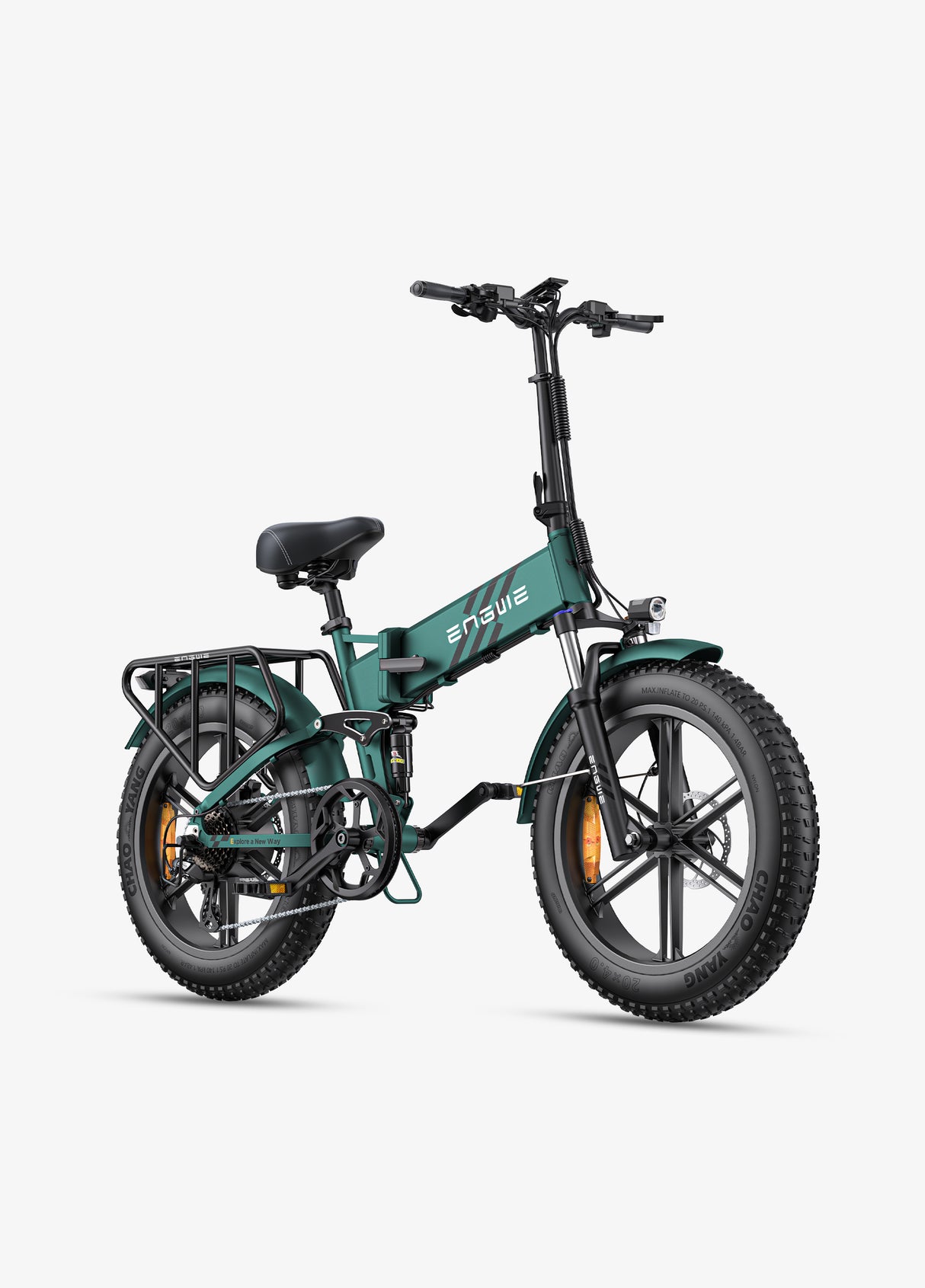
-
High Capacity 75Nm Torque Motor:
High torque isn’t just fun, it’s required when the terrain gets steep because that's what ends rides – not riding (or walking). Which means you can keep your intensity on without any break. -
Advanced Torque Sensor:
A very important feature for fitness. A torque sensor is different because it measures how hard you, the human, are pedaling and delivers proportional assistance immediately. This makes for a more natural, permissive feel so you can work harder. -
Full Suspension System:
Comfort = Endurance. The full suspension absorbs bumps, ensuring that you remain fresh enough to ride long and hard so that you can attack the more technically challenging trails with all your energy. -
Shimano 8-Speed Derailleur:
Get the eBike experience without feeling fully committed to it with classic gear options. That means you can easily vary the intensity of your workout at any second, just as you would on a high-end mountain bike. -
All-Terrain Fat Tires:
4.0” fat tires help tackle tough terrain with ease. Ride Sand, Trails or Snow—the options are unlimited for where you can ride and the resistance is limitless. Meet High Resistance Riding—a full body workout that puts a smile on your face!

Turn Your Terrain Into a Resistance Machine
Your riding terrain is a resistance machine. The landscape, wind, and even the surface of the road all make for a continuously changing level of effort. Using this natural terrain to your advantage can transform a casual ride into an HIIT workout. An e-bike enables you to head out and face those challenges, rather than avoiding them, safe in the knowledge that you have the help required to drive through wherever it's toughest yet still gain fitness benefits. This is where e-biking really comes into its own, turning a forbidding hill from a blockade to an opportunity.
How Terrain Affects How Many Calories You Burn:
- a) Flat Paved Roads: This is the easiest; you put up no resistance. It’s a high-cadence (pedaling speed), low-motor-assistance workout with an emphasis on steady-state cardio in an ideal atmosphere for focusing.
- b) Steep Hills: This is huge for burning some calories. Your legs, glutes, and core are still heavily involved in propelling yourself uphill despite motor assistance. A hilly route may burn twice as many calories as a flat one.
- c) Gravel and Dirt Trails: The bumpy terrain paired with the added rolling resistance forces your body to work harder, helping you build speed and stability. This activates more stabilizing muscles, resulting in a greater total calorie burn.
- d) The Beach or Sand: The sand has more resistance. Riding here, even with big tires and with an assist from a motor, is hard exercise that cooks through calories.
Weather Influence:
- a) Headwinds: Riding against a brutal headwind is akin to climbing an endless, invisible hill. It makes you and the motor work that much more.
- b) Temperatures: Your body burns more calories in the cold simply to keep your core temperature up, providing you a small metabolic bump while riding during winter.
Maximize Your Workout With Smart Riding Strategies
It’s not enough to just have an e-bike; you need to use it with purpose in order for it to be effective fitness equipment. With some targeted methods and training your ride, the e-bike becomes more than just a way to get around; it can become a valuable one-of-a-kind functional training device. The objective is to put the motor to strategic use — save your energy, take on challenges, and hold target heart rate zones — rather than purely as a way to make riding easy. These are actionable tips to help you torch more calories and reach your fitness goals faster.
Smart Riding Strategies To Get The Most Of Your Workout:
- 1) Go for Interval Training: That doesn’t mean you should ride at the same pace or assist level. Alternate 1-minute hard effort in a low PAS with 2-minute recovery in a high PAS. This is a tried and tested way to rev up the metabolism.
- 2) Motor-Off: If traveling at a reasonable speed and you're on a flat or going downhill, you can completely turn the motor off (PAS 0). Use assist on steep inclines only. That then forces you to have to earn your help.
- 3) Focus on High Cadence: Rather than grind a heavy gear, drop into a lighter one and spin your wheels faster (shoot for 80 to 90 RPM). This is better for your heart and burns fat.
- 4) Stand Up on Climbs: Stand up on the pedals occasionally during climbs. This recruits other muscles, such as your core and upper body, for an all-around workout.
Reading Effort for Real Results:
| Metric | How It Monitors Calorie Burn | Recommended Tool |
|---|---|---|
| Heart Rate | The most accurate real-time indicator of your workout intensity and calorie burning. | A heart rate monitor watch (worn on wrist) or chest strap. |
| Power (Watts) | Your actual physical work output. Higher average watts make up a harder workout. | Built-in power meters are a feature of some high-end e-bikes. |
| Distance & Time | Foundational measurements. You should be stretching your time or mileage from ride to ride if you can. | Your e-bike’s existing display or a GPS app on your smartphone. |
| Cadence (RPM) | Allows you to train the way you want. You also get to hit a target RPM so you know you are really working your cardio system. | A cadence sensor or e-bike display included in many cases. |

E-Biking vs. Other Exercises: A Calorie-Burning Comparison
Figuring out the exact fitness benefits of e-biking is easier when you compare it to other forms of exercise, and know that different e-bikes are best suited for different fitness goals. Although a regular bike is capable of burning more calories an hour on high intensity, the e-bike can be better for accessibility and duration. It lets people ride more often, for longer, and on tougher terrain than they otherwise would, resulting in a greater total calorie burn over time. The key is that consistent e-biking makes exercise possible, enjoyable, and even fun.
Calorie Burn: A Side by Side Look (Numbers based on a 180lb person per hour):
- High-Assist E-Biking: 200 to 350 Calories
- Moderate-Assist E-Biking: 300-500 Calories
- Brisk Walking: 250 - 400 Calories
- Moderate Traditional Cycling: 500 to 700 Calories
- Jogging: 600-800 calories
-
The Big Idea:
Moderate assist e-biking is an amazing low-impact workout that easily exceeds walking and rivals traditional cycling. Which Type of E-Bike Fits Your Fitness Goals:
- Commuter/Hybrid E-Bike: Ideal for traveling long distances with moderate intensity. Brands like Aventon are specialists in these efficient cruisers, which are perfect for city and path riding.
- Road E-Bikes: These lightweight bikes, from brands such as Specialized, are all about speed and provide a high-effort workout experience similar to traditional road cycling — with an assist for the most brutal hills.
- Mountain E-Bikes (eMTB): Built for maximum intensity. Motors with extra punch from such brands as Giant or Canyon can help stronger riders make it up technical trails, enriching the fitness challenge of the descent with a full-body workout.
Q1: OK, so how much exercise are e-bikers actually getting?
A: A lot. It’s always pedaling, which means you get to control the intensity of your workout in real time by selecting assist levels and gears, which makes for very efficient cardio.
Q2: How can I ensure that I burn the most calories?
A: Ride as much as you can in the lowest pedal assist level that will allow you to move and go over hilly routes, gradually ramping up the total time spent on a bike every week.
Q3: Should I think of an e-bike as a superior version of a bike in terms of exercise purposes? A better fitness tool?
A: For many people, yes. It takes away many of the obstacles to riding, such as daunting hills or long distances, so you will be able to ride further and more frequently. After all, the best workout is always the one you’ll actually do, and an e-bike makes that even easier to accomplish.