Choosing an E-Bike Based on Your Lifestyle
Picking an electric bicycle isn’t the easiest task because of how many options there are. This guide makes it easy by boiling it down to five simple lifestyle factors. So with some careful thought about how you intend to use a bike each day, the sort of terrain you are going to cover, and your general likes and dislikes, suddenly everything becomes much clearer: What's the best e-bike for me? We’d like to help sort through the options and find your perfect ride for the open road.
First and foremost - By far the most important aspect in your decision making, what is your primary purpose for riding? An eBike is an investment, and its design should be tailored precisely to how you plan to use it for the majority of your rides. Do you want something sturdy and reliable for everyday riding, a bicycle to take with you on weekend outings, or just one that will be comfortable to ride in your free time? As you do, your main use case becomes clear and that will immediately eliminate all the non-important categories/features. Check out the profiles below to see which one you fit best.
-
The Urban Commuter:
You want something that can take on the city traveling fast and steady. You want a bike that is nimble, able to navigate stop-and-go traffic and equipped with features for safety and utility. Some likely extras include integrated lights, fenders to keep street muck off you and a rack for carrying a laptop or groceries.
-
Trail and Adventure Seeker:
You desire the freedom to explore, from gravel tracks in far-flung forests. Your perfect e-bike demands sturdy construction, excellent traction and a powerful ride. Standout features are large, knobby tires and a responsive suspension system that maintains comfort on rough terrain — not to mention its hardy frame construction.
-
The Recreational and Exercise Rider:
You use cycling for fun and fitness. Comfort is paramount. You will appreciate an e-bike that has a more comfortable, upright riding position to support your back and rear end, as well as provide adjustability in the saddle height, and some pedal-assist with smooth output that helps you up hills rather than dominating you.
-
The Cargo and Family Hauler:
Your e-bike replaces a car, carrying groceries, packages and even kids. You require ultimate stability and cargo carrying. Look for longtail cargo bikes or front-loaders with a low center of gravity, a powerful motor to manage heavy loads and a strong frame.
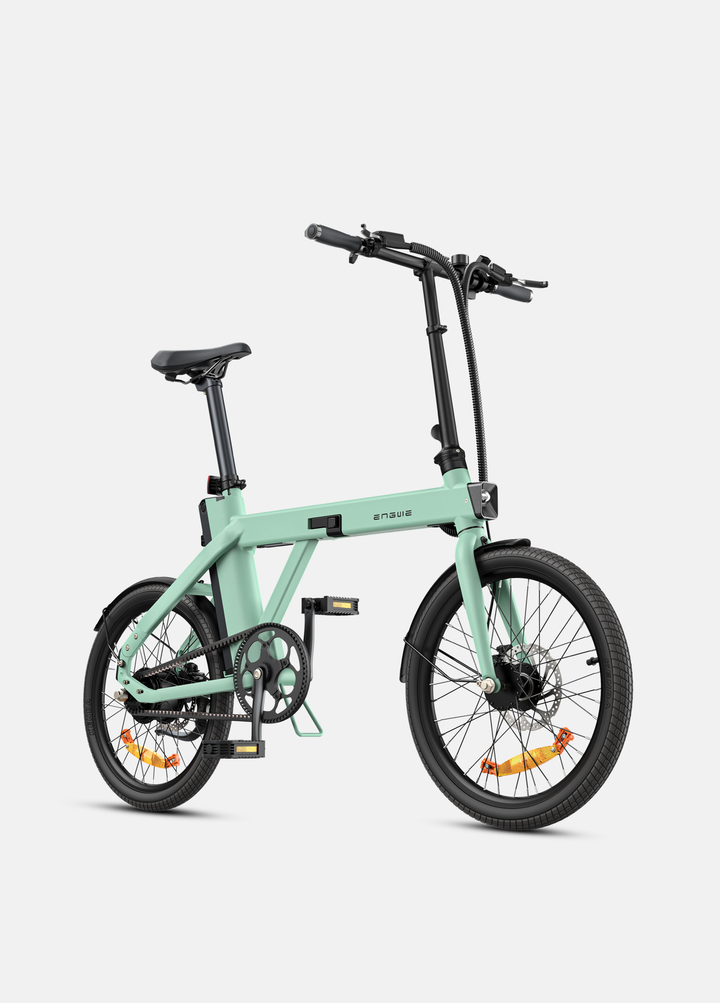
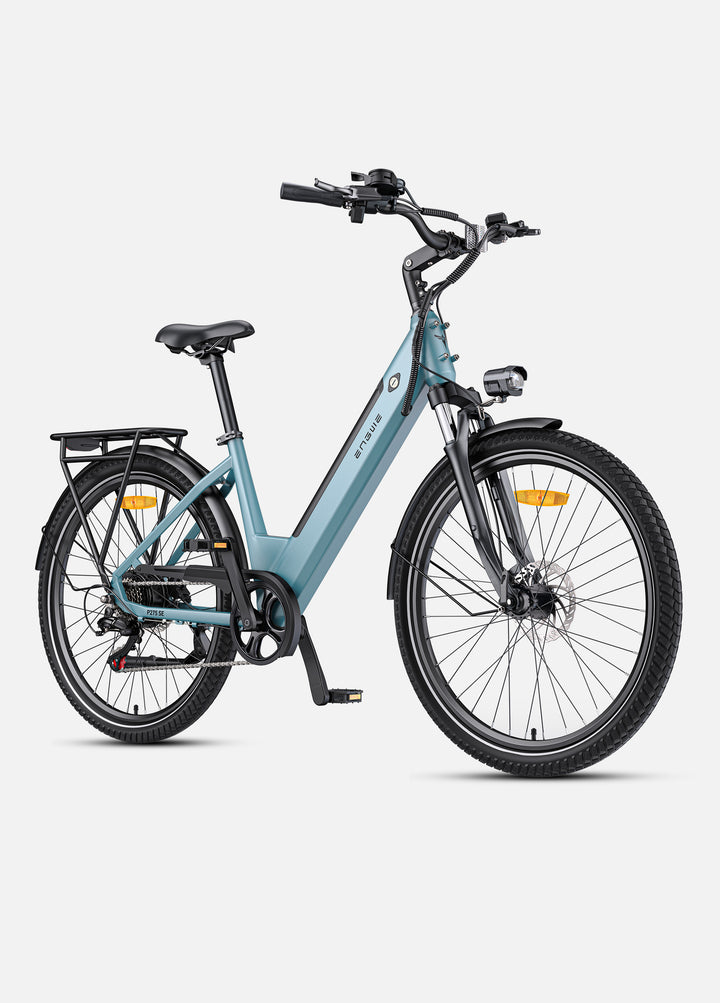
The utility e-bike, which can handle versatility, power AND practicality earns top marks. This class is the one that does it all for a rider: It’s great as your commuter to work, on weekend errand runs, and an in-town tourer. These bikes are the humble labourers of the e-bike universe and brands such as ENGWE have it licked. As one of the leading companies producing an affordable yet powerful e-bike, ENGWE has a stable design. Without complex decoration, it remains only pure performance. Their bikes are designed for riders who need more than just a utility bike; they want to take on any challenge their daily life presents.
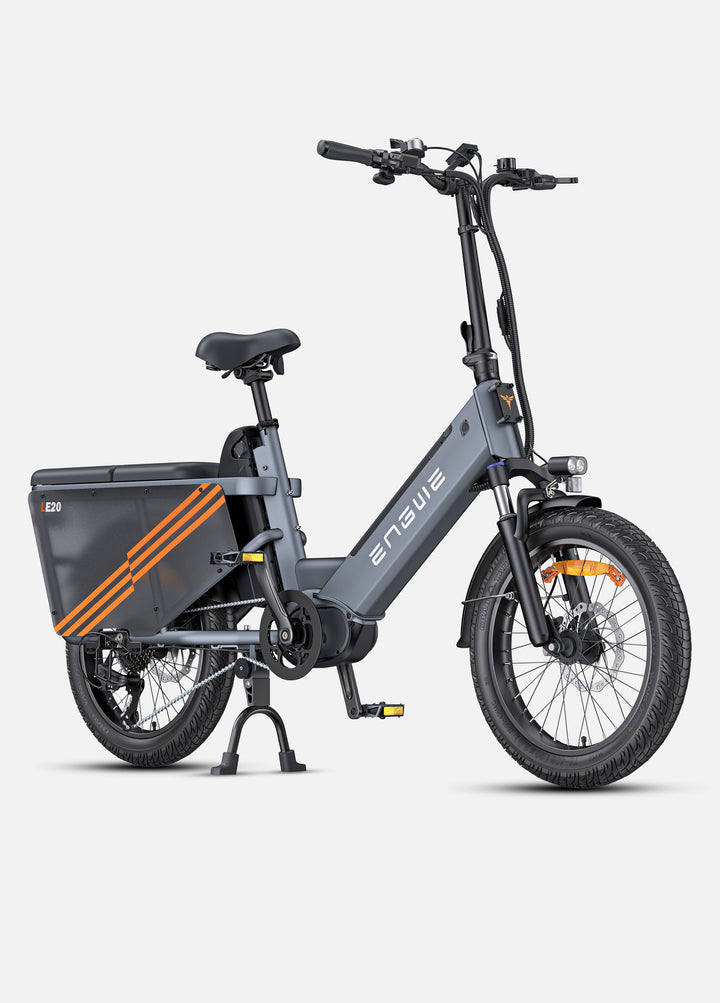
The ENGWE L20 Boost

The L20 Boost is the epitome of this approach, skillfully combining brute force with a rider-focused interface and driving experience.
The L20 Boost is built to face any obstacle your lifestyle can throw at it.

-
Strong Performance:
With a 250W brushless motor, this is no slouch but its power-boost button that throws an incredible 75 N.m of torque into the mix. This makes tackling steep hills, or starting from a standstill simple.
-
Ride Well and Fun:
The torque sensor, with its progressive engagement makes for a natural, smooth ride with plenty of get up and go. It does a perfect job of matching the motor’s output to how hard you’re pedaling, and it feels fantastic as well as drastically improving battery efficiency.
-
Great On The Go Distance:
With the 48V 13Ah Lithium-Ion Removable battery you’ll have peace of mind equipped with an industry leading maximum range of 78 miles in PAS mode so you can travel using pure electricity super long distances, not having to worry about running out of juice!
-
Unique All-Purpose Ride:
The L20 is simply above and beyond all the other fat tire electric bikes with its simple design, impressive real-world performance and a bike like ride.
-
Unbeatable Utility:
Featuring a stable front basket and sturdy rear rack, the bike makes sure you can effortlessly haul everything you need (11lb + 55lbs capacity), whether that’s daily essentials or traveling gear!
Matching Your E-Bike to Your Terrain
The next key dimension is your type of riding terrain, which will determine the technical specifications you are looking for in your e-bike. Your daily terrain will decide the best motor, suspension, tires and brakes. A bike built to roll smooth and fast on paved roads will be out of its element on rough, rocky singletrack, and a bike optimized for the dirt won’t be able to keep up with life on the road. Selection of the right components for your environment means a more comfortable, safer ride and less money paid out on features that are of little required consequence. For example, full-suspension is perfect for mountain trails, but only adds weight and expense to a city commuter.
-
Smooth Pavement and City Streets:
If you spend most of the time cruising down well-kept roads, you can do without high resistance. Seek out hybrid or commuter-style e-bikes with tires that are narrower and smoother. A front suspension fork is good for comfort, but a rigid fork will save weight and shall be enough in most cases.
-
Hilly Regions:
When the terrain isn’t flat, you need plenty of motor muscle. Your friend is going to be a mid-drive motor or a high-torque hub motor. Also, prioritize high-quality brakes. Hydraulic disc brakes deliver smooth and effective stopping power on top of increased safety via mechanical advantage when descending steep climbs.
-
Gravel Paths and Light Trails:
For routes that include a mix of pavement and unpaved paths, consider an all-terrain or hybrid e-bike. Seek wider tires that are semi-knobby and offer a good compromise between grip and low rolling resistance. 50mm of travel in the front suspension fork will make for a much better ride.

Understanding the Technical Details
Diving into the technical details may appear intimidating, yet grasping a few fundamentals will help you to be equipped to make an informed selection and acquire a good quality machine. The motor, battery and sensor are at the core of every e-bike, which determines how it performs and feels. Choosing wisely here can also save you money in the long run, as more efficient models typically help a battery last longer and leave you satisfied. For example, a more advanced device such as a torque sensor that makes for a smoother ride and is ultimately going to give you more mileage compared to your basic cadence sensor, acting as a potential upgrade if you’re a regular rider.
-
Motor Type:
Hub motors (in the wheel) are a popular and low-cost option; mid-drive motors (at the pedals) provide better balance and more power up hills.
-
Battery Capacity:
In Amp-hours (Ah) and Volts (V). You'll get a larger range with a higher Ah number. For the majority of users a 48 volt system with a minimum battery capacity of 10Ah is fantastic.
-
Sensor Technology:
This is what prompts the motor to kick on. It’s also a vital part of how the bike feels on the road.
-
Brakes:
Mechanical Disc Brakes - Reliable and easy to maintain. Hydraulic disc brakes provide better stopping power and less hand fatigue, which can be critical for heavier bikes or hilly regions.
| Feature | Cadence Sensor | Torque Sensor |
|---|---|---|
| Rider Feel | Smooth power delivery on/off | Natural and responsive assist accentuation |
| Battery Efficiency | Least efficient | Efficient, increases range |
| Hill Climbing | More effort from the rider | Smooth and more powerful |
| Usual | Low-cost e-bikes | Midrange to high-end e-bikes |
Exploring Specialized E-Bike Types
Last but not least, despite the utility of ENGWE offerings, in the general e-bike market there are specialized type models for each kind of life. If you have very specific needs – out-and-out portability for a multi-modal commute or professional-level off-road capability, say - then investing time and money in these specialised choices is worth it. They tend to be very focused, and for good or bad whatever they do well they will also excel at. The analogy holds up here: a road e-bike will simply feel fast and nimble, for instance — it just won’t carry much in the way of cargo with you. This section will give you a brief look at what else there is on the e-bike market, so that you have a full picture of your available options.
-
The Ultra-Portable Folding E-Bike:
For the suburban commuter who rides to the train or bus station, or for anyone tight on space, a folding e-bike will open up entirely new options. Models like the Brompton Electric are famous for their low-volume fold and correspondingly easy lifting and carrying.
-
The Lightweight Road E-Bike:
Designed for fitness fiends and the road rider/biker crowd, these bikes offer a performance boost that will have you going faster and further. Bikes like the Specialized Turbo Creo are meant to approximate, as closely as possible, what it feels like to ride a road bike that’s powered by nothing but your muscles, emphasizing light weight and aerodynamics.
-
Heavy-Duty Cargo E-Bike:
When weight is all-dominant, the only option is a dedicated cargo e-bike. Models like the Rad Power Bikes RadWagon are based on an extended, super-strong frame and can be outfitted with seats, baskets and platforms to carry children or hundreds of pounds of cargo.
-
The Full-Suspension Electric Mountain Bike (eMTB):
Dedicated trail riders and mountain bikers will not settle for anything less than a full-suspension front-and-rear eMTB. Bicycles like the Trek Rail were built to tackle rugged off-road terrain with potent motors and cutting-edge suspension designs that allow maximum traction and control.

Frequently Asked Questions
What’s the best way to test ride an e-bike before purchasing?
Hit up local bike shops, most of which have demos. Attend to how the motor is engaged, try out the brakes and check in how the bike feels to lift. This hands-on experience is invaluable.
What is the one most important maintenance advice?
Check your tire pressure regularly and keep your chain clean and well-greased. This simple addition can increase efficiency, extend the life of your parts and potentially make for a safer ride.
Is a pricier electric bike always the right choice?
Not necessarily. The “best” e-bike is the one that fits your lifestyle, budget and riding needs perfectly — which may not be the most expensive model on the market.
Consideration of these dimensions will now enable you to make an informed decision.