Navigating German E-Bike Regulations
Considering a throttle-powered electric bicycle in Germany? The terrain is heavily regulated and confusing. This guide unpacks the key laws, huge fines, and possible legal loopholes you need to know. We’ll explain what is a legal e-bike and what is an illegal motor vehicle, describe the serious risks of not complying with German law in this aspect of your business, and guide you through the process to be street-legal on Germany’s roads, protecting yourself from potential fines.
The classification of an e-bike in Germany depends on whether it is a “Pedelec” or a “Kraftfahrzeug.” The thumb throttle not being connected to pedaling is the trigger for a re-classification of the bike into a motor vehicle and acceptance of a completely different set of laws. In order for an electric bike to be classified as a regular bike in the eyes of the law, it must conform to very specific requirements. Anything that starts to deviate, especially when we strap on a big ol’ independent throttle, is no longer really a bicycle. This foundation is what any rider in Germany should understand first and foremost.
-
Pedelec (Technically a Bike)
This is the kind you most often see.
The motor only kicks in when you're pedaling.
The continuous rated power of the motor shall not exceed 250 W.
The motor aid must disengage at the speed of 25 km/h automatically.
A start-up or pushing aid working without pedaling up to 6 km/h is allowed. -
S-Pedelec (Speed Pedelec)
This is a faster class of e-bike, categorized as a light moped.
Supporting motor assistance up to 45 km/h.
Legislates a certain license plate for insurance (Versicherungskennzeichen).
All riders require at least an AM-class driver's license.
A certified helmet is required.
They are banned on bike paths unless specifically allowed. -
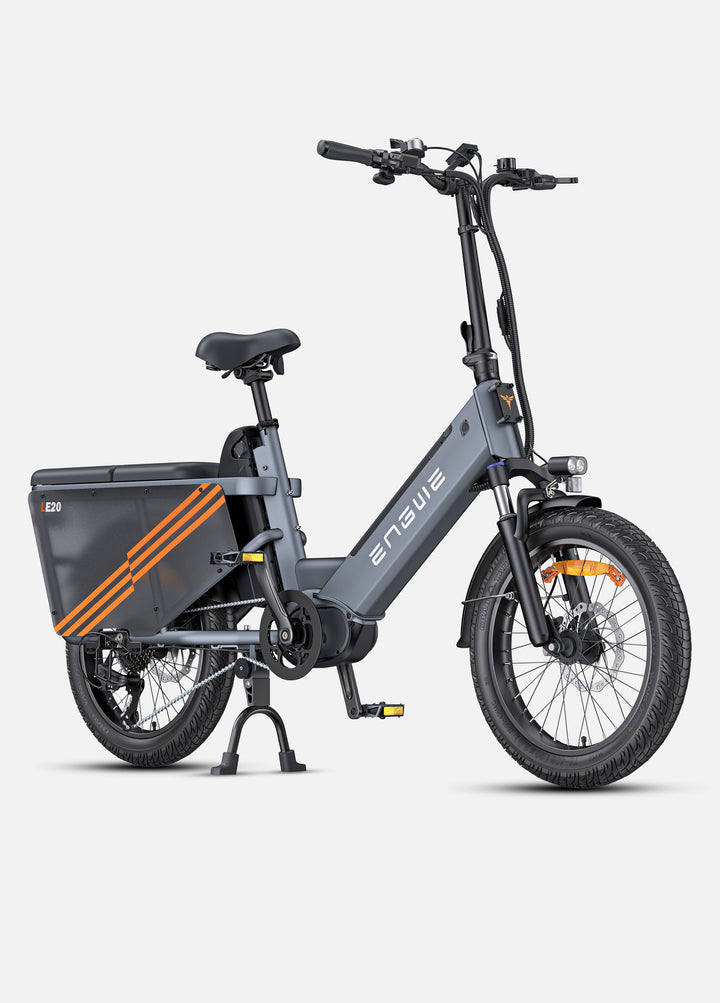
Throttle E-Bikes (E-Mopeds)
An e-bike with the capacity to operate solely on motor power without pedaling.
These are considered by law to be light mopeds or motorcycles, depending on their top speed.
They need type approval, a license, insurance, and a helmet.
The Serious Risks of Illegal E-Bikes
Riding an illegal [in Germany] throttle e-bike on public roads isn’t a trivial matter — it poses serious legal and monetary risks. These vehicles, according to police, are then treated like unregistered and uninsured motor vehicles, with fines piling up to amounts that often result in life-altering consequences and ruinous exposures, even if there’s no accident. The monetary penalties are the tip of an iceberg. Your real risk is no insurance coverage and the potential for criminal charges that will come back to haunt you long after your wallet has healed. The reality is, they are dangerously breaking significant motor vehicle laws, and the risks are often ignored by riders.
-
Substantial Financial Penalties
Fines between a few hundred and several thousand euros (for multiple offenses) can be handed out for illegal throttle e-bike riding.
-
Driving Without a License ("Fahren ohne Fahrerlaubnis")
Because your vehicle is considered to be either a moped or a motorcycle, you are required by law to have the corresponding driving license (i.e., AM/A1). If you don’t, this is actually a crime, not just a traffic infraction.
-
Insurance Violations
This is the greatest danger. Uninsured Motorist Vehicle Operation is a Crime. If you get in an accident, you are on the hook for whatever damages to other people's and things' health, houses, and resources you cause. Their insurance doesn’t say “oh.” It just... goes away.
-
Vehicle Seizure
The police may also have the power to seize your illegal e-bike and impound it.
-
Points on Your License
With a German driving license, you can score points (“Punkte in Flensburg”) which may result in the withdrawal of your license.
-
Tax Evasion
The vehicle could be subject to vehicle taxes which you would not have paid, and this can result in charges for tax evasion.

Legal Loopholes and Misconceptions
The law is the law, but there are vagaries and nuances that some users will look to work around to get their hit. But these “loopholes” exist on a knife-edge and have to be approached with the utmost caution – if you get it wrong, it’s very easy to slip back into being illegal. The biggest misconception relates to what is acceptable when it comes to tuning kits / detachable throttles, with many thinking that the item can be owned or temporarily fitted. The law is simple: as soon as you ride an unauthorized e-bike of any type on a public road, it’s illegal. The only entirely legal use of a powerful throttle e-bike is on private property, behind closed gates.
-
The "Schiebehilfe" (Pushing Aid) exception
The only throttle assist allowed on a regular Pedelec is when you start, which can push up to 6 km/h. This is meant to help you get the bike rolling or up a ramp. It is unusable for long-term riding.
-
Private Use of Property
The law depends on local regulations. It is legal to ride a throttle-equipped e-bike of any power on your own private land that the public does not have access to. (That’s the only 100% safe and legal loophole.)
-
The Kit Conundrum
Most of the time, it’s okay to buy and own a conversion kit that adds a throttle to your e-bike. But, when it is actually fitted and then ridden on public roads, cycle paths, or through woods, that is when the illegality occurs.
-
Removable Throttles
Riding down the road with your removable throttle in your backpack on a modified bicycle does not make it legal. However, if the bike has the wiring and potential to add a throttle back on very easily, it may still be considered by law enforcement an illicit motorcycle.
A Street-Legal Solution with Off-Road Power
The ENGWE EP-2 Boost

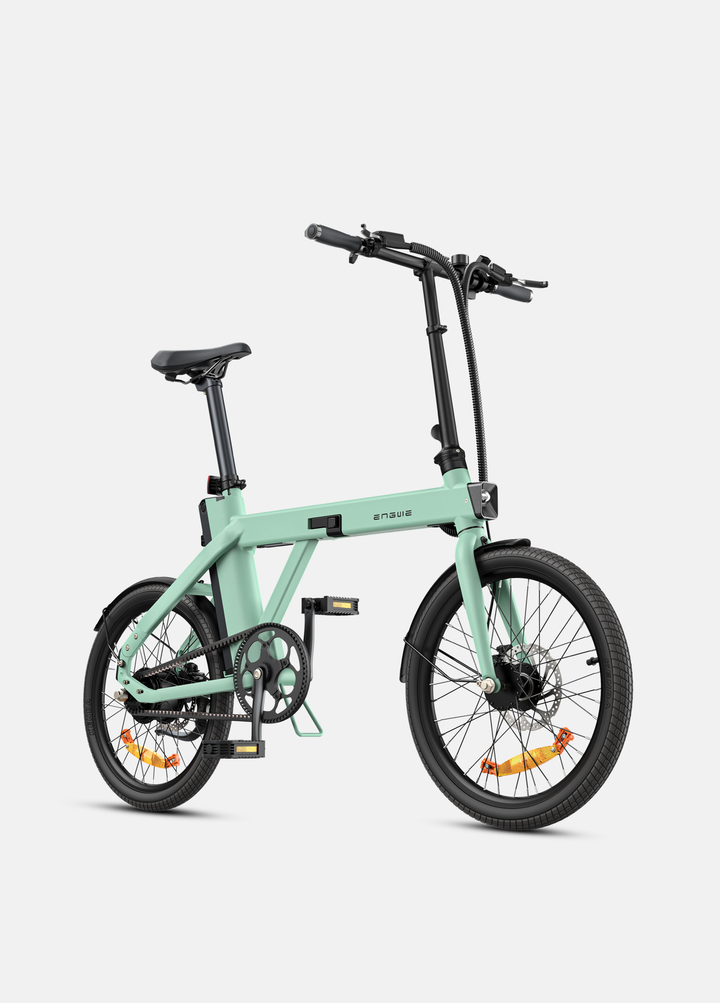
If you're after an e-bike that complies with German road law as well as the power for wild rides on private land, the ENGWE EP-2 Boost is one of your top options. It has been crafted with modern riders in mind and it meets multiple-use requirements. At its heart, it has a strong and reliable 250W brushless motor which allows you to travel with confidence on the open road. But for when you are on private land and need that extra burst of power, the new Boost Mode unleashes a challenging 55Nm of torque to make even steep climbs a doddle. It's also got an ingenious torque sensor allowing for a very smooth pedaling experience, unlike a lot of other less expensive systems. This fat tire electric bike is truly an all-terrain champion.

-
Smart Torque Sensor
Provides a smooth and natural assistance while riding. Allows you to ride without feeling the bike is pushing or pulling you, at the same time piquing your desire for all-wheel-drive.
-
Strong Boost Mode
Important for off-road; power mode best used when heading up hills or tackling an uphill section of a trail on private property.
-
All-Terrain Domination
The 20x4.0 fat tire and one-piece wheels. They can be used in sand, snow, and muddy roads, to conquering all terrain.
-
Long-Life Battery
The 48V 13Ah lithium-ion battery is easily removable and offers up to 120km of range, ideal for long commutes or discovering new places.
-
Ultimate Convenience
Portable, foldable frame with a quick-release trigger folding system and rack to carry your stuff on the go or keep in an apartment that fits easily in car trunks; perfect for traveling. Front suspension reduces bumps and thumps so you have a comfortable ride wherever. Riders looking for quality, strength, and a versatile E-bike, will find what they want in the ENGWE EP-2 Boost!
Final Checks and Recommendations
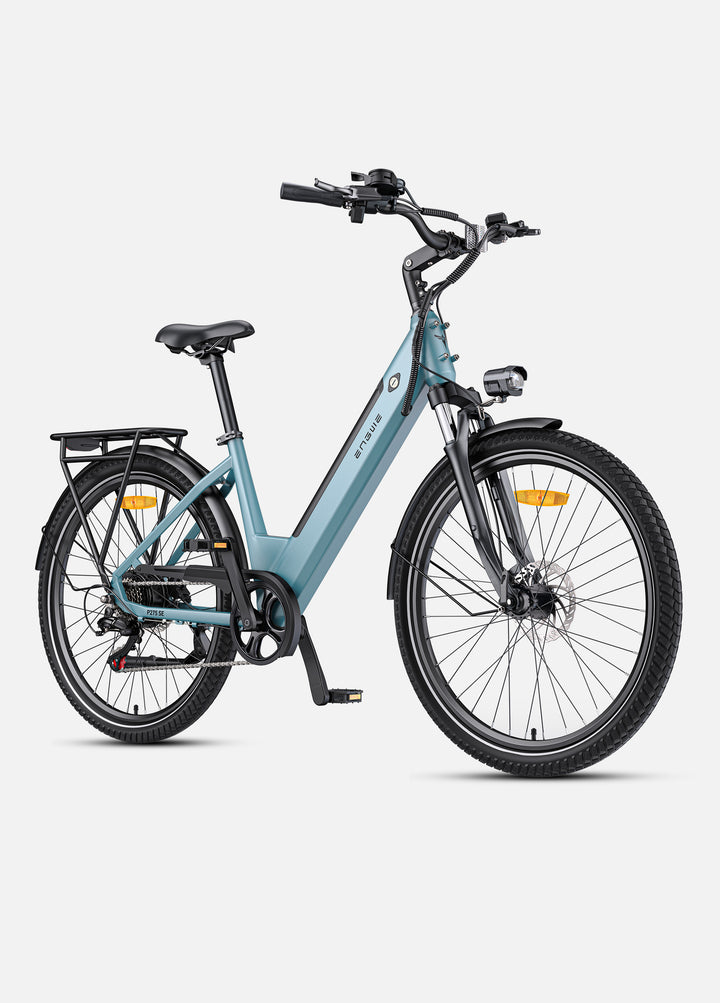
It’s important that you know the differences between e-bikes and what laws apply in each category to ensure that you stay compliant and safe. Above a certain brand, it depends on the desired type of bike that applies to you according to German law. Urban dwellers demand light frames and nimble handling, touring e-bikes have to be ready for long days in the saddle, and folding e-bike riders value convenience above all else while on the road. Famous German Pedelec manufacturers who generally adhere to the law are Cube, Haibike, and Riese & Müller; they offer plenty of models (with motor power falling well within 250W/25 km/h limits). Make sure that the model has a declaration of conformity (Euro standard EN15194) as a Pedelec before your purchase. So I want you to use this as your confirmation. You can refer to the table below, it sums everything up so you know what's what.

| Feature | Pedelec (Bike) | S-Pedelec | E-Moped/Throttle E-Bikes |
|---|---|---|---|
| Max Speed (Motor Assist) | 25 km/h | 45 km/h | 20/25/45 km/h |
| Motor Power (Nominal) | 250W | Up to 4000W | Varies by classification |
| Throttle Allowed? | No (only 6 km/h start-aid) | No | Yes |
| License Required? | None | Yes (AM Class) | Yes (AM or B) |
| Insurance Plate? | No | Yes | Yes |
| Helmet Required? | No (Recommended) | Yes (Motorcycle-certified) | Yes |
-
What’s the number one risk of creating and riding a modified e-bike?
You have unlimited personal liability in the case of an accident, as any insurance will be void. This situation can result in financial devastation from paying for damage as well as medical expenses.
-
In Germany, is it legal to use a throttle e-bike kit?
A kit can be both purchased and owned legally. But if you actually put this on the road and ride on public thoroughfares it becomes an illegal motor vehicle which requires licensing, insurance, and type approval that very few (if any) DIY bike builders could ever hope to comply with.
-
Is there an easy way to tell if an e-bike is legal?
Yes, make sure it's a by-the-book e-bike with a label saying "Pedelec," has 250W continuous motor output, assistance only to a max of 25km/h, and no throttle.
But, navigating German e-bike law is a matter of knowing the rules well enough to access the freedom of riding.