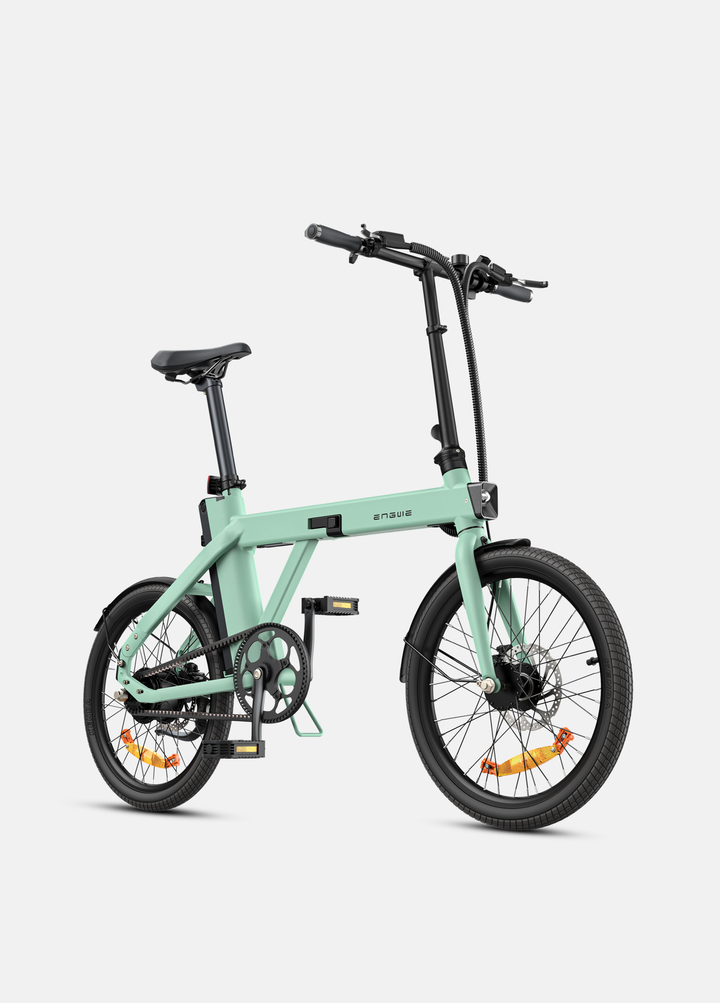
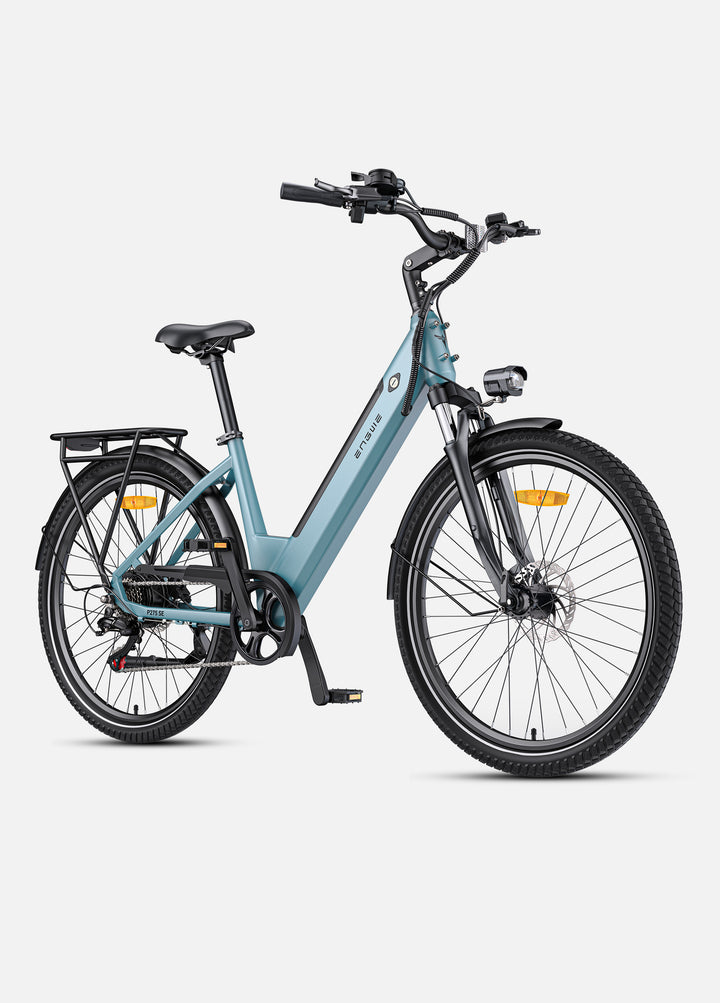
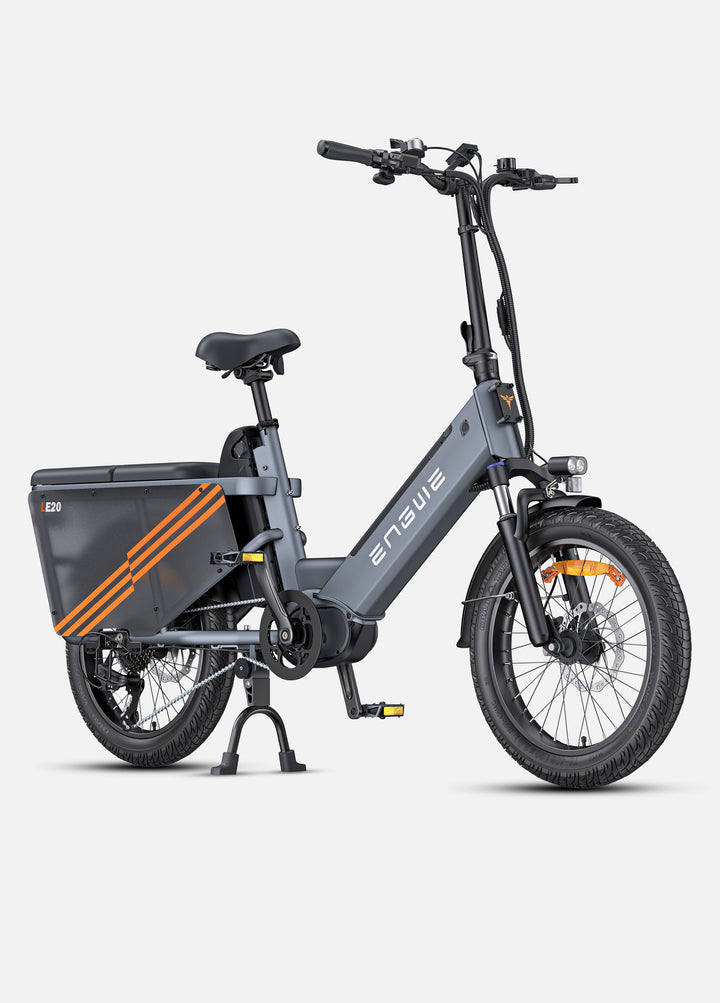
Tackling steep hills on a bike can be challenging, but with the right electric bicycle, it's an exhilarating experience. When it comes to the best ebike for climbing, selecting the ideal bike isn't just about finding maximum power; instead, you have to consider a balance between motor torque, battery life, and control systems. This article will take you through the five most important factors to consider so that you have a machine which turns terrifying gradients into opportunities for fun.
The Motor and Power Delivery System
The motor and power delivery system of an electric bike for steep hills to be selected is the first and the most important dimension. This is the heart of your stair climbing machine, and it is crucial that you have a basic grasp on these key statistics to make an informed decision. You’ll be fighting against a weak motor and throwing more muscle into the effort, but if it’s powerful and responsive, you won’t feel like you can ever stop rolling. Look for torque over wattage (which anyone can pump out) — because "Torque is the rotational force that makes you move from a standstill on an incline," Borghese explains, "and pull away and above."
Here are some essential motor factors to consider:
-
Type of motor:
You will come across two major options: mid-drive and hub-drive. Mid-drive motors sit above the bike’s cranks and use the bike’s gears. This is a big plus on long steep hills, as the motor will be working at its happiest RPM, similar to the operation of one's car engine. Hub-drive motors, which sit in the wheel's hub, are simpler and can be more affordable but may have difficulty on extended, very steep climbs.
-
Torque Rating:
This is rated in Newton-meters (Nm). For proper hill climbing, a motor with at least 55 Nm of torque is your best goal. 80 Nm or more is suitable for very steep terrain or off-road. A maximum torque output of 60 Nm means the bike can offer powerful support exactly when you need it.
-
Type of Sensor:
Ebikes typically come with a cadence sensor or a torque sensor. A cadence sensor delivers power as you begin to pedal, resulting in a more “on/off” sensation. For climbing, nothing beats a torque sensor as it gauges how hard you are pushing on the pedals and provides assistance in direct proportion. The end result is a significantly more intuitive and managed ride on challenging terrains.
Control and Contact
Power is nothing without control. The second dimension considers the three things that control your speed, how well you get there, and your connection to the ground: gearing, brakes, and tires. A high-strain, low-speed dynamic requires you to have a drivetrain that will cope when you’re climbing. More importantly, what goes up must come down, and you can’t go wrong with confidence-inspiring stopping power to safely descend steep descents. Your tires are the sole point of contact with the trail, and their grip is crucial.
Some critical control and contact elements to consider:
-
Gearing:
Plenty of gears are essential. Prioritize a reliable system like the Shimano 7-speed or greater. For climbing, the most crucial element is a big “granny gear” in the rear cassette. This low range lets you spin a high pedal cadence, making it easy for both your legs and the motor without strain.
-
Braking System:
Hydraulic disc brakes are the best choices for strenuous slowing power and control over the extra weight and increased speed of an ebike. They have better modulation and stopping power than mechanical disc brakes and perform much better in the wet. Look at the rotor size too – start with a minimum of 160 mm, but if you’re jetting off to some serious mountains, then 180 mm rotors offer excellent heat dispersal and stopping power on long descents.
-
Tires:
Big tires, often 4.0 inches wide, are a game-changer for climbing. Thanks to their wide tread pattern, these big tires have excellent grip on loose surfaces such as gravel, dirt, and mud. This eliminates wheel spin and allows the power from the motor to be applied straight to the ground. You can also run them at even lower pressure for even more grip, and upping the adhesion increases that stability for a ride you can feel confident on.

Battery, Durability, and Comfort
Battery capacity and general ride comfort are therefore the third key dimension. Climbing hills is the exercise which takes most of an e-bike's energy. No one wants to run out of power halfway up a mountain. Ditto if you have to endure a punishing ride; you’ll get tired quick, and the bike’s ability to keep traction will as well. A good solution takes into account both the durability of the journey and rider comfort.
Here are some durability and comfort factors to look out for:
-
Battery Capacity:
The rated capacity of a battery is expressed as Amp-hour (Ah) and energy is stated in Watt-hours (Wh). The Watt-hours calculation is Volt (V) x Amp-hour (Ah). If you’re going to ride in hilly terrain, a battery of at least 600Wh (a 48V 13Ah battery, for example) is recommended. For those extra-long rides where you never want to experience range anxiety, there’s the dual-battery system that could potentially double your adventure.
-
Suspension System:
Though you are likely to find a front suspension fork, full suspension (front and rear shocks) is ideal for climbing over uneven terrain. The rear suspension is also critical for keeping the back wheel planted firmly on the road so that it doesn’t skip over bumps or lose traction. All this means a faster, smoother transfer of power to the ground and better comfort all round.
-
Frame and Construction Quality:
Durable construction is crucial on the frame, which should be made of something like lightweight aluminum alloy. The geometry of the frame should also allow a relaxed and commanding riding position, to enable you to move your weight around easily when things get steeper.
Top Recommendation: The ENGWE M20

When looking for the best ebike to possess all these climbing characteristics, the ENGWE M20 is a top pick. It's specialized for adventure and riding a hardy mix of terrain. With a mean, motorcycle-styled look and components that fit the part, this is the perfect bike to take you where you want to go. The M20 provides the optimal set-up for any ambitious hill climber that strikes a fine balance between rider, power, and control and comes highly recommended.

And this is what makes the ENGWE M20 a better climbing machine:
-
Powerful Brushless Motor:
It is powered by a brushless motor producing 55 Nm of Torque to pull you up the steepest gradients without a second thought.
-
Exceptional Dual Battery System:
The M20 features an optional dual-battery system. The ENGWE M20 is designed to eliminate range anxiety with unrivaled quality and craftsmanship. The 48V 26Ah configuration (two batteries of 13Ah) and a maximum range of 75km+75km will allow you to travel the longest and steepest hills without hesitation.
-
Advanced Dual Shock Absorption System:
It is a true 2-Decline shock system with a front hydraulic shock and a rear air shock. This duo delivers twice the shock absorption of a regular bike for comfortably keeping the rear tire planted on the ground -- ideal for outstanding traction.
-
All-Terrain Fat Tires:
The M20 is built for all terrains and packs 20" x 4.0" triple-layered fat all-terrain tires that provide superior stability and grip from loose ground to paved inclines.
-
Strong Braking System:
The front and rear disc brakes offer strong stopping performance; the 160 mm mechanical disc brake system is cushioned by high-quality 21-speed gears, which can be adjusted for continuously variable speed.

Alternatives and Key Specifications
The ENGWE M20 sounds great as an all-in-one solution, but there are a number of electric bike models on the market that cater specifically to climbing. Testing these alternatives can give you a sense of the high-performance hill-climber frontier. Typically, these e-bikes employ high-quality mid-drive motors and MTB-ready components. For anyone looking for alternatives, here are a few other well-reviewed models and brands with similar reputations as adept climbers:
- Haibike AllMtn Series
- Rad Power Bikes RadRover
- QuietKat Apex
To aid you in evaluating any given ebike for its climbing capabilities, here’s a table of the key numbers. Keep this as a handy reference when comparing features.
| Feature | What It Means for Hills | Ideal Range on Steep Hill |
|---|---|---|
| Torque (Nm) | The turning force needed for beginning, or on a very steep slope. Higher is better. | 55Nm - 100Nm+ |
| Battery (Wh) | Your ebike's "gas tank." When you’re going uphill, energy goes quick; more Wh means longer range. | 600Wh - 1000Wh+ |
| Brakes | Your way to safety on a downhill. Hydraulic brakes provide greater power and modulation. | Hydraulic Disc Brakes |
| Suspension | Cushions bumps for increased comfort and, more important, to keep tires planted and gripping. | Full Suspension (Front & Back) |
Should my e-bike have a mid-drive or hub-drive motor for hills?
A mid-drive motor is better as long as it’s technical and all but the steepest climbs, because it uses the bike’s gears to keep itself in its power band. But a strong, high-torque hub motor is still plenty capable and often costs less.
How do I know if the battery is big enough?
Determine Watt-hours (Volts x Amp-hours). For regular, long and very steep climbs, shoot for at least 600Wh. A dual-battery system or a battery larger than 900Wh is recommended if you will be going on all-day trips.
Do you really need fat tires to climb?
For paved hills, you might be able to do without them, but for off-road and loose surface climbs, their grip and stability gives a huge margin of safety.
As such, the right ebike for climbing will enable you to adventure further and test your limits.