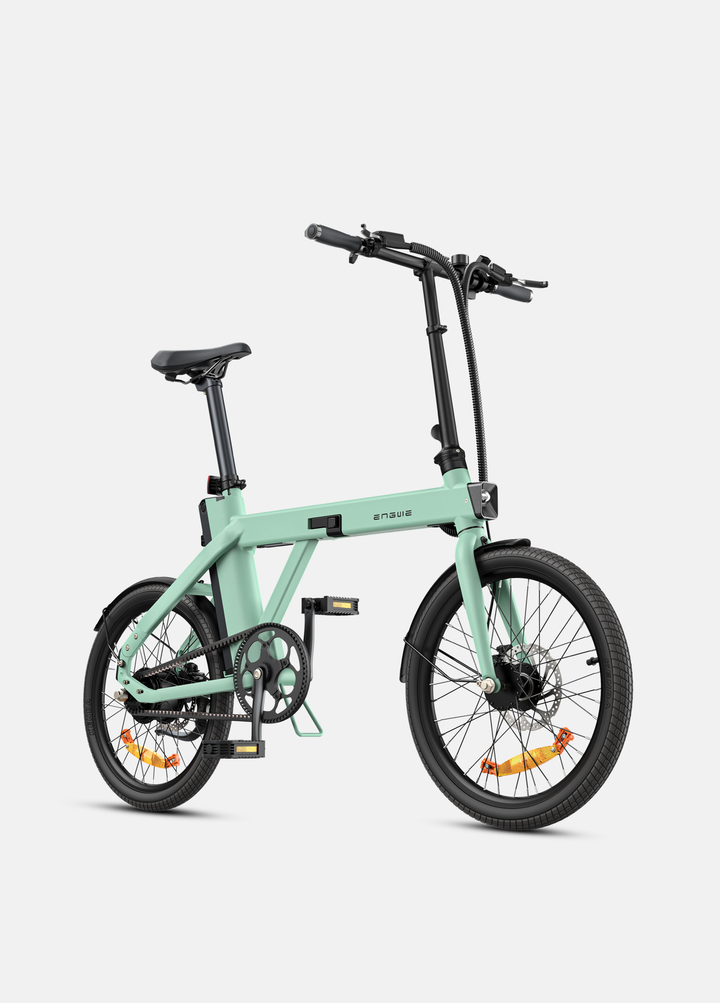
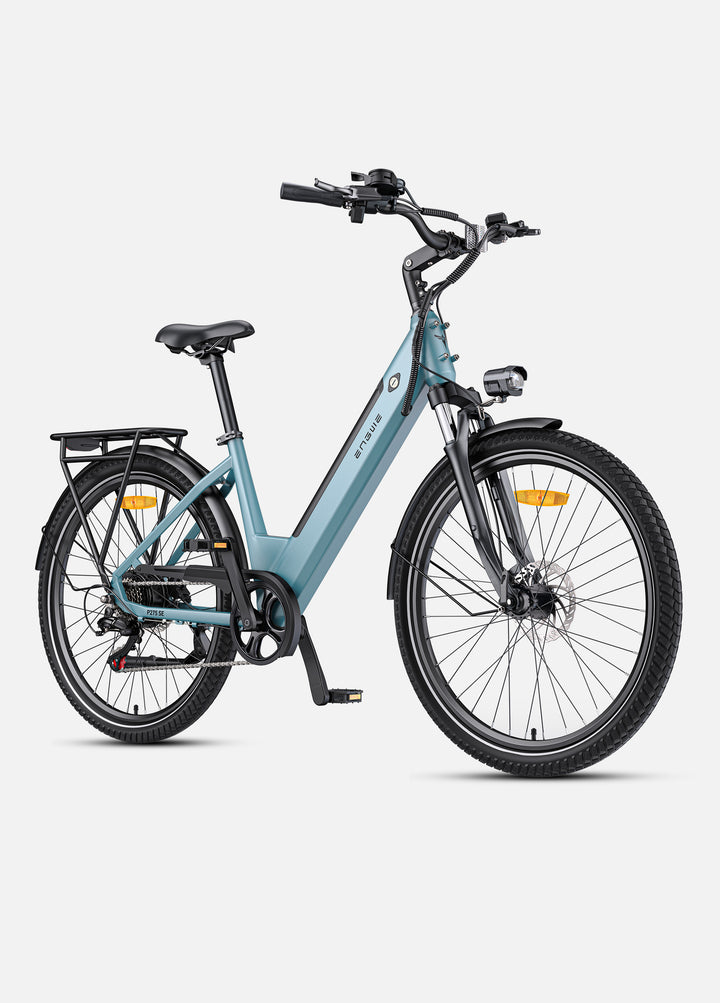
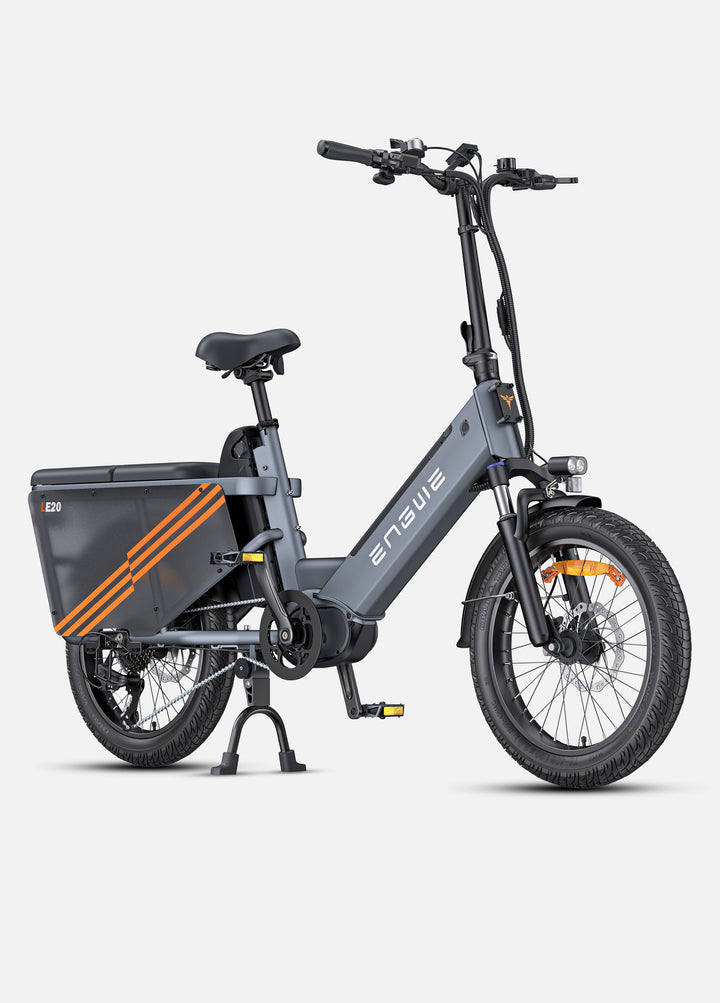
Suffering from neck pain, wrist pain, or lower back ache after riding your Electric Bike? Low handlebars are usually the culprit, because that puts you in an aggressive and uncomfortable position. It's also one of the simplest ways to make a big difference in how you feel while riding; it makes everything just a little more comfortable and a lot more badass. This guide is designed to serve as a safe, intermediate-level way for you to make physical adjustments that can meet your need for an ideal fit of your e-bike.
1. The Ergonomic Imperative: The Why and When of Handlebar Rise
Before you reach for any tools, it’s critical to have an understanding of the ergonomics of handlebar height. The right position helps distribute your weight, lessens the amount of pressure on key joints, and makes things safer in general. Bad ergonomics can result in temporary discomfort and even long-lasting harm. Acknowledging the signs that you need an adjustment is step one on your way to a much better ride. It's not just comfort; it's sustainable and healthy cycling. The difference only a few millimeters can make to the comfort of your ride, even over short distances or long hauls, is amazing – taking bumps from punishing to pleasure!
You May Need To Be Adjusted If:
- Numbness and Tingling: Numb hands and tingling fingers are a classic sign of too much pressure on the ulnar and median nerves in your wrists.
- Neck and Shoulder Pain: A persistent dull ache in your upper back, shoulders, or neck is a sure sign that you’re probably too stretched out and supporting too much weight with your upper body.
- Lower Back Strain: If you’re leaning too far forward and your lower-back muscles have to work harder than they were built to, it can cause a great deal of discomfort.
- Reduced Visibility: If it seems like you can’t easily see without craning your neck forward, your riding position is too aggressive for relaxed riding and dangerous in traffic.
Importance of Good Handlebar Positioning:
- More Comfort: The first item here. A more upright position relieves pressure on your hands, wrists, neck, and back.
- More Control: An ever-so-slightly more upright position increases visibility and gives a surer, more settled feeling when you're in motion at lower speeds.
- Better Posture: Optimal handlebar height induces a neutral spine, which is healthier over the long term.
- Longer rides: Distance isn't the only thing that matters, but when you're comfortable, less fatigue means more fun and a better overall experience on your e-bike.
2. Pre-Adjustment Readiness – Locating Your System and Tooling Up
E-bikes are not created equal. Before you can do any fine-tuning, you need to identify what handlebar stem system your bike uses. The two most widely used options are Quill stems and Threadless stems (or A-Head stems). Trying to adjust one type the way you would the other will just mess it up, or maybe damage your bike. You just need to check them visually. There are specific tools you will need to do the job, and once found, it’s time to start figuring out exactly what you’ll be needing. The wrong tools can strip bolts and, more seriously, compromise safety. This stage of preparation is the one that you really need to focus on to make everything else go as easily as possible.
Finding Your Stem Type
Use this table to find your system.
| Feature | Quill Stem | Threadless (A-Head) Stem |
|---|---|---|
| Looks | One bolt on top facing the sky, with the stem body dropping into the frame's headtube. | Two horizontal bolts on the back that clamp around the steerer tube, and an upper cap with one bolt. |
| Common On | Older bikes, cruisers, and some comfort-oriented hybrid e-bikes. | Modern hybrids, mountain bikes, road bikes, and most e-bikes. |
Essential Toolkit:
- Metric Allen Wrench Set: The most important tool. Common bike bolts use 4mm, 5mm, or 6mm sizes.
- Torque Wrench: This is a really important safety tip. Exceeding recommended torque can damage components, while riding with untightened bolts can cause handlebars to come loose or even fully detach. A torque wrench keeps you within the manufacturer’s recommended torque specifications when tightening bolts. It's a wise investment for any DIY cyclist.
- Grease: Apply a little bit of grease to all bolts and the bottom of the stem to prevent seizing or corrosion.
- Measuring Tape: To document your initial handlebar height, so you have a reference point.

3. The DIY Technique: How to Adjust for Safe Adjustment
Now that you know your stem’s type and have the necessary tools, it is time to make that adjustment! Please follow the instructions for your system exactly. A crucial point to make with both types is to check your cable slack before you start. Confirm that your brake and shifter cables are long enough to accommodate the new, higher position of your handlebar. If they’re too short, they can become dangerously tight when turning. If your cables are too short, they must be replaced by a professional.
When a Quill Stem Needs to be Raised:
- Release the Center Bolt: With an Allen wrench, rotate the bolt at the top of the stem counter-clockwise. Unscrew it by a few complete turns.
- Free the Wedge: The bolt may move up, but the stem can remain immobile. If so, gently tap the top of the loosened Allen bolt with a mallet to free the internal wedge holding it in place.
- Adjust Height: Twist and pull the handlebars up or push down into the desired position. NOTE: Do NOT lift the stem beyond the "Minimum Insertion Line" marked on its shaft. This line must remain inside the frame for safety.
- Straighten and Tighten: Align the handlebars with the front wheel. Tighten the center bolt to the manufacturer's specifications.
How to Raise a Threadless Stem (With Spacers):
- Loosen Stem Bolts: Start by loosening the two horizontal bolts on the rear of your stem that clamp it down to the steerer tube.
- Top Cap Removal: Use an Allen key to remove the bolt and top cap from the top of your stem.
- Swap Spacers: Remove the handlebars and stem assembly from the steerer tube as a single piece. If you have spacer rings on top of your stem, move them from above the stem to below it. This will raise the height of the stem.
- Re-install and Pre-load: Reinstall the stem over the new spacer arrangement. Re-install the top cap and bolt. Tighten the headset top cap bolt just enough to eliminate any play or wobble in the headset (the fork should not knock back and forth), but no tighter, as steering will feel stiff. This "preloads" the bearings.
- Align and Torque: Line up the handlebars with the front wheel, then torque down your two side stem bolts to the manufacturer's specifications. This is what keeps everything in place.
4. Pro Solutions: New Components For The Tallest / Most Comfort
Your stock stem doesn't quite cut it, does it? If you've moved all of your spacers or are at the minimum insertion line but still need more height, it's probably time to look at new components. This is a great way to personalize your ride even more! The two best upgrades you can make are getting an adjustable stem or swapping to riser handlebars. These are widely available and will give you a big increase in height, together with a more swept-back, comfortable hand position that makes your e-bike a veritable long-distance comfort machine.
Best Upgrade Parts:
- Adjustable Stems: These stems pivot and permit you to change the angle of the stem, which changes how far forward and how high it will sit. Trusted brands like Ergotec and Ritchey offer easily adjustable options to suit all budgets.
- Stem Risers/Extenders: These are extensions that fit on top of your steerer tube, specifically for threadless systems, greatly raising the handlebar height. They are an inexpensive way of getting a very upright riding position.
- Riser Handlebars: Change the handlebars themselves instead of the stem. Riser bars have a rise built into them and can usually be spotted by their significant back-sweep towards the rider. PNW Components and RaceFace are popular brands known for their quality and variety of shapes.
What to Look for if You're Upgrading
- Check Component Diameters: This is the most essential step. Be sure to compare the clamp diameters of your new stem or handlebar with those of your current components. The two most popular sizes are 31.8mm and 25.4mm. Purchasing the wrong size is a common, frustrating mistake.
- Think About Material: Aluminum is the norm, providing an excellent blend of strength and cost. Carbon fiber is lighter and dissipates vibration but is more expensive.
- Consider Cable Length: Keep in mind that raising your handlebars significantly will likely require longer brake and shifter cables/housing.

5. ENGWE Solution and Final Post-Adjustment Safety Structure
For a seamlessly integrated, guaranteed compatible upgrade, there's simply no replacement for components from your e-bike’s own manufacturer. ENGWE owners are in for a treat, as the brand is committed to rider comfort, offering a great selection of components that make their E-Bikes stand out in terms of both performance and appearance. Genuine ENGWE accessories guarantee perfect fitment and are designed to maintain your e-bike's integrity and style. They are produced with the same regard for detail and precision quality as the e-bike itself. This eliminates the guesswork and compatibility headaches you can experience with third-party components.
Perfect-Fit ENGWE Upgrade:
- ENGWE Adjustable Stems: Specifically designed for ENGWE models, these provide the option to have your bike fit an aggressive or fully upright position with a simple adjustment.
- ENGWE Ergonomic Handlebars: Switch to handlebars with a more comfortable angle and sweep, an excellent design for long-term riding that can certainly minimize wrist and shoulder fatigue.
-
Official ENGWE Accessories:
 ENGWE Accessories
Official ENGWE Accessories: Click here to find a rich variety of accessories.
Buy NowDig through their entire back-catalog for the only parts you'll need to make your bike complete.
The Mandatory After-Adjustment Safety Checklist:
- Full Bolt Check: Triple-check that all bolts (stem and top cap) are torqued to the proper specification.
- Brake and Shifter Function: Squeeze your brake levers and shift through all your gears to make sure the cables move freely and that everything is working correctly.
- Cable Binding Test: Turn the handlebars to their full lock position to the left and right. Look for any cables that pull tight, stretch, or are pinched. This is an important safety check.
- Test Ride: Go for a short, slow, safe ride to ensure everything feels right and is solid and tight before going on an extended ride.
Q1: How high is too high for my e-bike handlebars?
A: You are technically limited by your cable length and, on a quill stem, the minimum insertion line. Ergonomically, if your steering feels unstable or has too much play, you have likely raised your bars too much. While comfort is key, stability and control should not be compromised.
Q2: If I raise my handlebars, will my e-bike go slower?
A: Yes, sitting more upright (i.e., being less aerodynamic) may result in slightly more wind drag at very high speeds. But for the majority of riders, the enormous comfort and endurance gains more than make up for the slightest loss in top-end speed.
Q3: Can I do this since I'm not a mechanic?
A: Absolutely. Adjusting handlebar height is an excellent entry-level DIY project for any cyclist. By following this guide, using the correct tools (especially a torque wrench), and performing the final safety checks, you can complete this adjustment safely and confidently.
You now have the tools to customize your e-bike’s fit to be in perfect harmony with your body.