Choosing Your E-Bike: DIY Kit vs. a Complete ENGWE Bike
Converting your standard bicycle into an Electric Bike with a rear hub motor conversion kit takes just a few hours and it's easy to do. This guide sifts through the noise to serve up our researched recommendations for the best motor-and-battery pairings. We will check out the most important considerations in how to choose a kit, from absolute power and battery life to installation compatibility, so you can be sure that you’re putting your money into a bundle that elevates your bike and no less than matches your riding aspirations.
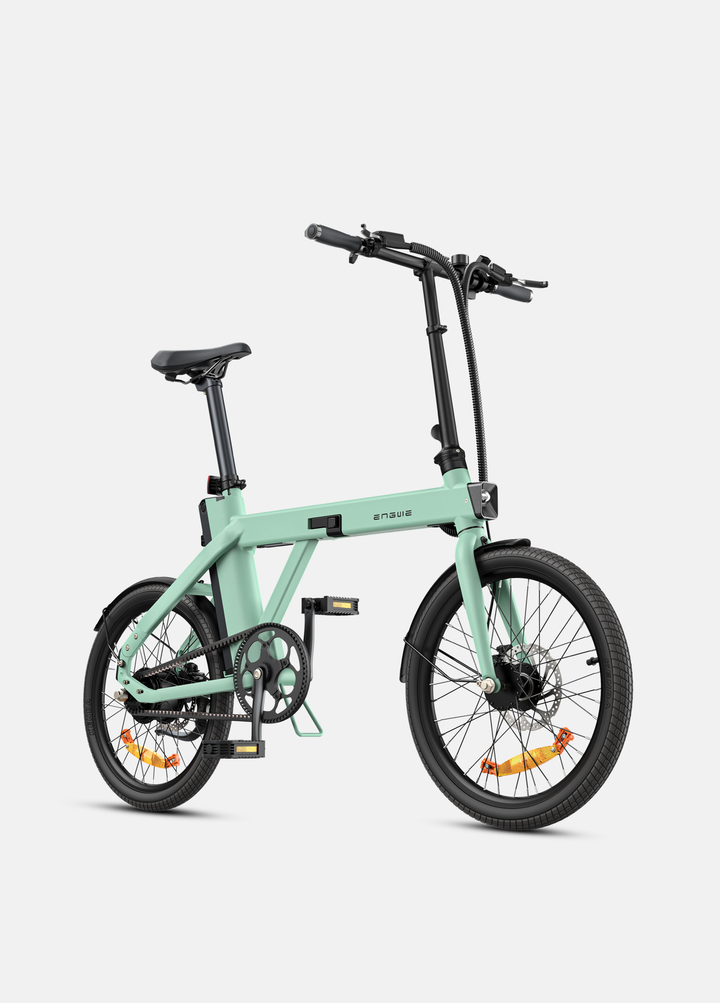
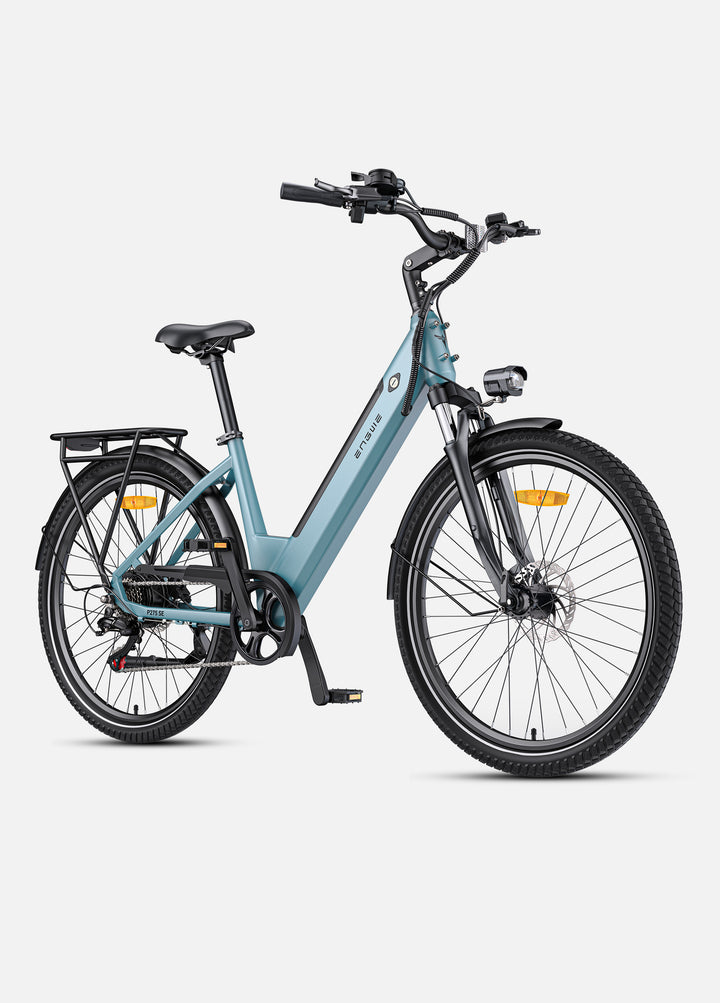
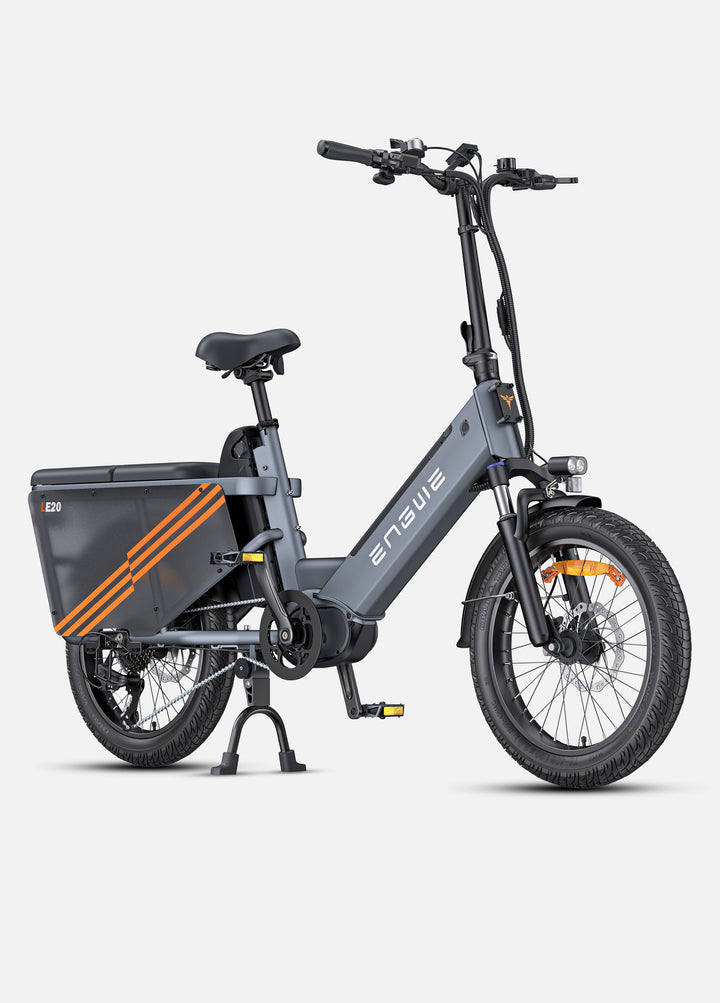
Although DIY conversion kits are a serviceable and popular option, we have to start first by acknowledging the ultimate solution for a smooth and trouble-free ride: an amply built ENGWE e-bike. Opting for the hassle-free complete e-bike offered by a dedicated brand such as ENGWE takes the guesswork and uncertainty out of DIY. What you get is a fully integrated system where all the components – the motor, battery, interface, and frame – work together in perfect harmony. This factory-grade install guarantees maximum safety, peak operation, and pay-off for the long haul. ENGWE bikes are known for powerful motors and strong torque which will conquer the steepest hills and batteries that last many miles so you can explore more between charges. Add in the peace of mind offered by a full warranty and great customer service, and you have an unbeatable value when ordering your parts.
Why a Whole ENGWE Electric Bike is Frequently the Better Option:
- Seamless Connectivity: Each part is crafted to work perfectly together; from the controller, display, and housing, everything is kept in line.
- Professional Build & Safety: Professionally assembled and tested. Safe riding = Enjoyable riding!
- Optimized Performance: The frame geometry and component selection are optimized to handle the increased kinetic energy (weight and speed) that a motor adds to the equation.
- Warranty and Support: You are backed by the manufacturer's lifetime warranty and expert technical support for as long as you own the device.
- Aesthetic Integration: The battery and motor are integrated into the frame for a clean, professional look that DIY kits don’t offer.
Check out ENGWE’s selection of expertly made e-bikes and accessories for a complete, ride-ready setup. ENGWE Official Accessories: Please click to see a variety of options.

DIY Route: Understanding Motor Performance
For those who are dedicated to the do-it-yourself route, knowledge about motor performance is of utmost importance. At the core of a kit is the engine, and its features directly correspond to how you will experience your rides. Wattage (W) is the most prevalent indicator; it measures the motor's power. 500W is perfect for commuting and medium hills; 750W and above means you can get up to speed in a hurry and take on some serious gradients. But arguably more important is the torque, which comes in Newton-meters (Nm). The torque is probably even more relevant here, as it describes how well a motor can get off the line and over hills. The bigger the Nm, the better you can climb. In testing, we’ve discovered it’s all about finding a balanced motor: A high-wattage one with low torque can feel sluggish on hills. Find kits where the motor is well-matched with the controller to transmit power efficiently.
Best Rear Hub Motor Kits for Performance Tested on the Top:
- Bafang 750W Geared Hub Motor Kit: An iconic option, this kit is beloved for the incredible mix of power, torque, and reliability. It’s good for the hills and has a tight get-up-and-go, which is why many riders love it. It also usually comes with a top-notch controller and various display choices.
- Ebikeling 1200W Direct Drive Hub Motor Kit: This direct-drive motor is for power-lovers who want a rush on flat surfaces. It’s also quieter than most geared hubs at high speeds and can be set up to have regen if you buy the right controller. That said, its low-end torque is not as impressive as a gear-driven hub.
- Voilamart 1000W Rear Wheel Kit: This is a great entry-level suggestion for anyone who wants maximum power without sacrificing on price. It’s a bit heavier and less precise than the top brands, but you can't argue with its rated power output, and if your priority is stripped-down or go-fast designs, this model is perfect for that application.

Battery and Range: Powering Your Ride
A sexy motor is nothing without a respectable battery. The battery and its management system are critical elements that control the range, lifetime, and safety of your electric bike. The main specification is the battery's energy capacity, measured in Watt-hours (Wh). You can work this out by multiplying the Voltage (V) by Amp-hours (Ah). For instance, a 48V 13Ah battery is able to pack 624Wh of power. The higher the Wh, the farther it can potentially go. 500Wh is generally acceptable for daily commutes of 10-15 miles, but if you do more mileage or lots of full-throttle use, then look to 700Wh and above. The cells within the battery pack are of equal concern. Compare options by price and capacity, but always opt for models that use cells from well-known manufacturers (Samsung, LG, Panasonic, etc.) – these will provide better performance and safety as well as a longer lifespan.
Key Battery and Range Considerations:
Official ENGWE Accessories: Click here to find a rich variety of accessories.
Buy Now- Cell Quality: Don't skimp on the quality of your cells; use only brand names. They charge better, and they degrade more slowly over time than generic cells. This is an important part of long-term investing.
- Capacity (Wh): Honestly calculate how far you need to go each day. There is no point in buying more capacity than you need (namely, overpaying for the weight of an unneeded reserve).
- Form Factor: Select between a downtube-mounted battery for balanced weight distribution or a rear rack-mounted battery for easy mounting to a wide range of frame types.
- BMS (Battery Management System): Do not settle for anything less than a top-quality BMS. It keeps the battery from overcharging, over-discharging, and overheating to ensure safety and its service life.
| Volts (V) | Ampere Hours (Ah) | Watt Hours (Wh) - Total Capacity |
|---|---|---|
| 36V | 10Ah | 360Wh |
| 48V | 13Ah | 624Wh |
| 52V | 17.5Ah | 910Wh |
Compatibility Check: Will It Fit Your Bike?
Before you buy a kit, be sure it is compatible with your bike. It’s a small investment in time that can preserve your sanity. The single most important measurement is rear dropout spacing — the distance between the inside edges of the frame that support a wheel’s axle. The vast majority of rear hub kits are 135mm, and that is what most receivers use these days. Most modern mountain bikes or hybrids use the 135mm standard. Roadies could be more narrowly spaced. You can use a ruler or calipers to measure it exactly. Then make sure the kit is compatible with your wheel size (26", 700c, 29"). The simplest method of installation is probably to buy a kit that has the motor pre-laced in a new rim. Finally, check your brake system. The majority of kits are for disc brakes, though plenty can also be used with V-brakes, or rim brakes.
A Pre-Purchase Compatibility Checklist:
- Check Rear Dropout Spacing: Make sure it matches the kit spec (it should be 135mm).
- Determine Wheel Size: Purchase the kit that best matches your bike's wheel diameter.
- Verify Brake Type: Make sure your disc brake caliper will mount to the hub (6-bolt) or that the rim is compatible with your rim brakes.
- Check Frame Material: Most aluminum and steel frames will be okay, but use caution on carbon fiber frames. They may not be built to withstand the clamping forces and torque of a hub motor.
- Pro Tip: Always purchase an integrated package from one supplier. Now, getting the motor, battery, and controller on your own may seem more cost-effective, but it often creates nightmares in terms of compatibility. A proven package is guaranteed that all the items work together safely and effectively.

Final Touches: Electronics and Features
The last one to check is the features and electronics of your kit, which set the tone of your user experience. The controller is the “brains” of the system, controlling input power from the battery to the motor. Sine wave controllers are a little more expensive but provide much smoother and silent operation than the common square wave controllers. A display unit acts as your speedometer, exposing necessary details such as speed, battery life remaining, distance traveled, and PAS selection. A nice LCD screen is a huge quality-of-life improvement over the basic LED indicator. PAS is available in two styles: cadence sensors, which deliver power based only on pedaling speed, and torque sensors, which add power depending on how hard you're pushing the pedal. With the use of torque sensors, you can experience a much more humanized and natural cycling.
What to Look for in an Essential Kit:
- Display: You’re going to need a read-out that you can actually see in full sun, so one with a backlit LCD is a necessity.
- Pedal Assist Levels: Get a kit with 5+ PAS levels to have the options of fine-tuning your power input and battery conservation.
- Throttle: The twist-grip or thumb throttle offers on-demand power with no need to pedal.
- E-brakes: Handlebar levers with built-in sensors to immediately cut motor power when you apply the brakes. This is an important safety factor.
- Walk Mode: Ideal extra dragging power for when you need to walk up a steep ramp or hill.
What Is The Key Point To Select The Rear Hub Conversion Kit?
Of course, it all depends on a balanced bundle where the motor power, your range's capacity, and the quality of the controller match your riding requirements, terrain limitation, and wallet!
Will a kit fit on any bike?
Not always. First, you need to make sure of the compatibility; please measure your rear dropout spacing and confirm whether it fits with what we provide. Then confirm if it is compatible with which size of wheel as well as the type of brake.
Is a DIY kit less expensive than a full electric bike?
Although a kit starts life with a lower price, as we detailed in our bikes and kits section, in the long term one of these factory-assembled electric bikes (being an ENGWE brand or others) usually offers more value for the money due to its complete, professional assembly, welds and joints done by manufacturer standards, warranty, and whole system reliability.
Go with the right pack and your ride will be transformed, a whole new world of cycling thrown wide open.