Turn Your Bicycle into an E-bike
Turn your regular bicycle into an e-bike by fitting this kit to it. Rear wheel conversion kits are even more common, giving you great traction while the bike remains well balanced. But the market can be overwhelming. This detailed guide will make the process effortless as it outlines key tips in finding the perfect rear wheel ebike conversion kit, so you can have confidence that you’ll be investing in a system that is ideally suited for your bike, budget and biking style.
Choosing the Right Motor
The motor is the heart of all electric bike conversions, regardless of how intricate you would like to go. The power and design of the motor will have a direct influence on your ebike’s speed, hill-climbing ability and even feel during biking. For a rear wheel kit, the main choice you’re making is for a hub motor that comes pre-installed into the wheel. It’s important to evaluate your needs honestly; a high-powered motor may look attractive but can be illegal in your area and will quickly massacre the battery. It is important to make the right decision here so that your new electric bike rides and handles just how you want it to.
Motor Type:
Geared hub motors are more compact and lighter in weight, with greater torque for climbing hills. Direct drive hub motors are more simple, quieter, and can provide regen braking; but they are heavier and may have some drag when unpowered.
Power (Wattage):
A higher wattage is the best predictor of power.
- 250W-500W: For commuting, fitness riding and sticking to street-legal limits in many areas. Great for flatter surfaces and lower hills.
- 750W-1000W: A very powerful level for a fast commute, exhilarating speed and confidence while climbing. Widely regarded as the maximum for on-road use.
- 1000W+: For off-road use or very high-performance race applications where there is a need for higher speed and raw power. Always check local regulations.
Voltage:
The majority of kits run on 36V or 48V systems. A 48V system will get better performance out of a given number of watts and "feel peppier" than an otherwise similar 36V system with the same wattage rating.
Understanding the Battery
Your battery is the fuel tank of your ebike and dictates how far you’re able to travel with one charge. Its importance should not be underestimated; skimping on the battery is a mistake that many people make and most end up disappointed. The most important stat to pay attention to is Watt-hours (Wh), because this will give you the most accurate value of literal energy capacity. You can calculate it by just multiplying the Voltage (V) of the battery with its Amp-hours (Ah). The greater the Wh, the longer the corresponding potential range. Other than capacity, think about the physical shape of your battery and where it's mounted on the bike as well - both for looks (if you're into that) and for weight distribution, which can affect handling.
Capacity and Range:
500Wh can give a realistic range of over 25-50 miles based on terrain, the weight of the cyclist and the level of assistance.
Mounting Style:
- Rear Rack: It's easy to put on and take off, but carrying weight up high and far back can make the bike less fun to ride on bikes with relatively short top tubes.
- Downtube (Bottle Mount): This is the recommended style since it keeps the weight lower and centered, although it will not fit into some bottle cages.
Cell Quality:
This is so important for safety and life span. Look for kits that say they are using quality cells from known suppliers such as Samsung, LG and Panasonic. These cells are high quality and provide better performance, a longer life cycle and are many times safer than no-name generic cells.

Ensuring Kit Compatibility
Nothing halts a D.I.Y project faster than an ill-fitting part. Before you even click “buy,” you also need to ensure the conversion kit will physically fit your bicycle frame. This step involves a small bit of measuring and checking, but it’s the most important part of this whole process. It will only take 10 minutes to measure your bike, and it can save you hours of frustration AND return shipping. The rear dropout is the dimension that matters most because this is where the wheel axle needs to fit snugly. Mismatched brake types or rim diameters are also typical gotchas that can be easily circumvented with a little planning.
Dropout Spacing:
This is a measurement of the width between the inside faces of the frame that house the rear wheel axle. Measure it with a ruler or calipers. Most typical bikes with quick-release skewers take a 135mm rear spacing.
Wheel Size:
The kit wheel size (26", 27.5", 700c, 29" etc.) must be equal to the original wheel size that fits the bike. It’s typically printed on the sidewall of your tire.
Brake Compatibility:
You need to know whether your bike’s brakes are disc or rim. If your bike has disc brakes, the hub motor on the kit you’re installing must be able to fit six-bolt or center-lock mounting holes for a brake rotor.
Freewheel vs Cassette:
You will have to transfer your rear gears onto the new motor wheel. Kits are compatible with a screw-on freewheel or a slide-on cassette. Just be sure that the system your bike currently has is compatible with the kit you purchase.
| Compatibility Check | Universal Standard… For The Most Part | How to check? |
|---|---|---|
| Rear Dropout Spacing | 135mm (Quick Release) | Measure the internal gap between frame dropouts. |
| Wheel Size | 26", 27.5", 700c, 29" | Look at the sidewall of your tire. |
| BRAKE TYPE | Disc Brake or Rim Brake | Look at your bike's braking system. Rim brakes have pads that squeeze the wheel rim. Disc brakes have a rotor attached to the wheel's hub with a caliper that grips it. |
| Gear Type | Screw-on (freewheel) or Slide-on (cassette) | Identify if you have a freewheel or cassette. Online videos can help distinguish them. |
Brands, Ecosystems, and Accessories
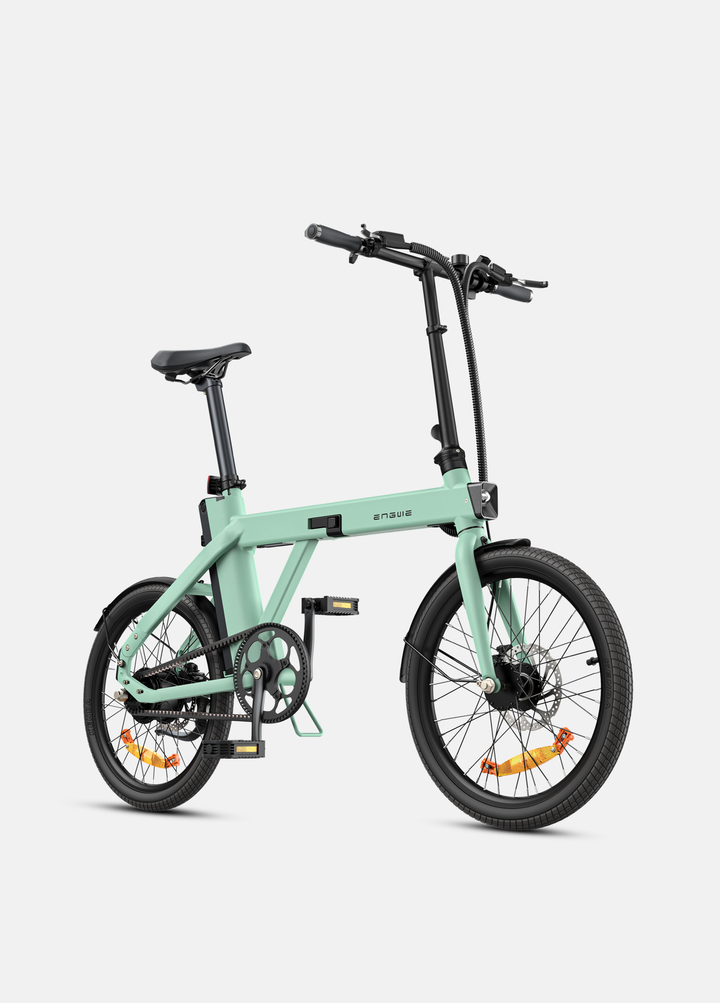
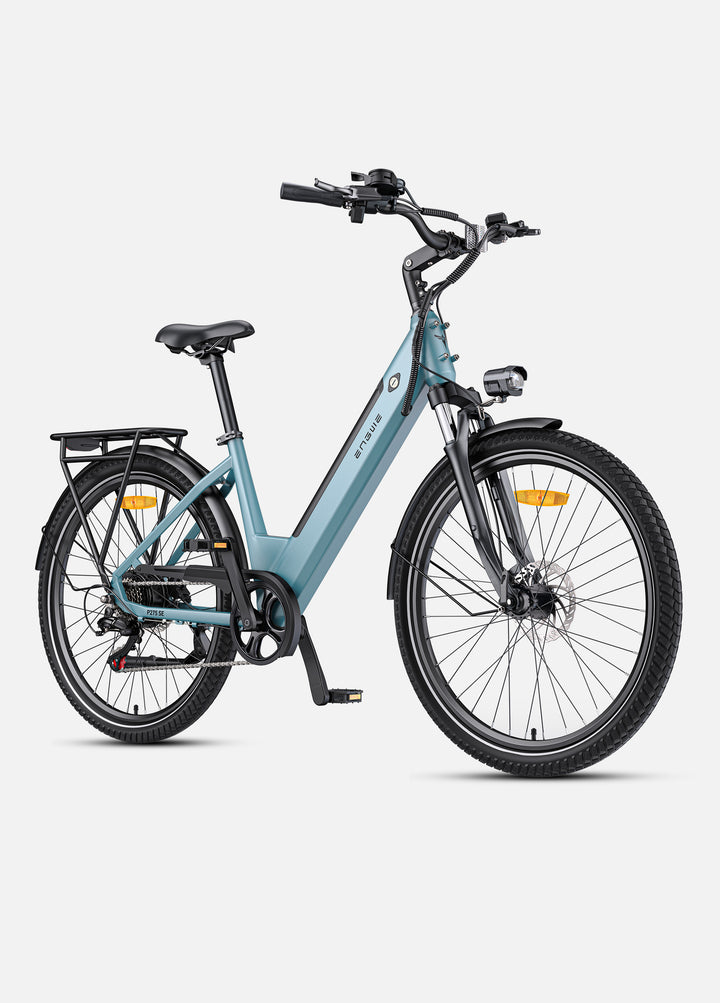
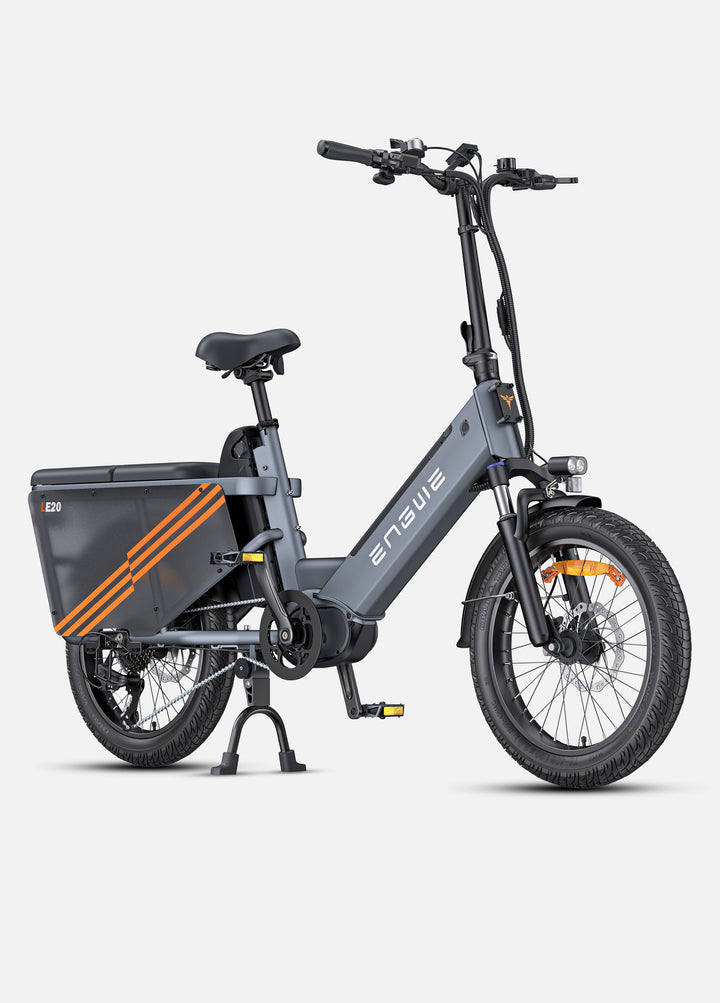
As great as a DIY conversion is, you can't beat the quality and reliability of parts from an established ecosystem. For riders that appreciate heavy-duty construction and smooth performance, a brand like ENGWE should be on the list. Although best known for their powerful e-bike drivetrains, they also take quality seriously when it comes to components. For them that have upgraded a bit with a new DIY build, ENGWE does an incredible line of official accessories which can turn any electric bike really psycho. Plus companies are focusing more on integration or offering a dedicated battery and rack option. That’s a smart move to make sure critical aspects of your custom build can meet the highest standards.
Official ENGWE Accessories:

Official ENGWE Accessories: Click here to find a rich variety of accessories.
Buy NowPlease search "engwe official" to find the rich accessories for this product.
- Large Size, High Capacity Batteries: Bigger batteries for extended range and performance from our professionally built battery pack.
- Heavy-Duty Rear Racks: An absolute must for commuters and tourers who will need to transport cargo.
- Comfort Saddles and Grips: Make your ride feel more comfortable for long distances.
Research the following reputable, high-end companies for dedicated rear wheel conversion kits:
- Bafang
- Ebikeling
- Voilamart
- Swytch

Frequently Asked Questions
What would you say is the most important compatibility test?
It’s all about the rear dropout width, without a doubt. The kit is pretty worthless if the motor’s axle doesn’t fit in your frame. Get this measurement first before you do anything else.
Is a cadence sensor better than a torque sensor?
For something that matches your own power more closely and gives you a more intuitive ride, the torque sensor is better. For a less expensive, simple solution that offers an on/off power boost, you may want to go with the cadence sensor.
Do I need a throttle?
It’s not totally essential if you have a PAS (pedal-assist system), but a throttle is handy for getting the bike rolling from a stop, or when you need to rest your legs.
With appropriate planning, you can create an awesome electric bike tailored to your explorer needs.