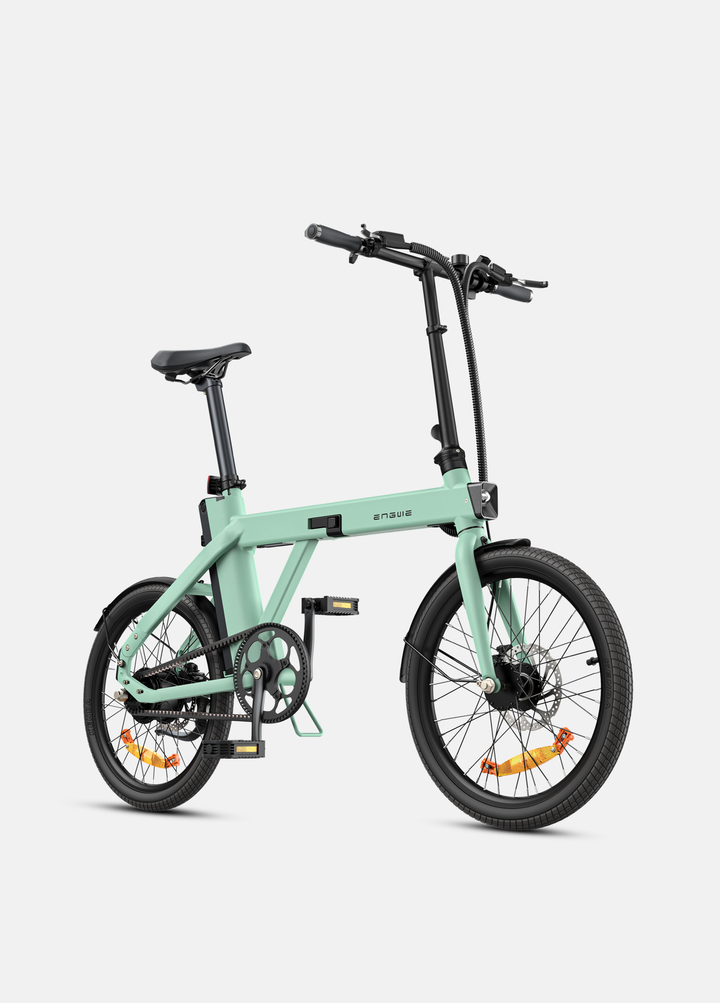
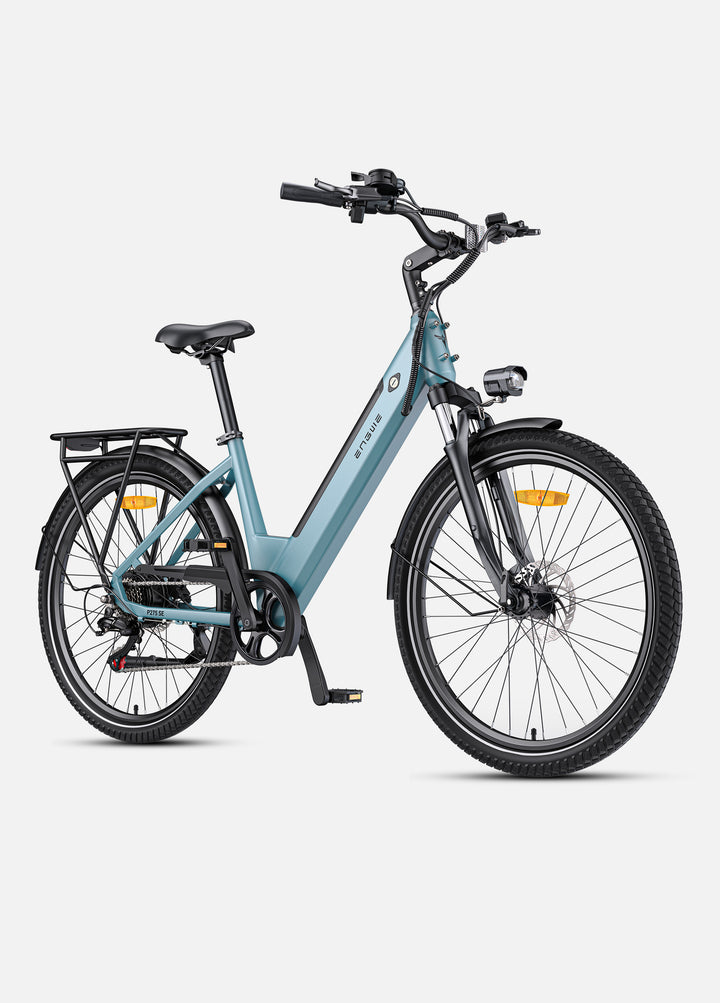
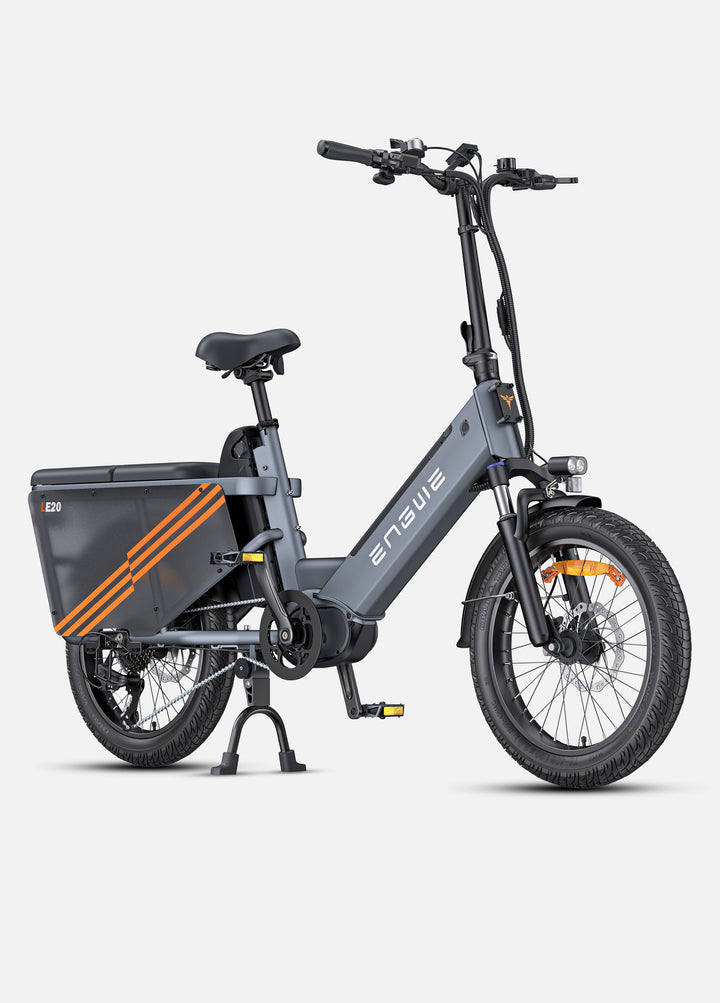
Picking the best mid-drive (or crank-drive) e-bike conversion kit can be one of the most challenging decisions that any e-biker has to make. But the market is saturated with supplements, all of which are incredibly different in their makeup and compatibilities. In this post, we will guide you about five main aspects that you should consider such as understanding the core technology, eyeing technical specifications to get a glimpse of the best power assistance feature, checking for compatibility, inspecting full e-bike solutions, and lastly browsing among the popular DIY kit brands before making your mind up.
Understanding Mid-Drive E-bike Conversion Kits
First, knowing the basic pros and cons of mid-drive systems is essential. Whereas a hub motor powers the wheel directly, a mid-drive motor sends torque through the existing drivetrain (chain and gears). A mid-drive motor is installed at the bike’s bottom bracket, keeping power delivery independent of your wheels. This configuration provides a more organic and stable ride. It’s the best option if you are a serious cyclist who wants to feel what road performance is, especially on mixed terrain. An informed decision will take into account these fundamental aspects.
Key Pros of Mid-Drive Motor Systems Are:
- Unmatched Hill Climbing: Get amazing hill-climbing power for the steepest inclines using your bike's existing gears to keep your RPMs in the optimal range.
- Natural Ride Feel: When power is put in, it gives a smooth 'super strong legs' feeling. A torque sensor, found on most mid-drives, adjusts how much power the motor delivers to match your pedaling input for a natural sensation.
- Balanced Weight Distribution: The central and low motor location provides an excellent riding experience for the bike. Its center of gravity is lower than many battery-situated e-bikes, for efficient handling.
- More efficient: Typically, these motors are more efficient, giving more range from a battery of the same size.
Points to Consider:
- Higher Cost: Mid-drive kits and complete e-bikes are usually more expensive than hub-drive systems.
- Worn-out Drivetrain: More power means more stress on the chain, cassette, and chainrings, necessitating more maintenance and replacement.
- Complex installation: Setting up a kit involves taking out your bottom bracket and can be more technical compared to the process of installing a hub motor wheel.
Decoding Technical Specifications
Once you've determined that a mid-drive is what you want to invest in, the next thing to do is look into the tech specs. These figures aren't simply marketing jibber-jabber; they have real-world consequences on your ride's performance, range, and legality. Being well aware of these details will make it certain that the kit you are settling for is suitable for your needs, whether riding for leisure or on rigorous off-roads. What's most important for a future electric bike buyer to know is the relationship between power, torque, and battery size.
Key Details to See:
- Power (Watts): This tells you how powerful the motors are. Strict laws govern use (250W maximum), and more powerful kits (such as 500W, 750W, 1000W+) are limited for 'off-road' use in many areas.
- Torque (Newton-meters, Nm): This is the most important number for acceleration and how well a bike can climb. The higher the Nm value, the more “pulling power” when starting and on hills. For general-purpose use, look for 60Nm+ of power, and on especially hilly terrains, 80Nm or above.
- Battery (Volts and Amps): V means the system power; Ah is used as a capacity of electricity. Multiply them, and you get Watt-hours (Wh), the most literal total energy figure for potential range. One cyclist could sacrifice range for another: a 48V 15Ah battery (720Wh) gives far more distance than a 36V 10Ah battery (360Wh).
- Sensor Type: This is the big differentiator. A Cadence Sensor gives you power during pedaling even if the effort is too low. Torque sensors will measure how much force you’re putting on the pedals and offer assistance accordingly, for a ride that is significantly smoother and more intuitive.
| Parameter | What It Means | What to Look For |
|---|---|---|
| Power (W) | The constant power output by the motor. | 250W for EU road legal, 500W+ for off-road thrills. |
| Torque (Nm) | The twisting force; needed for hills & to pull away. | 60-80Nm for city/touring; 90Nm+ for steeper terrain. |
| Battery (Wh) | The total energy storage of the battery (Voltage x Ampere-hour). | 400-500Wh for standard range; 700Wh+ for long-range. |
| Sensor Type | The way that the motor senses your pedaling (Cadence vs. Torque). | Torque sensor for a smooth, natural feel while you ride. |

Considering a Full E-Bike Solution: The ENGWE Advantage
Sure you can make a so-called DIY kit, but it'll never be as polished or tuned-up as a full-featured mid-drive e-bike. This is where ENGWE comes into play as a brand. Instead of stressing over compatibility and component integration, you get a purpose-built machine where every part works perfectly with the other. The ENGWE L20 3.0 Pro is one of the best examples we have of this mindset in a foldable eBike (pricing ranks high, too), and it offers features you'd be hard-pressed to see a kit replicate with any degree of satisfaction. The Strike is engineered to be the top of its class performance electric bike built for the solar eclipse as there are very few of its kind in the United States, a high-speed, high-performance beast.
Why Opt for an All-in-one Package like the ENGWE L20 3.0 Pro: Solidity & Warranty!
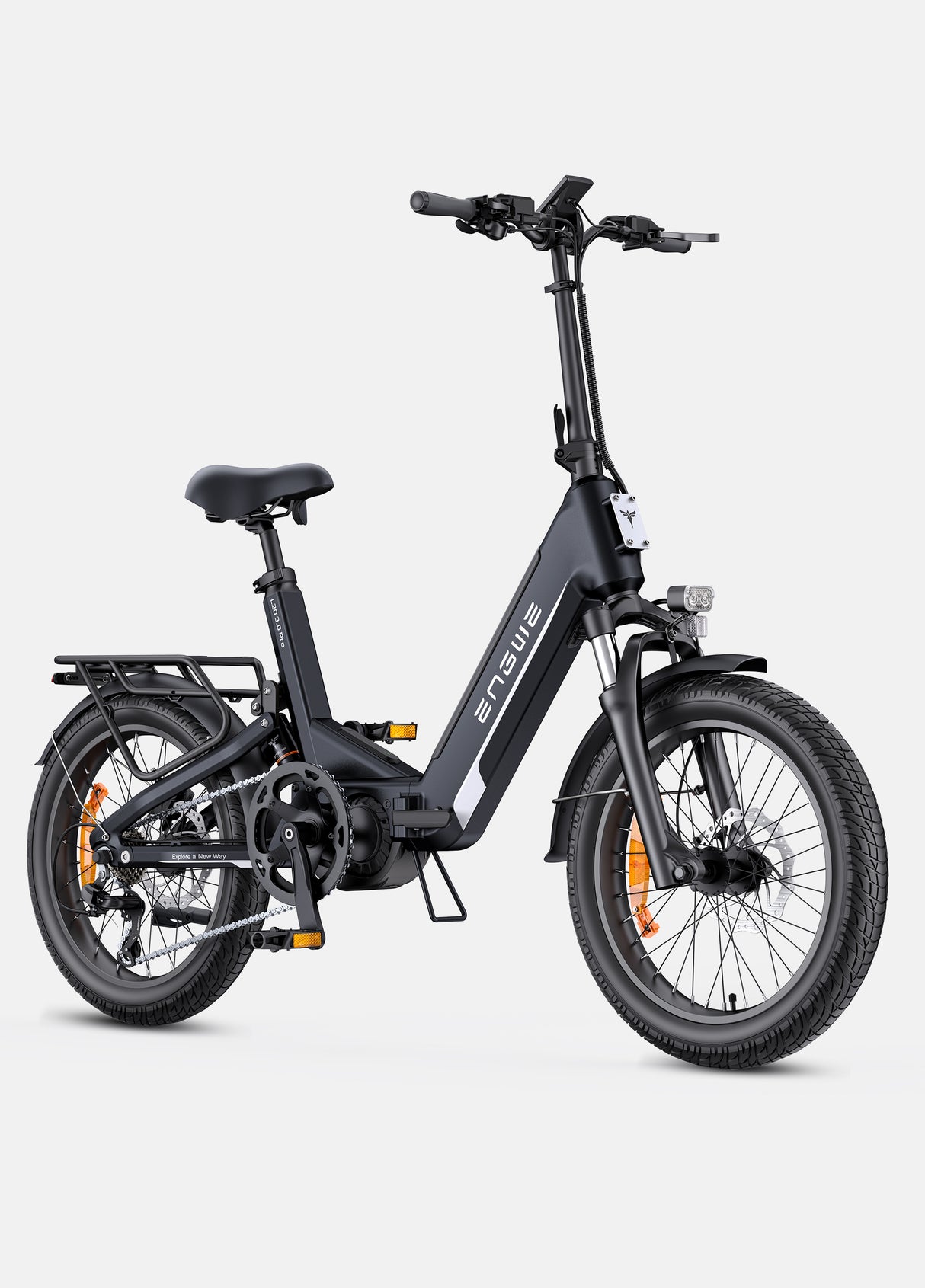
- Optimized Performance: The MIVICE X700 250W mid-drive motor provides the perfect amount of power and torque, allowing for powerful and smooth acceleration.
- Long Ride (Big) & Fast Charge: It comes with a large capacity 720Wh Samsung battery that gives an amazing range of up to 160km. And with 8A fast charging, downtime is kept to a minimum.
- Unrivaled Comfort: The first compact e-bike with a suspension, it provides a vibration-free, smooth ride thanks to the high-volume 20" x 3.0" anti-puncture tires.
- Advanced Smart Features: The built-in IoT module in ENGWE features smart anti-theft protection with GPS tracking, 4G connectivity & app-based monitoring — features that are seldom offered or found in a DIY setup.
- Best Quality and Warranty: You get a professionally assembled vehicle at a fraction of the competitive cost to custom build your own with spare parts that eventually fail or never meet expectations.

Checking Your Bike's Compatibility for a DIY Kit
Before you even think about what brand of kit to get, there is a crucial compatibility assessment to make with your existing bike. A mid-drive kit also isn't a one-size-fits-all solution; it needs to physically fit your bike's frame. If you get this step wrong, your project will quickly become an expensive, frustrating mess. You will need some basic tools like a measuring tape or a pair of calipers to verify these things. Here’s the most important part of the concept when going DIY—measure twice, order once.
The Checklist of Your Bike's Compatibility:
- Bottom Bracket (BB) Standard: Arguably the most important. The majority of kits are compatible with standard BSA (threaded) bottom brackets, which are 68-73mm wide. If your bike uses a PressFit or some other standard, you might need an adapter, or the system won’t work at all.
- Frame Geometry: Look for clearance above the bottom bracket. A few full-suspension frames or bikes with shaped tubes may have limited clearance between the motor unit and the down tube.
- Chainline: The motor will change your chainline from the front chainring to the rear cassette. A bad chainline can lead to shifting difficulties and shorter life. Refer to the kit’s specs to verify that it will be compatible with your drivetrain.
- Brake Type: Most packages come with levers with integrated motor cut-off sensors. These are usually designed for cable brakes that you operate with your hands. If you have hydraulic brakes, you will need to order different hydraulic brake sensors.

Browsing Popular DIY Mid-Drive Kit Brands
If you have tested that your bike is compatible and want to go down the DIY route, there are a few staple brands in the business. They all hit a slightly different compromise of power, price, and ride feel. These kits have strong communities behind them, so you’ll find plenty of online tutorials and troubleshooting guides to assist you in putting together and maintaining your kit.
Summary of the Best DIY Mid-Drive Kits:
- Bafang (BBS02B / BBSHD): When it comes to e-bike kits, Bafang is the most widely known and popular name. The BBS02B (most common 750W model) is a great all-rounder; the BBSHD (1000W+) is something of an animal for some serious performance action. They are well-regarded for their reliability and monstrous power, but often come with a cadence sensor that feels less polished.
- Tongsheng (TSDZ2): Riders who value a more natural ride feel should consider the Tongsheng TSDZ2. It offers a standard Sinozed hub motor, controlled by your pedal effort using an included digital torque sensor. It’s always less punchy than an equivalent Bafang, but often these systems are more intuitive to use.
- CYC Motor (X1 Pro / X1 Stealth): For those that need top-end, super lightweight, and insanely powerful kits, there is a beast of a motor like the one on the GG I tested! They're more expensive and less simple but deliver an unbeatable power-to-weight ratio — that's why you see them on high-performance mountain bike conversions.
What's the single most important factor in achieving a natural riding feel?
The sensor type. A torque sensor measures your pedaling force and will always give a smoother, more natural (and therefore more intuitive) ride than a cadence sensor, which can only sense when the pedals are turning.
Will I be able to do the installation of a mid-drive kit on my own?
Yes, if you are willing to deal with simple bicycle mechanics (like removing cranks and a bottom bracket). But it needs certain tools and patience, and you’d better have this auto tool to help you on this project, or just take it to a dealer if you aren't sure what you are doing.
Are other fatter kits always better?
Not necessarily. The ideal setup, as usual, is the one that works for you, your bike, and the way you ride. A 1000W kit is a sledgehammer to crack a nut where riding around a flat city is concerned, whereas a torque-sensing 250W unit can be spot on.
With this information, you are now prepared to pick the best mid-drive system for your ride.