Motor Power and Torque
Locating an electric bike that zooms up hills is about much more than simply a big motor; it’s the result of power, engineering and design. All the way from city streets to mind-blowing mountain trails, riders encounter some steep inclines along the way and it is absolutely non-negotiable for your e-bike to be able to seriously climb when needed. This guide demystifies the five key considerations that you need to make, from motor torque and battery voltage to gearing and tire traction, so you pick a machine that makes mincemeat of gradients.
The power of the motor (and, in particular, its torque) is the first and most important characteristic to look at. Although wattage sometimes gets promoted, torque — measured in Newton-meters (Nm) — is the actual measure of hill-climbing power for an e-bike. It is this rotating force that the motor can deliver to get you moving from a stop and also pull you up an incline. The higher the torque value, the more steep hills the bike can climb without losing acceleration. There are two main types of motors you will come across when comparing, and each one has its own climbing behaviour.
Mid-Drive Motors
The Mid-Drive motor is often referred to as the king of hill climbing. Mounted on the bike's cranks, they use the bike's gears. That means you can select a lower gear on your uphill climb, and use the motor at its best (and most powerful) RPM. This is extremely efficient and highly effective for very steep or technical climbs.
Rear Hub Motors
These motors are built into the hub of the rear wheel and create a strong "push" sensation. Although less efficient on the steepest of inclines compared to mid-drives, current generation high-torque hub motors (70Nm+ range) are more than sufficient for most urban and moderate trail gradients. You see them more often on cheaper and more versatile e-bikes.
Key Specifications to Look For
For steep climbs, look for a motor rated at least 65 Nm of torque. One with 75 Nm or more can accelerate really well; even hills that you may have previously scoffed at will suddenly look much easier.
Battery and Drivetrain
Power without an adequate and well-managed energy source is nothing. This leads us to the second dimension: the battery and drivetrain. The V (voltage) and Ah (Amp-hour) rating of the battery, in cooperation with the bike’s gearing system, help keep a consistent performance while climbing hills. Tackling hills is the most challenging aspect of an e-bike’s battery, which is why these details are so important to know in order not to get caught out halfway up a killer climb.
Battery Voltage (V)
Voltage is like the "pressure" of an electrical system. A higher voltage system, usually 48V is more than 36V, and can provide power to the motor more effectively — particularly when loaded as when climbing. This means less heat and better performance, as well as a slightly punchier feel when you ask for power.
Battery Capacity (Ah)
The amp-hour rating is indicative of the battery's fuel tank size. Climbing drains the battery rapidly. A higher capacity (13.5Ah and up) means you have enough range to take down many hills on one ride without worrying about range anxiety.
Drivetrain and Gearing
Think about it like gears on a bicycle; your bike’s gear is a force multiplier. A good drivetrain with Shimano 7-speed or better for lots of gears. Your lowest gear, also known as the “granny gear,” is your best friend on steep hills. It lets you pedal at a comfortable cadence while the motor operates in its sweet spot, to support maximum climbing efficiency.
User Tip
When you are about to go up a big hill, always move into a lower gear before starting the climb. The drivetrain doesn't like it if you shift under load. A lower gear means less work for you and the motor.

The ENGWE EP-2 3.0 Boost
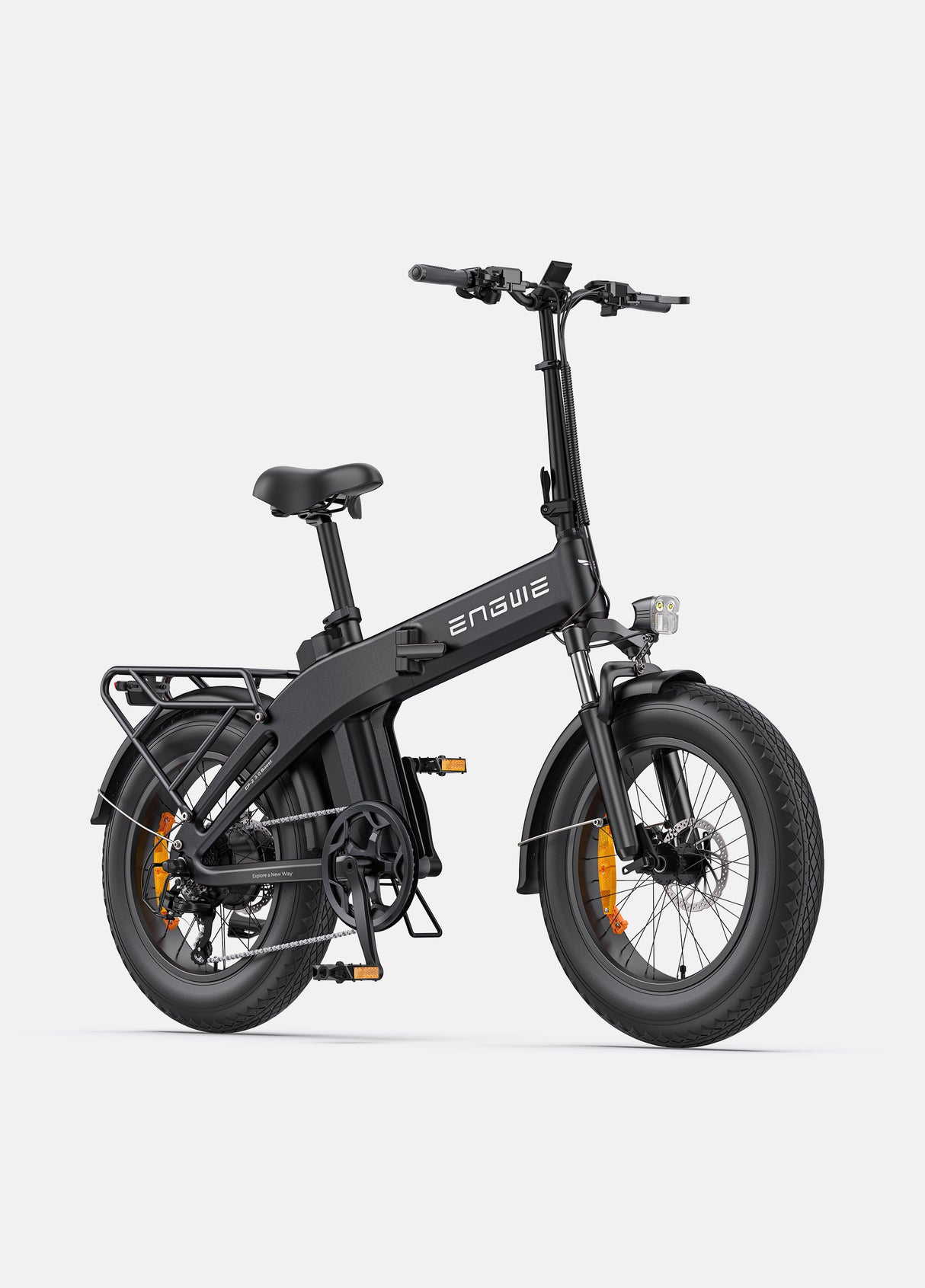
For the adventurer seeking a time-tested hill-rider rockstar that hits all the right spots, nothing compares to the ENGWE EP-2 3.0 Boost. ENGWE has designed this electric bike for all terrains especially when it comes to the power and technology, you won't find elsewhere. It’s a great demonstration of what a strong motor, good design and bulky construction can do when put together you get an insatiable climbing machine. It's of the right size and delivers raw power, easy control and all-terrain capability.

Formidable Motor Power
The engine of the EP-2 3.0 Boost is its motor, which provides an exhilarating 75 Nm of torque in Boost Mode. This huge pulling power being delivered means you can take on steep inclines safe in the knowledge that you won’t be left stalling at low speed.
Auto Assistance and Easy Installation
It presents an upgraded torque sensor that is a great bonus when compared with the average cadence sensor. But the result of its algorithm isn’t information displayed on a screen; it’s your pedaling force translated into an instantaneous, proportional amount of assist delivered by the motor, which helps technical climbs feel smooth and managed.
All-Terrain Traction
Power is useless if it can’t reach the ground. The huge 20" x 4.0" all-terrain fat tires offer incredible traction for conquering loose gravel, wet surfaces, and dirt trails, while reducing wheel spin on uphills.
Strong Power System
The 48V 13.5Ah detachable Samsung battery offers strong power for long endurance rides with over 500 times recharge cycle.
And the powerful, adjustable disc brakes integrated in both wheels provide great stopping power and three powerful gear motors guarantee the climbing ability behavior beyond your imagination; while Shimano 7-speed can give you enough mechanical gearing to tackle any hill at whatever speed.
Traction and Stability
The power from an e-bike is eventually transferred to the road or trail via its tires, and stability is controlled by the frame and suspension. This third dimension is one of the biggest ones, because no matter how big your motor is, you’re only as good as your grip and control. The geometry and build of the e-bike itself has a huge part to play in how well it will climb, especially on varied or loose terrain where getting grip is essential for safety as well as performance.
It’s All About the Tires
The tires are all that matter when you’re climbing. Seek wide tires (2.8 inches or more) with an aggressive, knobby tread pattern. Fat wide tires, such as the 4.0-inch, can be run at low pressures offering a bigger contact surface for maximum grip.
Geometry
The frame geometry should be properly arranged so that enough weight is shifted to the wheel for proper balance during a climb. A geometry that’s too relaxed (such as that of a cruiser bike) can result in the front wheel popping up on steep inclines, which means loss of control over your steering. Mountain bike or ATB frames are generally designed to be more upright for climbing.
The Suspension Factor
A front suspension fork would be great for climbing over anything bumpy. It helps to keep the front wheel on the ground over bumps and roots, which is key for traction and control.

Here's a table I put together to aid in that, containing what I'd expect good specs for an e-bike capable of climbing hills.
| Metric | Implications for Hills | Sweet Spot Range |
|---|---|---|
| Torque (Nm) | The immediate rotational power for ascending. More is better. | 70 Nm+ |
| Voltage (V) | It affects the effectiveness of power delivery. Higher is often better. | 48V+ |
| Tire width | Affects grip and traction on the ground. | 2.8" - 4.0"+ |
| Gears | Multiply both you and the engine’s power. | 7+ Speeds |
Market Alternatives & Tips
Lastly, although ENGWE provides an even better alternative, some riders may just want to try out what's available in the market. When seeking alternatives, you should focus on brands specializing in performance and power, specifically those which produce electric mountain bike (eMTB) and powerful all-terrain models. They’re made to roll on the kind of terrain that you’d never send anything as fancy as a mountain bike up, often with high-end parts built tough enough to grind up fire trails.
The Most Extreme Off-Road Climbs
Unlike hybrids, specialized eMTBs from companies like Specialized (the Turbo Levo series) and Trek (the Rail series) are serious contenders. They usually contain high-end mid-drive motors from brands like Bosch or Shimano, advanced suspension systems, and long, low and slack geometries.
Great All-Terrain Commuting
Companies like Rad Power Bikes make models like the RadRover, which uses a powerful rear hub motor and fat tires to have impressive capacity for steep city hills and light trail use.
Aventon Aventure for a Versatile Power Use
Another favorite choice with Aventon’s powerful hub motor, fat tires and a versatile model that suits riders who want an option to ride smoothly on different terrains and steep inclines as well.
Smart Shopping Tip
Pay attention when searching for these models to always focus on the torque (Nm) rating and not the wattage. Torque is the best and purest indicator of how well the electric bike will ascend a hill.
What is better for climbing; a torque sensor or a cadence sensor?
Torque sensing is fantastic for climbing; it gives you proportional assist based on how hard you pedal and makes the support feel natural and responsive on techy terrain.
Would a larger battery assist me in climbing hills?
More Ah doesn't mean more "climbing power," but it does mean the ability to climb for a longer time or tackle more hills in one charge before you run out of energy.
What can I do to use my gears more effectively when climbing on an e-bike?
Get down to a lower gear before you hit the hill. This keeps your RPM high while remaining comfortable to pedal at, so the motor operates in its most efficient and powerful state.
When you know where to put your attention, choosing an electric bike that will make every climb feel like a piece of cake (after all the ride is still supposed to be fun) is easy.