Finding Your Perfect E-Bike in 2025
There are so many different models to choose from when it comes to finding your perfect electric bike. This guide streamlines the effort, bypassing all that noise to get right to what you need. In it, we will deconstruct the five most important aspects you need to contemplate in order for your 2025 e-bike purchase to be not only a good one, but the right one for how you live. Let’s discover the electric bike that is an authentic extension of your personality.
Evaluate Your Core Riding Needs
The first step starts with an honest evaluation of your core riding needs. An e-bike is a tool, and the most important step is matching the tool to the job. If you don't, you’ll only lead yourself to making a poor purchase. Before we look at a single model, step back and figure out what you want your rides to look like. This little bit of introspection will eliminate over 90% of your choices here and is by far the best means to not purchase things you never used in the first place. Now think about which of these types you associate with most:
-
Daily Urban Commuter
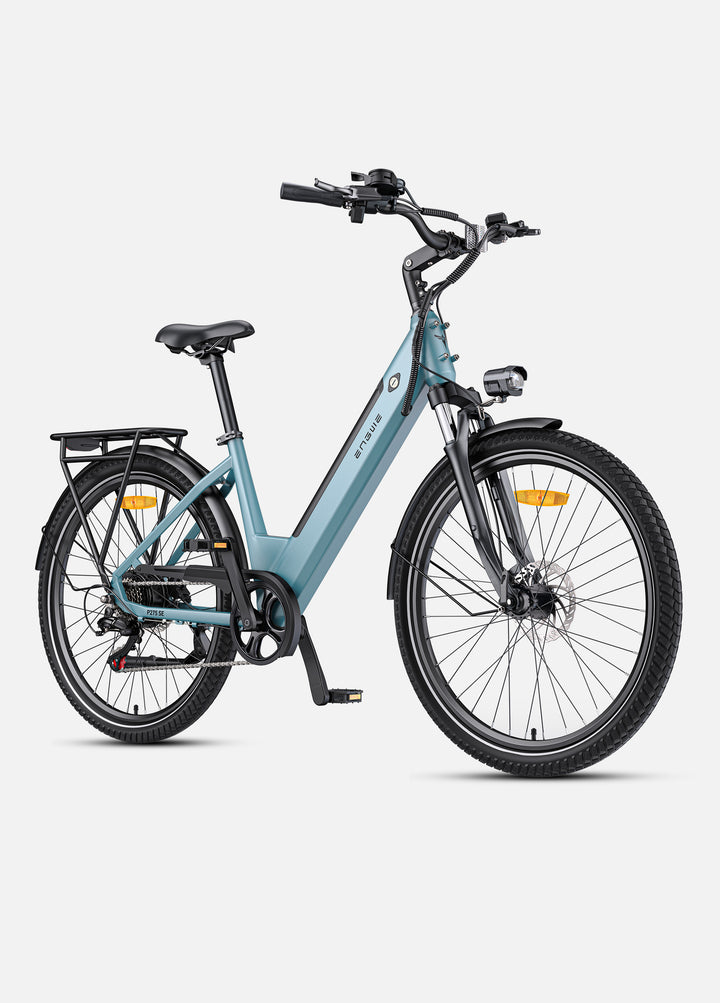
Getting around can be your main thing and a tried-and-true daily commuter is among the best investments you can make, time-wise. For you, it’s all about reliability, comfort over potholes and utility. Look for built-in safety lights, fenders for keeping the muck off of you and a rear rack for carrying stuff.
-
The Weekend Trail Adventurer
You thirst for the rush of dirt trails and scenic vistas. Your main concerns are durability and shock absorption on bumpy roads. Instead, you want bikes with indestructible suspension, gutsy motors for climbing and wide, knobby tires for traction.
-
The Relaxed Cruiser
Your ride is all about pleasure, new air and an easy exploration of bike paths and neighborhood streets. The most crucial aspects are convenience and simplicity. An upright position, comfy saddle and easy-to-use system is a must.
-
The Utility Hauler
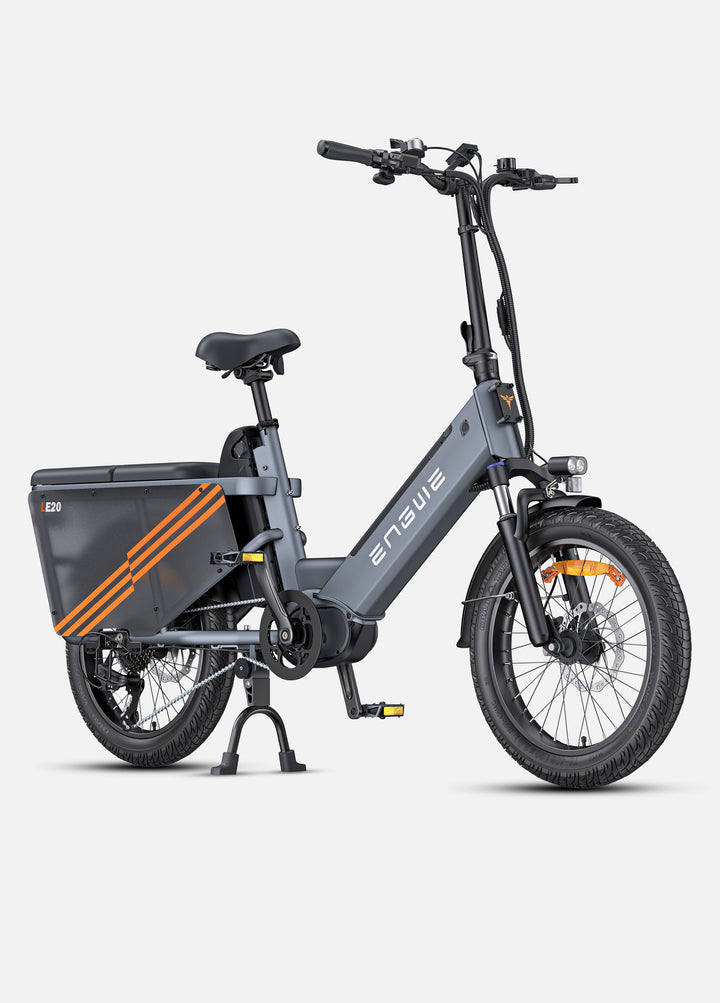
Your e-bike replaces a car to get groceries, pick up the kids from school or make those deliveries for work more efficiently and without fumes. Your non-negotiable is cargo capacity. You must have a sturdy frame, a robust motor with lots of torque to manage big loads, and ensure that yours is rock-steady.
Understand the Core Components
For any electric bike, the heart is built by core components. If you know these parts, then you can see through the marketing hype and know what matters: performance and quality. More money won’t necessarily buy you a better bike for what you need, but saving money by cutting corners on key components will lead to expensive repairs and an unsatisfactory ride. Look at the motor, battery and brakes because these components are what gives the bike its personality and ability. Here is what to look for:
-
The Motor
This is what will house your power. The two main types are Hub-Drive, which is inside the wheel, and Mid-Drive, which connects to the crank. A mid-drive delivers more natural-feeling power and is better for steep hills, while a hub motor is typically less expensive and works well on flatter terrain. One important spec to look for is torque, which is measured in Newton-meters (Nm): The higher the number, the better a bike will be at accelerating and climbing.
-
The Battery
This is the parameter for your range. You can work out its capacity in Watt-hours (Wh) by multiplying Volts (V) by Amp-hours (Ah). A higher Wh number means you can ride longer on a single charge. Pro Tip: Be honest about your daily distance. It’s a big battery to carry around, and it adds unnecessary cost; just pay for the range you will actually use.
-
Brakes and Drivetrain
The vast majority of quality e-bikes sport disc brakes. Hydraulic disc brakes provide increased stopping power and more feeling than mechanical. And when it comes to the drivetrain, a trusted name like Shimano guarantees you can count on smooth gear changes—the last thing you need is to be stuck in the big ring when you’re going uphill.
| Component | Specification | Description |
|---|---|---|
| Motor Torque | 55 Nm | Great hill-climbing power and strong acceleration. |
| Battery Capacity | 48V 13Ah | Good for daily commute and long distance travel. |
| Tires | 20″ x 4.0″ | Fat Tire which ensures balance and comfort on all type of terrains. |

Prioritizing Ergonomics and Fit
What’s a high-powered electric bike worth if it’s uncomfortable or doesn’t suit your body? Ergonomics and fit are equally important to the motor or battery because they affect your enjoyment as well as how often you want to ride. A poorly fitted bike will have you straining your back, neck and wrists. Be sure to carefully review the frame geometry, suspension setup and customization range of the bike so that you know it fits. You should sit comfortably, not squished or bunched up.
-
Frame Geometry and Size
Do you want a step-over frame (with a high top tube) or step-through frame (with a low or no top tube)? Step-throughs are easier to mount and dismount, perfect for casual riding, commuting in normal clothes, or riders with infirmity or other physical concerns. Just make sure the frame size complements your body height.
-
Suspension System
This is what soaks up all those bumps and bounces in the road, giving you a smoother ride.
- Rigid: No suspension. Faster and smoother on pavement.
- Front Suspension: A bicycle with a front-wheel fork that is capable of giving to most impacts. Good for city commuting and moderate trails.
- Full (Dual) Suspension: This is when there's suspension on the front and rear wheels. Riding high: Highest level of comfort and control on rough terrain, but adds weight and expense.
-
Adjustable Contact Points
Your body makes contact with the bike at three points – the saddle, handlebars and pedals. Find an e-bike with an adjustable handlebar stem and a cushy saddle. Tip: I would recommend you test ride it if you can just to make sure the geometry suits your own person.
Spotlight: The ENGWE M20 Off-Road Adventurer

For riders who don’t want to be confined to the pavement and lust for adventure, a men’s off-road electric bike is a necessity. Our favorite in this category is the ENGWE M20. It’s made from the ground up for people who hear the call of the wild. Born from the sleek style of a motorcycle, built on a lightweight & rugged aluminum frame. The standout feature is its dual suspension, front hydraulic shock absorber and rear air shock absorbing with 2 times shock absorption power compared to a normal bike for ultimate ride comfort and safety on all terrain. Range anxiety is now a thing of the past with the optional dual-battery model (72V50Ah) that could provide a maximum range of more than 75km+75km. Power is provided by a powerful brushless motor from the top, so you can easily conquer steep roads. Some key features that help solidify its adventurous spirit include:

-
Unstoppable Traction
The M20 is designed with 20x4.0" Triple layered all-terrain fat tires that allow the freedom to go anywhere you choose… the sand, the snow, the grass or even where there are no roads at all.
-
No-Fear Stopping
Dependable 160mm front and rear mechanical disc brakes deliver solid stopping action for your adventures.
-
Nimble Escape
It includes a clear LCD display for your stats, a high-output LED headlight for visibility and a seven-speed Shimano drivetrain to get you where you need to go.
The M20 is not only an e-bike but also a statement of freedom for the ultra-modern explorer.

Other E-Bike Niches and Common Questions
Sure, an all-terrain beast like the M20 suits the notion of adventurer perfectly, but the e-bike market is vast and home to many other superb models that fit a particular niche just as well. If you are more concerned with city life, the movement of the product, or you do not want to really lug a heavy bike up and down stairs all day, then I would look into others in my list for your needs. Knowing these types will allow you to know very well what to follow. For example, a folding bike is a mistake on mountain trails, and a heavy cargo bike doesn't work as well in fifth-floor walk-ups. Focusing on these specialized choices is important to make the best value and convenience of your purchase.
-
Lightweight Urban Commuters
For these bikes, agility, lack of weight and efficiency take priority. They are easy to carry up stairs and ride through traffic. Many models, for example those from Aventon and Rad Power Bikes, are smaller in stature with slimmer frames and even thinner tires.
-
Compact Folding E-Bikes
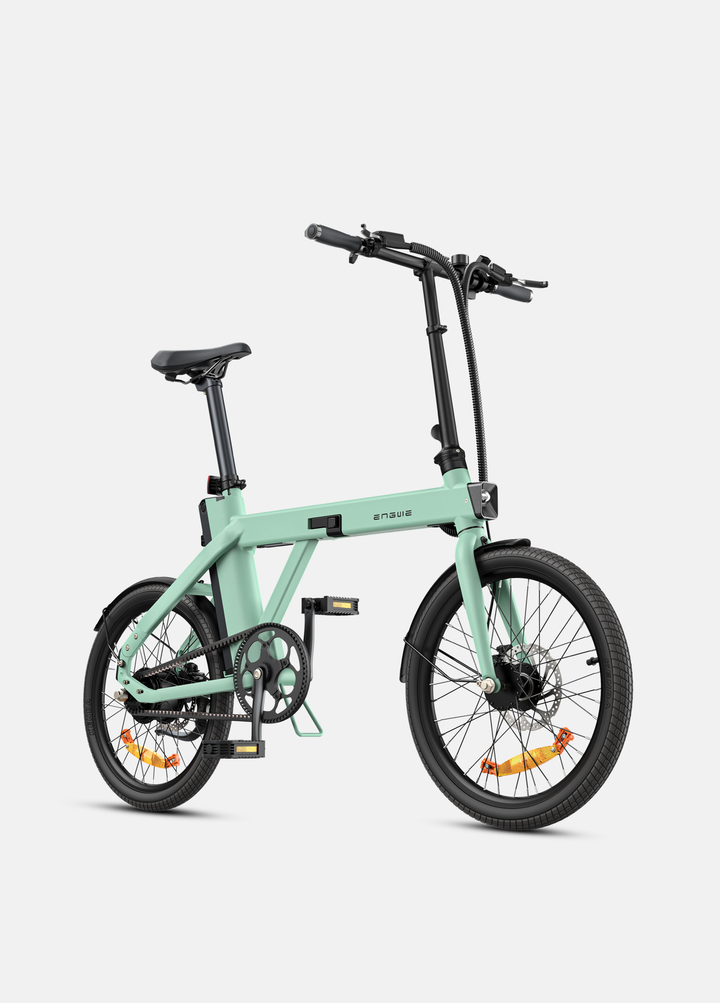
If you cycle-to-train, or simply don’t have a lot of storage space, folding e-bikes are a revelation. They pack down hastily for storage in the trunk of a car, an office corner or apartment. Lectric, Brompton Electric and other such brands thrive in this category.
-
Heavy-Duty Cargo E-Bikes
These are designed to replace a car, and they are the workhorses of the e-bike world. Because they have longer frames, high weight limits and strong motors, they can transport kids, groceries or delivery goods with ease. For leading options, look to specialists like Tern and Yuba.
What is a good budget for a nice e-bike in 2025?
A good, dependable electric bike usually starts around the high end of what most people are willing to spend on an entry level-quality model with good components. Battery and motor quality improve on mid-range models, while at the top end, you’ve got premium e-bikes with features like mid-drive motors and hydraulic brakes.
Am I allowed to ride my e-bike in the rain?
Yes, most e-bikes are built to be water resistant (not waterproof). You can ride them in the rain, no problem, but you’ll want to stay out of deep puddles and should never pressure wash them clean.
Do I need a license or insurance for an e-bike?
It completely depends on your local area and its laws; usually they will have classifications based on motor wattage and maximum assisted speed. As always, check with your city and state to make sure you are in compliance.
Now that you know this, you’re good to go out and find the electric bike that’s really for you.