That's not acceptable for the heart of your ride! An Electric Bike battery is a major wear item — and it won’t last forever. Whether you want to save money on a costly replacement, or ensure top performance and reliability for years to come – maximize its lifespan. This comprehensive guide offers practical procedures using battery science that will preserve your investment and extend it for the long haul throughout all of your e-biking adventures. That takes us to the fundamentals.
1. Master Smart Charge Habits and Daily Routines
How you charge your e-bike battery each day, however, has the most bearing on its long-term health. Lithium-ion cells, which power modern e-bikes, are sensitive to charging extremes. "Discipline cycle time to avoid early deterioration and ensure capacity stays up," Murshed says. These are easy habits to adopt and will ensure your battery pack lives a long life, providing you with more miles over its useful life. Again, the key is to remain consistent and not stress the chemical components of the battery too much.
20-80% Golden Rule
If you are going to use the battery every day, try and maintain a state of charge at 20% - 80%. Charging to 100 percent and discharging the battery to zero will inflict the most strain on your battery cells. You should save a full 100% charge for when you know you need maximum range for an extended trip.
Prevent Deep Discharges
It’s never a good idea to run your battery down all the way if you can avoid doing so. Draining the cells to 0% increases the risk of damage and makes them more difficult to wake up. If it does, recharge it as soon as you can.
Add a Cool-Down Period
Your battery is generating heat during a ride and while being charged. To mitigate thermal stress, let it stand for at least 30-60 minutes after your ride before plugging it in, and once you've charged it up make sure that the battery can cool down a bit before you jump back on your bike.
Do Not Leave it on the Charger Permanently
Although most of today’s electronics use auto-shutoff, the best practice is to remove/store/unplug within an hour or two after you see a green LED light indicating full charge. It will then not be possible for trickle charging to cause any unnecessary wear.
Use only the original charger, or a certified charger
The battery and charger for your e-bike are a matched pair. Trying to use a 3rd-party charger with incorrect voltage or amperage can be very inefficient, harm your BMS, or could even cause a terrible fire.
2. Control Relative Environmental and Storage Conditions
How you store and charge your battery is as important as where. Batteries are electrochemical machines; they are very sensitive to their environment, in particular temperature. Keeping your battery in such conditions can damage it irreparably and greatly reduce its effective lifespan, even if you never leave it inside the vehicle. Correct storage is important and especially for those who are not using their e-bike for any period of time (e.g. over winter).
Temperature Control
The perfect charging and storage temperature is the same as room temperature, generally in the range of 15-25 Celsius (60-77 Fahrenheit).
Stay Cool
Do not leave your battery inside a hot car, in direct sunlight or near heaters. The lead energy robber is, in fact, heat; followed by the other factors that will be discussed on this page.
Caution Extreme Cold
Do not charge a frozen battery. When you ride in the cold, bring the battery into a warm indoor space and allow it to warm up to room temperature before plugging it in; charging under freezing conditions can lead to permanent metallic plating on the anode (major safety hazard).
Long Term Storage Procedure
If you plan to store your bike for more than a few weeks, make sure the battery is properly prepared.
- Charge / discharge the battery to 40-60%. That's the best long-term stable position.
- Take the battery off the bike.
- Keep it in an indoor, cool location where it is dry and away from anything flammable.
- Once every 1-2 months you should check your battery to see if its charge has been reduced, and if so charge it back up again until the indicator light turns off.
3. Use Riding Style and Bike Maintenance to Maximize Efficiency
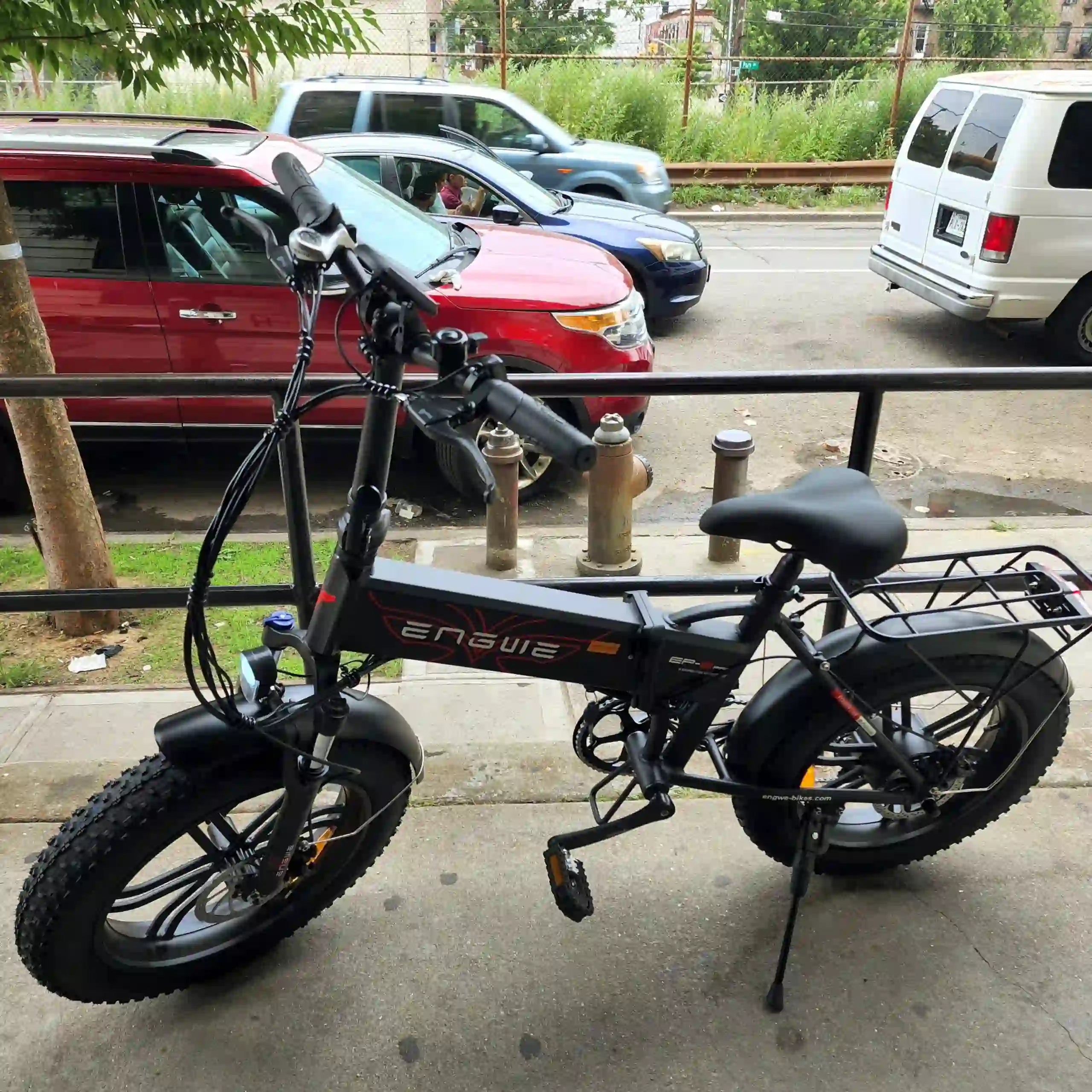
Your battery “life” is determined by charge cycles, and the quicker you use up each full ‘charge,” the more cycles you rack up as time goes on. It’s possible to enhance the range of your e-bike by riding more efficiently and ensuring it is mechanically sound. It doesn’t just mean longer trips on a single charge, it means less charging too so you get more rides and better battery life. The less work your battery has to do, the more energy you’ll save.
Mind Your Pedal Assist
Use higher-assist pedal modes on hilly rides, and save the turbo-level mode for steep hills or heavy headwinds. That may drastically reduce the feeling of getting slingshotted off the line by penalizing you for starting from a standstill in lower gears and assistance levels.
Play It Safe
Ride at a consistent speed and don't jerk the steering wheel. A consistent effort level is much more efficient than stop-start riding. Look ahead for traffic lights and crossroads and coast gently to a halt, rather than braking heavily at the last minute.
Keep Tires Properly Inflated
Underinflated tires can sap your range. They generate more rolling resistance, which in turn requires the motor and battery to work much harder. Monitor your tire pressure in intervals of at least one week and keep the tire inflated to the PSI which is stamped on the sidewall.
Keep Your Drivetrain Clean and Lubricated
Dirty, rusty chains and gritty gears create friction that robs power. The cleaner and smoother your drivetrain, the better power available gets to that wheel from your pedals and that motor.
Lighten Your Load
The heavier your bike is, the more energy it’s going to require. Take off any extra accessories or luggage when you don't need them.
4. Invest in Better Gear and Components
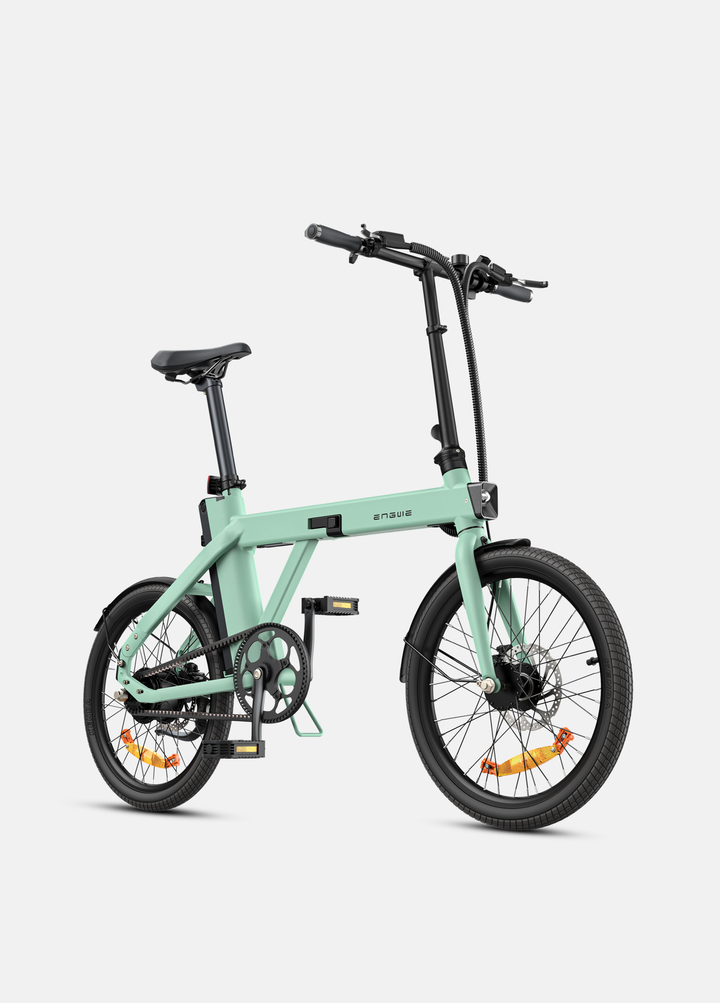
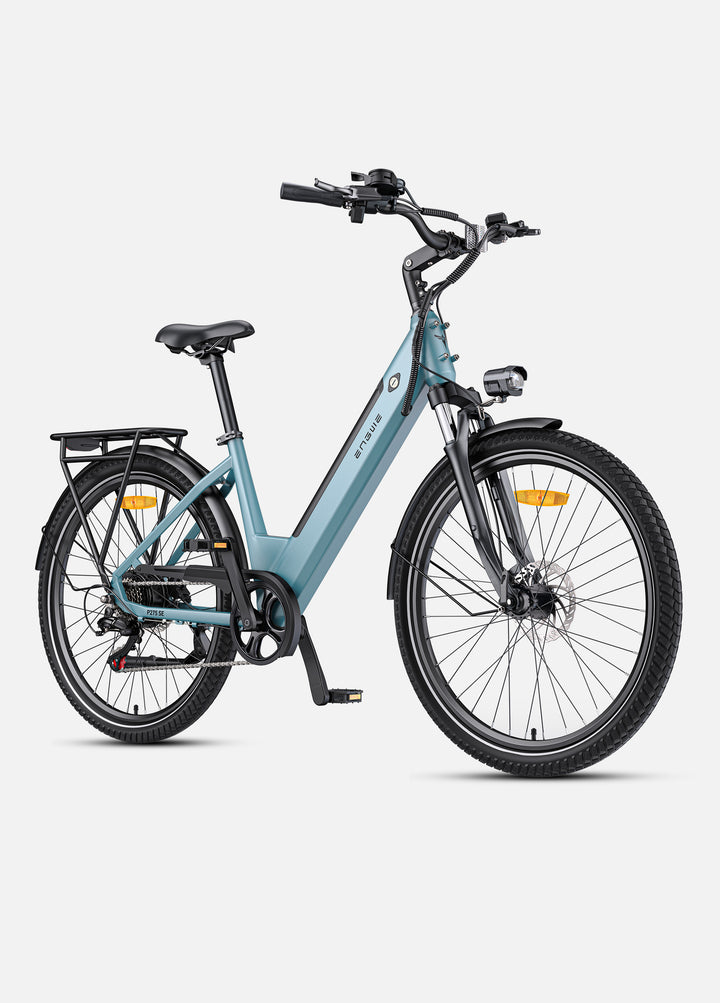
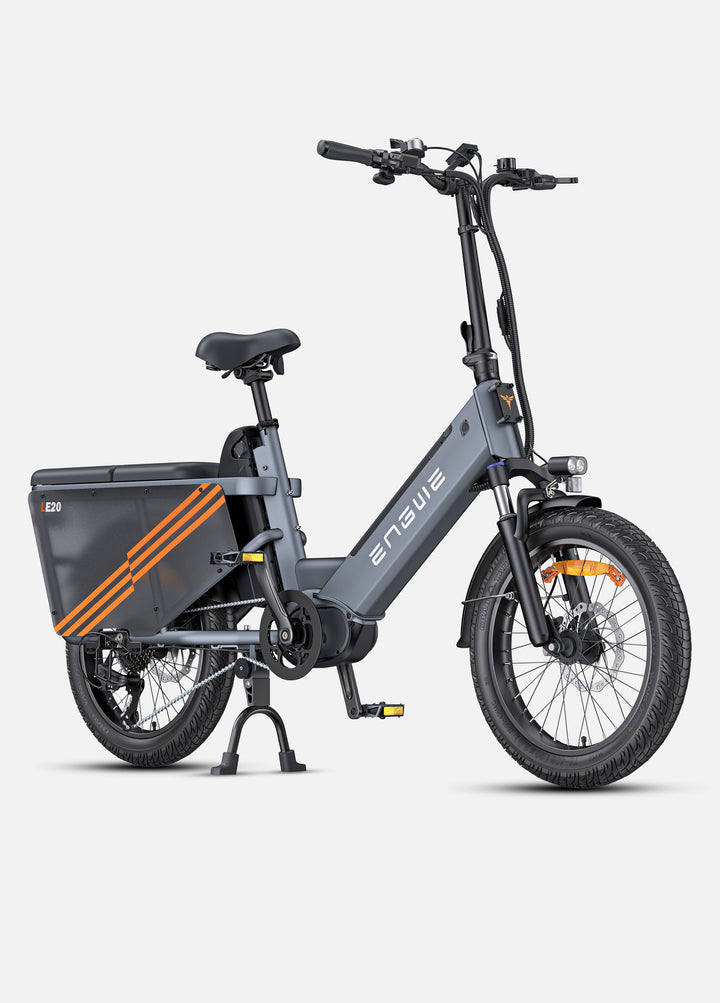
Beginning with a great electric bike and using the proper accessories is one way to proactively promote good battery life. A properly engineered bike is an integrated system and every one of its components, including the motor and battery are designed to work together as a whole. Market leaders like ENGWE are committed to integrating this technology, structuring their e-bikes around durable, high-capacity battery systems that both offer great range and inject confidence out on the trail. Maintenance of which ensures compatibility and performance will be maintained as they evolve.
Opt for a Trusted Brand E-Bike
Consider something like ENGWE (they specialise in some pretty powerful and robust systems). ENGWE ENGINE PRO is installed with a high capacity battery that can provide you with the long-range adventures and the ENGWE L20 gives you all-time reliability to take out daily. Their dedication to high-quality components means you are purchasing a battery as well as a BMS designed to keep going strong.
Official ENGWE Accessories

Official ENGWE Accessories: Click here to find a rich variety of accessories.
Buy NowMake sure to keep authentic official parts to maintain the performance and warranty of your product.
Official ENGWE Chargers
These are tailored precisely for the Voltage, Current and steady Port of ENGWE batteries safely providing a faster and healthier charging.
ENGWE Replacement Batteries
Directly from the manufacturer, powerful and a perfect fit for your ride system.
Protective Gear Overall
Smart Plug Timer
A cheap device that will turn off power to your charger automatically after a specified period of time, allowing you to easily stop charging at 80-90%.
Battery Fireproof Bag
For another level of protection, you may charge and store your battery in a fire-resistant bag.

5. Learn About Battery Health, Decay and End-of-Life
With perfectly good care, all batteries will degrade in time. Learning how to keep tabs on your battery's condition and understanding the warning signs will help you manage expectations for when it needs to be replaced. By learning what to look for, you can avoid being stuck with a dead battery, and plan the safe disposal of it. When your battery reaches the end-of-life, your e-bike journey does not have to come to a standstill. It’s only a component that requires replacement.
Monitor Your Maximum Range
The easiest way to check in on your battery health is to keep tabs on your maximum range at a full charge. And when you see a noticeable decrease in the distance you can travel under similar riding conditions, capacity loss is at work.
Know When a Battery is Failing
Keep an eye out for battery symptoms so that you don’t get stuck needing a charge or fearing one! If you see any of these issues in your own, it's time to act!
Responsible Recycling
Above all else, a lithium-ion battery should never be tossed in the garbage. They are not only laden with toxic substances, but also valuable metals that can be reclaimed. Find local e-waste facilities or battery recycling centers near you, or inquire with your local bike shop about what to do.
Signs of Critical Battery Degradation
| Symptom | Possible Cause | Recommended Action |
|---|---|---|
| Very limited reduction of range | Natural loss of capacity due to aging | Standard wear. Start budgeting for a replacement. |
| Does Not Fully Charge | Defective problem with Battery and/or Charger | Please contact the manufacturer. |
| Visible swelling or shell cracking | Serious internal gas generation or physical damage | Danger! Discontinue use, do not charge, and dispose of properly. |
| Overheats During Charging | Faulty component or foreign material on contacts | Inspect both battery and charger. Discontinue use and contact the manufacturer for assistance. |
Frequently Asked Questions
Q1: What would be the number 1 thing you can do to maximize your battery life?
A: The key habit is maintaining a charge within 20-80% when using it daily. This lowers the stress on cells and will slow wear.
Q2: Can I keep my battery on the bike when washing it?
A: Never wash your e-bike with the battery on as water can seep into the electrical contacts and short-circuit your bike.
Q3: How long should an e-bike battery last?
A: A good quality e-bike battery can last anywhere between 3 to 5 years or a few hundred charge cycles before its capacity drops significantly.
Adhering to these tips means many more miles of powered adventures.