What Makes an E-bike a Mount-Crushing Machine?
It takes more than brute strength to climb steep hills on an electric bike. It is a perfect marriage of motor torque, intelligent sensor technology and robust supporting elements. This guide also dissects the five critical variables you need when purchasing an e-bike geared towards climbing so that you have the perfect setup to turn steep climbs into a gentle upward pedal. Let’s dig into what actually makes an e-bike a mount-crushing machine.
The most important spec of all when it comes to climbing is the motor’s torque (measured in Newton-meters, or Nm) and its power (in Watts, or W). Torque is the twisting power that the motor can provide to rotate the wheel and is exactly what you will need to fight against gravitational forces when going up an incline. And the higher the Nm, the stronger it will climb. Power is good; torque is king of the hills. Go for a motor that provides at least 60Nm of torque if you have moderate hills and expect to ride light, all day or fully loaded. You also need to know the difference between nominal and peak watts. Nominal power is the amount of continuous output a motor can hold, and peak power is its maximum burst potential for short burst efforts. Always pay attention to the nominal power rating for legal purposes and practical output expectation.
Torque Tips for the Hills:
- 50-60 Nm: Appropriate for moderate hills, rolling terrain and the rider with less weight.
- 60-80 Nm: Works well for a wide range of city and suburban hills, ensures confident climbing.
- 85+ Nm: Best suited for very steep inclines, off-road trails and heavier riders or cargo, providing a feeling of no gradient.
Key Power Considerations:
- Nominal power: This is your minimum. 500W-750W is largely the norm in the US.
- Peak Power: Allows you to get over a quick short roller.
- Efficiency: A high torque motor does not have to work as hard so it is more efficient on hills.
| Specification | Relevant for Hills | Best Range |
|---|---|---|
| Torque (Nm) | High (Direct drive climbing force) | 80Nm and above |
| Rated Watts | Recreational (10% Output) | 250W - >750W |
| Peak Power(W) | Medium (Short burst assist) | 500W-1000W+ |
The Brains Behind the Brawn: Motors and Sensors
It’s not just about the power you get, but how it’s delivered, and this is true right down to the motor. This is determined by the motor kind and, above all, very good sensor technologies. There are broadly two types of motors: hub-drive, which reside in the wheel, and mid-drive, which sit at the pedals. Where they are praised for using the gears of a bike, it's true that a powerful and modern geared hub motor can be a phenomenal climber. The game-changer, though, is the sensor. A standard cadence sensor is an analog switch of sorts, turning the power on when you pedal and off when you don’t. A torque sensor, however, is something a bit more fancy that measures how hard you are pedaling and delivers a corresponding amount of assistance. A torque sensor is a must for hills to ensure a smooth, premium ride. It’s intuitive and natural, eliminates jerky takeoffs on an incline, and also saves battery power by only applying power as needed.
Motor Type Tips for Hill Climbing:
- Mid Drive Motor: Ideal for technical riding, the motor drives through the bike's chain to apply efficient power when traversing over rough terrain or climbing steep hills.
- Geared Hub Motor: These can have an insane amount of power and be very efficient, providing for a simpler and sometimes more robust system for steep urban hills and trails.
Why You Should Have a Torque Sensor on Hills:
- Natural Control: It feels like I have bionic legs. The more you push, the more assistance you receive.
- Smooth Power Delivery: No more jerky start, creates a smooth transition from zero input to full power.
- Better Control on Steep Start: Cadence sensors are always lurching and this makes the rider feel less in control when transitioning steep sharp corners/powerstroke.
- More Efficient: While many cadence systems on the market read at one sensor, this system increases battery life by spreading its reads over two sensors.
- More Grip: Unhindered, power delivery means the rear wheel won't spin out on sketchy surfaces.

The Powerhouse: Battery and Drivetrain
There’s no use in having a powerful motor if there is not a battery to sustain it and a drivetrain that can handle it. When encountering hills, it is the battery's V and A ratings that matter. Voltage is in a very real sense the "pressure" that forces power to the motor; a higher voltage system (48v) does a better job at providing that power under load, and that is precisely what climbing hills is all about. The capacity (Ah), is how long the battery will last. For hill intensive riding, a bigger capacity of at least 15Ah is also suggested. The energy capacity is expressed in Watt-hours (Wh), which can be obtained by multiplying Volts to Amp-hours (in this case: 48V x 15Ah = 720Wh). Just as important is the bike’s mechanical gearing. Multiple gears, including a Shimano 7-speed drivetrain, provide you with the ability to shift into an easier gear for climbing and take pressure off of you and the motor so you can pedal more efficiently and longer.
Checklist to Spot a Real Hill Climbing Electric Bicycle:
- Voltage: 48V is capable of giving strong performance e-bikes, with simple power draw.
- Capacity: Aim for at least 15Ah to make sure you'll have good range on long rides with multiple climbs.
- Cell Quality: Look for batteries with high-quality cells from reputable manufacturers such as Samsung or LG to get improved performance, safety and cycle life.
- Charger: A fast charger is a significant quality-of-life upgrade, one that gets you back on the road sooner.
- Save-Your-Money Tip: Utilize your gears at all times! Simply staying in the right low gear up a hill will save more battery than anything else (even pedaling) and is better both on your range and your motor, long-term.
A Case Study: The ENGWE Engine Pro 3.0 Boost

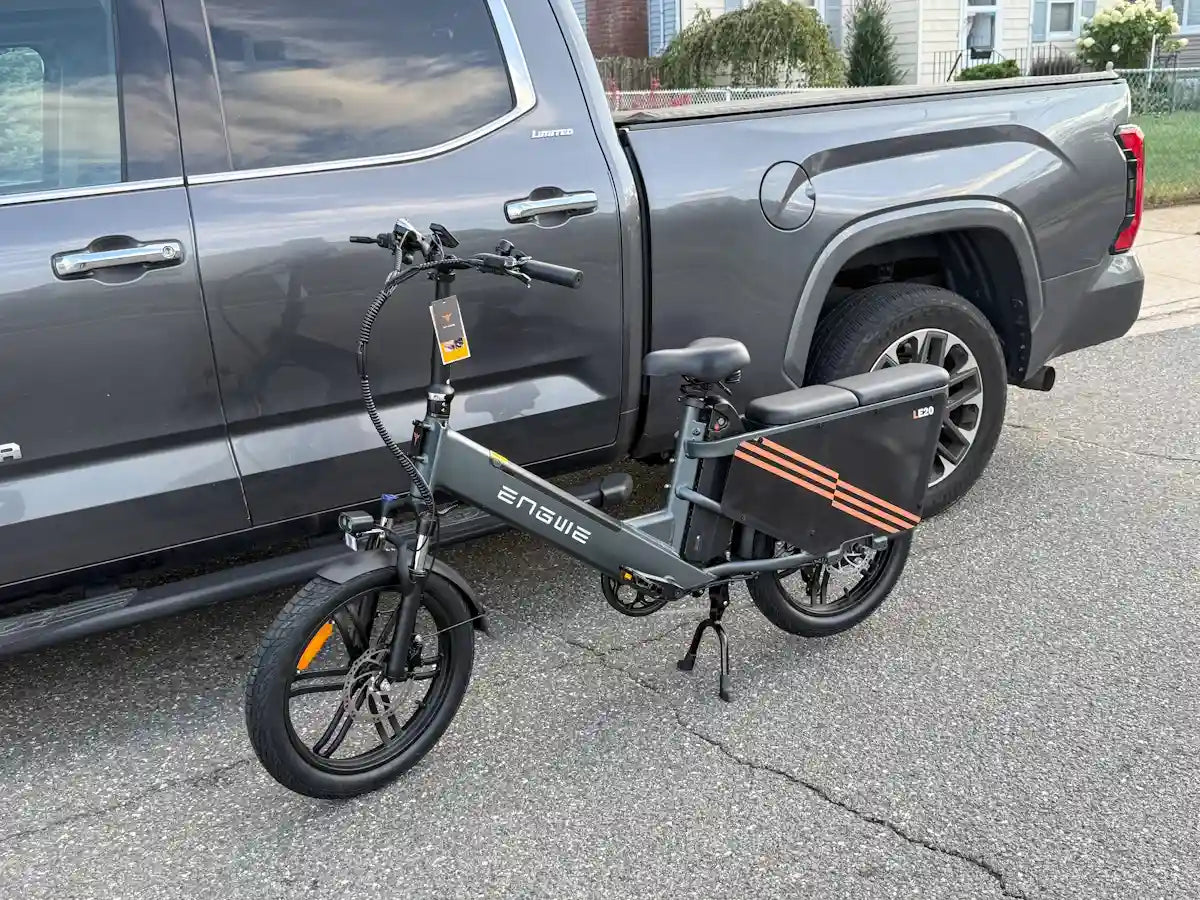
And, when it comes to an electric bike, which perfectly combines all of these hill-scaling capabilities together, the ENGWE Engine Pro 3.0 Boost is a perfect case in point. This dutiful wheel is carefully crafted so that intimidating gradients become an enjoyable part of your achievement. The foldable full-suspension e-bike is based around a powerful hub motor that can generate a maximum of 90Nm torque, making this one of the best performers on tech-savvy trails. This power is harnessed by an ultra-responsive torque sensor, bike and you merged for a smooth and natural ride. The strong 48V system is driven by the high-capacity long-lasting 15Ah battery fitted with Samsung cells as standard (unlike most other brands), giving you a massive 720Wh of electric juice for up to an amazing max range of 130km. What’s more, ENGWE provides an 8A fast charger for enhanced charging efficiency, say goodbye to long-time waiting with the balance of supply and demand trail riding system such as a battery pack. The ride is made super comfy by the reliable Shimano 7-speed drivetrain which ensures that you can select just the right gear for your gradient.

ENGWE Engine Pro 3.0 Power Hill-Climbing Highlights:
- Motor: 48V Hub Motor boasts a max torque of 90Nm which is the highest in its class.
- Sensor: Advanced Torque Sensor System to smoothly respond to the rider.
- Battery: 48V 15Ah (720Wh) with Samsung 21700 cells for long-lasting battery life.
- Gearing: Lightweight Shimano 7-speed delivers great mechanical advantage on all terrain.
- Power & Comfort: Power of 500W, the highest performance in its class drivetrain conversion remarkably improves driving comfort. Wider tires with mixed tread that provides excellent traction on any terrain.
- Smart Features: The powerful ENGWE IoT module for an additional GPS tracking and app control, making it more secure with connectivity.
Essential Supporting Gear and Riding Skills
In addition to the main powertrain, a number of other elements are necessary for an enjoyable and safe hill-climbing experience. Without good brakes you are also, regrettably, potential road kill – search out hydraulic disc brakes with big rotors (180mm) for maximum stopping power and heat dissipation as you’ll need these to control speed on those endless descents. And tires matter, too. Wider tires provide an increased detailed terrain with more succulent, or loose surfaces. An anti-puncture protective layer is a worthwhile addition to protect against flats on rougher ground. And last, a quality suspension system, and particularly full suspension, keeps the tires in contact with ground as you roll over bumps to maintain traction when climbing. For something more reliable, consider proven eMTB or powerful commuter e-bikes produced by well-known companies that design their bicycles especially for diverse and difficult roads.
Must-Have Secondary Elements:
- Brakes: Hydraulic disc brakes are a necessity to keep you safe and in control.
- Tires: Wide and grippy ones (2.4 inches or more) with aggressive tread pattern.
- Suspension: You want at least a front-suspension fork; full suspension is best to keep your tires in contact with the ground on rough uphill climbs.
- Frame: And a sturdy frame, whether it's made with aluminum or magnesium alloy, ensures this gear remains solid under the extreme pressures of climbing.
Hill Riding Skills That You Can Use:
- Shift Early: Downshift to a lower (easier) gear before you start climbing, not when you’re halfway up.
- Lean Forward: Leaning forward shifts your weight onto the front wheel, helping you keep it down and maintain steering control.
- Keep Up the Pace: Just like on a hill, go into decimals running up a hill to make it easier at first.
Frequently Asked Questions:
-
Q1: For hills, does motor wattage matter more than torque?
A: No. Torque (Nm) is a direct measurement of the motor’s rotational force, and it’s the most important spec in determining if an e-Bike will be able to climb hills well. -
Q2: Best for hills? Can a hub motor handle it?
A: Absolutely. A good quality high-speed geared hub motor combined with an advanced torque sensor can create a powerful and efficient hill climber. -
Q3: How do I get the most out of my battery range when climbing?
A: I’ve ridden e-bikes that could not make it very far on a single charge, and the key to making low range last longer is two-fold: use only as much power as you need, by using the lowest effective pedal assist level; and shift into a low gear to give your motor some help; along with maintaining your cadence smoothly without hating the pedals.
You are now armed with the knowledge to choose the best hill climbing electric bike for your adventures.