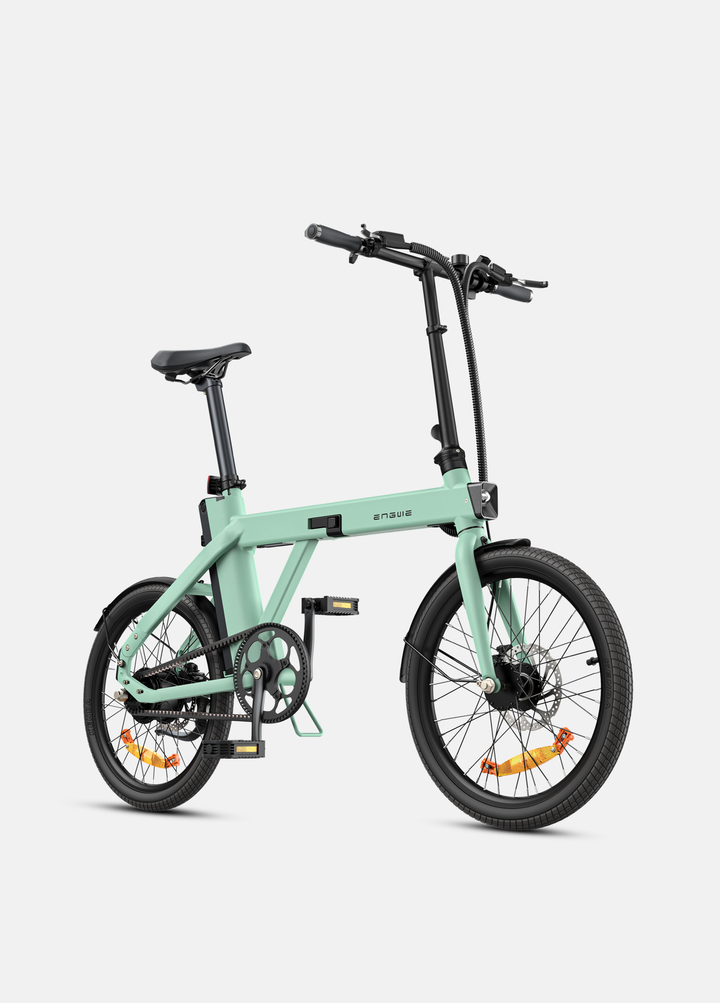
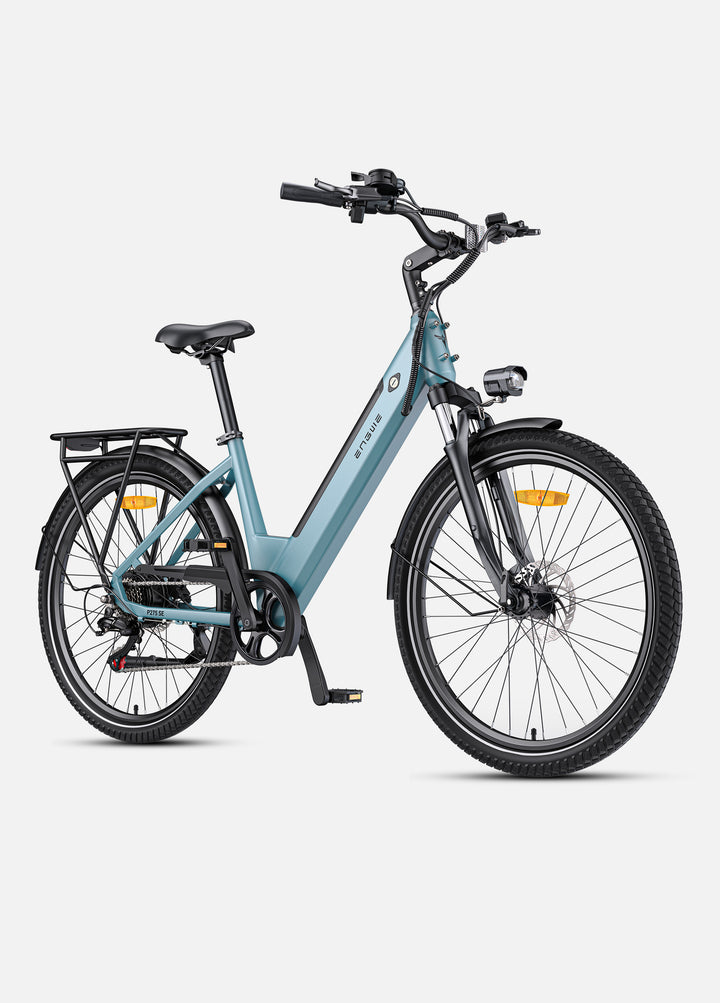
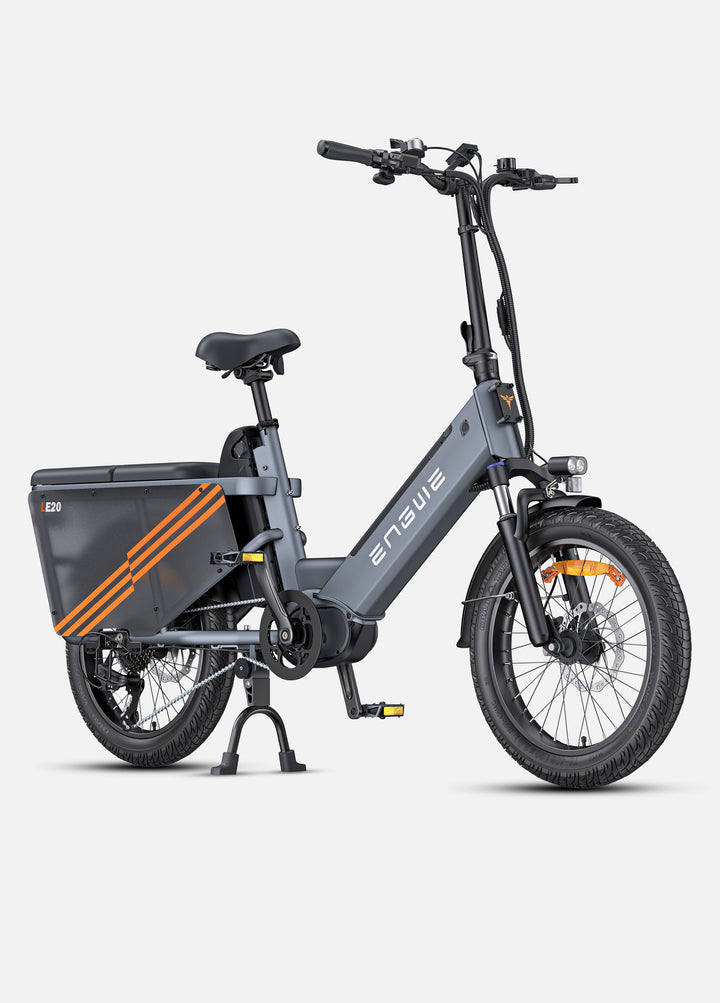
It is important to know how to use your ebike controller to ensure there is performance and safety of your motor and battery. The controller controls power flow between your battery and your motor, to define acceleration, torque and speed response.
The right voltage, 36V, 48 V, or 52 V, guarantees the efficient and smooth running of the bike and eliminates possible harm to the electrical system of your e-bike.
What Is the Controller on an Ebike?
The ebike motor controller is the brain of the system which controls the flow of electricity between the battery and the motor. It takes the throttle and sensor signals to regulate the speed and torque. Another safety feature of the ebike controller is the overcurrent and overheating protection, which is necessary, to maintain the same power with acceleration or hill climbing.
36V Ebike Controller
The 36V ebike controller to use in entry level or commuter models is a 36V one. It gives a decent combination of efficiency and low cost that is ideal with moderate speed and light city commutations. These controllers are complementary with smaller 250W-500W motors that may increase range and still provide constant acceleration.
Key Features:
- Best suited for 250W–500W motors
- Efficient for daily commutes and short trips
- Lower heat buildup and battery stress
- Compatible with 36V batteries only
- Smooth and quiet power delivery

48V Ebike Controller
Among contemporary e-bikes, the 48V ebike controller is the most widespread option as it represents a balanced option between the power and the stamina. It can support increased top speeds and increased torque without overheating. A 48 volt bike controller provides better acceleration and better climbing hills, which is ideal in a long-range or mid-powered bike.
Key Features:
- Ideal for 500W–1000W motors
- Delivers stronger torque and responsive acceleration
- Works efficiently with ebike speed controller sensors
- Compatible with a 48V battery system
-
Great upgrade option for standard commuter ebikes

52V Ebike Controller
The 52V ebike controller provides the high-end performance with improved performance in terms of torque, top speed, and sustained power. It is common in off-road or cargo e-bikes and is used to enhance performance and voltage stability on a heavy load.
On the one hand, serious performance and throttle response accuracy are supported by serious performance of this level and provide riders with the best controller for ebike to use on the ebike setups.
Key Features:
- Supports 750W–1500W motors and above
- Excellent for dual motor or off-road systems
- Enhanced voltage stability for long climbs
- Faster charge-discharge cycles with consistent power

Compatibility and Controller Upgrades
When choosing an ebike controller upgrade, make sure that the voltage is equal to the voltage of the motor and the battery. It can break the electronics or lower output using a 52V controller on a 36 V battery, eg. The ebike controller connector types and amperage should always be verified to avoid cases of overheating.
In case of a damaged unit, it is better to find those models of the ebike controller replacement that have the integrated protections and can be programmed to adjust to a more comfortable behavior. Such popular systems as Bafang ebike controller models have good compatibility and personalization features.
Testing and Maintenance
Consistent service is good to make your ebike motor controller responsive. In case you feel there are problems, you can know how to test ebike controller with multimeter to measure output voltage and continuity.
Wipe the connectors clean, also check against corrosion and always keep your e-bike in a dry place to ensure that your circuit does not break down.
Top Ebike Controller Options
1. KT 48V 22A Controller – Reliable All-Rounder
The KT 48V controller delivers strong, stable output for most commuter or fat tire e-bikes. It includes speed sensor compatibility and smooth throttle control for responsive performance.
Features:
- 48V rated, 22A output
- Supports LCD display integration
- Suitable for 500–1000W motors
- Overvoltage and overcurrent protection
- Durable aluminum shell for heat dissipation

2. Bafang 36V/48V Controller – Smart Assist System
Compatible with Bafang mid-drive motors, this controller offers intelligent pedal assist management and automatic protection. Ideal for riders seeking a factory-grade replacement with plug-and-play ease.
Features:
- Works with 36V or 48V systems
- Integrated PAS and throttle control
- Compact, waterproof design
- Smooth power modulation for city riding
- Advanced short-circuit protection

3. ENGWE Controller 48V – OEM Replacement
Built for ENGWE models like ENGWE P-2 Pro and ENGWE Engine series, this 48V controller for ebike ensures stable output and smooth acceleration. It’s designed for long-range riding and consistent torque delivery.
Features:
- 48V 22A rated
- Factory-calibrated for ENGWE motors
- Heat-resistant aluminum casing
- Plug-and-play harness connections
- Efficient power management for extended battery life

Choosing the Right Controller Voltage
To have the best ride quality and system safety, just match your controller with your ebike motor. A 36, 48 or 52 volt controller is dependent on the design and performance objectives of your bike.
- Simple 36v when riding in the city and moderate speed.
- Use 48V to balance the range and torque.
- Use 52V to be aggressive or off road.
Conclusion
The type of ride you experience on your e-bike is down to your ebike controller, and it is smooth, responsive and efficient. Knowing the difference between voltages assists you to create a balance between power, distance, and dependability.
Biking to the office or just adjusting a mountain ebike, the appropriate controller will make your system work at maximum efficiency without any negation on safety or battery life.
Frequently Asked Questions
What is the purpose of an ebike controller?
It ensures that there is control of power to the motor, it controls the speed, torque and acceleration to provide a smooth ride.
Is it possible to use a 6-volt battery with a 48V controller?
No, poor performance or irreversible electrical damage to your e-bike components may be caused by mismatched voltage.
What do I check to know whether my controller is bad or not?
Voltage and continuity measurement between wires: Multimeter checks of voltage and continuity should indicate consistent values; otherwise there is a problem with the controller.
Which is the best performing ebike controller?
A higher current model of 52V has a higher acceleration, improved torque and top speed when used off-road or in heavy conditions.