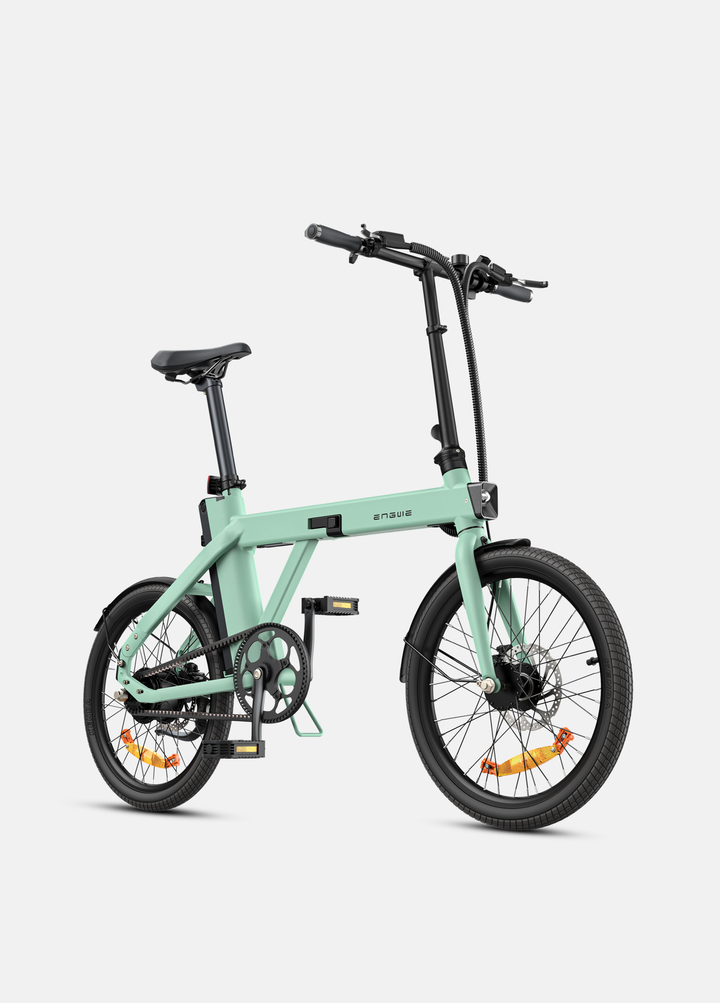
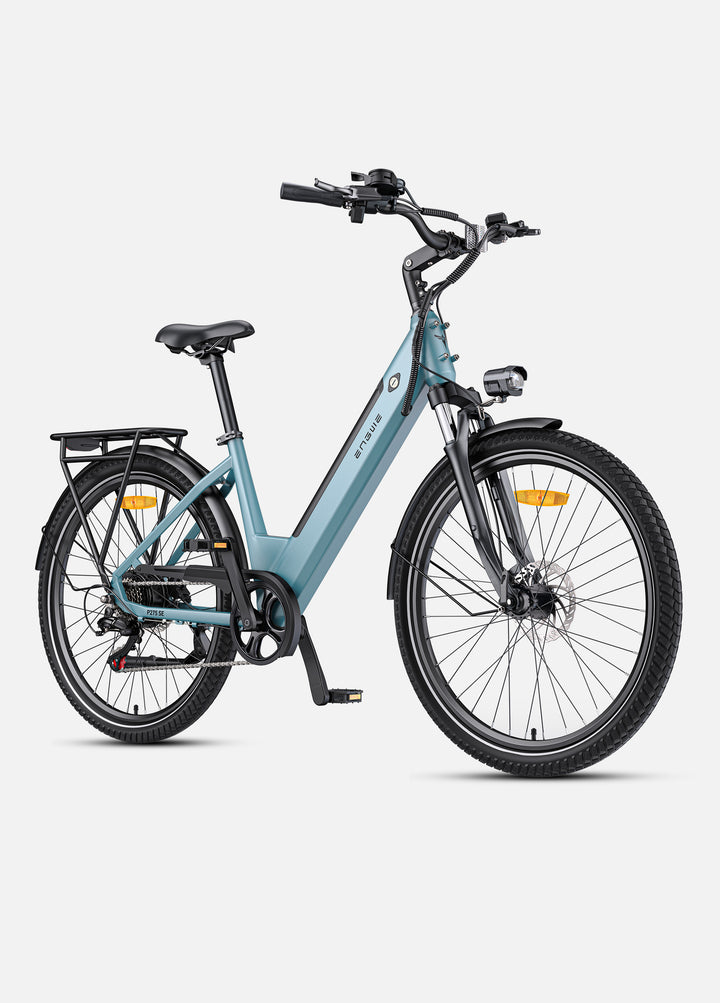
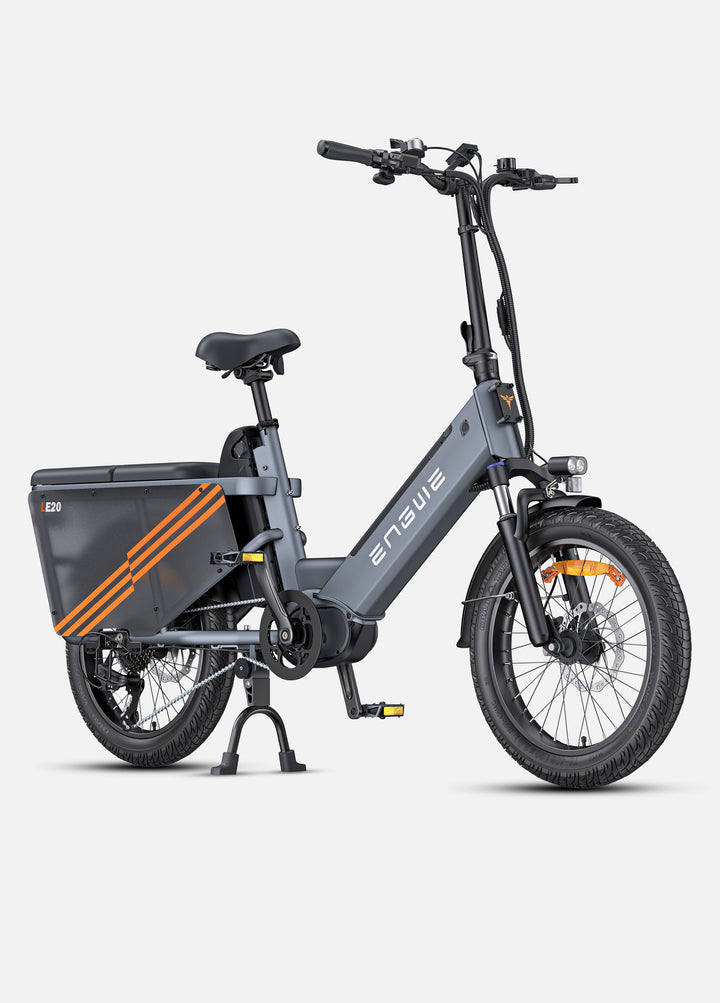
Plenty of riders imagine what it would feel like to own an ebike 50 mph. The thought of cruising past traffic, climbing hills with little effort, or even replacing the daily drive with two electric wheels feels exciting and futuristic. Hitting 50 miles per hour on a bike sounds like freedom redefined.
But here’s the truth: chasing that dream raises big questions. Is such speed on an ebike realistic, safe, or even legal in the places most people live? In this article, we’ll cut through the hype and look at what’s really out there.

The Allure of the Ebike 50 MPH Dream
The pull of a 50 mph ebike is simple to understand. People love speed. Riders picture themselves gliding over long roads with ease, skipping traffic and enjoying the rush. Many even imagine parking the car or motorcycle for good, choosing an ebike that goes 50 mph as a cheaper and cleaner alternative.
The thrill also can’t be ignored. Scroll through social media or YouTube and you’ll find clips of ebikes that go 50 mph, zipping along highways or tearing across dirt paths. They look futuristic, almost like a mix of bike and motorbike rolled into one. For someone new to ebikes, that image is hard to resist.
Still, the dream usually collides with reality. Most regions—whether in Europe or the United States—have strict limits on how fast an ebike can legally travel. Those limits exist for a reason: safety. So while high-speed machines exist, using them the way many riders hope isn’t as simple as it sounds.

The Legal Reality of Ebike MPH Limits
It’s easy to get carried away by speed claims, but laws are much stricter than the ads suggest. Governments set clear limits on ebike mph to keep both riders and pedestrians safe.
In Europe, the rules leave no room for debate. An ebike must use a 250W motor, and assistance must stop once you hit 25 km/h, or about 15.5 mph. Anything faster—like an ebike 40 mph or a 45 mph electric bike—isn’t classed as a bicycle at all. It falls under mopeds or motorcycles, which means license, registration, and insurance are required.
The U.S. takes another approach by dividing ebikes into three classes:
- Class 1: Pedal-assist only, up to 20 mph
- Class 2: Includes a throttle, but still capped at 20 mph
- Class 3: Pedal-assist that reaches 28 mph
Once you step past those limits, like with an ebike 50 mph, the bike is treated as a motor vehicle. That comes with paperwork, costs, and rules many buyers don’t expect.
So while a high-speed ebike sounds tempting, using one legally in normal city traffic or bike lanes is next to impossible.

Safety Concerns With Ebikes That Go 50 MPH
Now imagine laws weren’t in place. Would riding at 50 miles per hour on an ebike still make sense? Experts would say no—unless the bike is built like a motorcycle, with the safety systems to match.
Here’s why:
- Braking distance increases massively. Normal ebike brakes can’t handle an emergency stop at highway speeds.
- Crash impact rises sharply. Falling at 50 mph without full motorcycle gear can be fatal.
- Handling issues appear fast. Smaller frames and fat tires just aren’t engineered for that level of speed.
Even stepping down in speed tells the story. An ebike 30 mph already feels very quick in a busy city. At ebike 40 mph, stronger brakes and sturdier builds become essential. Push further into ebike 50 mph, and the risks multiply far beyond what most standard ebike frames and components can safely handle.
The real problem is that many so-called “50 mph ebikes” only push the motor to its limit. The rest of the bike—brakes, tires, suspension—often lags behind, leaving riders exposed to dangers they don’t see coming.
What Are the Best Ebikes for Real Riders?
Instead of chasing hype about a fast ebike for sale that claims impossible speeds, riders are better off with models designed for balance—safe, comfortable, and built to last. ENGWE has become a trusted name because its bikes meet real-world needs while staying within the law. Below are three good electric bikes that prove you don’t need 50 mph to have fun.
ENGWE EP-2 Pro
The ENGWE EP-2 Pro is a foldable fat-tire ebike that’s ready for both weekday commuting and weekend exploring. Powered by a 250W brushless motor with 55 N.m of torque, it handles rough trails as easily as paved roads.
Its wide 20 × 4.0-inch tires and front suspension absorb bumps, while the removable 48V 13Ah battery supports long-distance rides. For anyone asking what are the best ebikes, the ENGWE EP-2 Pro is a solid answer.
Key Features:
- 250W brushless motor, 55 N.m torque
- Max speed 25 km/h with front suspension
- 20 × 4.0-inch all-terrain fat tires
- 48V 13Ah removable lithium-ion battery
- Range up to 120 km (PAS mode)
- Shimano 7-speed system, LCD display
- Payload capacity: 150 kg (330 lbs)

ENGWE E26
The ENGWE E26 is built for riders who want longer trips without worrying about the battery. With up to 140 km of mileage in PAS mode and dual suspension for comfort, it’s perfect for both smooth roads and rugged trails.
Hydraulic brakes provide control even on steep descents, while its sturdy aluminum frame supports a wide range of rider heights. For those looking for reliable performance instead of just speed, the ENGWE E26 delivers.
Key Features:
- 250W brushless motor, 70 N.m torque
- 25 km/h top speed
- 48V 16Ah removable lithium-ion battery
- Max mileage up to 140 km (PAS mode)
- 26 × 4.0-inch fat tires for extra stability
- Dual suspension for comfort on rough terrain
- 180 mm hydraulic disc brakes, front & rear
- Payload capacity: 150 kg (330 lbs)

ENGWE M20
The ENGWE M20 combines motorcycle-inspired styling with the practicality of an ebike. Riders can choose a single or dual battery setup, pushing range up to 150 km. Its dual suspension system—front hydraulic fork and rear air shock—gives twice the shock absorption of standard bikes, making every ride smoother.
At 25 km/h, it stays legal, but its bold look makes it stand out from the crowd. It’s a stylish pick among today’s good electric bikes.
Key Features:
- Brushless motor with 55 N.m torque
- 25 km/h top speed
- 20 × 4.0-inch fat tires
- 48V 13Ah single battery / dual 26Ah option
- Range up to 150 km with dual battery
- Dual suspension: hydraulic fork + rear air shock
- Shimano 7-speed gears with LCD display
- Payload capacity: 120 kg (264 lbs)

Why the 50 MPH Ebike is More Myth Than Reality
Look a little closer at the facts and the dream of a 50 mph ebike quickly falls apart. Most of the bikes advertised at that speed are either tweaked with heavy mods or shipped as unregulated imports. And they carry risks that are hard to ignore—weak safety parts, no real warranty, and no approval for everyday road use.
The smarter move is balance. Riders who pick a 50 mph ebike usually find out fast that it doesn’t work where they want it to—on public streets, in bike lanes, or weaving through city traffic. A trusted model like one from ENGWE offers both: safe design and comfort without breaking the law.
And here’s the truth: the hype around ebikes that go 50 mph is mostly smoke. The best ride isn’t about bragging rights or raw speed. It’s about choosing a bike that’s reliable, legal, and still fun to take anywhere.
The Real Truth About the Ebike 50 MPH
Some ebikes that go 50 mph exist—you’ll spot them online or from sellers who love bold claims. Sounds tempting, right? Here’s the snag: most aren’t built for day-to-day riders. They fall under motorcycle rules, which means licenses, insurance, and strict road limits. What looks like freedom in ads usually turns into a headache once you’re on the street.
A smarter path is picking good electric bikes from reliable brands. They won’t push 50 mph, and that’s fine. What they do give you is comfort, range you can depend on, and enough speed to make daily rides fun instead of stressful.
Speed hype is loud. Reality is quieter but better. The best ebike isn’t the fastest—it’s the one you can actually ride safely and legally.
Frequently Asked Questions
Do ebikes really reach 50 mph?
Some models can hit that speed, but they’re rare and usually treated as motorcycles under the law. For most riders, they’re not practical or legal on city streets, so brands stick to safer limits.
Is a 45 mph electric bike legal in Europe?
No, it isn’t. EU law caps ebikes at 25 km/h with a 250W motor. Anything faster, such as a 45 mph electric bike, must be registered and insured as a moped or motorcycle.
How many chain links on ENGWE M20 ebike?
The ENGWE M20 ebike chain comes with 116 links. That’s the standard setup from the factory, making it easy to maintain or replace if you ever need a new chain.