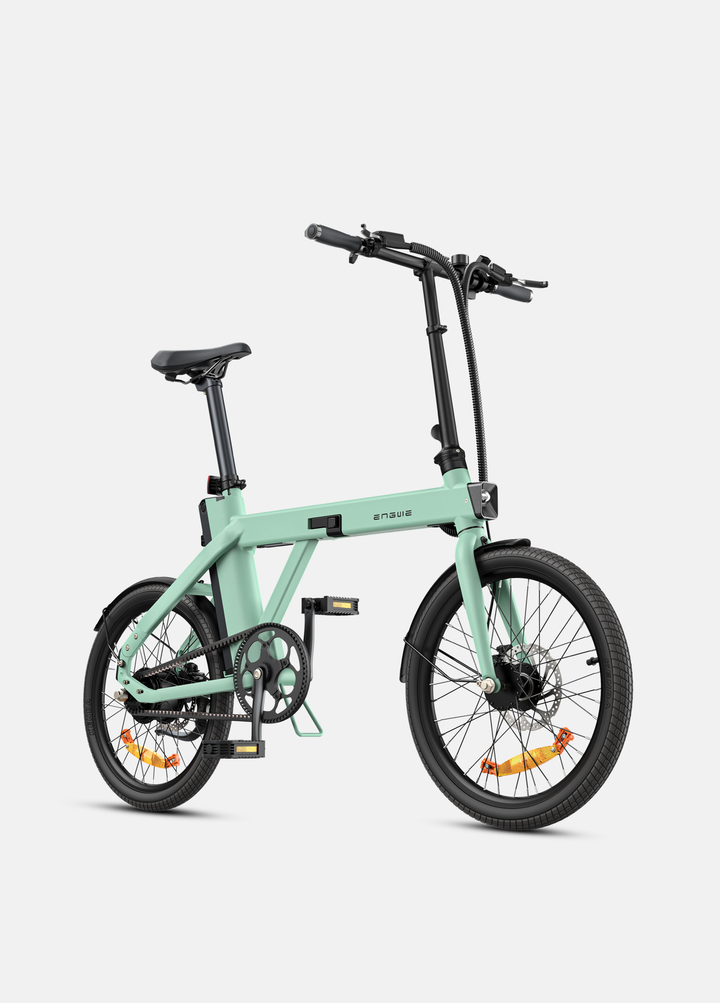
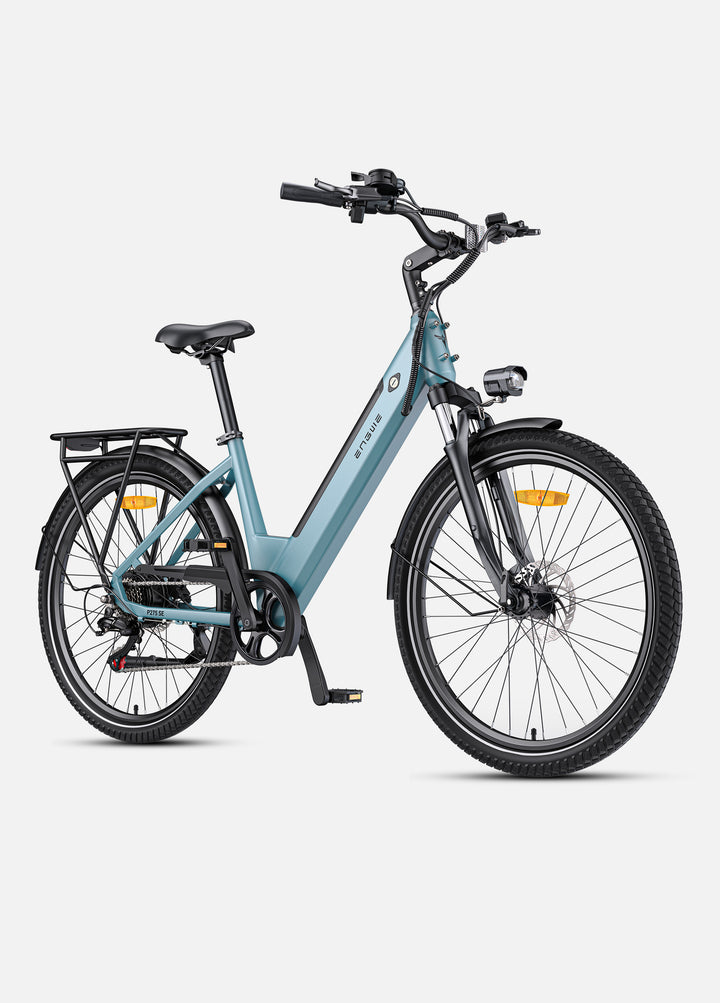
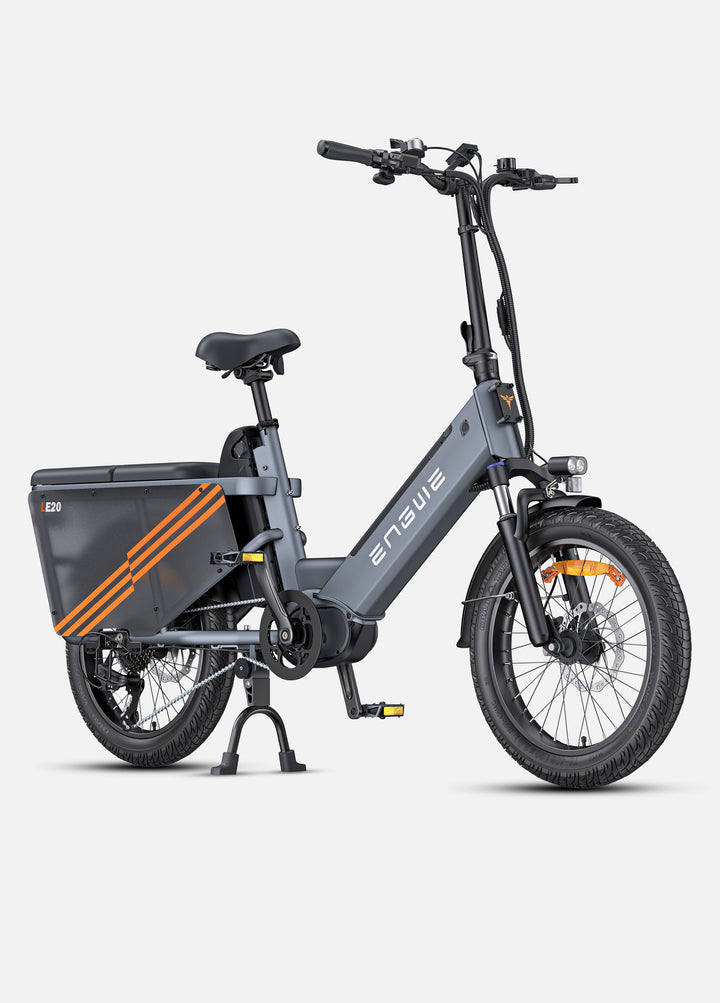
If you're thinking about buying an electric bicycle, it's essential to understand the differences between a 72V ebike and other options. The voltage of an electric bike's battery has a huge impact on how much power it has and how fast it can go. To help you, we've put together a detailed guide to help you understand high-voltage electric bikes.
Understanding Voltage in Electric Bikes
The voltage is what powers the motor. Higher voltage systems make your bike more efficient and give you more torque and better acceleration. Most electric bikes run on 36V, 48V, or 60V, but there's also a high-performance option: the 72V ebike.
A 72V ebike battery is usually made up of 20 lithium-ion cells connected in a row that add up to a max voltage of around 84 volts. The setup lets the system keep its 72V rating for most of the discharge cycle, giving it consistent power.
To boost performance without using more power, a 72V battery for ebike systems can run at a lower amperage. Sometimes this advantage is clear, as operating at a lower current can have a big impact.

Performance Advantages of 72V Systems
Riding an ebike 72V system really shows its advantages. The higher voltage lets the motor hold its torque even at high RPMs, which means it climbs hills way better. Tests have shown that 72V battery ebike setups with the right motor can hit speeds of 35-55 mph.
Acceleration is another big plus. Higher electrical pressure means more aggressive power delivery, which is a major advantage when taking off from a stop. Riders often say 72V systems make the throttle feel more responsive, and they keep producing power even when you're pushing them hard.
The efficiency gains really come into play when you're carrying stuff or going really fast. It handles voltage sag way better and gives consistent performance. That means you get way more reliable range estimates.
Riding carefully can give you a longer range. But the system's higher power potential can also tempt you to ride more aggressively. On the bright side, a 72V ebike battery usually has more capacity options.
High-Performance Conversion Kits
The 72V 5000W ebike kit with battery is the best when it comes to converting a bike into an electric bike. You get everything you need in one package: a powerful motor, a smart controller, and all the accessories.
High-end kits have advanced systems that track individual cell voltages and current. This helps prevent overheating. The controllers use algorithms to optimize performance, which results in quiet operation. Many modern systems also offer regenerative braking, which captures some of the energy used during braking.
The 72V 3000W ebike kit with battery strikes a great balance between power and practicality. These systems give you a serious boost over standard electric bikes. With 3000W, you get great acceleration and hill-climbing ability while using less energy.
Installing a high-power conversion kit needs a lot of care. You have to make sure all the components work well together. The bike frame has to be strong enough to handle the extra stress, and getting the torque arm right is crucial.

Safety Considerations and Limitations
High-voltage electric bike systems need better safety measures. The cheapest 72V ebike battery runs at voltages that can be pretty hazardous. You need to make sure it's properly insulated and protected from damage.
When it comes to mechanics, consider how much stress the frame can handle and what kind of tires you choose. With more power, every part of the bike has to work harder. Regular bike brakes might not be enough to stop safely at high speeds, so you might need to upgrade to hydraulic disc brakes.
Component overheating represents another consideration. Motors and batteries generate more heat during operation, potentially requiring active cooling. Continuous high-power operation can reduce component lifespan.
In most areas, special rules apply to high-power electric bikes. Bikes that go over 250W and 25 km/h are often considered motor vehicles. So, before you ride, make sure you know the local rules.

ENGWE Electric Bike Options
If you're looking for an electric bike that's comfortable, ENGWE has some great options.
Their ENGWE EP-2 Boost is a great choice for European riders. It has a 250W motor that's allowed in the EU. This bike will take you 120km on a single charge and can handle all sorts of terrain.

The ENGWE Engine Pro 2.0 is their high-end folding electric bike, with a lot of power behind it. It's built tough for outdoor adventures. The mid-drive system is designed to give you a natural pedaling feel, while still getting a big boost of help when you need it. Plus, since it folds up, it's perfect for transporting.

The ENGWE P275 Pro pairs a 250W Bafang mid-drive motor with 65Nm of torque. What really sets it apart are the practical features that matter in daily commuting. All this combines to make your daily commute efficient.

It's a common misconception that electric bikes have to be either high-performance or compliant with regulations - but not both. However, ENGWE's models dispel this myth by showcasing what's possible. Their electric bikes can achieve great results within the limits set by European regulations.
To Sum Up
When deciding between a high-voltage 72V ebike for sale and a standard ebike, it's all about your priorities. If maximum power is what you're after, 72V systems have a lot to offer. On the downside, these bikes often don't meet EU regulations and require extra attention when it comes to maintenance.
For most daily riders, a reliable ebike like those from ENGWE is a great way to enjoy electric cycling. All it takes is knowing what you need and what your local regulations allow.
Frequently Asked Questions
Q: Can I upgrade my existing 48V electric bike to 72V?
Upgrading voltage means replacing the battery and possibly the motor, too. This process can harm parts that aren't designed for more power. Before trying a voltage upgrade, it's crucial to check that all system parts are compatible.
Q: How does the range of a 72V system compare to standard voltages?
Range mostly depends on battery capacity rather than voltage. Typically, 72V systems are more efficient and can boost your range by 10-15%. But if you're really pushing the extra power, your range will take a big hit.
Q: Are 72V electric bikes legal for road use?
Most 72V systems blow past the legal power limits for e-bikes in Europe. That means these bikes might need to be registered, insured, and licensed as motor vehicles.
Q: What maintenance requirements do high-voltage electric bikes have?
High-voltage systems need more frequent checks, using the right torque for mounting hardware, and keeping a careful eye on battery health. It's best to leave the maintenance to a pro, since it can be hazardous.
Q: How much does a quality 72V electric bike system cost?
A complete 72V system can cost anywhere from £1,500 to over £5,000. Batteries of good quality can be pricey. Motors and controllers also add a significant amount to the cost. If you hire a pro to install it, that's another £200 to £500.