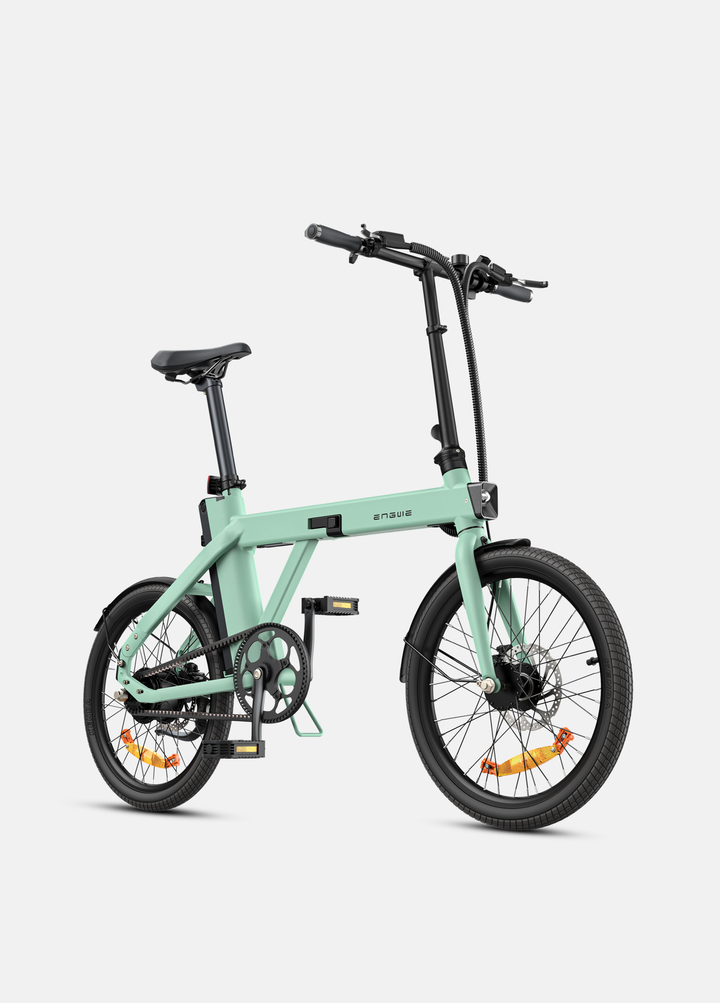
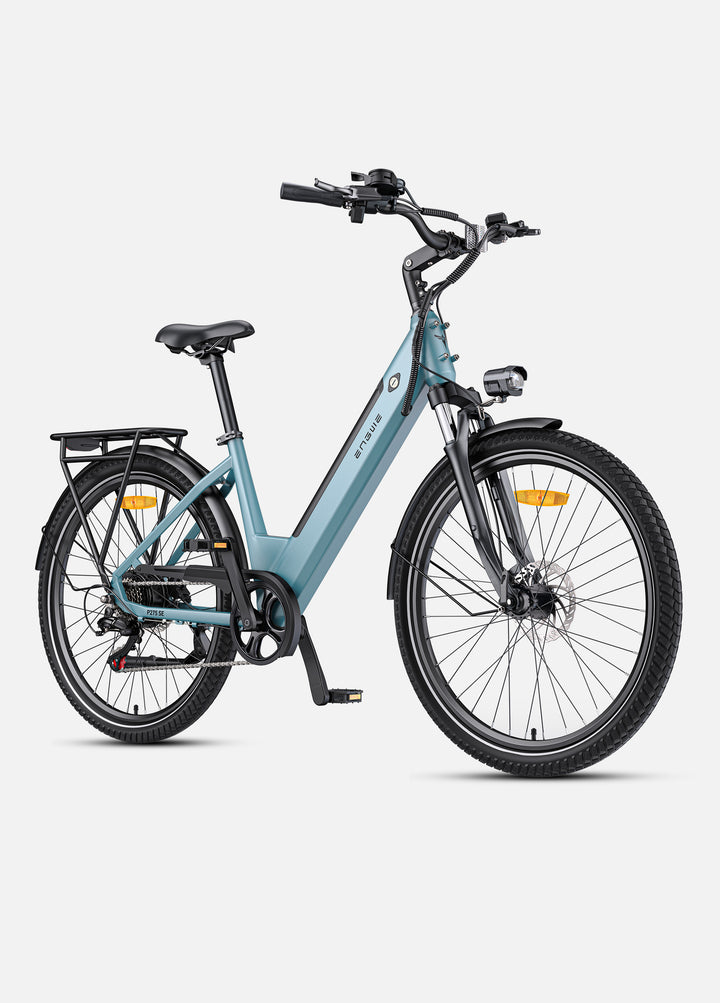
Electric bicycles are transforming the transportation scene, and a type that's really making an impact is the class 2 ebike. What sets it apart is that it's got both throttle assistance and pedal-assist features.
If you're thinking of getting one, it's a good idea to know the laws around them. This guide covers the basics of Class 2 ebike regulations and where you can ride in your state.
What Is a Class 2 Ebike
A class 2 ebike has both pedal-assist and a throttle that lets you move the bike. The motor helps you get up to 20 mph, then it shuts off. That's what sets class 2 ebikes apart from other types. An ebike class 2 throttle can be triggered with a button on top or a mechanism on the handlebars. It's especially useful at traffic lights or when you need a break.
The class 2 ebike definition says these bikes need to have working pedals. Riders can go with pedal-assist like a class 1 ebike, use just the throttle, or mix both. This makes class 2 ebikes perfect for anyone who might find nonstop pedaling tough.
How Fast Does a Class 2 Ebike Go

Getting a handle on class 2 ebike speed is crucial for staying on the right side of the law. Class 2 ebikes have a top speed of 20 mph. When you hit that speed, the motor cuts out. This class 2 ebike speed limit is the same across all 36 states that use the three-class ebike system. The 20 mph limit keeps class 2 ebikes classified as bicycles. This means they don't need licenses or insurance in most states.
The motor cuts out at 20 mph, but riders can pedal harder to pick up speed. What the law limits is the motor's help, not what the bike can do. This speed limit finds a sweet spot between giving a useful boost for commuting and keeping things safe.
Class 1 vs Class 2 Ebike: Key Differences
When checking out class 1 vs class 2 ebike options, the main thing to note is the throttle feature. A class 1 ebike gives motor support only when you're pedaling and stops when you stop pedaling or hit 20 mph. An ebike class 2 offers pedal-assist and a throttle. You can pedal and get some help, just like on a class 1 bike. This makes class 2 ebikes super handy in cities with lots of stops.
From a legal perspective, class 1 ebike vs class 2 models are mostly seen the same way. Both can be used on bike lanes and most paved paths. However, some natural trails might ban class 2 ebikes because of throttle use. Choosing between the two really comes down to what you prefer.
Class 2 vs Class 3 Ebike: Understanding the Differences

The comparison between class 2 vs class 3 ebike models shows some big differences. Class 2 ebikes max out at 20 mph, while a class 3 ebike can hit speeds of 28 mph. Usually, class 3 bikes don't come with throttles, but if they do, the throttle caps at 20 mph.
Cycling infrastructure isn't always accessible. Typically, class 2 e-bikes are allowed on most multi-use trails. But class 3 e-bikes are often prohibited from these paths because of their speed. That's a key difference that makes class 2 e-bikes pretty versatile.
Best Class 2 Ebike Options for 2025
Picking the best class 2 ebike really comes down to what you need, but some models stand out. When checking out any class 2 ebike for sale, think about motor power, build quality, and how you plan to use it.
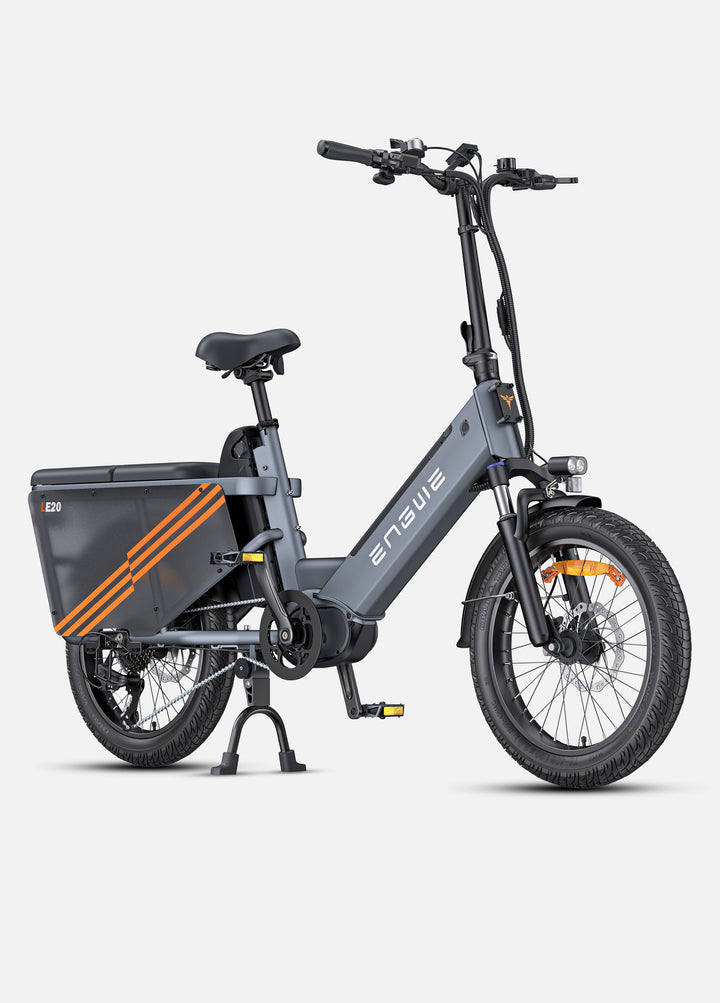
ENGWE LE20: Cargo-Ready Versatility
The ENGWE LE20 is a great example of a well-designed class 2 ebike. It's got both pedal-assist and throttle options. This bike can handle a load of up to 440 lbs, so it's super handy for grocery trips or taking the kids along for the ride.
This bike has built-in turn signals and brake lights, which are a big help for safety. Its 20-inch fat tires make it really stable. Plus, you can opt for a dual-battery setup, which lets you ride all day. The ENGWE LE20 has a great mix of practical features and is class 2 compliant.

Other Notable Class 2 Ebikes
The Aventon Aventure.2 is a top choice among e-bikes, especially for its fat tires and 750-watt motor. It's perfect for commuters who ride on all sorts of terrain.

The Lectric XP 4.0 is a great value for a folding class 2 ebike. It's compact, making it a good fit for apartment dwellers and commuters. The Lectric XP 4.0 may be small, but it's packed with a 750-watt motor.

The Rad Power RadRover series is one of the most popular fat-tire ebikes out there. They've got a great rep for reliability and customer support. These bikes are built tough, making them perfect for cruising around.

The Aventon Sinch.2 suits riders who need a folding bike that still packs power and range.

Where Can You Ride a Class 2 Ebike?
The ebike classes system in the U.S. sorts electric bikes into three groups. This ebike class 1 2 3 setup has been embraced by 36 states for uniform rules.
Getting familiar with class 2 ebike laws is crucial. Class 2 ebikes are allowed on public roads and bike lanes. Since they can only hit 20 mph with a boost, they work pretty well in city traffic.
Class 2 ebikes are usually okay on paved multi-use paths and rail-trails. Both class 1 and class 2 ebikes tend to have the same access, while class 3 models are often not allowed. Riders should keep an eye out for posted speed limits.
Access to natural trails can be hit or miss. Many places let class 2 ebikes on the same trails as regular bikes, but others say no because of the throttle. The National Park Service typically allows both class 1 and class 2 ebikes.
Licensing, Registration, and Insurance

Most states don't require a driver's license to ride class 1 or class 2 ebikes. These ebikes are considered bicycles under the law. That means people in most places can ride class 2 ebikes without a driver's license. But there are some exceptions. In Hawaii, you'll need to register your ebike. Massachusetts also requires registration.
Even though insurance isn't required by law, it's still a good idea to consider getting coverage in case your ebike gets stolen or you're found liable in an accident.
Frequently Asked Questions
What is a class 2 ebike?
A type 2 ebike is an electric bike that offers both pedal-assist and throttle options. The motor stops helping at 20 mph. The throttle lets you move the bike without pedaling. This is perfect for commuting and for riders. Type 2 ebikes often come with motors of up to 750 watts and are allowed on most roads and paved trails.
How fast does a class 2 ebike go?
A class 2 ebike tops out at 20 mph with motor assist. When you hit that speed, the motor stops helping out. You can still go faster, though, if you're pedaling hard. The motor just won't give you any extra boost beyond 20 mph.
Do you need a license to ride a class 2 ebike?
Most states let you ride a class 2 ebike without a driver's license. Massachusetts and Hawaii need special licenses or registration.
Where can you ride a class 2 ebike?
Class 2 ebikes are usually allowed on roads and most paved paths where regular bikes can ride. However, it depends on the area whether they're allowed on natural surface trails. Typically, the National Park Service lets them in where regular bikes are okay.
What is the difference between class 1 and class 2 ebikes?
The key difference between these e-bikes is that class 2 models come with a throttle. Class 1 bikes, on the other hand, only kick in when you're actively pedaling. One thing they have in common is a max speed of 20 mph. Class 2 e-bikes are more convenient for riders who need a break from pedaling sometimes.