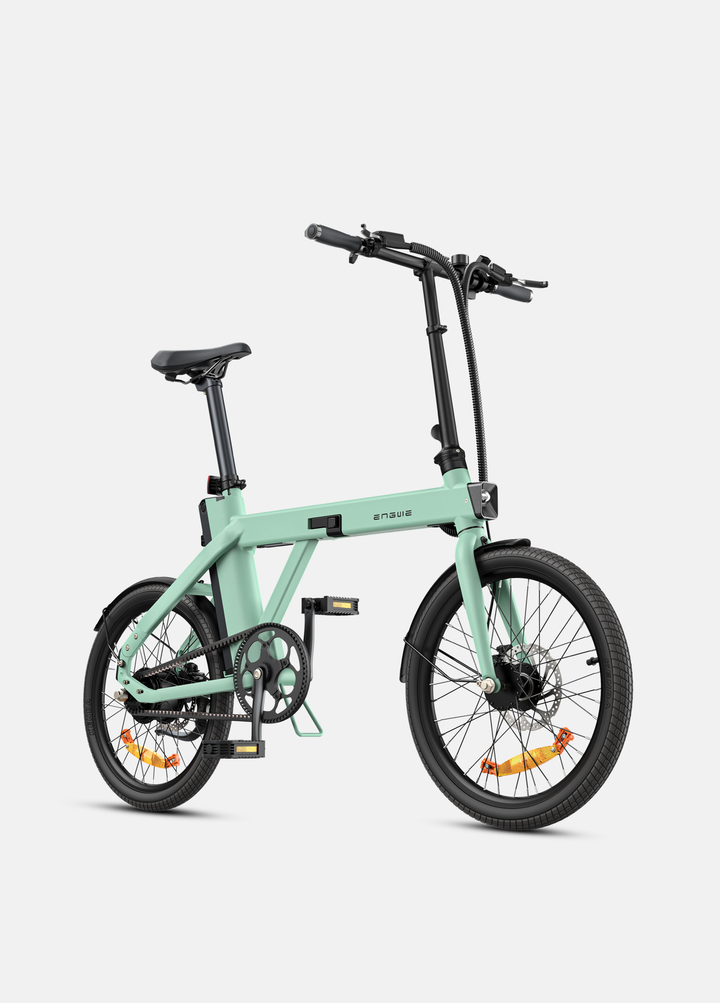
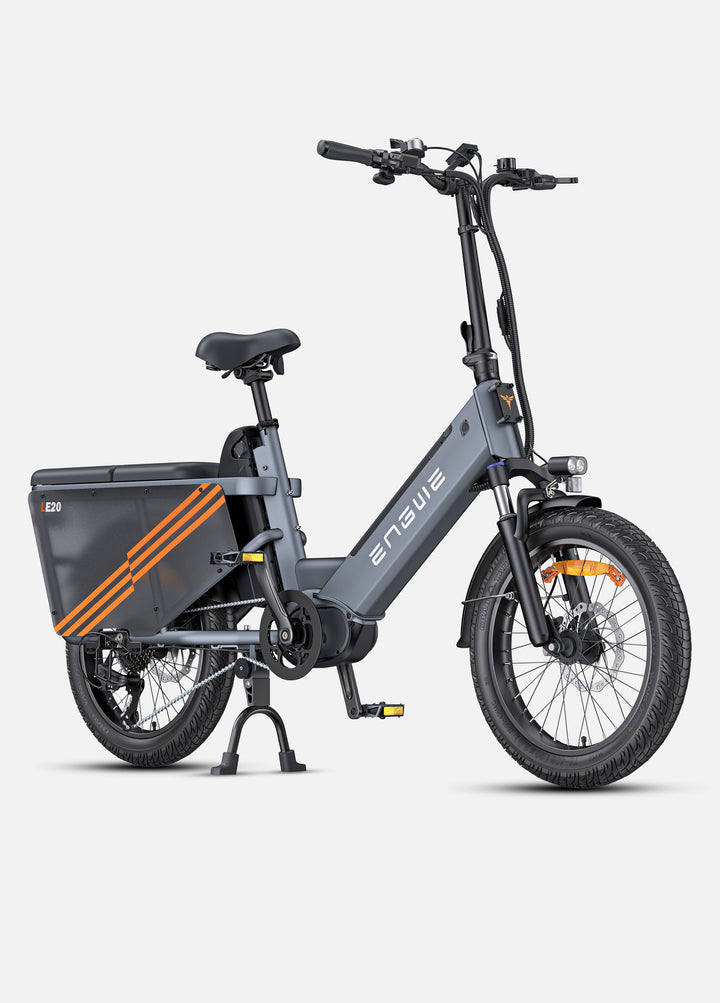
Knowing how fast a class 1 ebike can go is key for anyone thinking about getting an electric bike. A class 1 ebike offers pedal assistance up to 20 miles per hour. This speed cap, along with its pedal-assist-only feature, makes the class 1 electric bike a great pick for those wanting motor help with cycling.
Since 2014, over 36 states have jumped on board with the three-class system that PeopleForBikes has been pushing. This system has made buying and riding e-bikes a whole lot easier for consumers.
Understanding the Class 1 Ebike Definition
A class 1 ebike is defined by three main things.
-
First, the motor only kicks in when you're actively pedaling.
-
Second, the motor cuts off automatically when you hit 20 mph, but you can keep pedaling faster.
-
Third, class 1 ebikes don't have throttles, so you always have to pedal to get some motor help.
The motor power of a class 1 ebike typically tops out at 750 watts. The idea is to strike a balance between traditional biking and electric assistance. The pedal-assist amplifies your effort, making each pedal stroke more efficient.
So, what is a class 1 ebike? It feels like a regular bike, but with a helpful boost. Most class 1 electric bikes come with multiple assistance levels. This lets riders choose how much help they want.
Class 1 Ebike Speed Capabilities and Limitations

The class 1 ebike speed limit is 20 mph, set by federal and state regulations. When you hit 20 mph, the motor stops helping, but you can still pedal faster on your own. This means that experienced riders can go over 20 mph on flat ground or down hills.
How fast does a class 1 ebike go in the real world? It depends on your weight, wind resistance, how much charge your battery has, and more. On flat ground, most people can cruise at 15 to 20 mph pretty comfortably. When you hit the hills, that assistance helps you keep a pace of 10 to 15 mph.
The class 1 ebike speed limit does a lot more than just set a rule.
-
For one thing, it keeps electric bikes at a speed that most bike lanes can handle safely.
-
Two, it helps your battery last longer by not letting the motor use up too much power.
-
And three, it keeps the exercise benefits that riders look for.
Comparing Ebike Classes: Class 1 vs Class 2 Ebike vs Class 3 Ebike

Getting to know the ebike class 1 2 3 differences makes it easier for people to pick the perfect ebike. The ebike classes break things down into categories based on how fast they go and how the motor kicks in.
When looking at class 1 vs class 2 ebike options, the main difference is that a class 2 ebike comes with a throttle control. This lets riders use the motor without pedaling. However, this convenience can lead to limited access on some bike paths and trails.
The class 1 ebike vs class 2 comparison shows that class 1 models are more widely accepted legally. Many trails and parks that allow regular bikes also welcome class 1 electric bikes. This makes the best class 1 ebike choices appealing for riders.
Looking at class 1 vs class 3 ebike options shows a different trade-off. Class 3 ebikes offer pedal assistance, making them a lot quicker than class 1 models. However, this speed brings along more restrictions. Class 3 bikes often can’t be used on multi-use paths or trails. Plus, some places even require class 3 riders to wear helmets.
Legal Advantages and Riding Permissions for Class 1 Electric Bikes

The class 1 ebike definition offers some great legal perks. In many places with a three-class system, class 1 electric bikes are almost seen as regular bicycles. This means riders usually don’t need a driver’s license or insurance to ride a class 1 ebike in public.
Class 1 ebike for sale options are popular due to their easy access to cycling paths. These bikes usually fit right into bike lanes, multi-use trails, and sometimes even natural mountain bike trails. This broad acceptance makes class 1 performance similar to regular bikes.
Age restrictions for class 1 ebikes are usually pretty relaxed. Still, some manufacturers suggest minimum ages of 14 to 16 for safety. Helmet laws exist, but are often less strict for class 1 riders compared to class 3 users.
In many states, if helmets are required for a class 3 ebike, they’re only needed for class 1 riders under 18. However, it's always a smart idea to wear protective gear.
ENGWE Class 1 Electric Bike Options
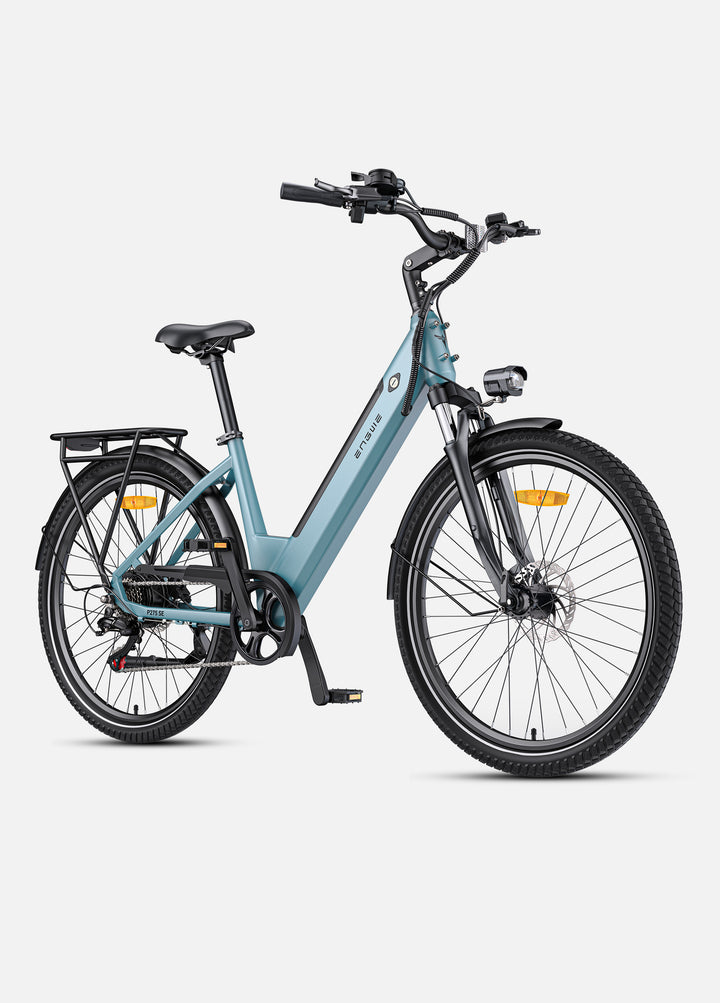
ENGWE has some electric bike models that give you quality class 1 electric bike performance. The ENGWE P275 ST is a great Step Thru Urban E-Bike, with an Ananda Mid-drive Motor and a sturdy build. And, with a range of 260 kilometers, the ENGWE P275 ST is perfect for anyone looking for a class 1 electric bike.

The ENGWE P275 SE has a smart torque sensor and a 100km range. This bike shows ENGWE's dedication to creating electric bikes that are great for long distances. The ENGWE P275 SE is perfect for riders looking for a reliable Class 1 electric bike.

Performance Benefits of Class 1 Electric Bicycles
The best class 1 ebike models offer some solid performance perks. One big plus of the 20 mph limit is battery efficiency. Motors use way less power at moderate speeds. Thus, many class 1 ebikes are able to go 40 to 80 miles, depending on the terrain and how much assistance you choose.
The natural cycling vibe from ebike class 1 models attracts old-school riders. Also, since the motor kicks in only when you pedal, you can easily tweak your effort. This setup makes class 1 ebikes perfect for fitness-focused riders.
Class 1 ebike speed is also a big factor in safety, especially for new riders. The 20 mph limit reduces the pressure to react quickly, making it easier to handle crowded situations.
Frequently Asked Questions
What is the maximum speed of a class 1 ebike?
A class 1 ebike gives you motor help up to 20 miles per hour. After that, the motor stops providing power. Don't worry, you can still pedal faster if you want to.
Do I need a license to ride a class 1 electric bike?
In many places, you don't need a license or insurance. These bikes are usually considered regular bikes under the law. Laws can vary, so it's a good idea to check local rules before hopping on.
Where can I ride a class 1 ebike?
Class 1 ebikes are pretty much allowed anywhere regular bikes are, like bike lanes and a lot of mountain bike trails. This makes them the most versatile type of e-bike. Just remember to check local rules.
How does a class 1 ebike differ from other electric bike classes?
Class 1 ebikes are all about pedal-assist with no throttle and a 20 mph speed cap. Class 2 ebikes throw in throttle control but keep that same 20 mph limit. Class 3 ebikes ramp up the pedal-assist speed to 28 mph. The class 1 design gives you the best legal access.
What is the typical range of a class 1 electric bike?
Most class 1 ebikes can go between 40 and 80 miles on a charge, depending on things like the terrain and the battery's capacity. A big help in getting that range is the moderate 20 mph speed limit.