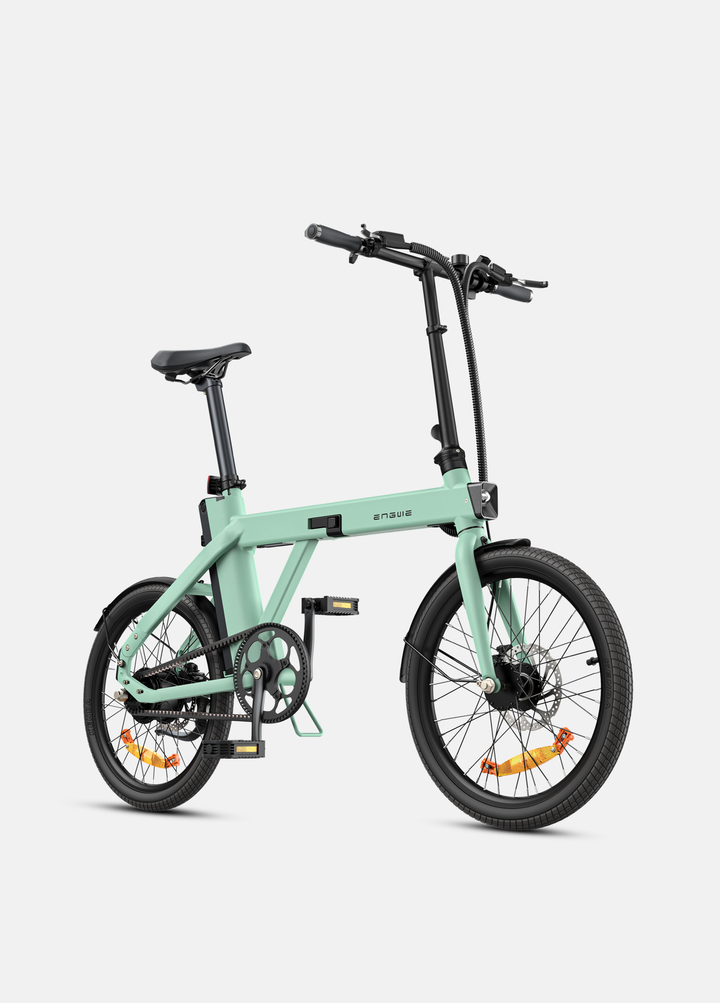
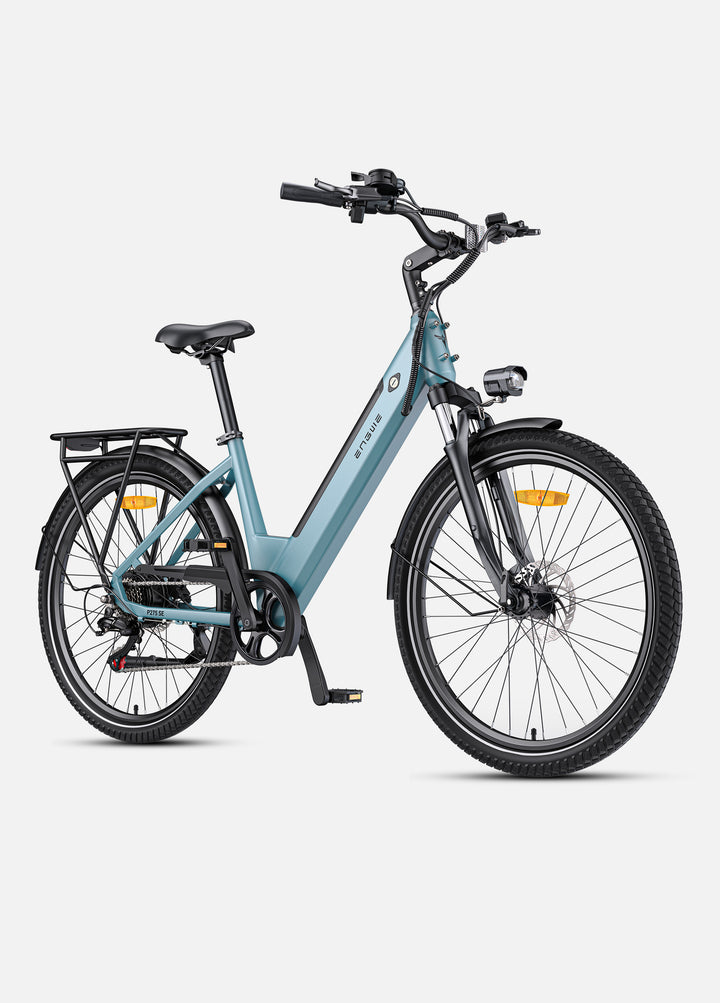
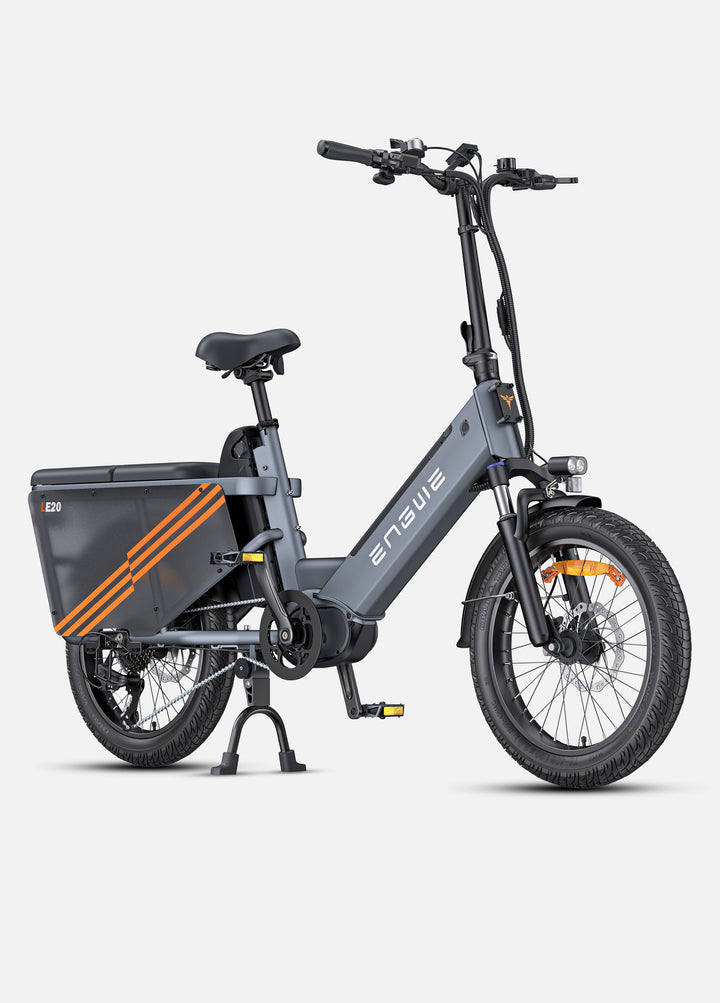
The era of ebikes is quickly changing, and the debate on whether a belt drive ebike is superior to a conventional chain-driven ebike is one of the hottest topics going around today. Both setups have their strengths, and it mostly boils down to your riding style, budget, and maintenance routine. This post discusses the differences between chain drives and belt drives, the advantages and disadvantages, and what would be best for your next bike ride.
What is a Belt Drive Ebike?
A belt drive ebike substitutes the traditional metal chain with a heavy-duty carbon belt. As opposed to metal links, the belt comprises stiff materials that do not stretch, rust, or wear out too much. Ebike with belt drive are gaining favor with commuters, urban riders, and even adventure riders due to low maintenance and a creamy smooth ride.
As opposed to chain systems, belts do not require lubrication and are commonly coupled with internal gear hubs for a smooth ride. ENGWE P20 is the best Recommendation for belt drive ebike. It is a lightweight and portable ebike with long-lasting battery power.

Belt Drive Ebike Benefits
1. Low Maintenance
One of the greatest benefits of belt drive ebikes is that they are low-maintenance. Belts are not lubricated, will not rust, and can go twice as long as a chain system. This makes them particularly suited for regular commuters who desire worry-free riding.
2. Smooth and Quiet Ride
Chains tend to produce clattering sounds, particularly if they are poorly maintained. A belt driven ebike gives one close-to-silent riding, which is very comfortable in long commutes or serene rides.
3. Long-Term Durability
Belt materials are constructed using long-lasting carbon fiber-reinforced materials. This construction allows them to cover thousands of miles without losing tension, making them perfect for commuters who want long-term reliability.
4. Cleaner Operation
Goodbye, greasy pants or dirty hands. Because belts do not need to be lubricated, a belt drive ebike is cleaner to work with than a chain system.
Disadvantages of Belt Drive Ebikes
Although they are impressive, belt drive ebikes are not perfect. Some of their disadvantages are:
Cost: Belts and belt-compatible components tend to cost more.
Compatibility: Not all bike frames are belt-compatible, which reduces your choice.
Limited Gear Ratio: Belt drives rely on using internal gear hubs, which may provide fewer gears and a narrower range of gears than derailleur systems.

Chain Drive Ebikes: The Classic Choice
Even with the invention of belt drives, chain-driven ebikes remain conventional. Chains are cheap, available everywhere, and can be fitted to nearly any frame and motor combination. Chains provide more gear range and adjustability to fit rider requirements for those who require it, such as mountain cyclists or people on very steep inclines.
Chains need to be cleaned, oiled, and replaced every few thousand miles.
Models like the ENGWE EP-2 Pro depend on sturdy chain systems, providing riders with confidence in long rides. Thus it is an excellent option for those who want to have the old school mechanics. These models set the standard for how ENGWE continues to improve chain-drive ebikes for efficiency and reliability.

Full Suspension Ebike with Belt Drive: An Emerging Trend
In recent years, manufacturers have begun designing full suspension ebikes with belt drive systems. These combine the comfort of advanced suspension with the low-maintenance benefits of a belt. They’re especially popular with off-road and adventure riders who want both durability and comfort on rugged terrain.
Best Belt Drive Ebike Options
If you’re considering switching, here are some popular choices often highlighted as the best belt drive ebikes in the market today:
Riese & Müller Supercharger – Excellent build quality and extended range.
Priority Current – Sleek power delivery commuter ebike.
Tern HSD S+ – Belt-drive cargo ebike great for hauling or the family bike.
All of these show how dependable and versatile belt-driven concepts have become.

Belt Drive Ebike vs. Chain: What to Choose?
The choice really boils down to riding style:
Select a chain-drive ebike if you require affordability, larger gear ratios, and interchangeability with most aftermarket parts.
|
Feature |
Belt Drive Ebike |
Chain Drive Ebike |
|
Maintenance |
Very low – no lubrication required |
Needs regular lubrication and cleaning |
|
Durability |
Lasts up to 2–3 times longer than chains |
Wears out faster, especially with heavy use |
|
Noise Level |
Quiet and smooth ride |
Can be noisy, especially when dirty or worn |
|
Efficiency |
Slightly less efficient on long-distance or high-torque rides |
More efficient for power transfer |
|
Weight |
Lighter than a chain system |
Slightly heavier |
|
Weather Resistance |
Performs well in rain, mud, and snow (no rust) |
Can rust or wear quickly in harsh weather |
|
Cost |
More expensive upfront |
Affordable and widely available |
|
Repair/Replacement |
Limited availability; harder to find in remote areas |
Easy to repair and replace almost anywhere |
|
Best For |
Urban commuting, low-maintenance riders |
Off-road, performance, and high-power riders |
ENGWE's Place in the Ebike Industry
Although ENGWE presently is a hit with chain-driven models as opposed to belt drive setups, they are still among the riders' favorites for high-grade performance at budget-friendly pricing. Consider the ENGWE Engine X, for instance, which provides power, durability, and comfort with a conventional drivetrain, and it remains a rider favorite for those seeking reliable chain technology.
ENGWE’s lineup demonstrates that even without a belt drive, riders can enjoy excellent performance, portability, and long-lasting design. This makes ENGWE an appealing brand for those seeking a balance between compliance, affordability, and performance.

Conclusion
In the belt drive ebike vs. chain debate, everyone loses. Belts are quiet, low-maintenance, and long-lasting, while chains are cheap, adjustable, and extremely compatible. Your riding preference and priority will determine which one is preferred by you.
If you want modern convenience and can settle for a slightly higher price tag, a belt driven ebike will be worth your while. But if you prefer established performance and effortless component exchangeability, chain drives are still the better option.
Whatever your decision, manufacturers such as ENGWE simply continue providing sound choices that demonstrate that reliability is far less of a matter of the new trend, it's a matter of getting the bike right for you.