The electric bike market has blown up so fast, making choosing the best e bike tough. That's why we put together this guide to give you the lowdown on everything you need to know. From the basics to more in-depth things, we've got it covered. You'll understand the different types of e bikes, and what sets them apart. Whether you're hitting the trails or just cruising around, we'll help you find the perfect one.
Understanding Electric Bikes: What Makes the Best E Bike
Electric bikes pair traditional bike parts with an electric motor and battery. The best e bike brings them together to offer pedal assistance. This means you can cover more ground without tiring as quickly.
Modern electric bikes usually have a motor that's typically 250W, a battery system, and a control unit. The motor kicks in when you pedal, and the battery gives the system its power. Some bikes have extra features like torque sensors and different levels of assistance.

Essential Features to Look for in the Best E Bike
Motor Types and Performance
The motor is the core of any electric bike system. What is the best e bike motor?There are two main types, starting with hub motors, which are mounted in either the front or rear wheel. They're perfect for riding on flat ground and commuting.
Mid-drive motors, on the other hand, are mounted near the bike's bottom bracket. This gives them better weight balance.
Think carefully about where the motor goes. Rear hub motors keep things feeling normal and natural, while front hub motors can throw off your steering. Mid-drive motors give you the best all-around performance.
Battery Technology and Range
Battery capacity decides how far you can ride on one charge. Nowadays, most lithium-ion batteries range from 300 Wh to 800 Wh. The key to a great e-bike is finding a balance between battery power and keeping the weight down.
Your e-bike's range depends on how much the rider weighs, the weather, and how much help you're getting. Opt for a removable battery that you can charge indoors and easily swap out.
Control Systems and Display
The best e bikes have controls that are easy to figure out. Simple systems show you the basics like battery life and what mode you're in. More advanced displays add features like GPS and smartphone connectivity. When choosing an e-bike, think about how easy it is to use the controls while you're riding.
Build Quality and Components
The way a bike frame is built really affects how long it lasts. Aluminum frames do a great job of balancing weight and strength. Steel frames are heavy, while carbon fiber is great but pricey.
Do you know the features that make a great ride? Hydraulic disc brakes and reliable drivetrains. Puncture-resistant tires are a big plus, too. The best e bikes use high-quality components that are designed to handle the extra weight.

Top Electric Bike Categories
Commuter E-Bikes
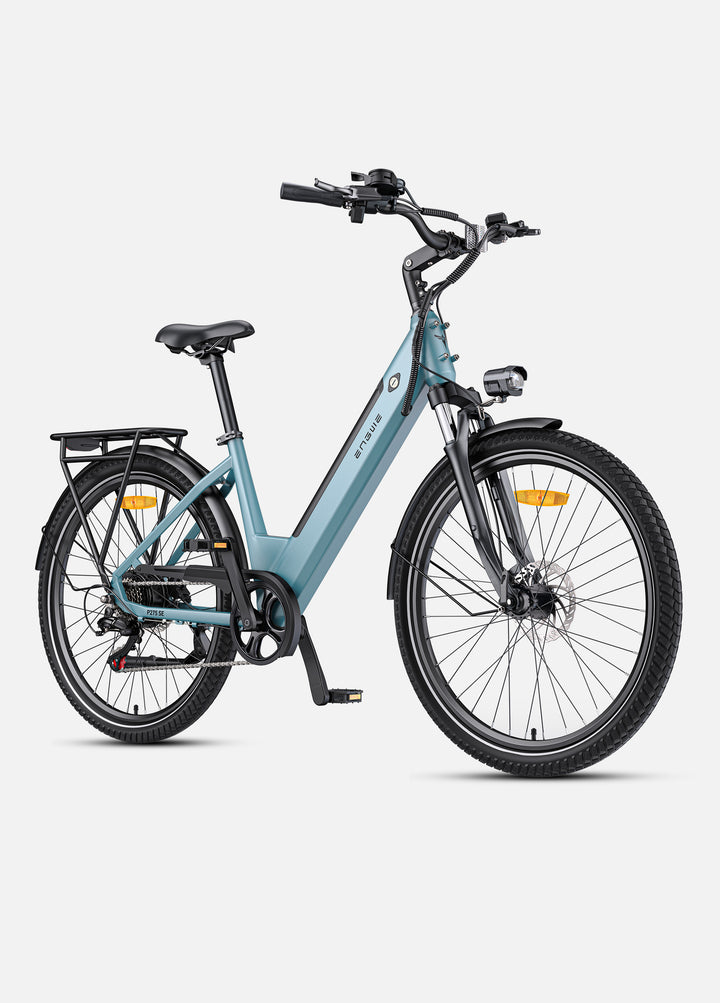
Commuter electric bikes usually have an upright riding position, lights, and racks built in for carrying stuff. The step-through frames make it easier to get on and off. The ideal commuter e-bike should have enough range and work well in different kinds of weather. Features such as built-in security are a big plus for city riders.
Mountain E-Bikes
Electric mountain bikes make trails more accessible. They're built with tough and powerful motors that can handle tough climbs and tricky trails. When looking at mountain e-bikes, think about suspension travel and how much torque the motor puts out. The best ones for off-road riding strike a balance between power and control.
Folding E-Bikes
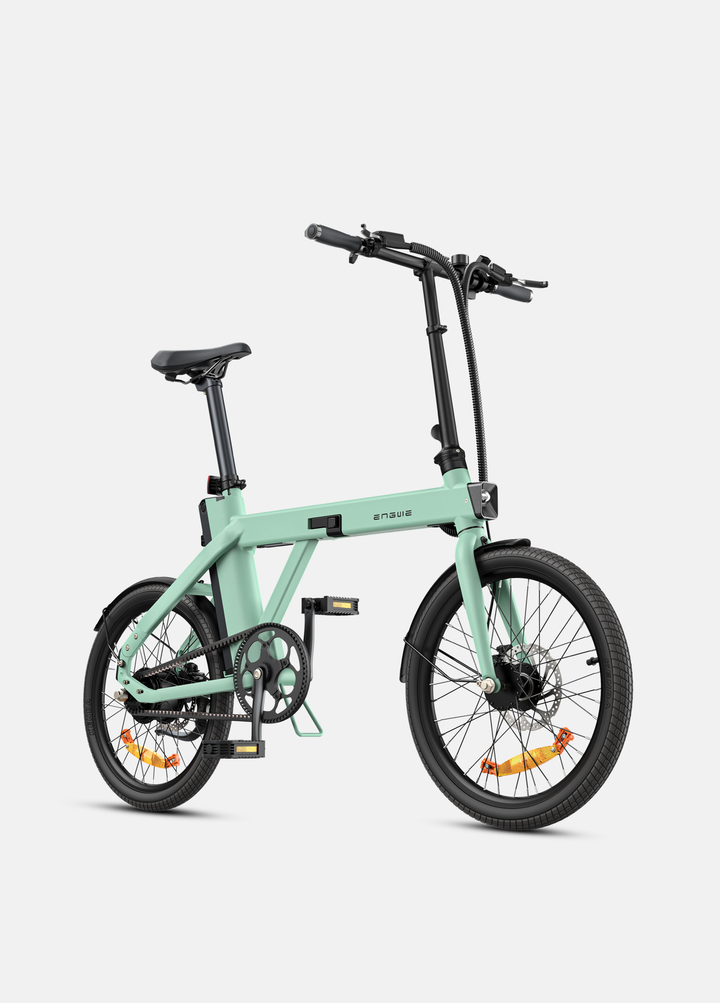
Folding electric bikes are convenient for storing and carrying around. They're perfect for city commuters who don't have a lot of space at home. Despite their compact size, good folding e-bikes don't sacrifice too much. Opt for models with easy-to-fold designs and enough range for your needs.
Ebike Reviews: Performance and Value
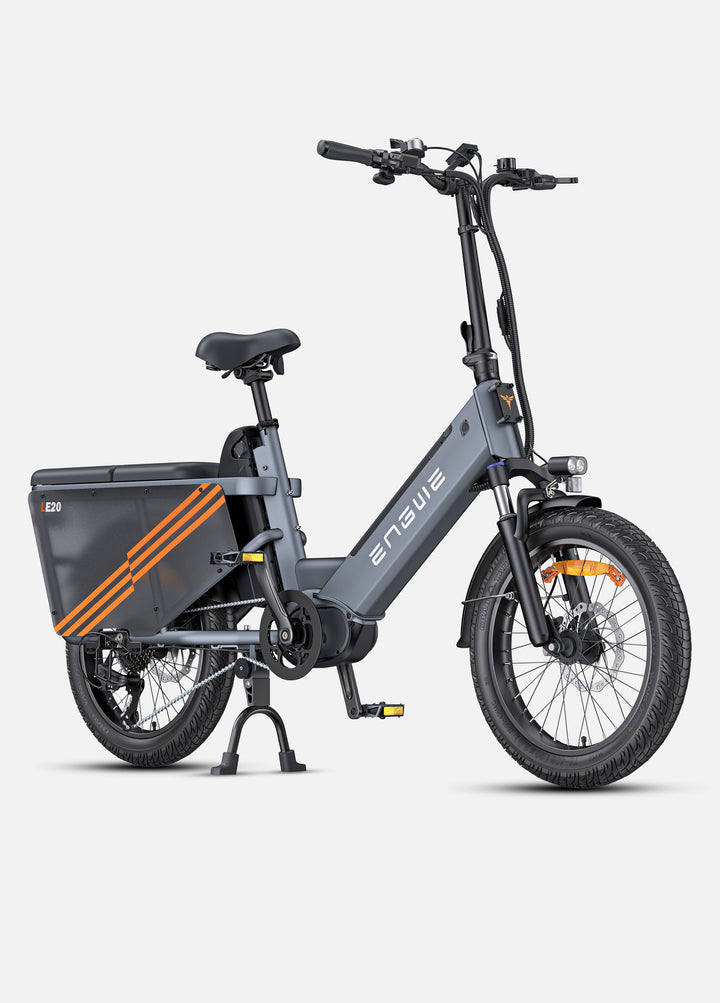
ENGWE is a big name in the electric bike market, with a range of models. They offer commuter bikes, foldable options, and more. If you're wondering what is the best e bike on the market is, they have something for everyone.
ENGWE P275 Pro
The ENGWE P275 Pro is a bike for commuters, with a Bafang mid-drive motor. Its step-over design is a hit with riders who need a bike that's fast and efficient. The mid-drive motor placement is spot on for weight distribution. With 250W of power, this setup complies with regulations in most areas while still delivering the performance you need.

ENGWE EP-2 Boost
The ENGWE EP-2 Boost shows off its approach to making electric mobility easy for everyone. This EU-compliant model has a 250W motor that gives you a range of up to 120 km. It's also designed to handle any terrain.
Key features include a boost power function and a rugged build. The bike is designed for rider comfort, with comfortable seating and quality parts.

ENGWE Engine Pro 2.0
For riders who want more power and flexibility, the ENGWE Engine Pro 2.0 gives you 75 Nm of torque. This bike is made for outdoor enthusiasts who need something they can take on the go. The folding feature makes it easy to transport.
This bike can handle tough terrain and heavy loads. It's designed for outdoor adventures, so it's got features like weather resistance and durable components.

Factors Affecting Electric Bike Performance
Terrain and Riding Conditions
Terrain makes a big difference in how an electric bike performs. Flat roads are best for getting the most efficiency, while hills require more power. To get the most out of an e-bike, it should be a good match for the kind of terrain you usually ride on. Air resistance also plays a role in how an e-bike performs. The top 5 electric bikes have multiple assistance levels.
Rider Weight and Load
The weight of the whole system has a big impact on the motor. The more weight you add, the more power it needs. So, think about what you usually carry when you're choosing an electric bike.
Typically, a decent e-bike can handle a combined weight of 100-120 kg. That said, cargo bikes can take much heavier loads, even if it means they're not as agile.
Weather Conditions
Battery performance takes a hit when temperatures get extreme. To get the best performance out of a lithium-ion battery, temperatures between 10 and 30°C are ideal. Rain and moisture can damage electrical parts, so find bikes with good weather sealing.
Making Your Decision: Choosing the Best E Bike
Picking the right e-bike means finding one that suits you. Think about how far you'll typically ride, how much space you have, and what you're willing to spend. Taking various models for a spin gives you a better sense of their performance. Lots of retailers offer trial periods so you can try before you buy.
Check out the manufacturer's rep and local service options. The best e bikes usually come from companies that focus on supporting their customers.

Key Takeaway
The electric bike market is incredibly diverse and capable. If you're looking for a bike that's great for commuting or going on adventures, high-quality electric bikes offer a great balance of mobility and eco-friendliness.
When it comes to choosing the right e-bike, understanding stuff like motor types and component quality is crucial. Brands like ENGWE show that you can get an e-bike that performs reliably at the right price.
Frequently Asked Questions
What is the best e-bike for daily commuting?
The best e bike for daily commuting has a few key features, including a comfortable riding position, fenders, and lights. It should also be able to cover around 50-80 km on a single charge. If you're looking for something reliable and efficient, consider a bike like the ENGWE P275 Pro; its mid-drive motor is a winner. And if you wear professional clothes to work, you might prefer a step-through design, which makes it easy to get on and off the bike.
How long do electric bike batteries typically last?
Good lithium-ion batteries last a long time, typically around 500-1000 charges. That's usually 3-5 years of normal use. If you take care of them, like keeping them away from extreme temperatures and not letting them completely drain, they'll likely last even longer. Replacing batteries can be pricey, so it's a significant maintenance expense.
Can I ride an electric bike without motor assistance?
Yeah, good electric bikes work just like regular bikes when the motor's off. But the extra weight from the motor and battery makes pedaling tougher.
What motor power do I need for hill climbing?
For moderate hills, 250W motors suffice for most riders. Steep hills may benefit from higher torque mid-drive systems. Motor placement and gearing affect performance as much as raw power output.
Do electric bikes require special maintenance?
Yes, electric bikes need standard bicycle maintenance. Regular chain lubrication and tire maintenance also remain important.