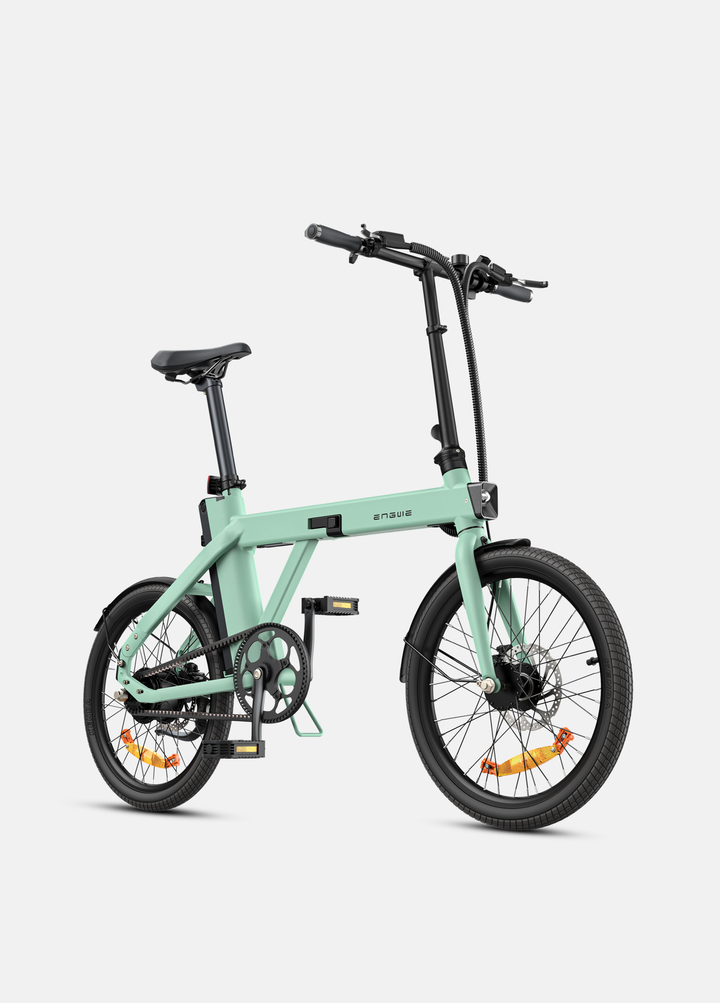
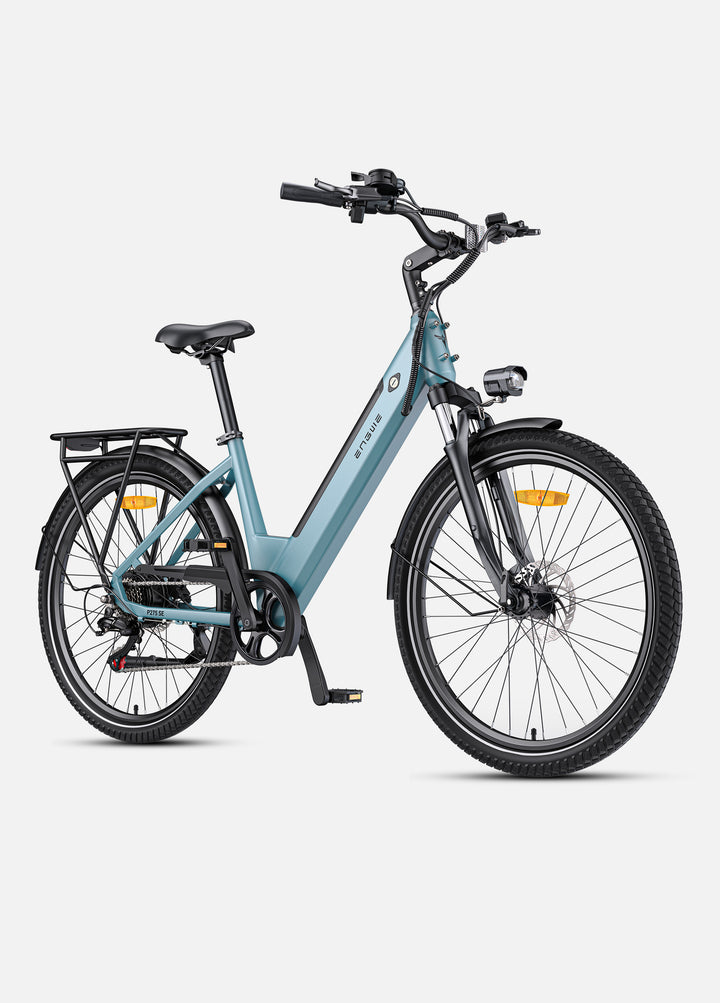
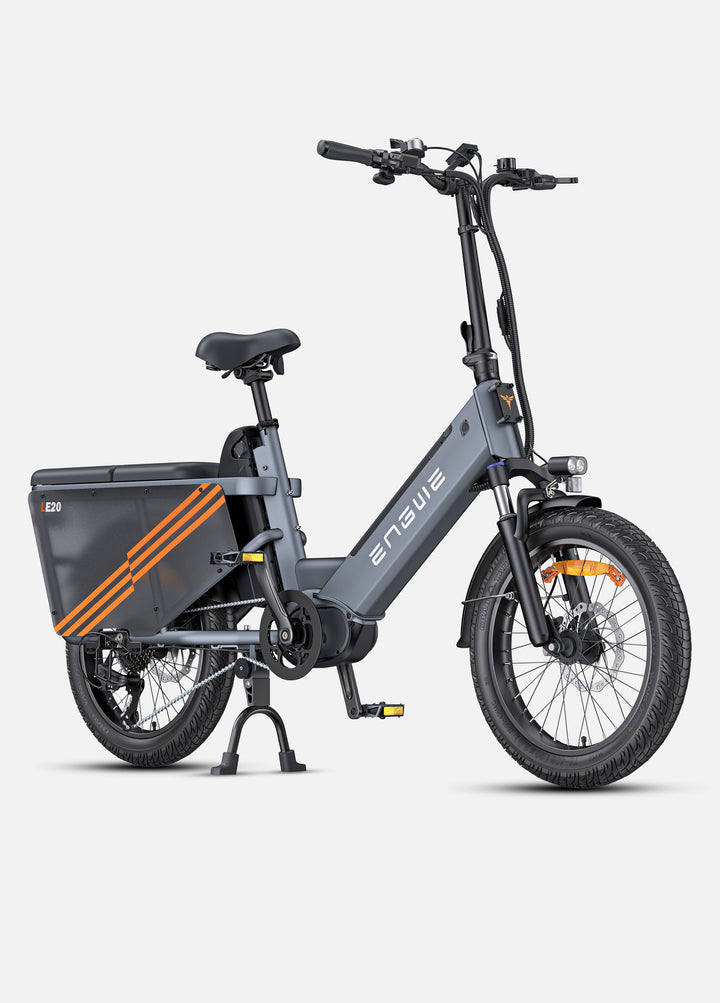
An ebike motor does more than move the bike — it shapes how you ride. Power delivery, balance, and response all depend on the type of motor under the frame. Whether it’s a mid drive ebike motor for steep climbs, an ebike hub motor for simple commuting, or a dual motor ebike for tough trails, each offers something different.
This guide breaks down the main motor types, compares their strengths, and shares EU-compliant models to help you choose the setup that fits your style and routes.

Main Types of Ebike Motors
There isn’t just one way an ebike motor can be set up. The three common designs are mid drive ebike motor, ebike hub motor, and dual motor ebike. Each one sits in a different spot on the bike, works in its own way, and has strengths that suit certain riders more than others.
Mid Drive Ebike Motor
With a mid drive ebike motor, the unit is placed close to the pedals, driving power through the bike’s chain. This position spreads the weight evenly and lets the motor work with the bike’s gears, making climbs feel easier and smoother. Riders who want a more natural pedaling feel often look at systems like the Bosch ebike motor or Bafang ebike motor. The trade-off? They can be more expensive and wear out chains faster.
Ebike Hub Motor
An ebike hub motor sits inside the wheel hub, either at the front or back. Power goes straight to the wheel, which keeps the design simple and keeps costs down. It’s easy to maintain and ideal for flat or mild terrain. The drawback is that it doesn’t match the climbing strength of other options. Many people who add an electric motor for ebike as a conversion kit use this style.
Dual Motor Ebike
A dual motor ebike has a motor in each wheel. This means both wheels pull or push the bike, giving extra traction on sand, snow, or loose gravel. It’s quick off the mark and handles tricky ground well. The downside is extra weight and more battery drain. Some riders call it the best dual motor ebike for off-road fun, though it’s not always needed for everyday city use.

Comparing Ebike Motor Types
Each ebike motor style has its own trade-offs, and the choice often comes down to what matters most to the rider — handling, upkeep, or range. This table gives a quick reference.
|
Feature |
Mid Drive Motor |
Hub Motor |
Dual Motor |
|
Weight Balance |
Evenly centered for stable handling |
Heavier at wheel, can feel different steering |
Heaviest overall, extra effort to move |
|
Power Delivery |
Feels natural, adapts with bike’s gears |
Consistent, less adaptable on steep climbs |
Strong pull from both wheels |
|
Maintenance |
More chain and gear wear |
Low upkeep, fewer moving parts |
More parts to service |
|
Noise Level |
Usually quieter |
Slight hum under load |
Louder due to dual motors |
|
Battery Impact |
Moderate use per ride |
More efficient on flat terrain |
High draw, needs larger capacity |
For riders in busy EU cities, a hub motor offers a low-maintenance setup and predictable handling in stop-and-go traffic. Those covering longer distances or riding on mixed terrain may benefit from a mid drive ebike motor that works with the bike’s gears for smoother performance.
A dual motor ebike is worth considering if your routes often involve sandy paths, snowy streets, or uneven surfaces where extra grip is essential.
Ebike Motor Rules and Road Legality in Europe
In most parts of the EU, an ebike motor for regular road use can’t go over 250W of steady output. Assistance should stop once you hit 25 km/h, and the battery needs to stay at or under 48V. These rules keep speeds and power within safe limits for shared roads.
Go beyond those numbers and the bike moves into a different category. That can mean things like insurance, a license, or registration, depending on the country.
Standard, compliant e-bikes are fine on public streets and cycle lanes. If you want something with more power, it’s still possible — but it must stay on private property or approved off-road routes.
People often ask, is an ebike considered a motorized vehicle? If it meets EU limits, it’s treated like a bicycle. Break those limits, and it’s classed as a motorized vehicle, following moped or scooter rules.
Choosing the Right Electric Motor for Ebike
Picking the right ebike motor isn’t just about reading a spec sheet. Think about where you ride most, and how often. Flat city streets feel different from steep hills or loose gravel paths, and your motor choice will show it. Some riders go for light, easy-to-handle bikes.
Others want something that can take on climbs without a second thought. ENGWE’s EU-ready models cover a range of riding styles while staying within the 250W, 25 km/h, 48V limits.
Our Picks:
- ENGWE T14 – Compact Hub Motor for Short City Trips
- ENGWE L20 – Comfortable Hub Motor Commuter
- ENGWE X26 – Dual Motor Off-Road Power
- ENGWE P275 Pro – Mid Drive Efficiency for Long Distances
- ENGWE EP-2 Pro EU Version – Folding Hub Motor All-Rounder
- Trek Allant+ 7- Urban & commuter bikes
ENGWE T14 – Compact Hub Motor for Short City Trips
Motor Type: 250W rear hub motor
Key Features: 30 N·m torque, 14-inch tires, multiple suspension points, 48V 10Ah battery, mechanical disc brakes.
Ideal Use Case: Quick urban commutes or short errands, especially where storage space is limited. Folding design makes it easy to carry and store in small apartments.

ENGWE L20 – Comfortable Hub Motor Commuter
Motor Type: 250W brushless rear hub motor
Key Features: 50 N·m torque, 20×4.0 fat tires, front suspension, 48V 13Ah battery, Shimano 7-speed gears, up to 140 km range (PAS).
Ideal Use Case: Daily commutes or leisure rides where comfort and range are priorities. Fat tires provide stability on mixed surfaces.

ENGWE X26 – Dual Motor Off-Road Power
Motor Type: Dual integrated hub motors (front and rear)
Key Features: 70 N·m torque, 26×4.0 fat tires, triple suspension, hydraulic disc brakes, dual batteries with up to 150 km range (ECO mode).
Ideal Use Case: Off-road riding on sand, snow, or rough terrain. Extra traction and stability make it ideal for adventurous riders.

ENGWE P275 Pro – Mid Drive Efficiency for Long Distances
Motor Type: Bafang 250W brushless mid drive motor
Key Features: 65 N·m torque, Bafang automatic gear shifter, Gates carbon belt drive, Tektro hydraulic disc brakes, Samsung 36V 19.2Ah battery, up to 260 km range (PAS 1).
Ideal Use Case: Long-distance touring or fitness riding where smooth gear changes and high efficiency are important.

ENGWE EP-2 Pro – Folding Hub Motor All-Rounder
Motor Type: 250W brushless rear hub motor
Key Features: 55 N·m torque, 20×4.0 fat tires, Shimano 7-speed gears, 48V 13Ah battery, up to 120 km range (PAS).
Ideal Use Case: Commuters and casual riders who need a folding design for easy transport, but also want stability for mixed terrains.

Trek Allant+ 7 – Urban and Commuter Ebike
Motor Type: Bosch Performance Line CX mid drive motor
Key Features: 85 N·m torque, 625Wh Bosch PowerTube battery, 10-speed Shimano drivetrain, high-quality suspension and brakes.
Ideal Use Case: Premium touring and daily commuting with strong mid drive support and high-end components, available in EU-compliant versions.

Care and Maintenance Tips for Ebike Motors
If you want your ebike motors to last, don’t wait until there’s a problem. Give it a quick wipe after rides, especially if you’ve been through rain or dirt. Skip the high-pressure hose—water can find its way into places it shouldn’t.
For hub motors, check the wheel spins freely and the axle nuts stay tight. A sudden rattle or grinding noise is a red flag—sort it early before it turns costly.
A mid drive motor puts more load on the chain and gears, so keep them clean and lightly oiled. Smooth shifting means less strain on the whole system.
Whatever setup you ride, store your bike somewhere dry, and avoid submerging the motor in puddles. A few minutes of care here and there will save you headaches later.
Conclusion
Thinking about your next ride upgrade? Explore ENGWE’s official ebike motors range—whether you need something compact for city errands or a powerhouse for long tours, there’s a fit for every rider.
If you’re shopping for the first time, check for current discount code offers to save while securing a motor that matches your style. Start browsing today and get ready for miles of smooth, reliable riding.
Frequently Asked Questions
What’s better, a mid drive ebike motor or a hub motor?
A mid drive motor offers better hill climbing and weight balance, while a hub motor is simpler and often more affordable. The right choice depends on your terrain, budget, and riding style. Both are widely used in EU-compliant ebikes.
Are ebikes considered motorized vehicles in Europe?
In most EU countries, pedal-assist ebikes with a 250W motor and 25 km/h limit are not classified as motorized vehicles. They’re treated like regular bicycles, meaning no license or registration is required for compliant models.
What is the best dual motor ebike for off-road riding?
The ENGWE X26 stands out for off-road use, with dual hub motors, fat tires, and triple suspension. It’s designed to handle sand, snow, and rocky terrain while staying within EU performance regulations.
How many chain links are on an ENGWE M20 ebike?
The ENGWE M20 typically comes with a standard single-speed chain. However, chain length can vary slightly depending on adjustments or aftermarket modifications.
Can I turn my bike into an ebike with a motor kit?
Yes, you can convert most standard bicycles into ebikes with a motor kit. Choose between a hub motor or mid drive kit, ensuring it meets EU rules of 250W power and a 25 km/h maximum assisted speed.