For several years, the central promise of electric bike for adults was “motorised assistance.” It was a binary experience where the riders only had the options of on/off. But as the technology has matured, a quiet revolution has occurred in the intelligence of the systems that control the motors. The most significant achievement in this regard is the arrival of electric bicycles with torque sensors.
This component, often overlooked in spec sheets that favour watt-hours and Newton-metres, is arguably the most critical element in transforming an e-bike from a motorised bicycle into a natural extension of human effort. In today’s guide, we will explain what a torque sensor actually is and how it improves the comfort for all kinds of riders.
What Are Electric Bicycles with Torque Sensors?
A torque sensor is an instrument that measures how hard a rider is pedalling. It is typically located within the bottom bracket axle, the rear dropout, or the crankset itself. Unlike a simple switch that activates a motor, it acts as a translator. It reads the rider’s input force and instructs the motor to provide a proportional level of support.

Difference Between Torque Sensors and Cadence Sensors
The cadence sensor is often called the predecessor of the torque sensor. It is basically a simple magnet-based system that detects whether the pedals are moving and how fast they are spinning. It operates on an “if-then” logic. If the pedals are turning, then it will deliver a pre-set level of power, often with a jarring start.
A torque sensor, in contrast, operates on a “how-then” logic. It checks how hard the rider is pedalling, and then it delivers an exact amount of power to match that effort. As a result, the rider gets a smooth experience without any abrupt jerks.
How Do Torque Sensors Work in Electric Bicycles?
The mechanics of a torque sensor are no doubt a marvel of modern engineering. Inside the sensor, strain gauges are bonded to a metal component that flexes minutely under pedalling load. This flexion changes the electrical resistance in the gauges. A microprocessor samples these changes thousands of times per second, calculating the exact newton-metres of force being applied.
This data stream is instantly cross-referenced with the selected assistance level (e.g., Eco, Tour, Sport) and the motor controller adjusts its output accordingly.
What Are The Benefits of a Torque Sensor for Cycling?
The Torque sensor offers several benefits when you are riding. These are the reasons why more and more people choose an e-bike with a torque sensor.
Improved Comfort for Riders
Any rider will instantly feel how comfortable the ride is. Since the power delivery is so smooth and directly tied to the input, riding becomes a fluid activity. There is no lurching from a stop at a traffic light, which is a common concern, particularly for newer or less confident riders. The bike moves only when and how the rider intends it to, reducing physical jolts and mental stress.
Enhanced Control and Safety
Adjusting your bike’s speed gets complicated when you are navigating a shared-use path. With a cadence sensor, this often involves fiddling with assist levels or braking to cut the motor. With a torque sensor, the rider simply modulates their pedalling pressure. Less pressure equals less speed, more pressure equals more speed, all within the same assist mode.
Riders can use this control to get safer manoeuvring in complex urban environments.
The Key Benefits of Torque Sensors for Different Riders
The benefits of this amazing technology resonate differently across different riders.
Seniors and Casual Riders
For seniors and casual riders, the primary edge is stability. The elimination of the "ghost pedal" effect (where the bike accelerates without meaningful rider input) builds immense confidence. It allows them to enjoy the benefits of assistance without the anxiety of an unpredictable power delivery.
Daily Commuters
For daily commuters, the value lies in control. A torque-sensor system is remarkably efficient with battery energy, as it only provides the power actually needed. Similarly, riders can use that control feature to match the flow of vehicles in stop-and-go traffic.
Fitness Enthusiasts and Long-Distance Cyclists
Fitness enthusiasts and cyclists experience the authentic feel of cycling. And on steep climbs, the responsive power feels natural. It supports the athletic ambitions without undermining the physical challenge of the sport.
Top 3 Electric Bicycles With Torque Sensors in 2025
Several high-end brands feature torque sensors in their e-bikes. But ENGWE has made a notable effort to bring this technology to a more accessible price point. The brand’s 3 models stand out for this approach.
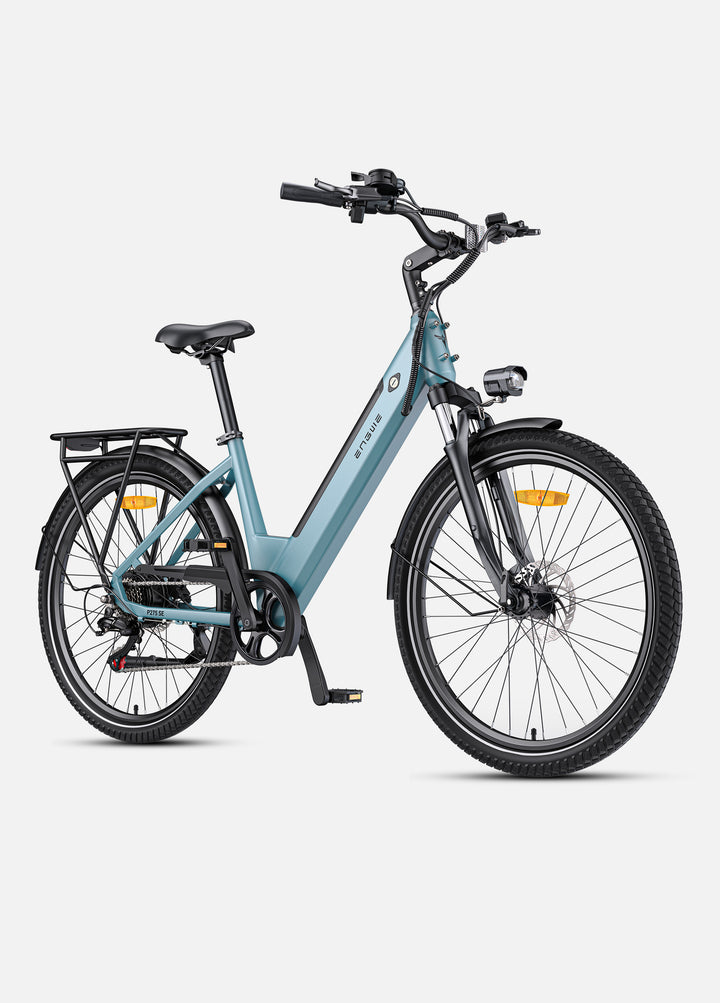
1. ENGWE P275 SE
The ENGWE P275 SE is a hybrid city bike. It uses its torque sensor to create a refined, road-bike-like feel. The 250W motor’s 42 N·m of torque is delivered through the torque sensor to provide a smooth push that feels entirely natural on paved paths. Similarly, the SHIMANO 7-speed transmission and hydraulic disc brakes complement this push to improve the overall ride quality.
The claimed 100 km range on a low assistance level is a direct benefit of the torque sensor's efficiency. It makes it an ideal commuter for those with longer distances to cover.


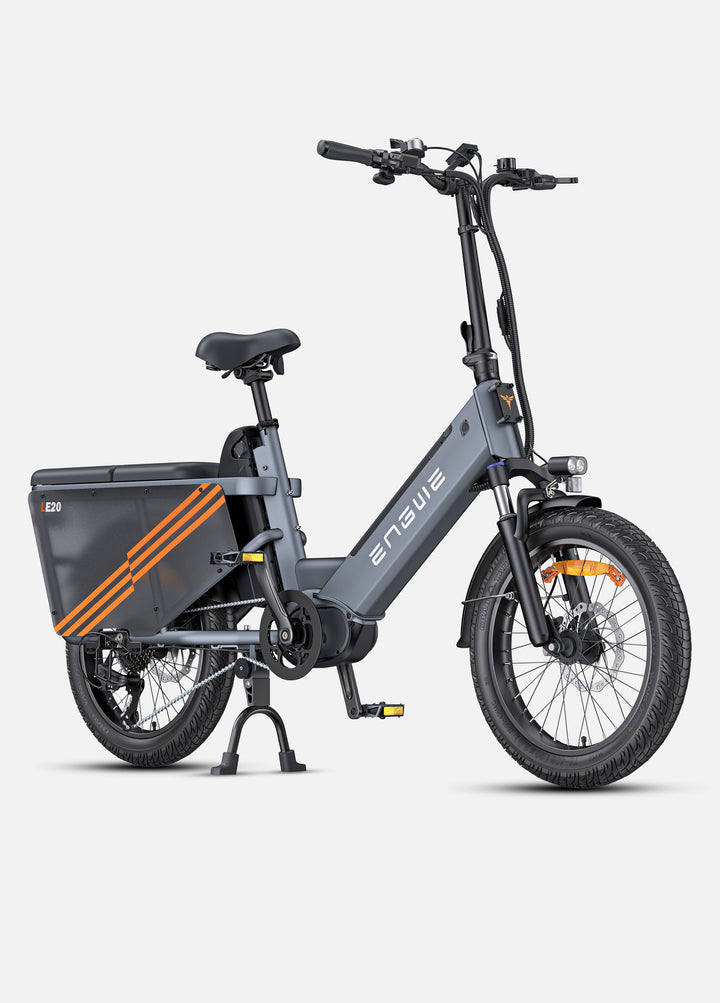
2. ENGWE EP-2 Boost
The ENGWE EP-2 Boost shows how a torque sensor can also help a completely different style of riding. This is a robust fat-tire bike, and the higher 55 N·m of torque could easily feel jerky with a cadence sensor.
But here, the torque sensor does all the heavy lifting and makes sure the power is aligned with the rider's input. This provides crucial control when navigating soft sand, snow, or technical trails.


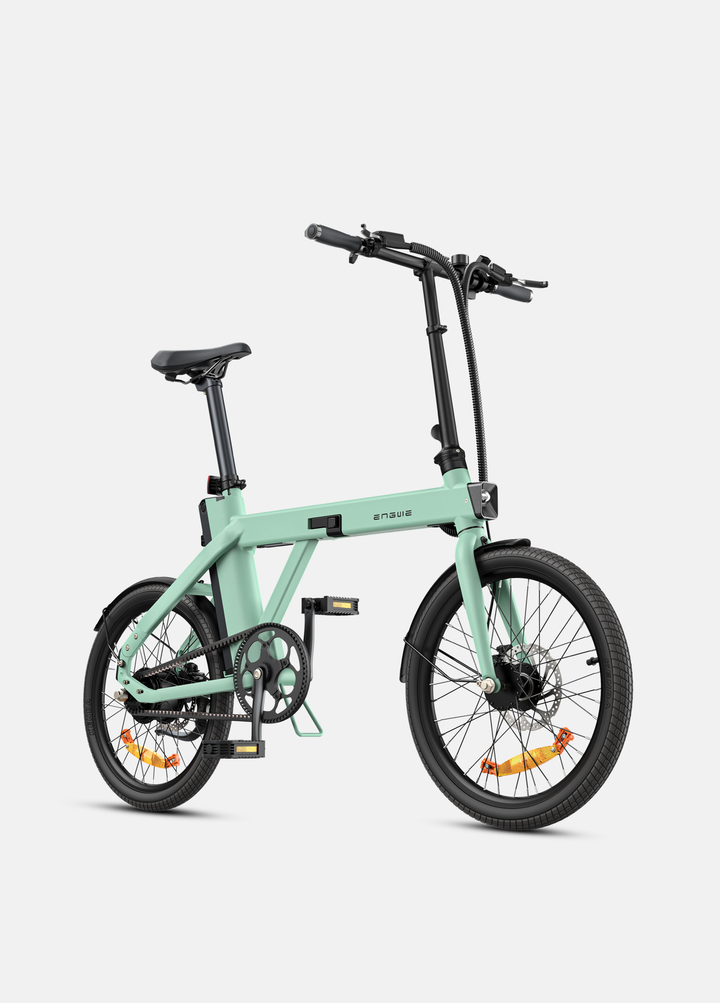
3. ENGWE P20
In ENGWE P20, the torque sensor maximises the bike’s portability and fun. Weighing just 18.5 kg, it is a lightweight and nimble folding e-bike. The torque sensor here ensures that its character remains agile and responsive, not unpredictable.
The combination of a torque sensor and hydraulic brakes offers a level of control that is exceptional for a bike in this category. It is perfect for urban riders who need to fold, carry, and store their bike, then unfold it for a ride that is effortless at best.


Summary
This shift from cadence sensors to torque sensors represents e-biking's evolution from a novel concept to a mature form of transportation. And the benefits of electric bicycles with torque sensors are also tangible.
The rides are now more comfortable, extraordinary safety is provided, and every type of cyclist can get a natural, engaging riding experience. While battery capacity and motor power are also important metrics, a torque sensor is a feature that truly defines a premium, rider-focused e-bike.
FAQs
Does a torque sensor make an e-bike faster?
Not in terms of top speeds, which is typically governed by law to 25 km/h in many regions. Instead, it makes the bike quicker and more responsive.
Are torque-sensor e-bikes harder to pedal without assistance?
Generally, yes. But the difference is minimal on modern mid-drive systems. The internal gearing within the motor can also create slight resistance. However, the intent of a torque-sensor bike is to be pedalled with assistance. The system is meant to be an always-active partnership.
Can a torque sensor be added to an e-bike that doesn’t have one?
Retrofit kits can do that, but they are not cost-effective or reliable. The torque sensor is integrated into the bike's fundamental architecture (bottom bracket, motor, and controller). It is a core design feature, not an accessory.