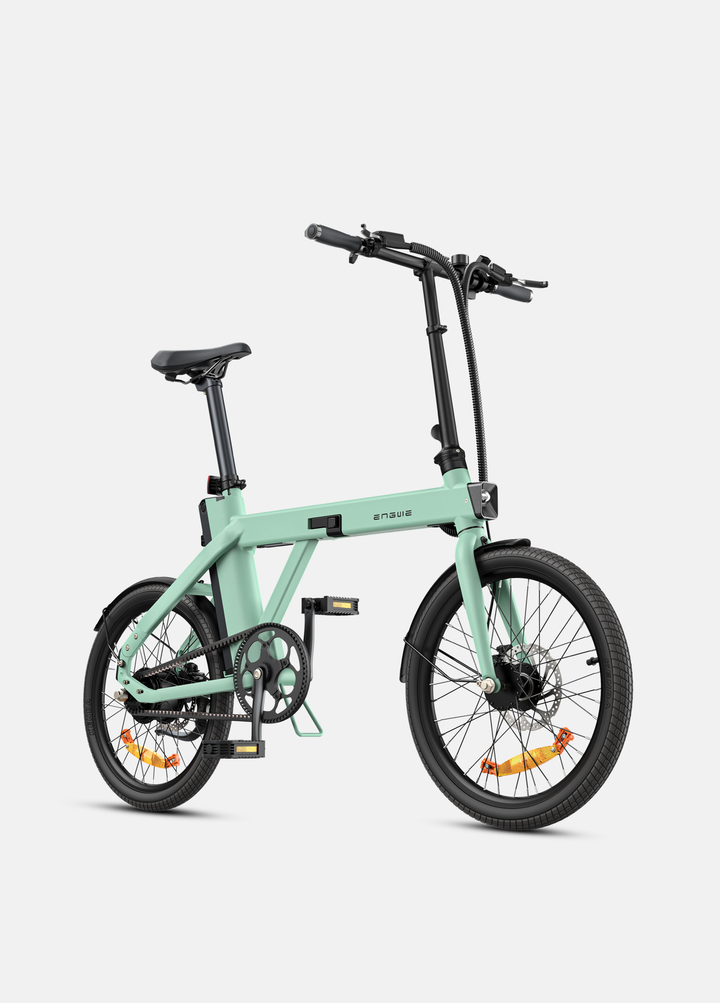
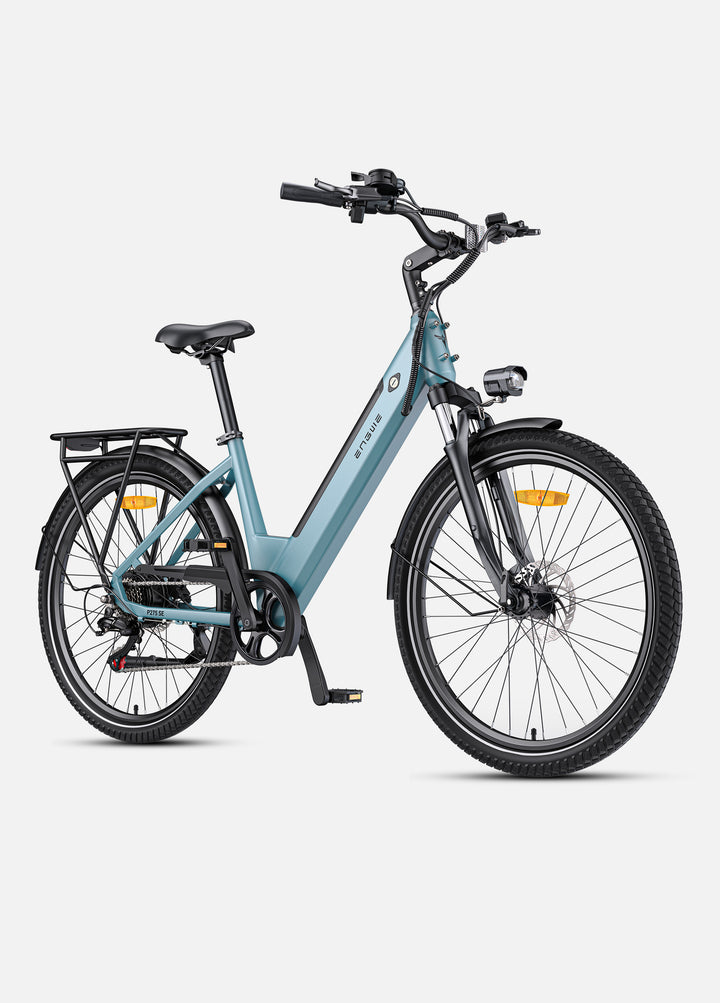
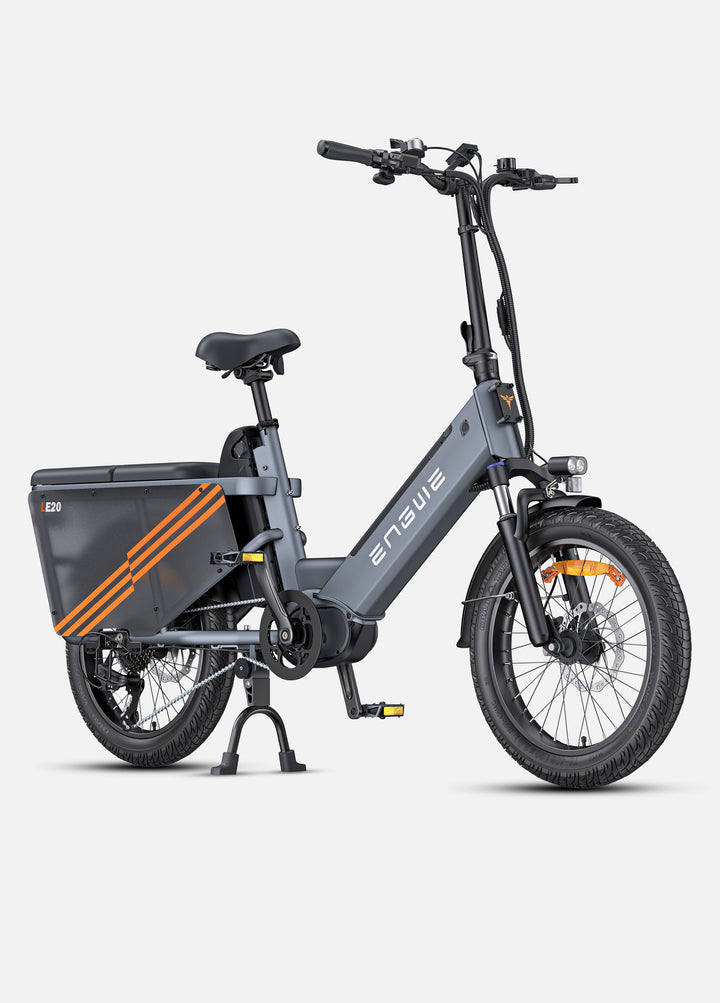
If you’ve ever tried fixing an electric bike for adults, you might have encountered the following problems: you’re holding a connector in one hand, and the wire in the other, and nothing fits.
Unlike regular bikes with standard parts, e-bike brands all do things differently. Even similar parts may need adapters. We’ve dealt with this enough times to know that understanding the connector types early on saves you a lot of frustration later. Here’s a breakdown of different e-bike connector types and how to choose the perfect one for your needs.
What Is an E-Bike Connector?
Simply put, it's the plug that lets your electronic parts connect. The battery, motor, display, and controller are all part of the same circuit, and connectors link them up.
There are two categories:
- Power connectors: they carry the high current between your battery, motor, and controller
- Signal or data connectors: they handle small stuff like sensors, displays, throttle signals, and so on.
If something’s not working, there’s a good chance the connector is involved. Either it's loose, dirty, or just the wrong type altogether.

Most Common E-Bike Power Connector Types
XT60 & XT90
You’ll see these a lot, not just on e-bikes, but also on RC planes and model cars. They’ve earned a reputation for being solid and hard to mess up. XT60 means handles 60 amps (hence the name), XT90 = 90 amps.
They’re polarized, so you can’t accidentally plug them in backward. Also, every time you plug or unplug them, they clean themselves a bit by scraping oxidation off the contacts. They’re cheap, durable, and work flawlessly.
Commonly used in high-performance electric folding bikes and mountain electric bicycles (eMTBs) because they are small in size but carry high current, and have an anti-ablation design, suitable for systems that require fast plugging and unplugging and carry high power.
Tip: Many battery manufacturers (such as Samsung/LG battery packs) will pre-install XT60 or XT90 connectors.
Anderson Powerpole
These e-bike connectors are heavy-duty workhorses and built to last. They can handle serious currents, including 15A, 30A, and 45A, depending on the version. What makes them popular is their modularity. You can stack them together or snap them side-by-side if multiple connections are needed in a tight space. They are commonly used on off-road e-bikes, fat tire e-bikes, and high-load cargo e-bikes due to their durability and high current capacity, making them ideal for demanding and commercial applications.
Anderson Powerpoles are particularly popular on high-power e-bikes and commercial applications. They’re more expensive than the XT60s, but they're also more robust. The main drawback is that they require a special crimping tool for installation.
DC Barrel Plug
They are more common in chargers than power systems. You’ve probably seen them on laptop chargers or LED lights. They’re even more common on e‑bike chargers than on power delivery systems. Typical sizes are 5.5 mm outer diameter with a 2.1 mm or 2.5 mm inner pin, making them well-suited for charging but not ideal for high-current motor feeds.
The charging port on the ENGWE EP-2 Boost uses this type of connector: a standard DC barrel plug, consistent with the accessories listed for the EP-2 series, which makes it a safe, efficient, and cost-effective charging solution.
XLR Connector
If you’ve ever worked with microphones or soundboards, you’ve seen these e-bike connector types. They usually come in round plugs, three pins (or more), and a locking mechanism.
On e-bikes, they’re mostly used for higher-end charging ports, especially on mid-to-high-end brand e-bikes such as ENGWE and Yamaha systems. 3-pin versions usually carry +, –, and a data line for battery management. Some versions go up to 5 pins for extra stuff like thermal sensors. They look professional and feel secure when plugged in, but they’re more expensive than other connectors.

Common Signal/Data Connector Types
Julet/Higo Connectors
These are everywhere on modern e-bikes. They’re waterproof, mostly reliable, and come in a bunch of pin configs – 2-pin up to 9-pin. 3-pin and 4-pin ones are the most common for throttle, display, and lights. They have threaded locking rings that help with waterproofing.
But just because the shape matches doesn’t mean they’re compatible. Different brands wire the pins differently. So always double-check before mixing and matching.
JST Connectors
These e-bike signal connectors are tiny and pretty much standard in all electronics. E-bikes use them for low-current stuff.
JST-PH: small 2.0mm pitch, mostly used for sensors.
JST-XH: 2.5mm pitch – used for lithium battery balance wires.
JST-SM: slightly bigger, used for LEDs or other medium-load stuff.
They’re easy to use, but also not waterproof at all. So, only use them inside controllers or battery cases where they’re protected.
Linkwe LW-ZN07H Connector in ENGWE E-Bikes
ENGWE electric bikes consistently use the Linkwe LW-ZN07H as their standard waterproof 7-pin circular connector across all their models, including the popular ENGWE EP-2 Boost, ENGWE L20, and others. This connector handles essential signals and low-voltage power lines between key components such as the display, motor controller, throttle, and sensors.
Featuring a durable screw-lock design and an IP67 waterproof rating, the LW-ZN07H ensures secure, weather-resistant connections ideal for outdoor use. While its form factor is similar to other waterproof connectors, ENGWE’s use of this standardized connector across its product line simplifies maintenance and parts replacement.
Note: Despite the common shape, pin wiring configurations may vary in other brands or models. When servicing or upgrading, always confirm wiring compatibility to prevent connection errors.
How to Identify the Right E-Bike Connector Type?
Getting the right connector depends on several factors, and we’re going to explain the major ones here. You have to be careful when choosing because getting them wrong can lead to poor performance and even dangerous situations.
Current Requirement
Start by checking the current requirements. For connections between your battery controller and motor, you’ll need connectors rated for at least 25% higher current than your system’s maximum draw. If your controller is rated for 30 amps, choose e-bike connectors rated for at least 40 amps, as it will ensure that the connectors won’t overheat under load.
Environmental Variations
Next, check the environment. You need connectors with a proper IP rating if they’re going to get exposed to the weather. For external mounting, connectors like Julet and Higo are good as they’re waterproof. But for connections that are protected from moisture, even less expensive options like JST will work.
Mating Cycle
You also need to consider the mating cycles as well. If you’re connecting and disconnecting frequently (like for a removable battery), choose a connector with many mating cycles. Anderson Powerpoles and XLR connectors are particularly good for this application.
Future Usage
Finally, think about future compatibility. If you’re building a custom system, you should use common e-bike connector types that can easily be replaced or sourced later. XT60 and Anderson Powerpole connectors are so common that you can find compatible components from dozens of manufacturers.
Conclusion
Understanding e-bike connector types seems overwhelming at first, but it’s just about matching the right tool to the job. High-current power connections need robust connectors like XT60, XT90, or Anderson Powerpoles.
Signal connections work well with Julet, Higo, or JST connectors, depending on whether they need to be waterproof. Using the right connectors will help you choose the best e-bike performance and reliability possible.
FAQ
What are the signs that a connector on my e-bike needs to be replaced?
Several warning signs tell you that the connector has to be replaced. Look for physical damage like bent pins or corrosion on the contact.
The intermittent power loss and heat build-up around connectors are also serious red flags. Connectors should never get hot during normal operation.
How can I ensure that my e-bike connectors remain corrosion-free?
Prevention is the key to doing that. Keep the connectors clean and dry whenever possible. You can also use dielectric grease on contacts to prevent moisture infiltration. If the connections are exposed, make sure they’re properly sealed with covers.
You will catch problems early if you do regular inspections.
You can disconnect and reconnect major connectors occasionally. If you do find corrosion, clean it off and apply dielectric grease before reconnecting.
Are there quick-disconnect options for e-bike connectors?
Yes, many e-bike connector types offer quick-disconnect features. Anderson Powerpoles simply push together and pull apart, with no twisting or screwing required.
XT60 and XT90 connectors also connect and disconnect quickly, though they require a bit more force to ensure a secure connection.
Some Julet connectors also feature quick-release caps that speed up connection and disconnection while maintaining weatherproofing.