Switching to a commuter bike is one of the easiest ways to make daily travel cheaper and stress-free. Instead of sitting in traffic or waiting for buses, you ride past the crowd while getting fresh air and light exercise. A good commuter bike is not only practical but also reliable enough for everyday use.
Some riders prefer slim road bikes, others go for mountain bikes, while many now choose electric commuter bikes because they make long trips and uphill rides much easier. Below, we’ll look at what makes an ideal commuter bike, the main types, and a few commuter bike recommendations for different needs and budgets.

What Is a Commuter Bike?
A commuter bike is made for everyday trips like going to work, school, or running errands. Unlike racing bikes or mountain bikes, these are built for comfort and daily use.
- Comfort: Upright seating and wide saddles stop you from getting sore on longer rides.
- Utility: Many good city bicycles have racks or panniers to carry laptops, groceries, or gym gear.
- Durability: Strong wheels and frames handle potholes, bumps, and all-weather conditions.
So, what is a commuter bike? It’s simply the bike that makes daily travel smooth, safe, and easy.

Key Features of a Good Commuter Bike
A good commuter bike should tick three boxes: comfort, practicality, and long-lasting build. Some of the best rated commuter bikes include features like wide saddles, upright bars, and built-in racks.
Comfort and Fit
The best commuter bikes let you sit naturally without straining your back. Wider saddles, upright handlebars, and adjustable settings make sure the ride feels good every day.
Utility and Practicality
You need a bike that carries more than just you. Racks, baskets, or panniers are essential. Even a commuter e bike is only useful if it can hold your work bag or shopping without extra effort.
Budget and Durability
A best budget commuter bike still needs safe brakes and a solid frame. Cheap models work for short rides, but for daily use, it pays to spend a little more. The best cheap commuter bike is one that saves money now but also lasts for years.

Types of Commuter Bikes
Everyone rides in different ways. Some stick to flat city streets, others deal with gravel or big hills. That’s why not all commuter bikes are the same. Here’s what you’ll find most often.
City and Hybrid Bikes
City bikes are simple and built for short trips. They roll easy on smooth roads and often have racks or baskets so you don’t carry bags on your back. Hybrids are a mix: flat bars like a mountain bike for control, slimmer tires like a road bike for speed. Many riders choose city bikes for commuting fast because they roll smoothly and cut travel time
Example: ENGWE Engine Pro 2.0
An ENGWE Engine Pro 2.0 folds, which makes it handy if you live in a flat or need to tuck it under a desk. The fat tires steady you on cracked streets, and the motor helps when the road tilts uphill. Full suspension keeps the ride soft instead of shaky.

Road Bikes for Commuting
Road bikes are built to go fast. They’re light, slim, and made for smooth pavement. If your commute is long and flat, they’ll get you there quickly. The catch is they don’t carry much, and rough roads can feel rougher.
Example: ENGWE P275 ST
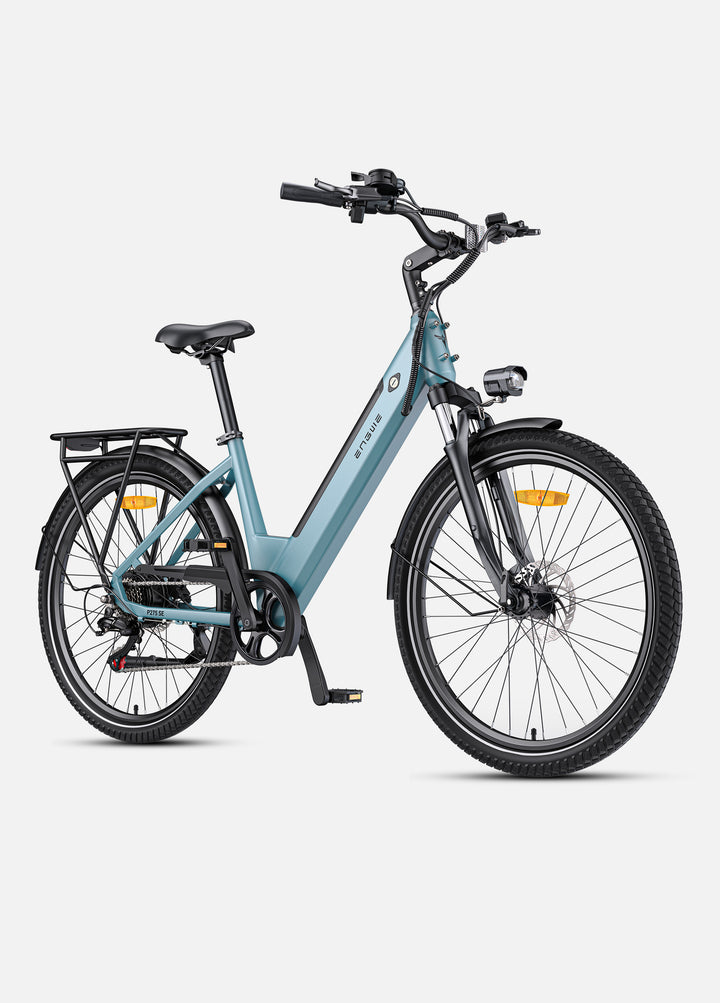
This ENGWE P275 ST bike is one that gives you road-bike speed with a motor to help. It runs on a mid-drive and uses a belt instead of a chain, so no grease on your clothes. It rides upright, not hunched, and the battery can handle a full day’s ride.
Models like this show how brands turn fast road designs into great commuter bikes by adding comfort features

Mountain Bikes for Commuting
A lot of people wonder if mountain bikes work for commuting. They do if your route is messy, with potholes, gravel, or curbs. They’re heavier than road bikes and slower on clean streets, but they’re tougher. Put on smooth tires and they roll better in the city.
Example: ENGWE Engine X
ENGWE Engine X Looks like a trail bike but legal for city roads. Big tires grip, suspension takes the sting out of bumps, and the motor helps on steep climbs. Works for weekday city trips and weekend dirt rides.

Electric Commuter Bikes
Electric bikes make daily rides easier. The motor takes the strain out of hills and carrying weight. You arrive less sweaty and less tired, which is why many commuters switch to them.
Example: ENGWE P20
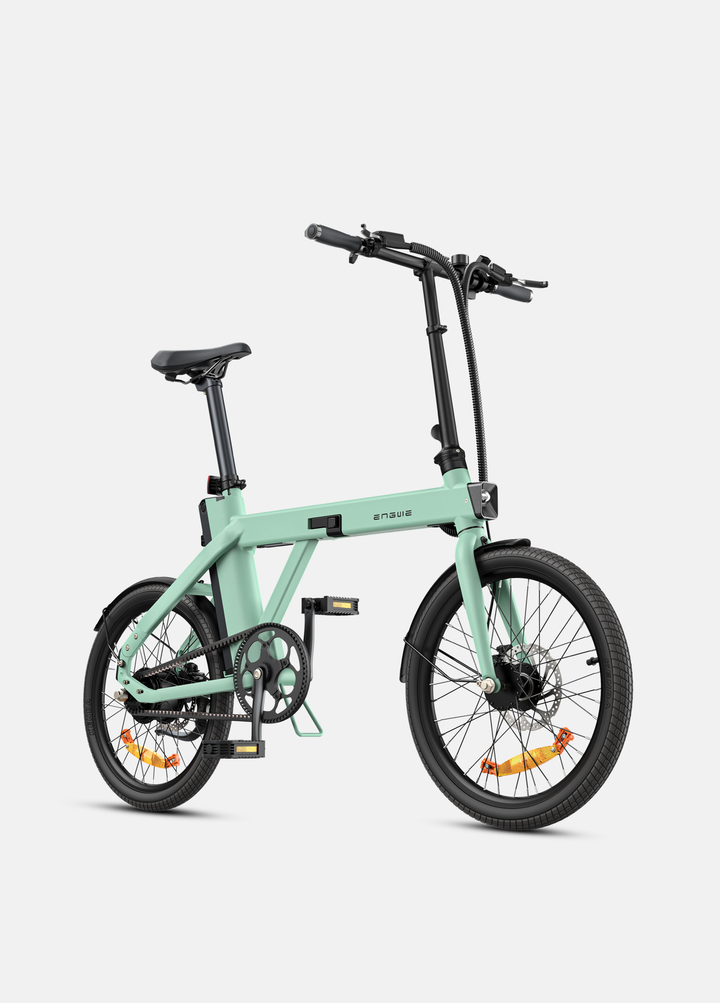
ENGWE P20 Small, light, and folds in seconds. It weighs under 19 kg and uses a belt drive, so no oil or mess. The assist feels smooth, and the range is enough for city trips or short commutes on trains. Perfect if you need a bike that’s easy to store.
For many city riders, choosing an e bike commuter or electric bike for commuting is the smartest upgrade. It saves time, reduces sweat, and makes cycling possible for people who might otherwise choose cars.

How to Choose the Best Commuter Bike for You
Distance and Terrain
If your ride is short and mostly flat, you don’t need anything fancy. A simple city bike or hybrid will do the job. But if you’re covering long stretches or facing hills every day, go for an electric commuter bike. The motor takes the pressure off your legs and makes the trip quicker.
Speed and Riding Style
Some riders like to go fast, some just want to be comfortable. If speed is your thing, a road bike or an e-bike commuter is the way to go. If you’d rather sit upright and cruise, a hybrid or step-through frame will feel better. The best commuter bike is the one that suits how you ride, not what looks good on paper.
Accessories and Safety
A bare bike isn’t enough for daily use. You’ll want lights, racks, and panniers to turn even simple frames into the top commuter bikes for daily use. Even the best commuter bikes get a lot more practical once you add the right extras.

Conclusion
A commuter bike should make your ride to work or school simple, not stressful. If your route is short and flat, a city or hybrid bike is enough. Long trips on smooth roads feel better on a road bike.
Bumpy paths or curbs? A mountain bike will take the hits, though it’s slower. If you hate sweating on hills or carrying heavy bags, an ENGWE ebike or ENGWE electric bike takes the pain out of the ride. The ideal commuter bike balances comfort, speed, and utility while staying reliable in all weather.
Frequently Asked Questions
What is the best commuter bike for city rides?
A city bike with racks or baskets is best. Hybrids are also good because they mix comfort with speed.
Are road bikes good for commuting
Yes. They’re efficient on smooth roads and long routes, though less comfortable if you carry bags or face rough terrain.
Are mountain bikes good for commuting to work?
Yes, if your route has gravel, potholes, or uneven ground. Just swap the chunky tires for smooth ones to roll easier on tarmac.
What accessories should I add to a commuter bike?
Don’t overthink it. Lights, a helmet, and fenders are must-haves. Add a rack or panniers if you carry bags often.
Is an electric commuter bike worth it for long distances?
Yes. An e bike commuter makes hills and longer trips easier. You still pedal, but the motor gives you that push so you don’t arrive worn out.
What’s the difference between a hybrid bike and a road bike for commuting?
A hybrid is steady and lets you carry stuff. A road bike is lighter and faster but less practical if you’ve got bags or rough streets.