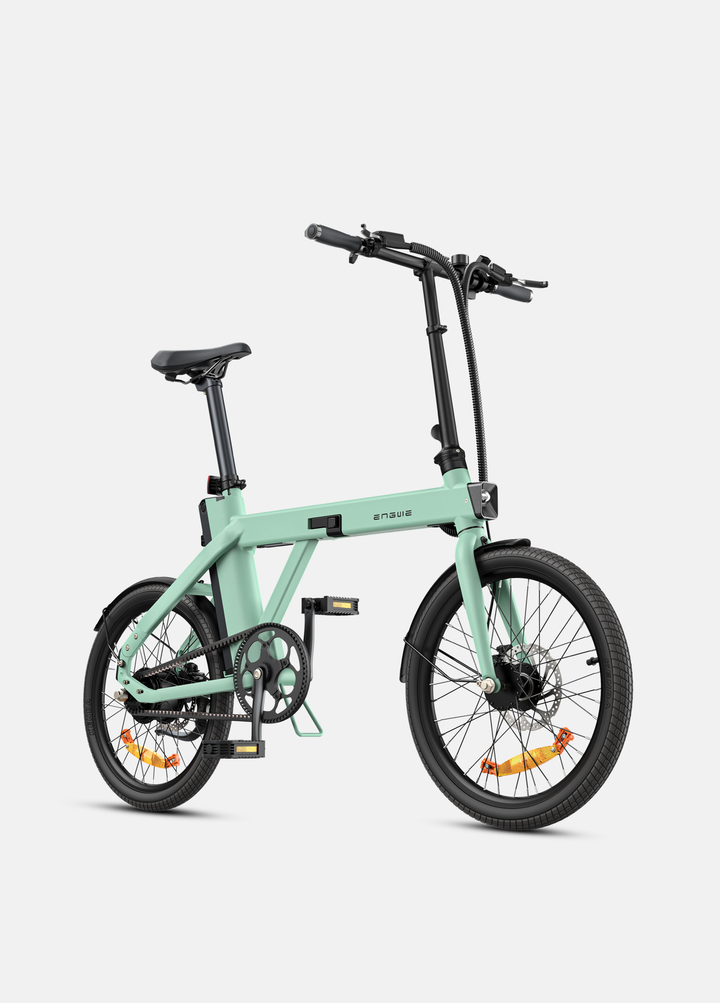
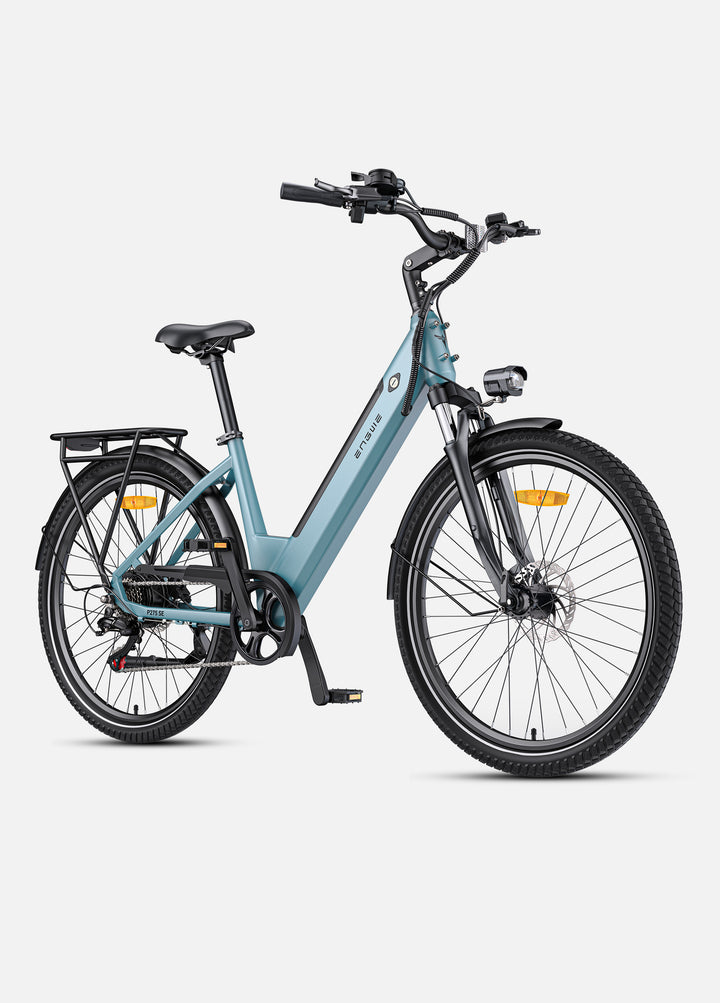
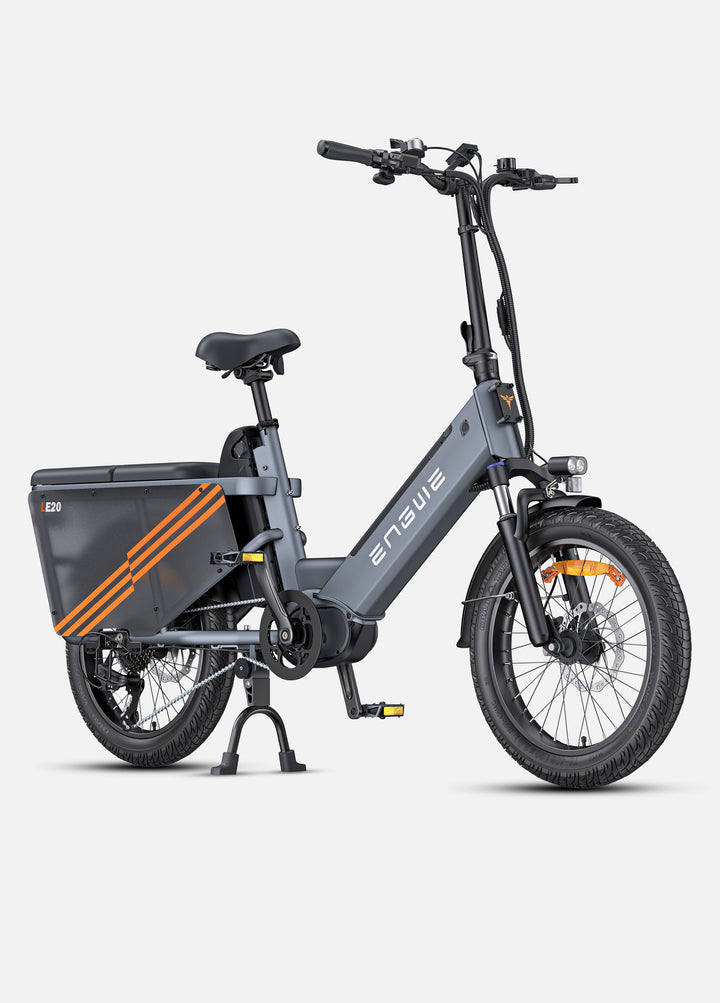
Need it plain? A fat tire e bike uses wider, lower-pressure rubber to spread weight and keep grip on sketchy surfaces. Sand, snow, wet gravel—less slip, more control. The bigger air volume damps buzz and small hits, so hands and back ache less.
Compared with a standard e-bike, steering stays steadier, starts are easier, and braking feels calmer on loose ground. One setup works through the year, so you aren’t swapping wheels for seasons.
That all-terrain confidence explains why performance bikes ranges include fat-tire models aimed at riders who commute on weekdays and explore trails, beaches, and parks on weekends.

What Makes the Best Fat Tire Electric Bike Different?
The best fat tire electric bike stands out for its tires first: widths around 3.0 -- 4.8 inches create a larger contact patch and let you run lower pressures. Drop the PSI and the tire floats instead of digging in, which improves grip, steering stability, and comfort on rough ground.
Power matters, but torque and control beat raw speed. A smooth sensor (ideally torque-sensing) makes assistance feel natural, and a well-sized battery (matched to your route and weather) keeps range consistent—cold and hills drain capacity faster. In short: pick balanced torque, smart assist, and a battery you won’t have to baby.
Tread picks (best off-road tires):
- Mud: open, tall knobs that clear quickly.
- Snow: wide casing, softer compound, siping for bite at low PSI.
- Sand: paddle-style or low-profile knobs, very low pressure to float.
A fat tire beach cruiser fits the picture too. Upright bars, relaxed geometry, and wide rubber make casual rides easy, yet the right tread and pressure still handle boardwalks, park paths, and light trails. That blend of comfort and all-weather ability is why electric bike fat tire models appear across performance bikes ranges.

Key Benefits of Riding a Fat Tire E Bike
Here’s what you actually notice with a fat tire e bike:
- Grip where skinny tires spin: Sand, fresh snow, pea gravel. It keeps moving.
- Stability: A bigger contact patch calms the bars on ruts and tram tracks.
- Comfort: Lower PSI + big air volume = built-in “suspension.” Wrists and back complain less.
- All-weather: Ride year-round—rain, slush, beach sand—without swapping setups.
- Starts and stops: Smoother pull-aways, more predictable braking on loose ground.
- Easy pressure tuning: Drop PSI for float; add PSI for tarmac. Hand pump, two minutes.
- With cargo: Panniers or a child seat feel less twitchy.
- Tires that match terrain: For best off road tires: open lugs for mud, siped rubber for snow, low/paddle tread for sand.
Top Picks – Best Fat Tire Electric Bikes for 2025
1. ENGWE L20 Boost — 250W, 126 km range, torque sensor
Best for: city + light gravel, errands, riders who prefer easy step-through comfort.
A compact step-through that’s easy to hop on and live with every day. The 250W hub (EU-legal 25 km/h) and torque sensor deliver calm, predictable pull-aways, and the boost button helps at junctions or short climbs. A removable 48V 13Ah battery supports long PAS days (up to ~126 km, conditions vary). Wide 20×4.0 tires add comfort and grip without feeling sluggish.
Key features
- 250W hub, 75 N·m; assist capped at 25 km/h
- 48V 13Ah battery; ~126 km PAS (conditions vary)
- Torque sensor, 5 PAS; LCD display
-
160 mm mechanical discs; Shimano 7-speed

2. ENGWE M1 — EU-standard dual-passenger style
Best for: cushy urban runs, two-up short trips, mixed paths.
Motorcycle-styled, built for two, and still EU-friendly at 250W/25 km/h. You can choose single or dual batteries: go lighter for short commutes or extend range for day trips. Double suspension and 20×4.0 tires soak up rough patches, while hydraulic discs, lights, brake light, and turn signals keep city riding straightforward and visible.
Key features
- 48V 250W hub; 65 N·m; 25 km/h assist
- ~90 km single battery; up to ~170 km dual (PAS 1)
- Hydraulic discs (160 mm); double suspension
- Front/rear lights, brake light, turn signals

3. ENGWE X26 / X24 / X20 — triple-suspension folder family
Best for: comfort on rough streets and park paths, plus a fold for transport.
A big-wheel folder that rides like a full-size bike, then packs down for transport or storage. Triple suspension and 4.0-inch rubber calm chatter on broken pavement, park trails, and beach approaches. Battery options (up to 48V 29.2Ah across variants) target longer Eco rides, while EU-cap assistance (25 km/h) keeps it road-legal.
Key features
- Fat tires (family spec) for grip on sand/gravel
- Triple suspension; hydraulic disc brakes
- Up to 48V 29.2Ah (variant-dependent); ~150 km Eco
- Assist limited to 25 km/h for EU use

4. Aventon Aventure.2 — feature-rich all-rounder
Best for: beach paths, open trails, riders who want app features and dealer support.
A popular benchmark with 26×4.0 tires, a tidy cockpit, and integrated lighting/indicators. The torque-sensing assist feels natural, and the app supports ride data and fine-tuning. Regional specs vary—confirm EU settings and local rules—but as a comparison point, it shows what many riders expect from a modern fat-tire setup.
Key features
- 26×4.0 tires; stable on sand and winter side streets
- Torque-sensing assist; integrated lights/indicators
- App support; racks/fenders available
- Output varies by region — check EU compliance

Fat Tire Beach Cruiser – Style Meets Function
A fat tire beach cruiser puts comfort first: upright seating, a relaxed frame, a wide saddle, and swept-back bars that keep your head up and your wrists at ease. It’s built for casual rides along promenades, bike paths, and town streets without a hunched race posture.
It’s still capable off-road with the right setup. Wide 3.0–4.0-inch tires run at lower pressures to float on sand and grip packed dirt; choose the best off road tires for your surface (paddle-style for sand, open lugs for soft trails) and adjust PSI accordingly. The extra air volume smooths chatter and small bumps.
This is why many fat tire ebikes in cruiser form suit leisure riders who also want all-terrain ability: easy starts, steady steering, and a calm ride across boardwalks, parks, and beach approaches.
How to Maintain a Fat Tire E Bike for Peak Performance
A fat tire e bike is easy to keep running well—the same habits riders use on performance bikes apply here.
Tire pressure: lower PSI for sand or snow, higher for pavement. Check before rides; add a few pumps if you’re carrying bags.
Drivetrain: after mud (or beach sand), quick rinse, dry, then light chain lube. Skip pressure washers.
Tires: scan tread and sidewalls for cuts or loose knobs—especially on your best off road tires. Rotate or replace when wear shows.
Battery: top up after rides. Don’t store it empty; for week-long breaks, leave it around 40–60%.
Concolusion
A fat tire e bike delivers year-round versatility, whether you’re rolling over sand, snow, gravel, or rough city streets. With its wide, low-pressure tires, stable steering, and cushioned ride, it suits commuters, weekend explorers, and anyone who wants comfort with control.
For riders seeking these benefits in an EU-compliant design, ENGWE offers stylish, all-terrain options — from compact step-throughs to folding and cruiser models.
Explore ENGWE’s fat tire e bike collection and start your next adventure today.
Frequently Asked Question
What terrain suits a fat tire e bike?
Sand, fresh snow, loose gravel, broken tarmac. Run lower PSI so the tire spreads out and floats instead of digging in—narrow rubber tends to skate here.
Is the best fat tire e bike okay for commuting?
Usually, yes. Big-volume tires mute potholes and tram tracks. For EU streets, ENGWE stays legal at 250W with assistance capped at 25 km/h (≤48V). The only trade-off is extra weight to carry upstairs.
Can a fat tire beach cruiser handle trails?
Easy ones, sure. Fit open-lug tread, drop PSI a touch, and it will track fine. The upright fit stays comfy; just watch pedal strikes on rocky sections.
What range do fat tire ebikes get?
Roughly 40–100+ km in PAS mode. Battery size, temperature (winter hurts), hills, speed, and load all move the needle. Ride more gently, go farther.