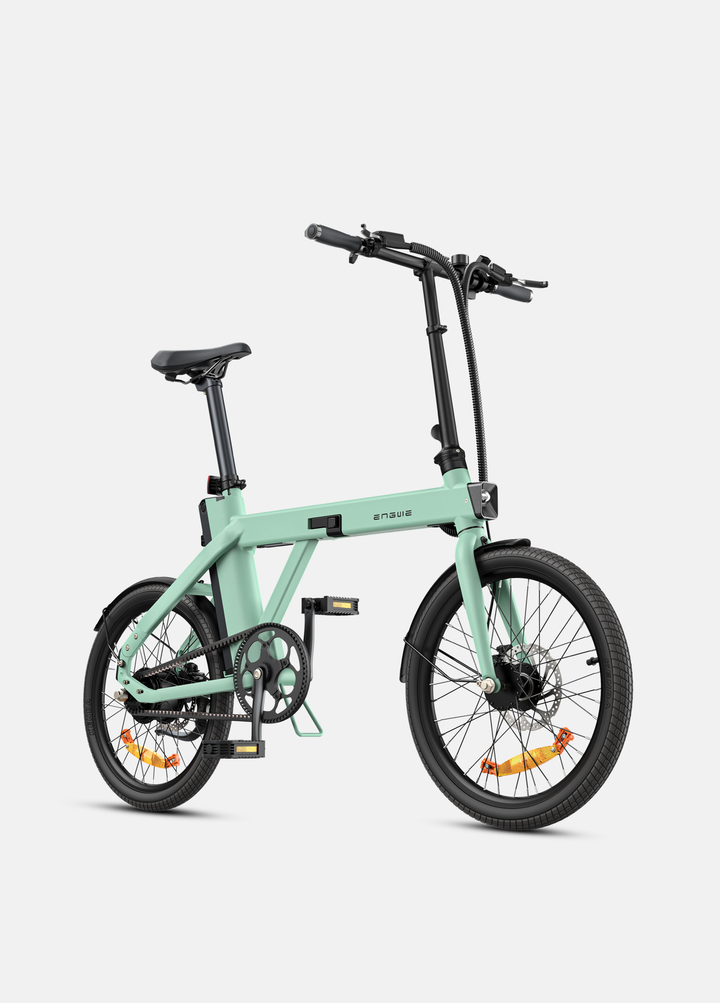
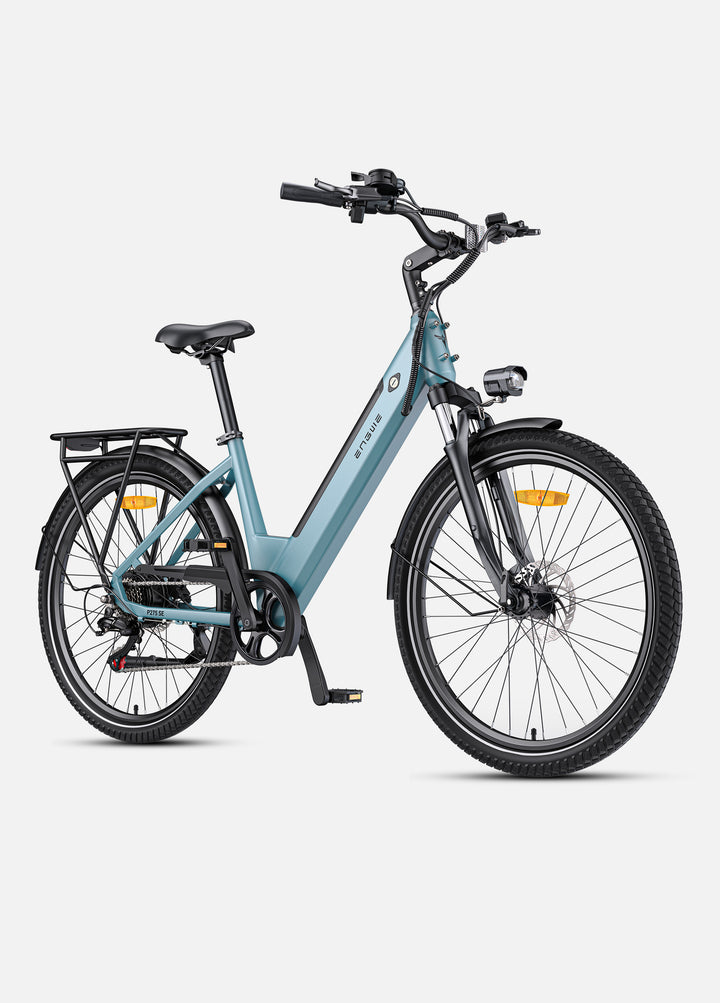
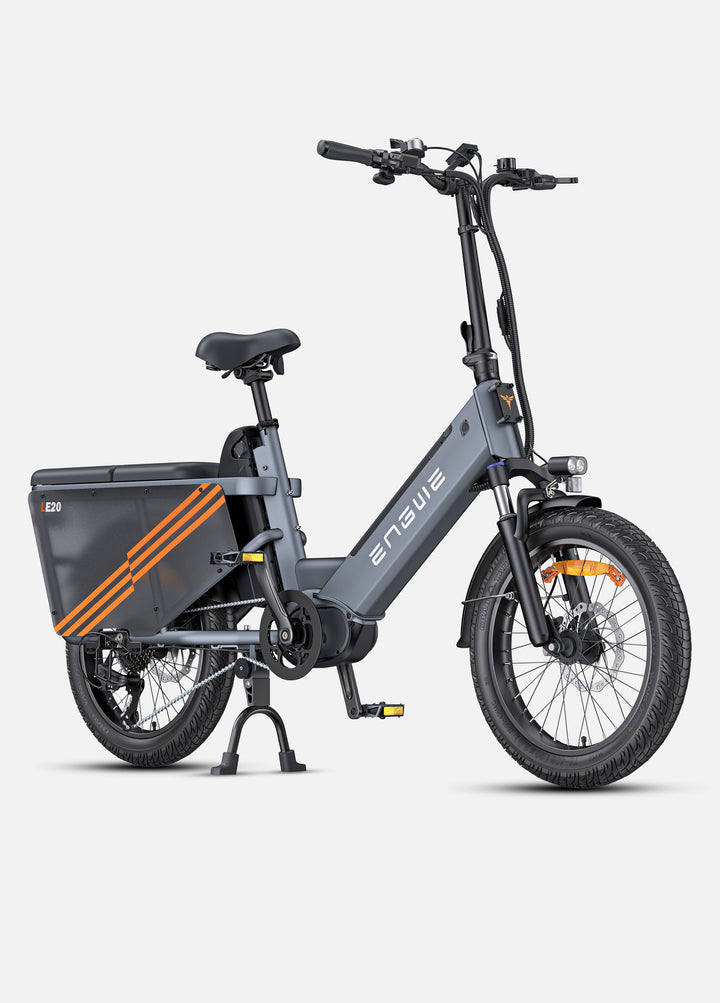
Not long ago, seeing a kids ebike on a school morning was a bit unusual. These days, you might spot two or three on the same street, cruising past cars stuck in traffic or rolling along quiet park paths. For many families, it has become a simple way to get children to school, join weekend rides, or explore somewhere new without anyone feeling too worn out.
Electric bikes for kids aren’t just about adding a motor to a frame, they’re about giving children the confidence to ride farther, skip short car trips, and enjoy fresh air on their own terms.
In much of Europe, there are clear rules on top speed and motor size, so it’s smart to know them before you buy. Pick a safe model, make sure it fits, and you’ll have a ride that’s both exciting and dependable.

Why Choose a Kids Ebike for Your Child?
A kids ebike might look like any other bike from across the street, but when your child starts pedaling, you notice the difference — the quiet little motor giving them a nudge up hills or helping them last longer on rides. It’s not about speed; it’s about letting them keep going without feeling worn out halfway home.
With electric bikes for kids, families get more freedom. Maybe you take a different route on Sunday or stretch the ride to that park you usually skip. Kids can spend more energy steering, balancing, and enjoying the view instead of just trying to keep pace.
And on days you’d normally grab the car keys, choosing the bike instead is one more step toward cutting down on short drives. But before you pick a model, there are a few safety essentials to keep in mind.
Safety First: What Parents Need to Know Before Buying
However fun a kids ebike looks, safety needs to be the first box you tick. A helmet is essential. Pads for knees and elbows? They’re not just for beginners, they can save a lot of tears if the pavement wins. Bright tops or reflective strips help your child stand out, especially in low light.
In much of Europe, an electric bike for kids can only go up to 25 km/h and must stay under 250W. In the US, the numbers vary from state to state, so it’s worth a quick check before buying. Where they ride matters too; quiet paths, open parks, and calm streets beat busy roads every time.
And don’t ignore the age and size advice from the manufacturer. It’s not marketing fluff; it’s matched to the frame size, bike weight, and how easily the controls can be handled. Following it keeps the ride safer and far more enjoyable. Here’s what to look for at each stage, so your child’s ebike matches their size, skill, and riding needs.
Age-Specific Kids Ebike Buying Guide
Finding the right kids e-bike isn’t just about the look, it’s about matching the bike to your child’s size, riding skills, and where they’ll be using it.
Best Electric Bike for 8 Year Old Boy or Girl
- Go for a lightweight frame so it’s easier for them to handle.
- Low standover height makes getting on and off much safer.
- Keep the speed limit low — it gives them better control while learning.
Best Electric Bike for 10 Year Old
- A slightly bigger frame works better for this age.
- Adjustable speed limiter lets you set a pace you’re comfortable with.
- Comfort matters, look for a good saddle and upright handlebars for longer rides.
Best Electric Bike for 12 Year Old Boy
- A bigger battery means more riding time before a recharge.
- Gears help them tackle hills or different terrains without struggle.
- Avoid bikes that are too heavy; they should be able to stop and steer with ease.
Electric Bike for Teens (13–16 Years)
- They can handle more features, but safety should still lead the choice.
- Perfect for school runs, weekend rides, and even some light trails.
- Make sure it has strong brakes and visibility features for traffic.
Best Kids E-bike Models for 2025
ENGWE T14 – Compact & Foldable for Younger Riders (8–10 Years)
The ENGWE T14 is one of those bikes you don’t need to baby. It’s small, folds up quickly, and feels solid in your hands. Perfect if you’ve got limited space at home or want to throw it in the car for a weekend trip. The iron frame is tough enough for daily use and won’t complain if it picks up a few scratches. Kids between 4.5 and 5.5 feet will fit just fine, and there’s room to adjust the seat and handlebars so it feels right.
Key Features:
- Motor: 250W high-speed brushless
- Battery: 48V 10Ah lithium-ion
- Top Speed: 25 km/h (can be limited for safety)
- Brakes: Mechanical disc, front and rear
- Weight: 22.7 kg (49.9 lbs)
Pros:
- Folds down quickly for storage
- Adjustable to fit growing kids
- Built strong for everyday riding
Cons:
- Heavier than expected for its size
- Shorter range than some models
Best For: Short rides to school, casual park trips, or families who need a sturdy bike that won’t take up much room.

Hiboy BK-1 – Balance Trainer for First-Time Electric Riders (Around 8 Years)
Best For: Young first-time riders who need something safe, light, and easy to control while they build confidence.
The Hiboy BK-1 isn’t about going fast — it’s about giving kids a safe start. Think of it as a stepping stone between a normal push bike and a real electric bike. It’s light, easy to steer, and slow enough for young riders to focus on learning without feeling nervous. Parents will like that it helps children get used to throttle control and braking before moving on to something bigger.
Key Features:
- Twist-throttle that’s simple to use
- Lightweight frame kids can handle easily
- Low top speed for extra safety
- Puncture-resistant tires to avoid frequent fixes
- Hand brake for smooth stops
Pros:
- Great for learning balance and throttle use
- Light enough to push or carry
- Safe speed for beginners
Cons:
- Not for long-distance rides
- Too basic for older, more experienced riders

ENGWE P20 – Lightweight Commuter Style for 10–12 Year Olds
Best For: Pre-teens who want a dependable, easy-to-ride bike for school trips, neighborhood rides, and relaxed weekend journeys.
The ENGWE P20 is designed for kids who already feel at home on two wheels. It’s light, folds quickly, and slips easily into the back of a car or a hallway corner. The belt drive is a big plus — no oily chain to clean, and it runs quietly, which parents will appreciate. Sturdy but not heavy, it’s a bike that can handle the daily ride to school and still be ready for a weekend outing.
Key Features:
- Motor: 250W (EU-compliant)
- Battery: 36V 9.6Ah lithium-ion
- Speed: 25 km/h
- Range: Up to 100 km (PAS)
- Brakes: Hydraulic disc brakes
- Weight: 18.5 kg (40.7 lbs)
Pros:
- Easy to carry and store
- Belt drive means low maintenance
- Reliable braking for safe stops
Cons:
- Tires aren’t suited for rough trails
- Best For: Taller or more experienced riders

ENGWE EP-2 Boost – Teen-Friendly Fat Tire Option for Light Off-Road (13+)
Best For: Teens who ride in both the city and on light trails, and want something reliable for longer adventures.
The ENGWE EP-2 Boost is the kind of bike that makes weekend rides more exciting. Those fat tires grip well on gravel, grass, and even the occasional dirt path, while also softening bumps along the way. It’s not built for high speeds, but it has enough pull to take on small hills and keep the ride smooth. When the day’s over, the folding frame means you can tuck it away in a garage or fit it in the car without much trouble.
Key Features:
- Motor: 250W brushless (EU-compliant)
- Battery: 48V 13Ah lithium-ion
- Speed: 25 km/h
- Range: Up to 120 km (PAS 1)
- Brakes: Mechanical disc brakes
- Weight: 30 kg (66 lbs)
Pros:
- Feels stable on different surfaces
- Long range for full-day rides
- Foldable design for storage or travel
Cons:
- On the heavier side
- Large tires take up more indoor space

Specialized Turbo Levo SL Kids – Premium Off-Road Pick for Experienced Teen Riders
Best For: Experienced teens who ride trails often, visit bike parks, and want a bike that matches their skill level.
The Specialized Turbo Levo SL Kids isn’t for just any rider — it’s for teens who already know their way around a bike and want more from it. This model is built for serious trail riding, with suspension and gearing that can handle steep climbs, sharp turns, and rough paths.
It’s lighter than most adult-sized trail e-bikes, which means younger riders can move it around without feeling like they’re wrestling the bike. Yes, it’s on the pricey side, but for a teen who loves the trails, it delivers performance that’s hard to match.
Key Features:
- Lightweight alloy frame designed for youth riders
- Mid-drive motor for better balance
- Wide gear range for climbing and descending
- Hydraulic disc brakes for confident stopping
- Front suspension tuned for off-road riding
Pros:
- Excellent build quality
- Stable and responsive on technical terrain
- Made specifically for younger riders
Cons:
- Costs more than most kids’ e-bikes
- Too advanced for casual riders

Conclusion
At the end of the day, choosing a kids’ e-bike isn’t just about looks or fancy features. It’s really about knowing your child — their size, skill level, and where they’ll be riding. The wrong bike can cause more frustration than fun.
Pick one they can control confidently, with brakes that stop when needed. And yes — helmets matter, so don’t let them “forget” to wear one. Every so often, check the tires, brakes, and battery to keep the ride safe and smooth.
Get the right fit, set a few ground rules, and you’ll strike the perfect balance of safety and fun. They’ll enjoy the ride, and you’ll feel more at ease watching them.
Frequently Asked Questions
What’s the right age for a first e-bike?
It really depends on the child. Some kids might be ready around 8, while others need a year or two more. Balance, confidence, and the ability to follow safety rules matter more than age alone.
Are e-bikes safe for children?
They can be, as long as you choose the right size, limit speeds, and make sure safety gear is worn. Younger kids should ride in quiet areas, away from busy roads.
How fast can kids’ e-bikes go?
Most are speed-limited for safety — often capped at about 25 km/h, and many beginner bikes are slower than that.
Do we need a license or registration?
Usually no, if the bike’s motor is 250W or less and speed is limited to 25 km/h. Still, local rules can vary, so it’s best to check.