Choosing the right electric bike for your daily commute means knowing the difference between Class 2 ebike models and Class 1 ebikes. Both types have their own perks that fit different commuting styles. It ultimately comes down to what matters most to you: speed, convenience, or the type of terrain you'll be riding on.
Class 2 ebikes have their own set of advantages, just like Class 1 ebikes do. Understanding these differences is key to finding an ebike.
Understanding E-Bike Classification Systems
Across 36 states in the US, the electric bike industry follows a simple three-class system. The ebike classes help riders know what their ebike classes can do and what rules apply to them.
The ebike class 1 2 3 system categorizes bikes based on their motor assistance and top speeds.
-
Class 1 electric bikes provide pedal-assist only up to 20 mph with no throttle functionality.
-
A class 2 ebike features both pedal-assist and throttle capabilities and is also limited to 20 mph.
-
Class 3 models offer pedal-assist up to 28 mph but typically exclude throttle.
What is a Class 2 Ebike?

A class 2 ebike definition is an ebike that helps you pedal and also has a throttle. These bikes come with powerful motors, which can move the bike on their own. You activate the motor using a twist grip or thumb throttle. As for the class 2 ebike speed, it tops out at 20 mph when the motor is helping out.
Class 2 models let riders maintain their speed without having to pedal constantly. This feature makes these bikes ideal for urban traffic and situations where you need a break. The throttle also makes them more accessible to people with mobility issues.
Class 1 vs Class 2 Ebike: Key Differences

When it comes to class 1 vs class 2 ebike options, the main difference is how the motor kicks in. Class 1 bikes make for a more traditional cycling feel with some extra help. The pedal-assist system gets you moving and helps out on tough hills.
The main distinction between a Class 1 ebike vs Class 2 ebike is pretty straightforward. Class 2 ebikes come with a throttle feature. This makes a big difference. Both categories can reach speeds of up to 20 mph, which is usually fine for bike paths.
Class 1 bikes are generally a better fit on most trails and recreational paths. A lot of mountain bike trails and dirt paths allow Class 1 bikes, but don't let you ride bikes with throttles. This gives Class 1 bikes an edge for people who want to casually ride. They're a good choice for anyone looking to explore without the hassle of worrying if their bike is allowed.
Where Can You Ride Each Class?

Knowing where you can ride different ebike Class 2 and Class 1 models is important for commuters. Generally, you can use both classes on roads and most paved multi-use paths. They both have a 20 mph speed limit, making them fit nicely into urban traffic.
But access rules can differ for natural trails. Class 1 bikes usually have more places they can go, including mountain bike trails and park paths. Some people in charge of the land restrict using the throttle to prevent trail damage.
The class 2 ebike laws vary by location, but most jurisdictions treat these bikes similarly to traditional bicycles. Riders should always check local regulations, as cities and counties can impose additional restrictions.
Speed and Performance Considerations
Both Class 1 and Class 2 bikes have the same class 2 ebike speed limit of 20 mph. This speed strikes a great balance between efficiency and safety. The 20 mph cap lets riders keep up with urban traffic while still being easy for newer cyclists.
How fast does a class 2 ebike go doesn't just depend on the motor cutoff. You can hit over 20 mph just by pedaling, and things like your weight and how much battery life you have left make a difference. Class 2 bikes have a throttle that gives you instant speed, which is really handy.
Commuting Advantages: Class 1 Benefits
Class 1 electric bikes are a great choice for commuters who want to get some exercise. They have a pedal-assist system that helps you stay active. This makes them perfect for riders who want to stay fit during their commute. Class 1 bikes give commuters more trail options, including scenic paths and recreational trails. This can add some variety to your daily route.
The fact that the motor only kicks in when you're pedaling is a big help on your daily commute. The design is also pretty simple, which usually means you'll spend less on repairs later on.
Commuting Advantages: Class 2 Benefits

The best class 2 ebike models offer unmatched versatility for urban commuting. This feature provides several practical advantages for daily riders, including effortless starts from traffic lights and the ability to maintain speed during fatigue.
The throttle system makes Class 2 bikes particularly valuable for commuters carrying cargo or heavy work equipment. The additional motor support makes these bikes practical alternatives to cars for errands and family transportation.
Stop-and-go urban traffic becomes much more manageable with throttle assistance. Riders can accelerate smoothly from intersections and maintain consistent speeds. This makes Class 2 bikes especially suitable for dense urban environments.
Class 2 vs Class 3 Ebike: Understanding Higher Speeds
This guide mainly looks at Class 1 and 2 comparisons, but knowing the Class 2 vs Class 3 ebike differences is useful. Class 3 bikes let you pedal-assist up to 28 mph. That extra speed is great for longer rides and bike paths near highways.
Class 3 bikes are faster, but that comes with a trade-off. A lot of multi-use paths ban these bikes because they can be a safety hazard. Riders of Class 3 bikes usually need to wear helmets.
For most city commuters, the 20 mph limit of Class 2 bikes hits the sweet spot. The extra power from the throttle often makes more sense on busy streets.
Quality Electric Bikes from ENGWE
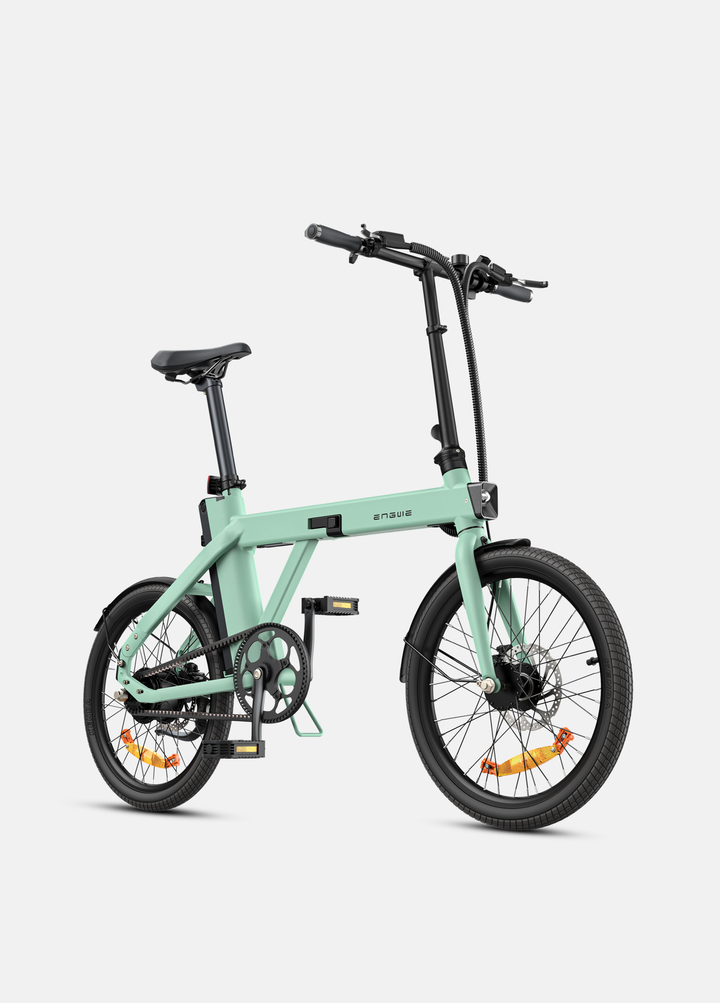
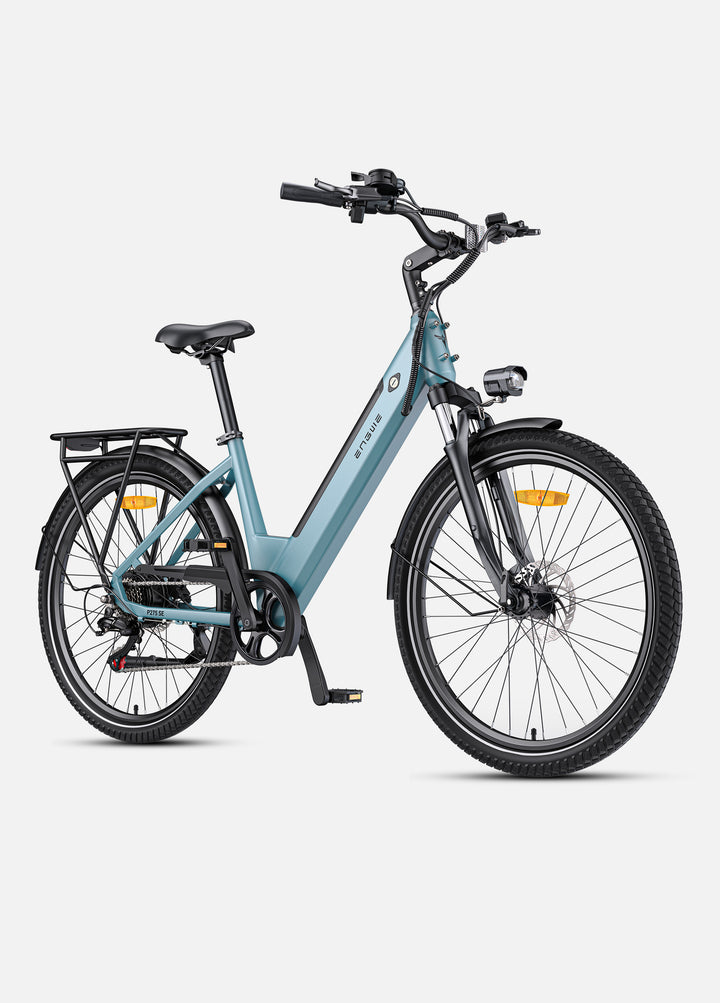
ENGWE has some great electric bike options. One standout model is the ENGWE EP-2 3.0 Boost, which packs a punch with its torque sensor system and 120km range. You get reliability and advanced features.

The ENGWE Engine Pro 3.0 Boost is a great option for fans of full suspension comfort. It packs a punch with 90 Nm of torque and a 130km range. Plus, it features premium suspension components, making it ideal for daily commuters who deal with rough roads or just want a smooth ride on longer trips.
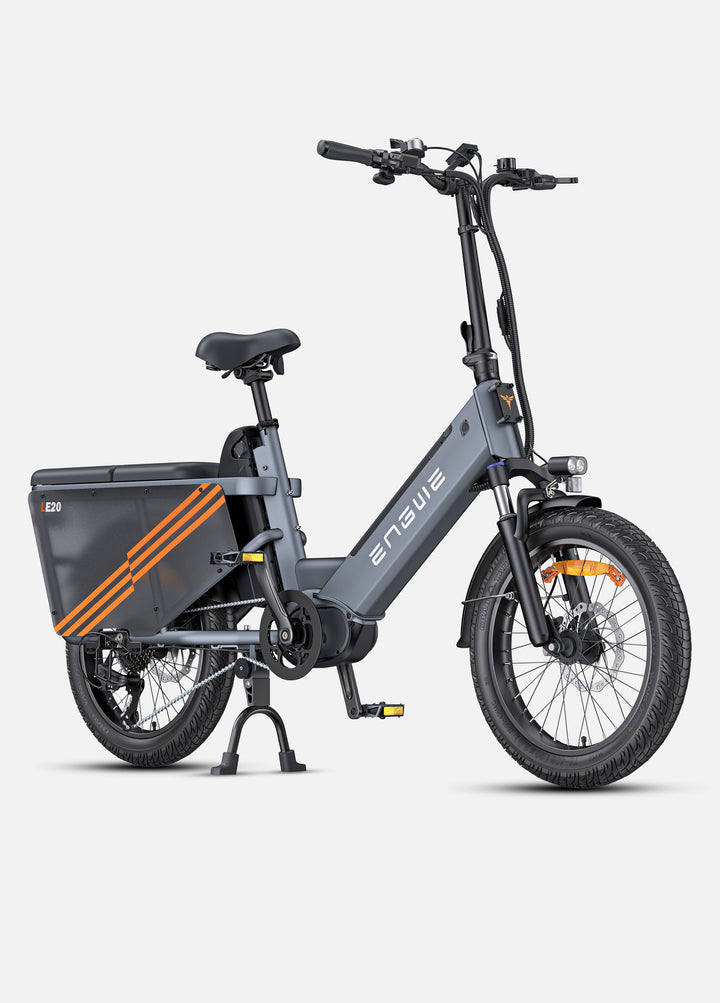
The ENGWE L20 3.0 Pro features a mid-drive motor and full suspension. It has a small frame but still has the power you need for commuting.

Class 2 Ebike For Sale: What to Look For
When shopping for a Class 2 ebike for sale, there are a few key things to consider.
One thing to think about is how far it'll go on a single charge. Most good models get 40-60 miles. The motor's power also matters; it affects how well the bike handles hills.
Reliability is key when commuting daily. You'll want to look for a bike with hydraulic disc brakes and a sturdy frame. Commuters who need to carry gear will also appreciate extras like integrated lights and racks.
Making Your Decision
Choosing between Class 1 and Class 2 bikes comes down to what you need and like. Class 1 bikes give you access to tons of trails and work best when you're okay with pedaling. If you prefer the classic bike feel with some extra help, a Class 1 bike is the way to go.
The throttle feature in Class 2 bikes makes them great for people with varying physical abilities and carrying heavy loads. They're ideal for hilly areas and when you want to show up to work feeling fresh.
Think about how far you commute and what kind of fitness goals you've set. Both options are great for commuting, but the best choice for you depends on how you plan to use electric biking daily.
Frequently Asked Questions
What is the main difference between Class 1 and Class 2 ebikes?
Class 1 ebikes only give you a pedal assist up to 20 mph. Class 2 ebikes, on the other hand, offer both pedal-assist and a throttle. But here's the thing: they also top out at 20 mph.
Can I ride a Class 2 ebike on bike paths?
Class 2 e-bikes are usually okay on most bike paths and multi-use trails. However, some trails with natural surfaces might not allow bikes with throttles.
How fast can a Class 2 ebike go without pedaling?
A Class 2 ebike can hit up to 20 mph using just the throttle. The motor assistance kicks in to help, but it shuts off automatically at 20 mph.
Do I need a license to ride a Class 2 ebike?
Class 2 ebikes usually don't need a driver's license, registration, or insurance. That said, some places may have age rules.
Which is better for commuting: Class 1 or Class 2 ebikes?
Class 2 ebikes are a better choice for commuters thanks to their throttle feature. This helps a lot with stop-and-go traffic and saving your energy.