Electric bikes have come a long way, but with all the options out there, it can be tough to choose the right one. One of the most important things to consider is the difference between Class 1 ebikes and Class 3 e-bikes.
This article will break down the main differences between the two, making it easier for you to make a choice.
Understanding E-Bike Classifications
The three-class e-bike system sets clear rules for electric bicycle use. This classification system defines ebike classes based on how they operate and helps clear up confusion while encouraging safer transportation options.
What is a Class 1 Ebike?
A class 1 e bike is the most classic e-bike experience you can have. The motor kicks in only when you're actively turning the pedals. This setup gives you a natural feel, just like regular cycling. The class 1 ebike definition encompasses several key characteristics that distinguish them:
-
You can't activate the motor with a throttle.
-
The motor will only help you up to 20 mph.
-
The motor's power usually ranges from 250-750 watts.
-
You need to pedal actively for the electric assist to kick in.

Class 1 ebike speed limits keep the bicycles within the law and provide enough of a boost. The 20 mph speed limit is within safety rules. This also makes it easier for people to use bike paths and multi-use trails.
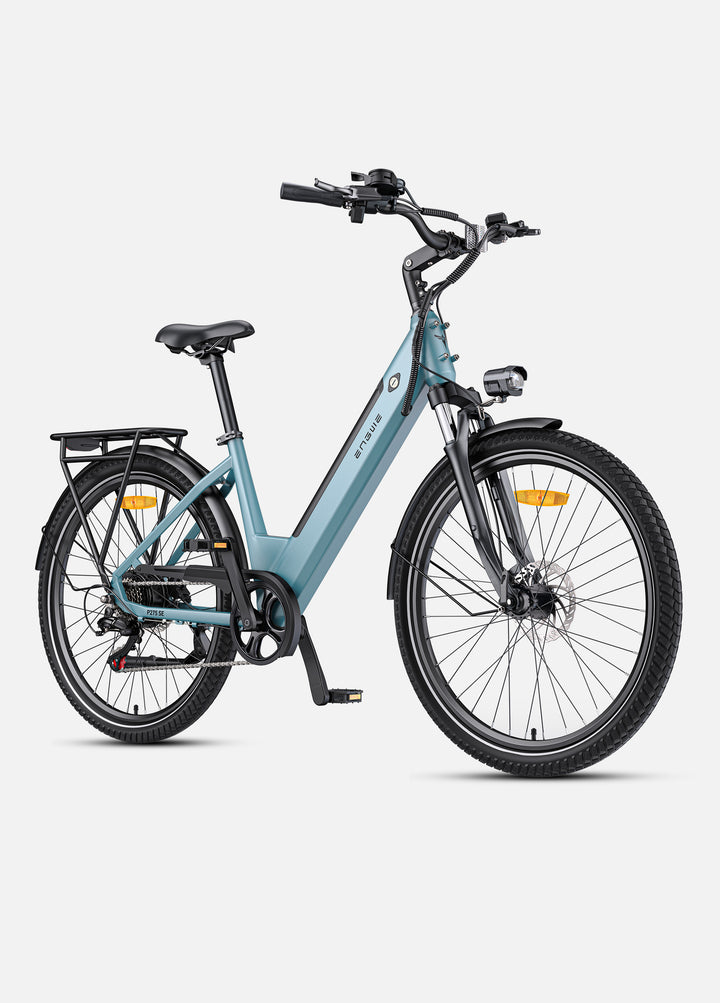
The ENGWE P275 SE is a great example of well-designed class 1 ebike engineering. Its design includes a 250W brushless motor and torque sensor technology. It sticks to the 25 km/h speed limit that characterizes class 1 electric bike performance.

Key features of the ENGWE P275 SE include a torque sensor that delivers power smoothly. This makes it one of the best class 1 ebike options for commuters. The removable 36V 13Ah lithium-ion battery gives you great range, and the 27.5-inch puncture-resistant tires guarantee comfort.
The ENGWE P275 SE comes with a Shimano 7-speed transmission and hydraulic disc brakes, showcasing why this model offers superior class 1 ebike for sale value.
Class 3 E-Bike Specifications

Class 3 ebike models are the fastest type of electric bike you can have. They're designed for speed while still using pedal assist. Key features of Class 3 electric bicycles include:
-
Get a boost with pedal-assist speed up to 28 mph
-
Speedometers are required
-
New batteries have more capacity for longer rides
-
Upgraded motors for better performance
The faster speeds of class 3 ebike models make them a great choice for commuters who need to keep up with traffic or travel long distances quickly.
Choosing Between Class 1 and Class 3
Best Class 1 Ebike Applications
Class 1 ebike models prove ideal for several specific use cases:
-
Casual rides and leisure activities
-
Short to medium-distance commutes
-
Using bike paths and trails
-
Cyclists looking for a classic ride with an electric boost
-
People on a budget who want to enjoy trails
The class 1 ebike category works really well with the cycling infrastructure already in place, and it still feels like a traditional bike when you ride it. The class 2 ebike also complements this infrastructure effectively.
Class 3 E-Bike Advantages
Class 3 electric bicycles excel in different scenarios requiring higher performance capabilities, making them distinct in the class 1 vs class 3 ebike comparison:
-
Rides that take you a long way from home
-
Cities with busy streets and traffic to navigate
-
Getting where you need to go on a tight schedule
-
Ditching your car for medium-distance trips
Advanced ENGWE Models: High-Performance Alternative Options
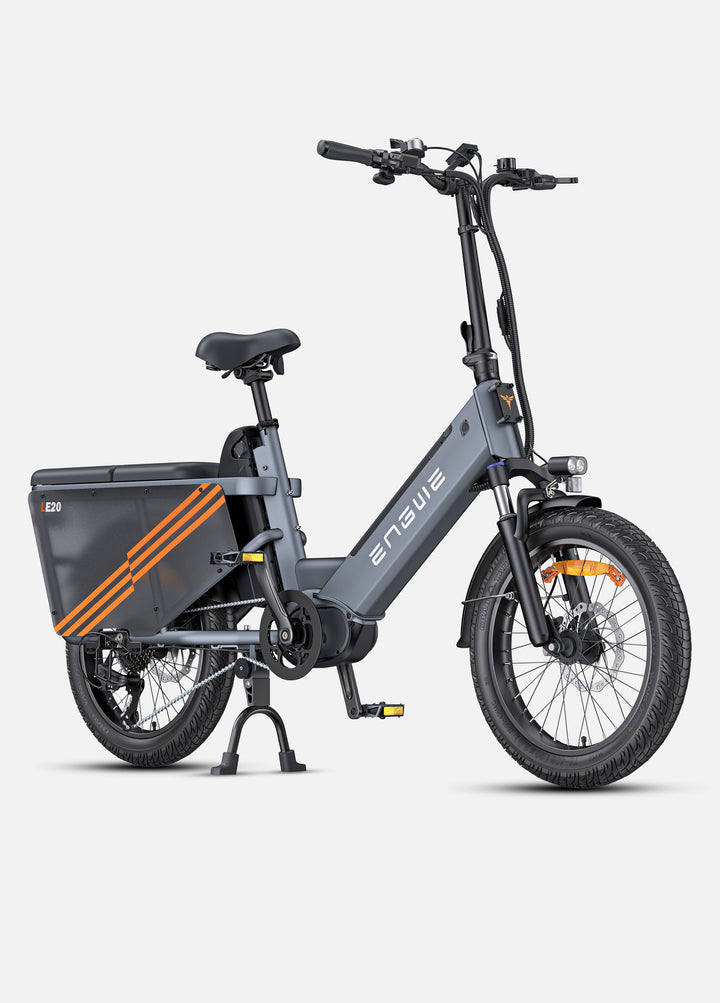
The ENGWE L20 3.0 Pro and ENGWE L20 Boost comply with EU Class 1 specs, topping out at 25 km/h.

The ENGWE L20 3.0 Pro comes with a 250W mid-drive motor that cranks out 100Nm of torque. It's also equipped with a 720Wh battery and has a range of 160 km, showing just how well modern class 1 ebike tech can handle.
This bike's full suspension system, with hydraulic front forks that have adjustable lockout and rear suspension, gives riders the same level of comfort as a mountain bike, no matter the terrain. And with built-in IoT tech, including GPS tracking and motion detection, you get top-of-the-line security that's usually only found in high-end e-bikes.
The ENGWE L20 Boost offers a 250W motor with 75Nm torque, and the unique boost button functionality provides additional power when tackling steep inclines. The 48V 13Ah battery delivers up to 126 km of range, while the fat 20x4.0-inch tires ensure excellent traction.

Both models feature Shimano 7-speed transmission systems and foldable frame designs that enhance practicality.
Technical Considerations

Motor Technology Differences
Ebike class 1 2 3 comparisons usually boil down to motor differences and power. Class 1 ebike models usually prioritize efficiency and a smoother ride rather than raw power, especially when comparing class 1 vs class 2 ebike options.
Class 3 motors require higher sustained power capabilities to maintain 28 mph assistance, often incorporating more sophisticated thermal management.
How Fast Does a Class 1 Ebike Go

Knowing class 1 ebike speed limits is key to understanding what your bike can do. The motor stops helping at 20 mph, but you can still go faster while going downhill or with the wind at your back.
The 20 mph assisted speed works well for most casual rides and commuting while keeping safety in mind for roads.
To Sum Up
The decision between Class 1 ebike and Class 3 models comes down to what you need, what's allowed, and how you want to ride. Class 1 bikes are great for casual rides and offer a traditional cycling feel. When considering a class 1 ebike vs class 2, remember that class 2 bikes offer throttle assistance. Class 3 models, on the other hand, are built for speed.
Brands like ENGWE show how electric bike tech can deliver great results across different types.
Frequently Asked Questions
What is the main difference between Class 1 and Class 3 e-bikes?
The main difference is how fast they can go. Class 1 e-bikes give you pedal assistance up to 20 mph, and Class 3 models give you a boost up to 28 mph.
Can Class 1 e-bikes be used on bike paths?
Class 1 e-bikes are usually allowed on bike paths and almost anywhere traditional bikes are permitted, making them versatile for casual rides.
Do I need a license for a Class 1 e-bike?
Most states don't require you to have a driver's license to ride a Class 1 e-bike, but you might need to check your local rules before hopping on.
Which class offers better battery life?
Class 1 e-bikes are pretty efficient with their batteries, mainly because they don't need a lot of power. This helps them get more miles per charge.
Are Class 3 e-bikes worth the extra cost?
Class 3 e-bikes are worth the higher cost for commuters who need performance, but for casual riding, Class 1 models offer a better deal.