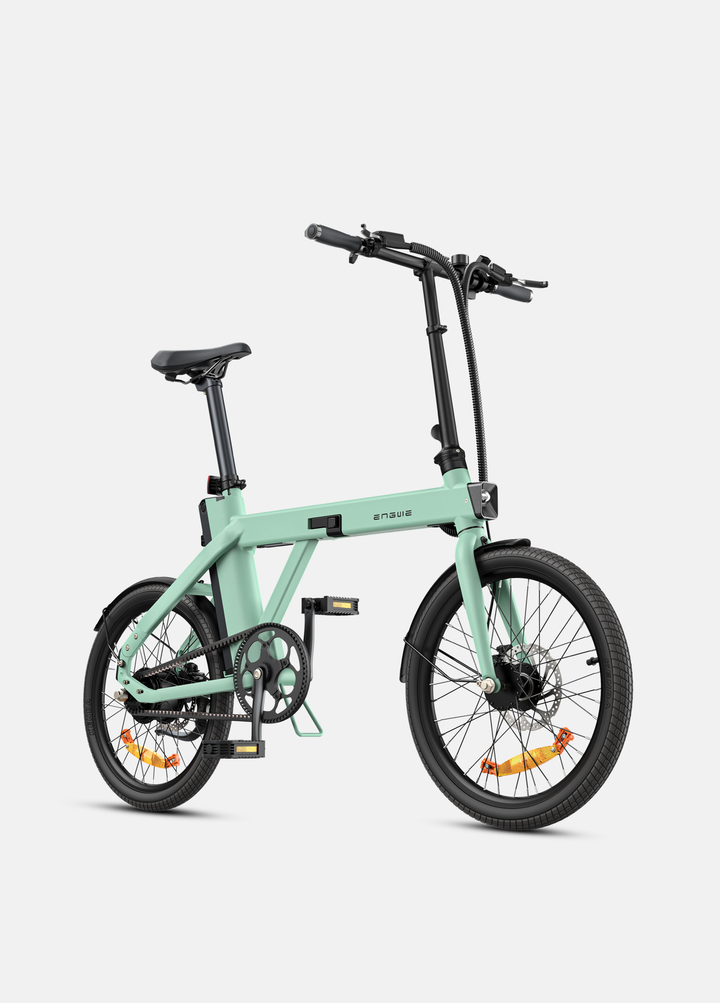
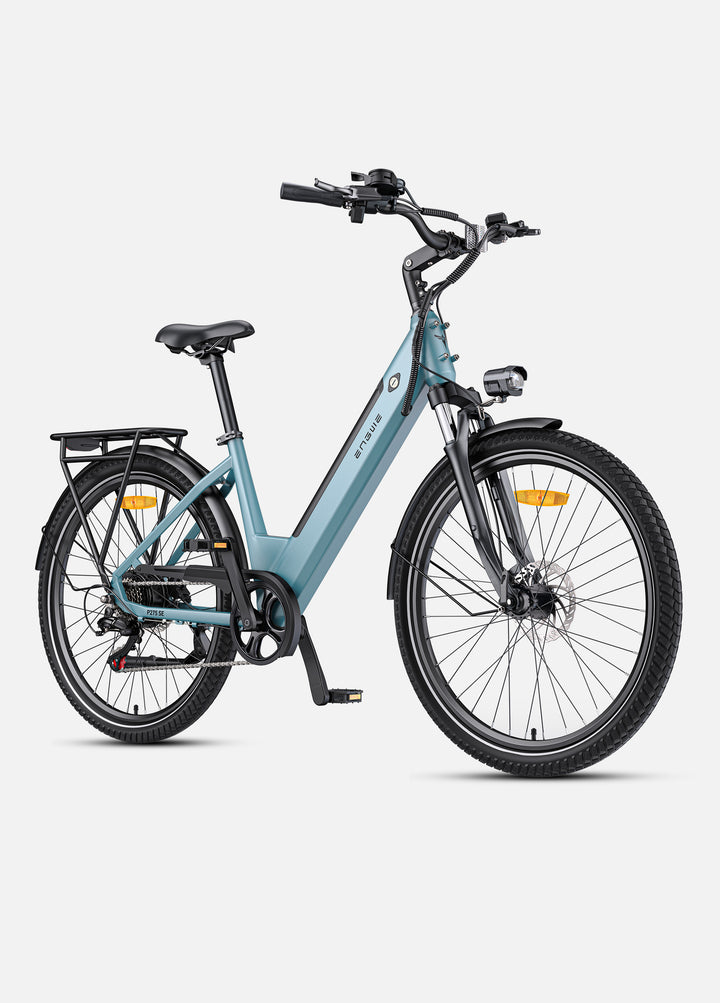
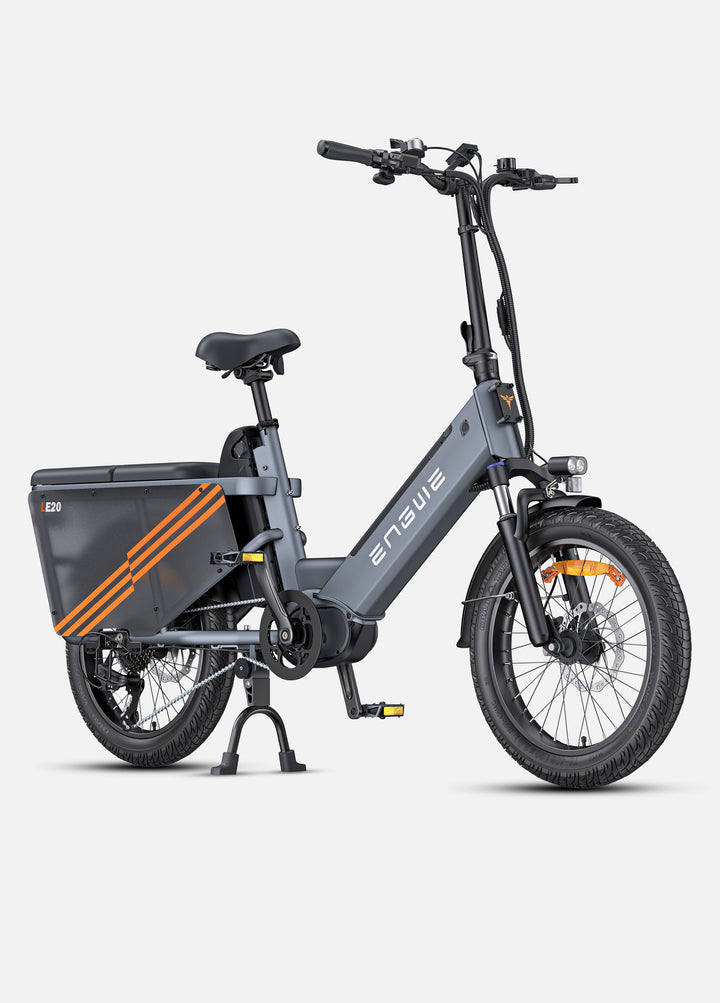
When buying an ebike classes, the difference in the way and where one will ride can be based on what he or she learns about the classes of the ebikes. Class 1 and Class 2 ebikes, may look similar models, which might appear to be the same, yet their operation and legal regulations vary.
This guide will inform you of the difference between pedal-assist (Class 1) from throttle-assisted (Class 2) models, and provide the experience of riding with them, to help you determine which type is best suited to your commute or adventure. Now we will discuss Class 3 ebikes that riders would like to enjoy the additional speed.
What Is a Class 2 Ebike?
A class 2 ebike offers both pedal-assist and throttle power, giving you the freedom to ride without pedalling when you want.
Class 2 e-bike definition:
A motor-powered bicycle that either supports when pedalling or through a throttle, and when the bicycle exceeds 20mph (32km/h), the motor assistance is turned off.
That is to say: you can ride with pedal assist as a workout, or you can just twist the throttle to have an easy cruise - ideal in urban commuting, stop-and-go traffic or when you just want to relax and ride.
How fast does a class 2 e-bike go?
By regulation, class 2 ebike speed is capped at 20 mph (32 km/h) in the U.S. and 25 km/h (15.5 mph) in the EU to comply with safety laws.

Class 1 vs Class 2 E-bike: The Core Difference
The key difference between class 1 vs class 2 e-bike models lies in how power is delivered:
|
Feature |
Class 1 E-bike |
Class 2 E-bike |
|
Motor Activation |
Pedal-assist only |
Pedal-assist + throttle |
|
Top Speed |
20 mph (32 km/h) |
20 mph (32 km/h) |
|
Throttle |
No |
Yes |
|
Where You Can Ride |
Bike paths, trails, roads |
Roads, paved paths (some trail restrictions) |
|
Exercise Level |
Higher |
Optional — can ride without pedaling |
In short, a class 1 ebike vs class 2 comparison shows that both share similar speed limits, but Class 2 adds the convenience of throttle power — ideal for those who want to take breaks from pedaling.

Class 2 vs Class 3 E-bike: Speed and Use
When comparing class 2 vs class 3 e-bike, the key difference is speed and access:
- Class 2: 20 mph max, throttle included, accessible for all riders.
- Class 3: Up to 28 mph (45 km/h), pedal-assist only (sometimes with throttle lockout).
In case you are comfort and legality conscious, Class 2 wins. To drive further or use on the highway, use a class 3 ebike - but in many areas, a helmet and a license will be required.

E-bike Classes Overview: Class 1, 2, and 3
To understand how Class 2 e-bikes fit into the broader category, here’s a quick summary of all ebike class 1 2 3 types:
|
E-bike Class |
Max Speed |
Throttle |
Where Allowed |
|
Class 1 |
20 mph (32 km/h) |
No |
Most bike lanes, trails |
|
Class 2 |
20 mph (32 km/h) |
Yes |
Roads, bike lanes (limited trail access) |
|
Class 3 |
28 mph (45 km/h) |
Optional |
Roads, bike lanes (helmet often required) |
Class 3 e-bikes cater to experienced commuters who prioritize speed and range, but not all regions allow throttles or trail access. That’s why most everyday riders choose Class 1 or Class 2 e-bikes — both versatile, safe, and widely legal.
What Is a Class 2 E-bike Good For?
The type of e-bike that fits the rider who enjoys flexibility will be a class 2 ebike, which is exercised through peddling when you feel comfortable and coaster when you are not in the mood.
Whether it is your first bicycle, or you are back on your feet post-injury, a class 2 ebike for sale will provide an inclusive riding experience of allowing you to travel farther without getting tired.
Best Use Cases:
- Urban commuting: Throttle helps in stop-and-go traffic.
- Short errands: Skip the sweat — great for store runs.
- Seniors and mobility riders: Throttle boosts independence.
- Leisure cruising: Perfect for relaxed weekend rides.

Class 2 E-bike Laws: What You Should Know
The Class 2 ebike laws differ depending on the jurisdiction, but tend to be consistent with the following rules: In most states, the U.S. Legal to use used on the road; throttles are limited along certain bike paths and trails.
EU and UK: Top speed is reduced to walking-assist, unless special permission is granted; otherwise, treated like motorised vehicles. Australia and Canada: The throttles of Class 2 are commonly limited or capped on the road.
Never buy or ride outside local e-bike laws, particularly when you are riding over regional or national borders.

How to Get the Most Speed from a Class 2 Ebike
Although laws restrict the class 2 ebike speed to 20 mph (or 25 km/h), you can get as much as you can in practice with some clever habits-- but without breaking the law.
Tips:
- Keep tires inflated for less rolling resistance.
- Lubricate your chain regularly.
- Ride in PAS (pedal-assist) mode 3–5 for balanced efficiency.
- Maintain battery charge above 40%.
- Reduce excess weight — both cargo and accessories.
Following class 2 e-bike laws, you can still enjoy responsive acceleration and smooth cruising, without illegal modifications.
Best Class 2 E-bike Recommendations
1. ENGWE L20 Boost — Comfort and Throttle Power Combined
An ideal comfort, control, and versatile step-through class 2 ebike. The brushless 250 W motor provides throttle support to a maximum of 25 km/h, and a torque sensor provides natural pedal support.
Highlights:
- Range up to 126 km per charge
- 20×4 inch fat tires for all-terrain stability
- Hydraulic disc brakes for safe stopping
- Step-through aluminium frame for easy mounting
Ideal for daily commuters and leisure riders who want a legal, comfortable ride with the flexibility of a throttle.


2. RadPower RadRunner 2 — Utility Built for Urban Riders
This is a blend of functionality and power of this popularclass 2 electric bike which is of class 2. It has a powerful 750 W hub motor and an in-built rear rack, thus making it popular in urban commuting and in moving light cargo.
Highlights:
- Throttle assist up to 20 mph (32 km/h)
- Payload capacity of 136 kg (300 lbs)
- Customizable rack system for passenger or cargo setup
- Comfortable upright geometry for everyday use

Conclusion
Knowledge of the difference between the class 1 vs class 2 e-bike will allow you to ride smarter and within the law. A class 2 e-bike is as convenient as it can get, as it allows you to ride between pedalling and throttle control based on your mood or the surroundings.
This class has flexibility and comfort, whether you want to take an easy ride to work, have fun on the weekend, or help you climb mountains.
The example ENGWE electric bike demonstrates that the contemporary e-bike models are ready to combine the fluidity of power, legal regulations, and affordability to make the best class 2 ebike the best option to enjoy freedom and fun daily.
Frequently Asked Questions
What is a class 2 e-bike?
A Class 2 e-bike has both pedal assist and a throttle. You can pedal when you want, or just use the throttle to move without pedalling. The motor stops helping once you reach 20 mph (32 km/h).
Is a class 2 e-bike street legal?
Yes, most places allow Class 2 e-bikes on roads and bike lanes. Some trails or parks might not allow throttle use, so it’s best to check local rules first.
What’s the difference between class 1 and class 2?
A Class 1 e-bike works only when you pedal; there’s no throttle.
A Class 2 e-bike gives you both options: pedal assist or throttle power when you need a break from pedaling.
Can I upgrade my class 1 to class 2?
Some bikes can be upgraded with a throttle kit, but doing that changes their class. Once you add a throttle, it’s no longer a Class 1 e-bike, it becomes a Class 2. Before making changes, check your local Class 2 e-bike laws so you stay within the legal limits.