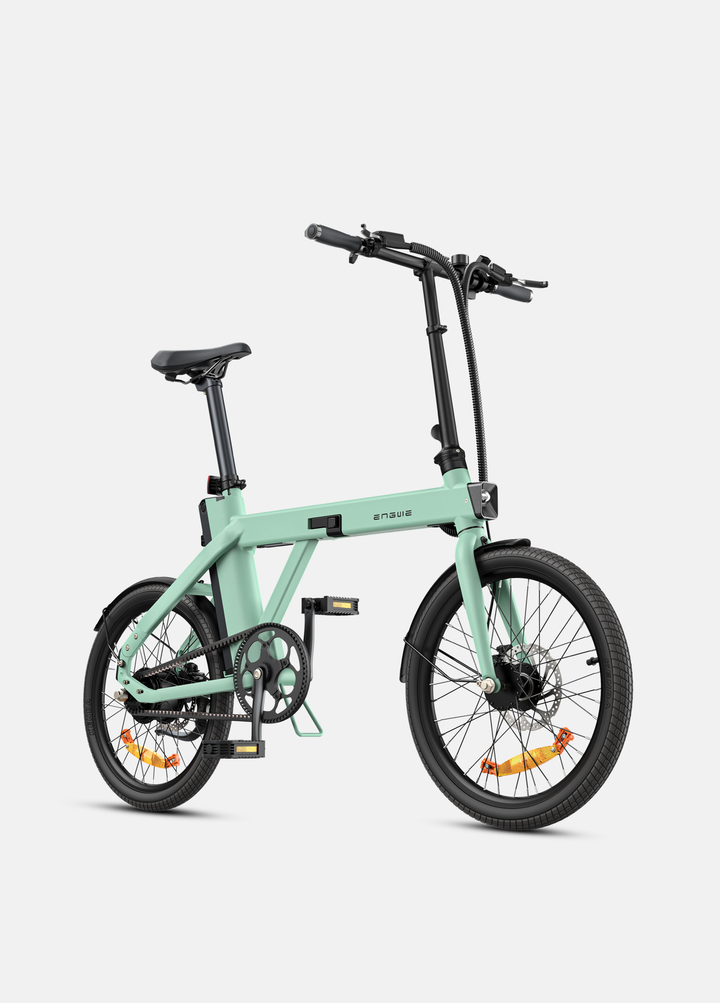
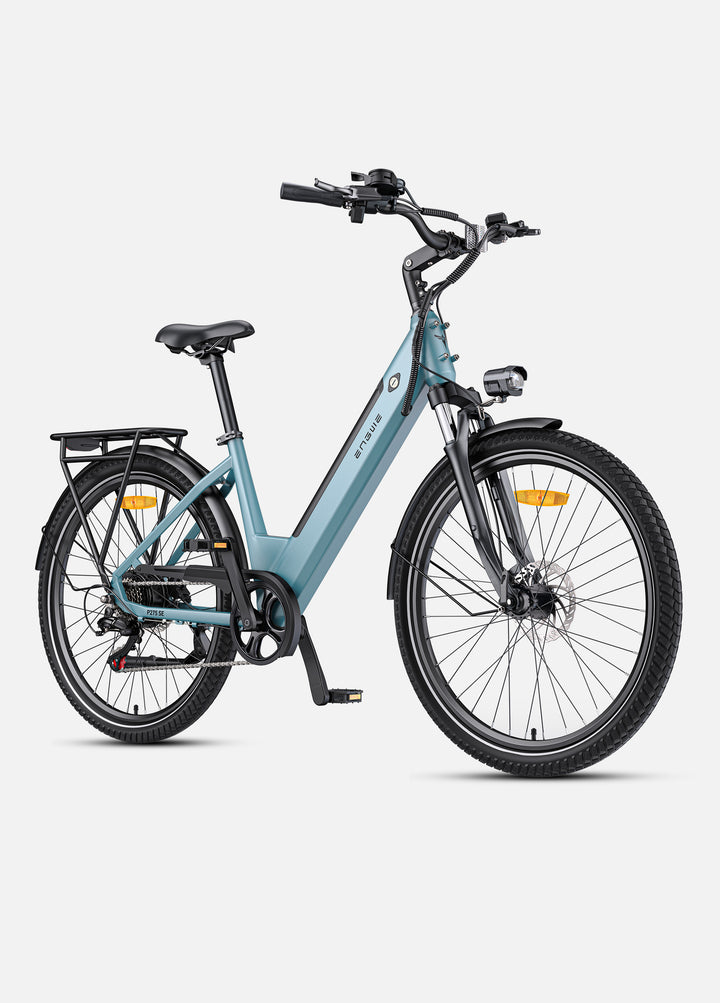
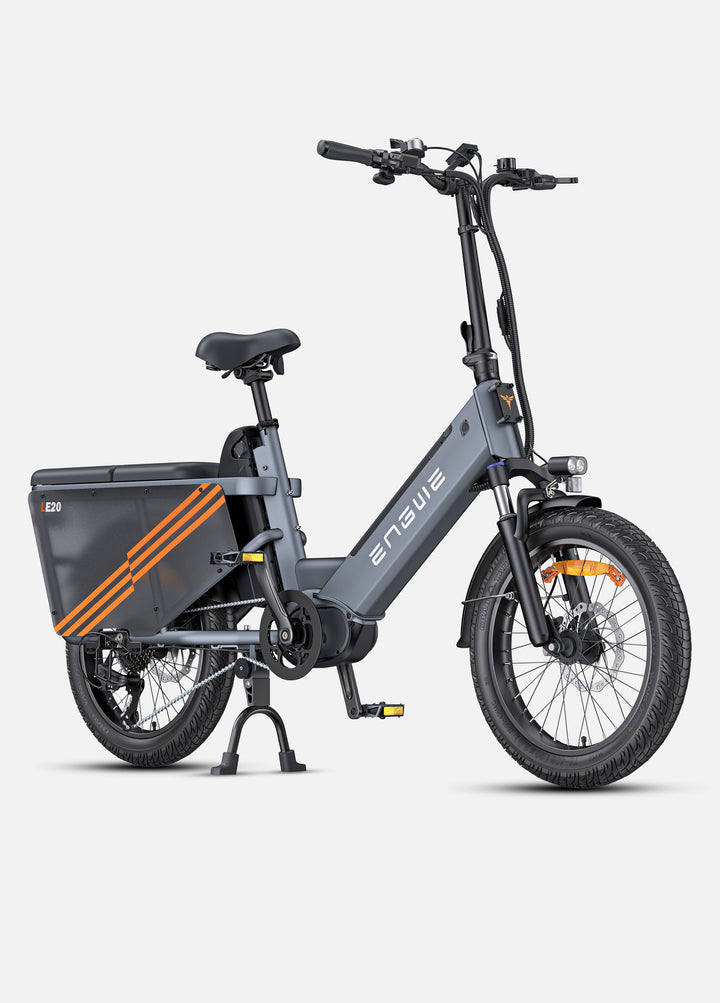
A Class 2 ebike is usually preferred due to its combination of convenience, control, and accessibility. Throttle assisted and with a controlled maximum speed, it is attractive to commuters, casual riders, and anybody interested in having an electric assist but does not step up to a faster range of categories. This is because knowing the speed of these bikes and the battery life allows one to have a good expectation before either purchasing or riding them every day.
The article subdivides the Class 2 ebike speed, battery life, the performance of Class 2 compared to the other ebike classes, and the rider in the field.

What Is a Class 2 Ebike?
To respond to the question of what is a Class 2 ebike, it is useful to consider how the classification of the ebikes is in most countries. A Class 2 ebike definition has typically two important characteristics, including pedal assist and throttle. The top limit of motor assistance is 20 mph, with or without the throttle peddled.
The power of an ebike Class 2 is flexible. Motorists have the option of riding in the normal pedaling mode, relying on the pedal assist or throttle when stopping at a crossroad or when climbing gradual hills. This composition renders Class 2 trendy in urban and mixed use paths.
Understanding Ebike Classes (Class 1, 2, and 3)
The contemporary laws tend to establish three primary types of ebikes. They form what is commonly called ebike Class 1 2 3 systems.
-
Class 1 ebike: Pedal assist, no throttle, maximum power 20 mph.
-
Class 2 ebike: Pedal assist + throttle, assistance up to 20 mph
-
Class 3 ebike: Pedal assist, no bigger than 28 mph of assistance.
When riders compare Class 1 vs Class 2 ebike, the throttle is the main difference. The comparison of a Class 1 vs a Class 2 ebike tends to be one of preference in control not speed as both limit assistance to 20mph.

Class 2 vs Class 3 Ebike: Speed Differences
In the comparison between Class 2 vs Class 3 ebike models, the most distinguishing feature is the speed and control features. These two are both commuting but apply to the different riding requirements and rules.
|
Feature |
Class 2 Ebike |
Class 3 Ebike |
|
Motor Assistance Limit |
Up to 20 mph |
Up to 28 mph |
|
Throttle |
Yes (included) |
No (pedal assist only) |
|
Pedal Assist |
Yes |
Yes |
|
Typical Use |
City commuting, leisure riding |
Longer or faster commutes |
|
Path & Trail Access |
More widely allowed |
Often more restricted |
|
Rider Experience Level |
Beginner to intermediate |
Intermediate to experienced |

How Fast Does a Class 2 Ebike Go?
So,how fast does a Class 2 ebike go in everyday riding? Motor assistance by definition ceases at 20 mph. Riders may ride faster downhill, or may pedal harder, but the motor will not help them past that point.
Under practical conditions, the average speed of cruising is usually less because of the traffic, stops, road, and comfort of the rider. Class 2 speed seems more than sufficient on most urban and suburban routes.
The riders must also take into account that it is unusual to keep the highest assisted speed steady in everyday use. Intersections, bike-path congestion, and road conditions naturally limit speed, which means most Class 2 ebike trips average well below the maximum. This kind of controlled pacing will be useful in enhancing safety, battery life, and the overall ridability of the fewest number of roads in an urban setting.
Class 2 Ebike Laws and Where You Can Ride (EU)
In the EU union, the Class 2 ebike laws are more restrictive than in the United States. Under the Europe regulations, most of the countries do not recognize Class 2 ebikes with throttles up to 20 mph. In simple terms a Class 2 ebike for sale in the EU must comply with pedal assist only rules to be legally arranged as a standard electric bike.
In most EU member states, such as Germany, France, Spain or the Netherlands, throttle-operated ebikes have a limit of only very low speeds (walk assist up to 6 km/h) or have been reclassified as mopeds and are required to be registered and insured, as well as suffer mandatory wearing of a helmet.
Riders need to ensure that the national and local regulations are always consulted before they use an ebike with throttle in the bike lanes, in the streets of the city, or on common ways.

Real Class 2 Ebike Examples Worth Knowing
These real-world Class 2 ebikes follow standard throttle-enabled regulations and are commonly used for commuting, leisure riding, and everyday travel. The following are the examples that are generally known as being reliable, comfortable, and designed in a practical manner depending on various riding requirements.
Rad Power Bikes RadRunner
The RadRunner is a utility-style Class 2 ebike built for practical city use and everyday versatility. Its steady frame design and throttle are not difficult to ride in stop and go, short commute, and leisure rides. It is popular among many riders because it is comfortable in an upright position, modular, and can carry cargo and due to its reliability in the city setting.

ENGWE EP-2 Boost
The ENGWE EP-2 Boost is a rugged and affordable Class 2 ebike designed for daily city riding and light off-road use. Its aluminum foldable frame and fat tires improve its stability and comfort, whereas throttle support makes it easy to accelerate in traffic and hilly areas. This model is applicable to commuters who want a model that is versatile but with a high cost.


Lectric XP 2.0
The Lectric XP 2.0 is a compact, foldable Class 2 ebike designed for riders who value portability without sacrificing usability. It has throttle and pedal assist, so it is appropriate in apartment, mixed-commuting and storage-constrained spaces. Its stable riding experience and simple controls make it an easy ride to use in the day-to-day city commuting.

Aventon Pace 500.2
The Aventon Pace 500.2 is a comfort-oriented Class 2 ebike built for relaxed city riding. It has a frame which is cruiser style and an upright sitting position which enables quick acceleration and easy maneuvering. It is popular among riders on paved roads, bike paths and commuting where comfort is the priority, predictable speed is important and the feel of traditional cycling are the most effective.

Battery Life vs Speed: Finding the Balance
Riders who regularly cruise near maximum Class 2 ebike speed or depend heavily on throttle-only riding will notice faster battery depletion. The throttle is easy to use and it consumes less power compared to pedal assist particularly during constant starter, hilly or snarl ups. A combination of light riding and assist can be used to maintain the range and maintain a smooth ride.
The environmental factors contribute to the battery performance as well. Efficiency can be influenced by the wind resistance, cold weather, the road surface and tire pressure. The riders that think in advance, ride at a constant pace and do not get aggressive acceleration tend to enjoy more reliable battery life that allows them to have confidence in their daily ride without the need to recharge every day.
Conclusion
Class 2 ebike is a convenient combination of regulated speed, throttle convenience and easily manageable battery life. Although it is not as fast as a Class 3 ebike, it is currently one of the most diverse among all ebike classes. This is a good bike that can be trusted and used to commute to work, run errands, and have fun on.
Class 2 ebikes remain easy to maneuver and predictable in their behaviors making them a favored mode of commuting to work and for recreational purposes. They are new and experienced riders because of their flexible features of riding.
A Class 2 ebike with the appropriate battery capacity and good build quality can be a comfortable, reliable, and long-term solution in terms of everyday transportation and recreational travel.