In most U.S. states, Class 3 ebikes are allowed, but they come with more restrictions. What sets them apart is that they can hit assisted speeds of up to 28 mph. This makes them really useful for commuting, but riders have to deal with tighter regulations than they would with regular bikes.
Understanding What is a Class 3 Ebike
A class 3 ebike is a type of electric bike that only gives you a boost when you're pedaling. These faster models can't have a throttle that works over 20 mph in most areas. The motor's power is still limited, just like other types of ebikes.
The class 3 ebike definition is all about pedal-assist tech that gives riders a boost. The key thing here is that the motor only kicks in when you're pedaling. That's what sets these bikes apart from motorcycles or mopeds.

How Class 3 Ebikes Compare to Other E Bike Classes
The ebike class 1 2 3 system makes it easy to tell different types of ebikes apart. The Class 1 vs Class 3 ebike differences are significant. Class 1 models give you a boost while pedaling up to 20 mph. Ebike class 3 versions, on the other hand, can reach 28 mph using pedal assist.
The class 2 vs class 3 ebike comparison highlights a crucial distinction. Class 2 ebikes offer both pedal assist and a throttle that goes up to 20 mph. Moreover, class 3 ebikes are geared more towards speed, focusing on quick commuting at higher speeds.
Class 1 2 3 ebikes cater to different needs. Class 1 gives you the most access to trails and paths, Class 2 offers flexibility, and Class 3 is all about speed for commuters.
|
Feature |
Class 1 Ebike |
Class 2 Ebike |
Class 3 Ebike |
|
Motor Assistance |
Pedal-assist only |
Pedal-assist + Throttle |
Pedal-assist only |
|
Maximum Speed |
20 mph (32 km/h) |
20 mph (32 km/h) |
28 mph (45 km/h) |
|
Throttle |
No throttle |
Throttle up to 20 mph |
No throttle (some exceptions allow throttle up to 20 mph) |
|
Motor Power |
Up to 250W (750W in US) |
Up to 250W (750W in US) |
Up to 250W (750W in US) |
|
Helmet Requirements |
Varies by state (often minors only) |
Varies by state (often minors only) |
Required for all riders in most states |
|
Age Requirements |
Usually no restrictions |
Usually no restrictions |
Minimum 16 years old in most states |
|
Trail Access |
Most bike paths and trails |
Limited trail access |
Restricted from most trails |
|
Road Access |
Yes |
Yes |
Yes |
|
Speedometer Required |
No |
No |
Yes |
|
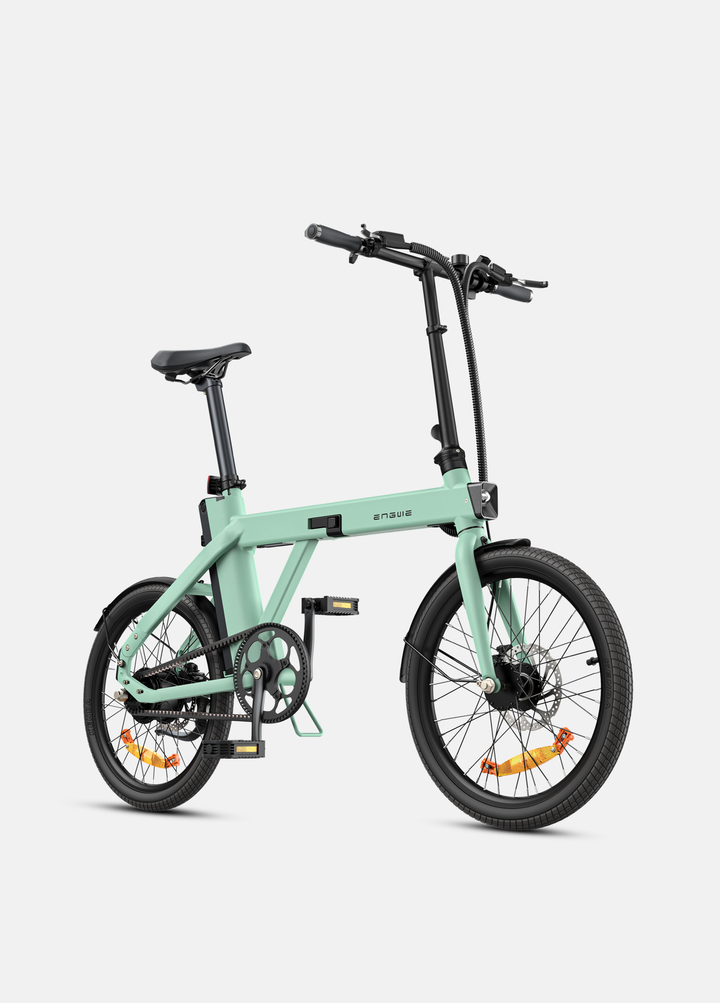
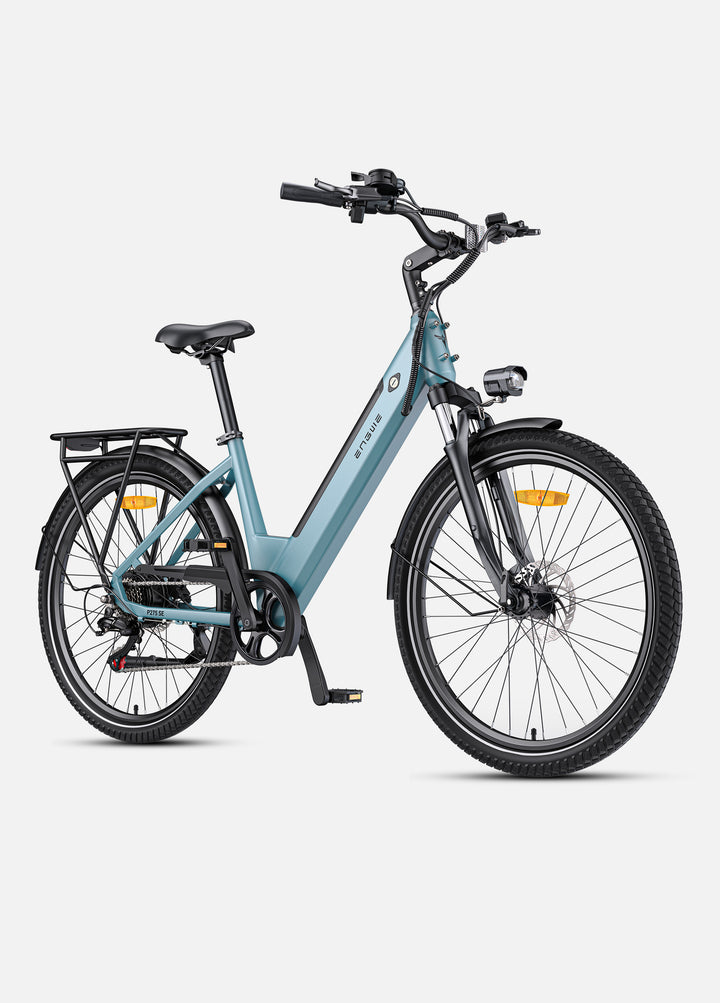
ENGWE’s Offering |
ENGWE P275 ST (250W Ananda Mid Drive, EU compliant) |
ENGWE EP-2 Pro (250W with throttle, dual functionality) |
ENGWE M20 (Full suspension, Fat ebike) |
Class 3 Ebike Laws and Legal Requirements
Class 3 ebike laws vary depending on where you live. In most areas, you have to be at least 16 to ride, but some places let 15-year-olds on them. Basically, the age limits assume that if you're going faster, you need more experience.
Helmet rules are one thing that's pretty consistent. Class 3 ebike models often require riders of all ages to wear helmets. California, Georgia, and Tennessee make helmets mandatory for everyone riding Class 3 e-bikes.
The answer to “Are class 3 ebikes legal?" depends on where you're at. They're allowed in most states, but there are limits on where you can ride them. Federal rules provide a general outline, but each state decides its own rules for things.

Class 3 Ebike Speed Regulations
How fast does a class 3 ebike go? The 28 mph limit on Class 3 e-bikes only counts when the motor is kicking in. If you're using your own muscle power, you can pedal past that.
Class 3 ebike speed ranges from $50 to $500 for speeding. In some places, breaking the rules on these bikes is like a regular traffic ticket. Understanding class 3 ebike speed limits helps you stay within the rules. The 28 mph mark lets you commute faster, while keeping your bike classified as a bicycle.
Class 3 Ebike Throttle Regulations
Class 3 ebike with throttle setups are a bit of a regulatory gray area. At the federal level, Class 3 bikes are supposed to be pedal-assist only. But many manufacturers are throwing in throttles that don't go above 20 mph. What you get is a hybrid system: the throttle kicks in up to 20 mph, and then pedal assistance takes over.
State interpretations of throttle rules differ. Some places don't allow any throttle on Class 3 models, period. Others let you use throttle assistance up to 20 mph, and then you can keep pedaling. This inconsistency means riders have to learn the local rules.
Throttle restrictions can really impact commuting. If you rely on throttle help in traffic, you might need to look into Class 2 options.

Where You Can Ride Class 3 Ebikes
Road access is the way to go for Class 3 operation. Most states allow these bikes on public roads and bike lanes. Their higher speed helps them keep up with city traffic.
Class 3 bikes face a lot of restrictions on multi-use paths. Most shared trails and paths for pedestrians don't allow Class 3 bikes. The reason is that it's not considered a good idea to mix 28 mph bikes with walkers and slower cyclists. Usually, only Class 1 bikes are allowed.
Mountain bike trails are still off-limits to many e-bikes. They're often not allowed because their higher speeds raise safety. Most land managers decide it's best to keep Class 3 e-bikes out altogether.
Best Class 3 Ebikes and Market Options
The best class 3 ebikes today are all about getting you to places quickly. The top e bikes in this group prioritize strong motors and solid build quality. They usually come with perks like torque and often feature built-in lights.
ENGWE has a range of ebikes that meet European standards. The ENGWE EP-2 Boost model comes with a 250W motor that uses a torque sensor and can go up to 120km. And, the ENGWE L20 3.0 Pro takes it a step further, with a mid-drive motor and full suspension.
Class 3 ebike reviews often emphasize how important it is to choose a bike that fits you. If you're commuting, look for efficiency. But if you're more about adventure, versatility is key. One thing to keep in mind with Class 3 ebikes is battery capacity. Since you're going faster, you'll burn through power quicker.


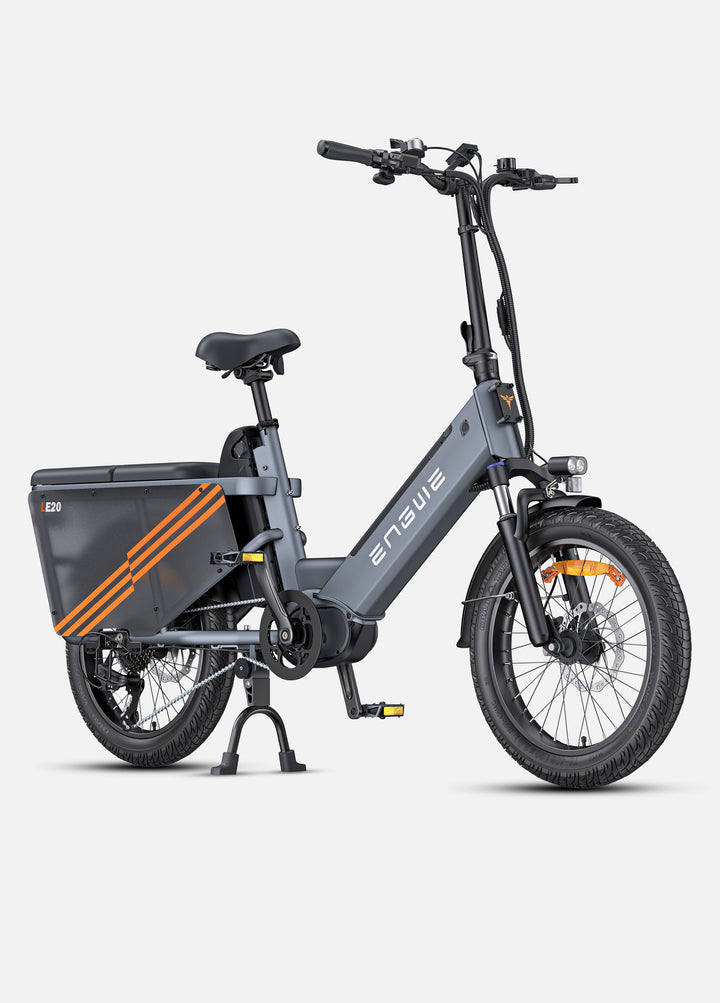
Class 3 Cargo Ebike Considerations
Class 3 cargo ebike models have a lot going for them, especially for families and businesses. They're faster, so you can keep up with traffic, even when carrying kids or work stuff. Many Class 3 models can handle over 400 pounds.
Things get a lot more serious when you're cruising on a cargo bike. Adding passengers, especially kids, makes it important to wear helmets and pick routes with protected bike lanes.
Class 3 Ebike Helmet Requirements
Class 3 ebike helmet requirements go beyond what's needed. The class 3 ebike speeds create more intense crash forces that can overwhelm traditional bike helmets. For that reason, some experts suggest using helmets that meet NTA-8776 standards.
Helmet tech for Class 3 riding offers extra protection. MIPS technology helps deal with rotational forces. For long stretches of high-speed riding, good ventilation is key.
Legal helmet requirements vary by state, but consistently apply to Class 3 operation. Even in states without universal helmet laws, Class 3 models typically trigger mandatory helmet use. This reflects the recognition that 28 mph operation creates risks similar to those of a motorcycle.

To Conclude
Ultimately, to grasp the laws surrounding class 3 ebikes, you need to look into both state and local rules. These powerful electric bikes sit between traditional bicycles and motor vehicles. On the one hand, they're great for commuting. On the other hand, navigating the laws can be complicated.
Frequently Asked Questions
What is the maximum speed for a class 3 ebike?
Class 3 ebikes give you a boost up to 28 mph when you're pedaling. The motor stops assisting at this speed, but you can still go faster if you pedal hard.
Do I need a license to ride a class 3 ebike?
Most states don't require you to have a license for Class 3 ebikes. But some states, like New Jersey, require you to register and license these faster models.
Can class 3 ebikes use bike paths and trails?
Class 3 ebikes are usually not allowed on multi-use paths or areas for pedestrians. They're typically okay to ride on roads and bike lanes that are next to streets.
Are helmets required for all class 3 ebike riders?
Most states require helmets for all Class 3 ebike riders. This is different from Class 1 and 2 ebikes, where only minors usually have to wear helmets.
What's the difference between class 3 ebikes and regular bicycles legally?
Class 3 ebikes are treated like regular bikes, but they come with some extra rules. You can't ride them everywhere, and you usually need to wear a helmet. In some places, there are also age limits.