Electric mobility is changing how we travel in cities and outdoors. It's bringing a new, eco-friendly trend. The electric bicycle, or e-bike, is seen as a great technology. It combines human effort with machine support to enhance travel. However, the majority of the newcomers to this mode cannot help but wonder how do electric bikes work to create such smooth and effortless rides. The answer goes beyond just adding a motor to the bike frame. It involves many components that work together electronically and instantly.
To fully understand the power and speed of these machines, it's key to break them down into their parts and see how they work together. If you ride your bike to work or enjoy weekend rides, understanding how it works helps you maintain it and ride better.
Here is an article that goes deep into the nitty-gritty of the ebike's mechanical parts. It explains each part, like the motor, battery, controller, and sensors. Then, it shows how they work together to give you power for moving from one place to another.

What Are Electric Bicycles?
First, let’s clarify what this machine is before we break down its parts. What is an electric bike? Basically, an electric bike is a normal bicycle with an additional electric drive system. The system comprises a battery, a motor, and a control unit that are connected in such a way as to provide power assist. A motorcycle or moped runs only on an engine. In contrast, an e-bike helps the rider pedal.
What are electric bicycles when talking about modern means of transport? They are stylish and useful ways to get around. They combine the perks of manual and motorized movement.
By using an e-bike, one can go a longer way with less tiring, get up a hill quickly, and keep a faster speed than that of a normal bike. The great thing about the setup is how it senses the rider's effort. It provides immediate support, so the rider feels their power is multiplied, not that they are being carried.

The Core Components of an E-Bike
We need to identify the "Big Three" components: the battery, the motor, and the controller. This will help us understand how do electric bikes work. These parts are the electrical system of the bike.
1. The Electric Motor
An electric motor changes electric power into mechanical power. This pushes the bike forward using the new energy source.
Motors are typically found in two locations:
-
The rim of the wheel (hub motor)
-
The area around the pedals, called the bottom bracket (mid-drive motor)
Hub motors can be found in most cities and folding bikes. They are dependable, need minimal maintenance, and are directly mounted on the wheel axle. To put it simply, if power is given to the motor, it will turn the wheel, thus the bike moves. Contrarily, the so-called mid-drive motors are the ones that pull the bike's chain and gears.
Hence, it can use the bike gear system, which in turn makes the motor very efficient for uphill climbs. The one thing that separates these two is the motor, which is, at its core, the same, just in a different location. Hence, the motor is the one that has to supply the necessary torque to assist the rider.

2. The Battery
The motor can be considered the muscle, while the battery is the heart that supplies the energy. Most electric cycles today use Lithium-Ion (Li-Ion) batteries. They are popular because they are light and have high energy density. The battery stores DC (Direct Current) electricity. It releases power to the controller when needed.
The battery capacity is the main factor that determines how far it can go on a single charge. ENGWE Batteries in top-tier ENGWE models are designed for thousands of full charge cycles and remain efficient. The battery's position affects how an electric bike handles. Many models now have the battery built into the downtube. This keeps the center of gravity lower, which improves stability.

3. The Controller
Maybe the controller is the most essential part of the whole thing that has been ignored anyway. How do electric bike controllers work? A controller is a small computer. It adjusts signals from the battery to the motor, as well as from the handlebars to the motor. It is like the manager of the company, who decides how much "energy" should flow between the different departments.
Switching on the throttle or starting to pedal doesn't mean that you are directly powering the motor. What you do is send a signal to the controller. The controller manages this signal; it also checks the battery voltage, and finally, it decides the exact amount of current to be sent to the motor. It also keeps the system cool and prevents over-discharge.
If there were no advanced controller, the power delivery would be sudden, and you wouldn't be able to predict it. The controller ensures smooth acceleration and keeps all components within safe limits.

How Do Electric Bikes Work in Practice?
Once we identify the components, we can address the main question: how do electric bikes work together? The process begins with the rider.
The Role of Sensors
The user of the bike is the one who initiates the interaction when he/she pushes the pedals. This is the place where sensors enter the scene. E-bikes have either a cadence sensor or a torque sensor for the purpose of detecting rider input.
-
Cadence Sensors: The function of these devices is to locate the pedaling action and the speed as well. The motor obtains its intention from them, as it is like an on/off switch. When the pedals start to turn, the sensor sends a signal to the controller. This adjusts the motor to a preset power level.
-
Torque Sensors: They are more high-tech and determine the force with which you are pedaling. When extra effort is put on the pedals, the sensor notifies the controller to supply more power. The end result is a smooth, almost human-like ride. It feels as if the extra legs are bionic.
How Do Electric Assist Bikes Work?
How do electric assist bikes work while riding? Let's say you are going up a hill. You change to a lower gear and pedal harder. The torque sensor hears the increased pressure. Right away, it sends the information to the controller that the rider needs assistance. The controller takes more energy from the battery and offers it to the motor. The motor makes more torque to help you go up the hill with barely any extra force.
On the other hand, if you are riding on a level road and pedaling with a light force, the unit lowers the power output to save the battery. This constant communication loop between the rider, sensors, controller, and motor happens thousands of times each second. This keeps the ride stable and efficient.

How Does Ebike Work When Braking?
That is, safety is equally as important as giving the bike power. So, how do electric bike brakes work? E-bikes have the same brake hardware as regular bikes, but they include an extra electronic safety feature. There are motor cutoff switches in the brake levers of an electric bike.
The brake action lever does two things at once: it engages the mechanical calipers on the disc to slow the wheel, and it sends an electronic signal to the controller to cut power to the motor right away. This helps stop the motor from fighting the brakes. So, it shortens stopping distances and protects the motor from overheating.
Some advanced systems use regenerative braking. Here, the motor acts as a generator. This process charges the battery slightly while slowing the bike.

Recommended ENGWE Models
ENGWE has smartly added features to make units that are reliable, attractive, and in sync. This strategy helps them stand out as a trendsetter in the e-bike sector. Below are the three legal models that set a benchmark in inventive thinking without just focusing on the figures.
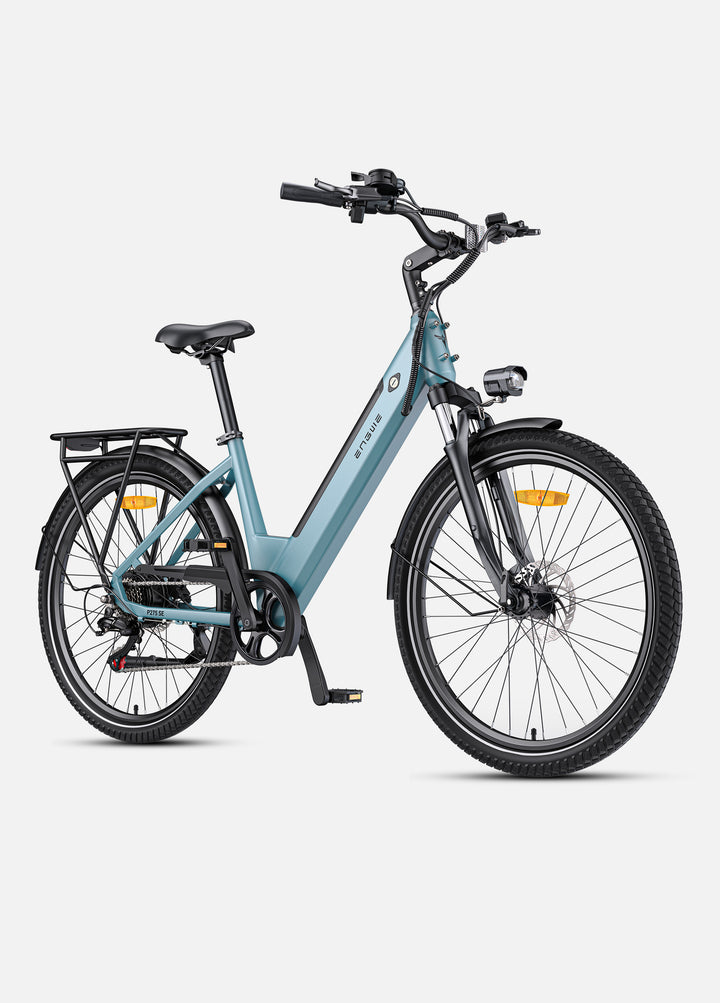
1. ENGWE P275 Pro
With the help of a mid-drive system and a torque sensor, the ENGWE P275 Pro is a perfect example of a super easy and smooth ride for the daily commute. The cutting-edge 250W Bafang mid-drive motor is what the bike is all about.
This means that the motor can use the bike's gears to get the best result both on a flat surface and uphill. The bike has a torque sensor that makes the power supply quick and proportional to the force you use on the pedals.
This electric bike has a large-capacity Samsung battery. It can travel far, making it perfect for daily commuters. You’ll enjoy a natural ride feel and reliable performance. A belt drive system means less maintenance. It replaces the noisy, oil-reliant chain with a clean and quiet option.


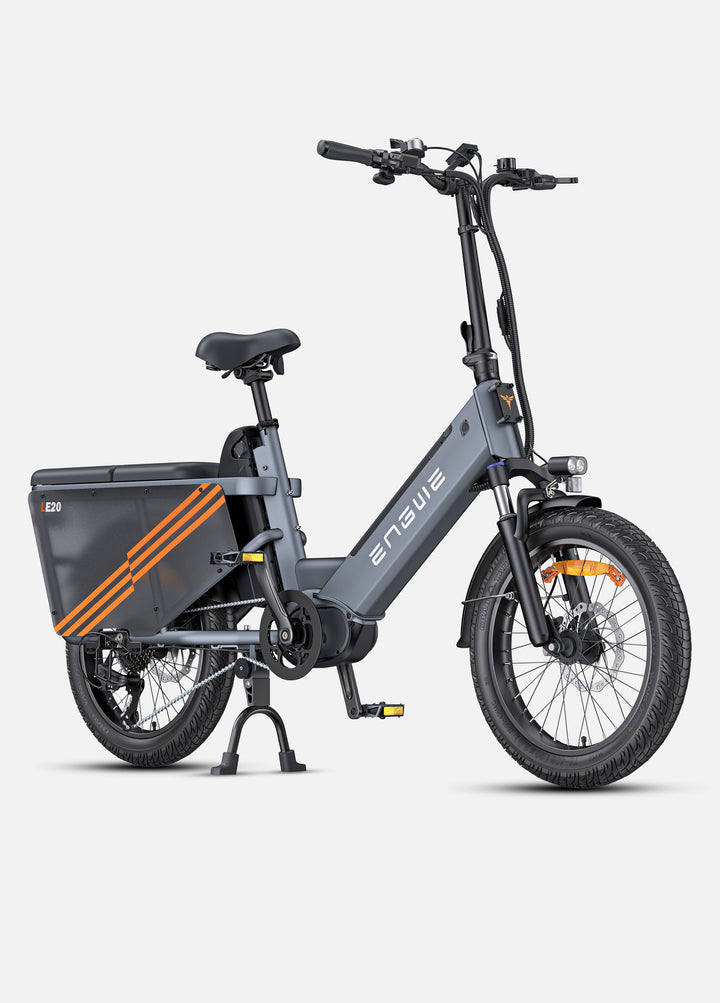
2. ENGWE L20 Boost
Comfort and simplicity are characteristics that riders can point to the ENGWE L20 Boost and say, "I have found it". The step-through model is conceived for the use of any age group and any fitness level, thus it is really accessible to everyone.
"Boost" is a special feature of the button technology. It allows a quick power surge to help in power-down situations. This happens without breaking the 250W continuous power limit.
Riding upright reduces the strain on your back. Plus, the fat tires absorb shocks well, making bumps on the road or rough city streets much easier to handle. The ENGWE L20 Boost shows how riding modes can vary. By tuning the controller, it balances power for hills and speed for long rides.


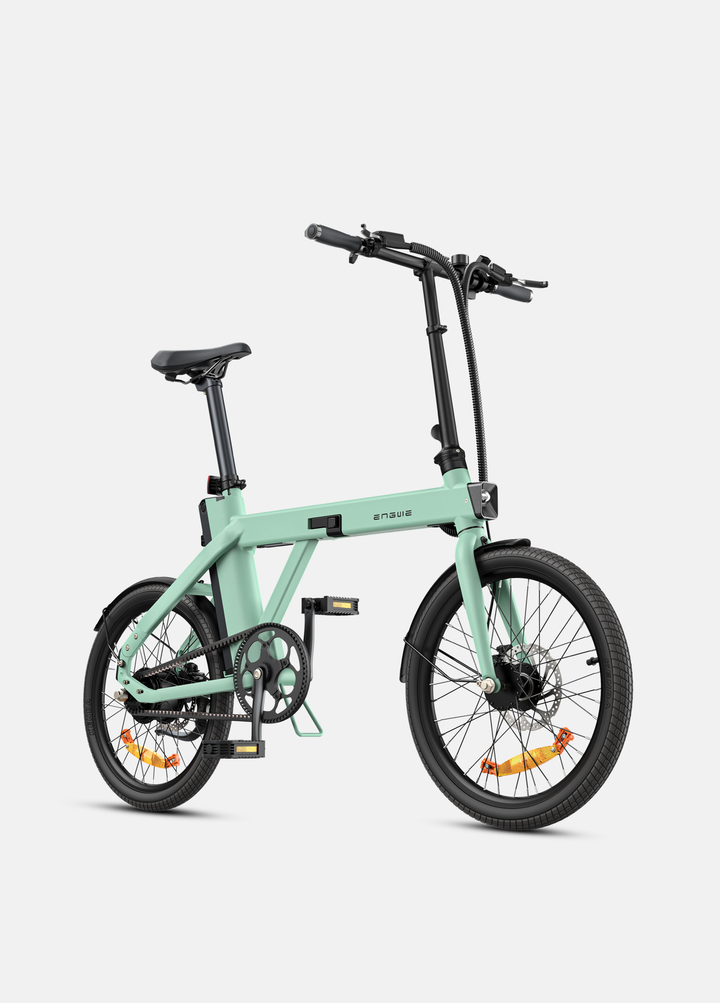
3. ENGWE P20
Simply put, the ENGWE P20 is the best folding bike to take with you anywhere if portability is what you care about most. Even though it is small in size, it does not lower the quality of the parts. To give you a powerful but still very smooth ride, it uses a very precise torque sensor and a quiet 250W motor. The ENGWE P20 is designed for multi-modal commuters.
Users can ride to the train station, fold their bike, and then easily ride the last mile to the office. The system's light design keeps the battery and motor lightweight for carrying. This is one of the ways the bike shows how small parts can still be powerful if they are controlled by a smart controller.


Key Takeaway
With the continuous evolution of technology, the response to "how do electric bikes work?" keeps getting more fascinating. Smart controllers now connect to smartphone apps. This lets users customize power curves and easily monitor battery health. Batteries are getting lighter and more energy-dense. This means we can extend ranges without adding weight.
Nevertheless, the core concept is still the same: an efficient energy complement of human power and electric power. Knowing the functions of the motor, battery, and controller, users will be able to decide wisely when selecting their new bike.
Frequently Asked Questions
Do I have to pedal on an electric bike?
In most places, especially in the European Union, you must pedal for the motor to assist you. Thus, the assistance is given through Pedal Assist. Most bicycles don’t have throttles. E-bikes that can be used on roads must usually have pedals. This keeps them classified as bicycles, not mopeds.
How long does an electric bike battery last?
Generally, an e-bike battery of good quality, such as the ones utilized by ENGWE, can keep its capacity for around 500 to 1,000 full recharge cycles. The daily distance depends on the battery (Wh) and terrain type. Most modern e-bikes can travel between 40 km and 100 km on one charge.
Can I ride an electric bike in the rain?
Most good-quality electric bikes are waterproof. They can handle rain and splashes without issues. In fact, the essential parts that include the battery, motor, and controller are made airtight to at least IPX4 or above standards. The electric bike should not be submerged in deep water. Also, avoid cleaning it with high-pressure water, even if it has good waterproofing.
How fast can an electric bike go?
To ride legally on streets in the European Union and many other places, an e-bike must meet one important rule: the motor assistance stops automatically at 25 km/h. You can go faster if you pedal the bike yourself. But the electric motor won't assist you beyond this limit.
Is it difficult to maintain an electric bike?
Maintenance is almost the same as that of a regular bike. You just have to make sure the tires are inflated, the chain (or belt) is clean, and the brakes are adjusted. The electrical parts (motor, battery, controller) are maintenance-free and sealed. If there's a fault, most controllers now have diagnostic codes. These codes make it easy to find the problem.