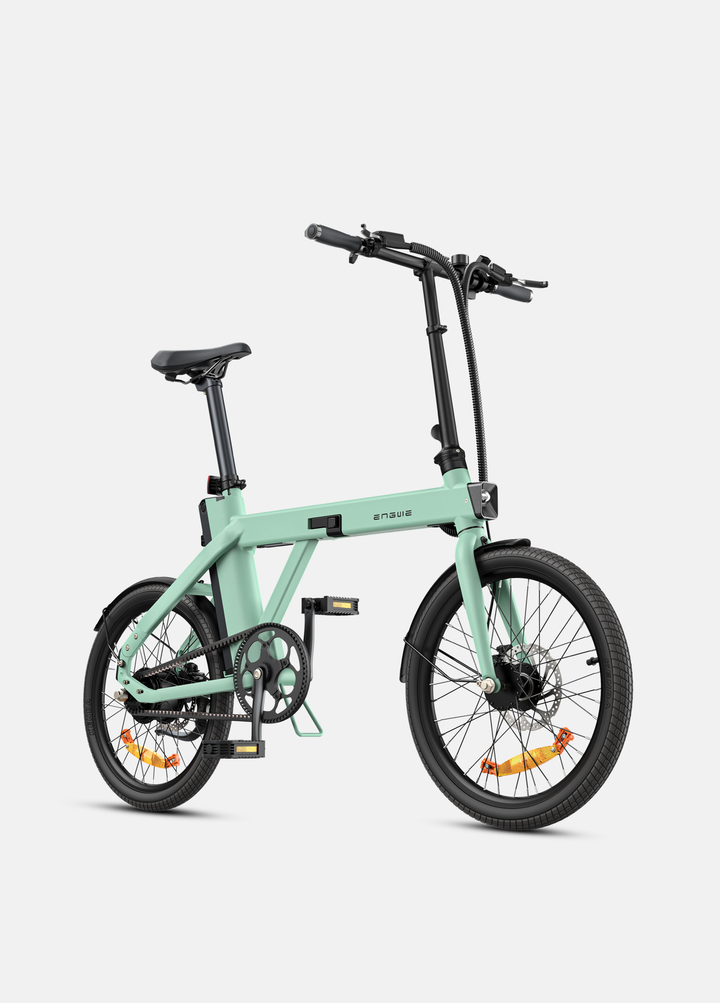
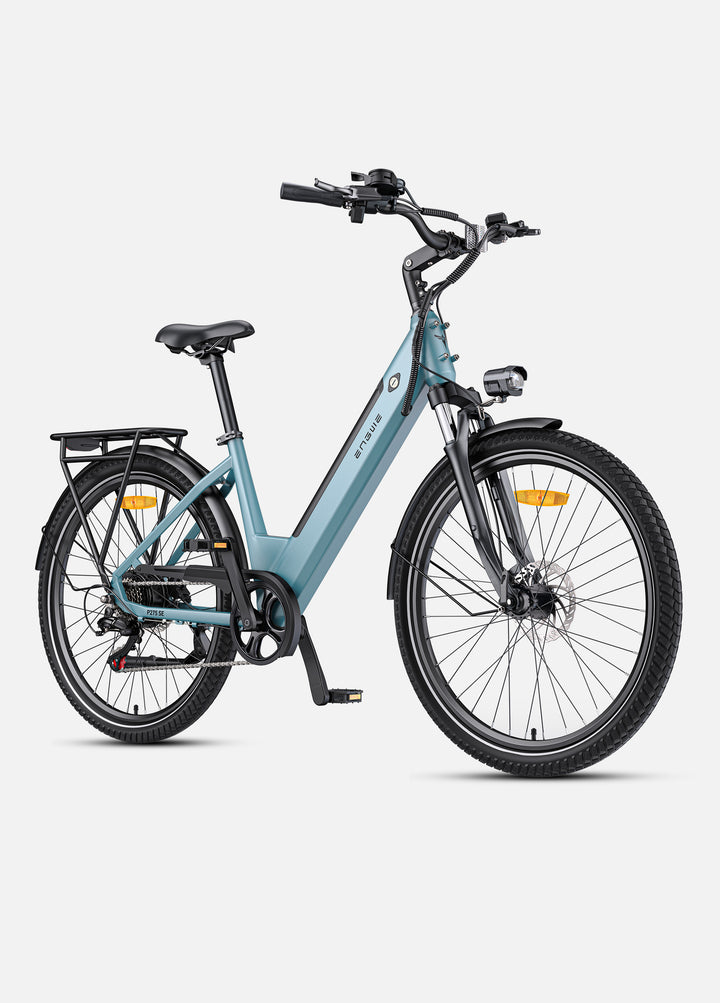
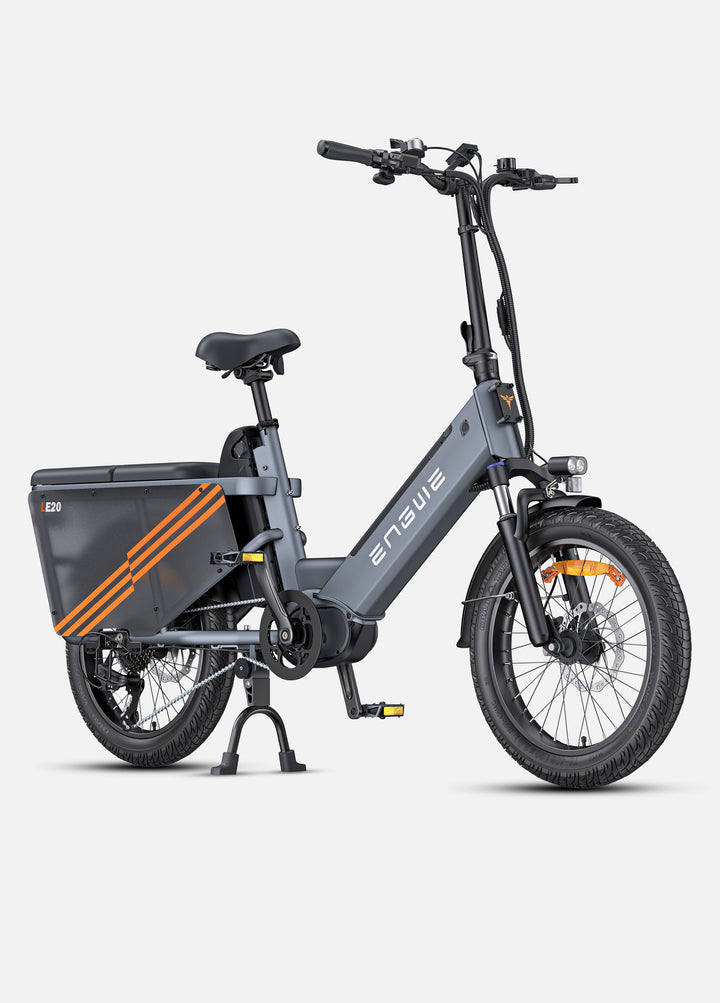
Electric bikes offer gentle motor assist to minimise physical effort. However, many people ask, “Do you have to pedal an electric bike?” due to their motor assist feature. The answer depends on the type of bike.
Some models require constant input from the rider while others do not. Understanding this difference is important to choosing a model that matches your physical ability. This is especially true in Europe, where cycling culture is deep. Let's explore the details below.
How Does an Ebike Work?
An ebike uses a motor and sensors to assist. In fact, the sensor technology is key in e-bikes. Cadence sensors are simple. They detect if the pedals are moving and provide a fixed level of power.
Torque sensors are more advanced. They measure how hard you pedal and deliver power accordingly. As a result, the rides feel more intuitive.
Motor placement matters as well in e-bikes. Hub motors are in the front or rear wheel. They offer simple, direct power. On the other hand, mid-drive motors are near the pedals. They work with the gears to offer better balance and power.

Types of Electric Bikes and Their Pedalling Requirements
Not all ebikes are the same. Their design defines their pedalling requirements.
Pedal-Assisted (Pedelecs) Ebikes
Pedelecs dominate European roads. Their motor only works when you pedal. This is the legal standard for an "Electrically Power Assisted Cycle" (EPAC) in the EU.
The rides feel effortless on pedelecs. Hills feel smaller, and the effect of headwinds vanishes. Riders can choose assistance levels as well. For instance, you can select Eco for a long range or Turbo for a steep hill.
Throttle-Controlled Ebikes
Throttle-controlled e-bikes do not require pedalling. A twist-grip or lever provides power, which places them in a separate legal category from standard pedelecs.
The EU law states that a throttle that propels the bike over 6 km/h is not a simple bicycle. It is a "powered cycle" which often requires registration, insurance, and a helmet. As a result, these bikes cannot use bicycle lanes.
Dual-Mode Ebikes
Some bikes offer both pedal assist and throttle. However, this system creates legal complexity, as authorities judge the bike by its highest capability. A powerful throttle often reclassifies the bike as a moped. Some models limit the throttle to "walk assist" speeds to be classified as a standard bicycle. Always check these specifications to know what you are getting.
Benefits of Pedalling Even on an Electric Bike
Pedalling is about more than just legal compliance. It helps achieve the true potential of your e-bike.
Improves Battery Efficiency and Range
Your legs are a second power source during rides after the battery. When you pedal, it reduces stress on the battery. In fact, using lower pedal assistance levels can double your range. Riders who manage their energy properly enjoy longer trips.
Provides Exercise and Physical Benefits
The best electric bikes encourage physical activity, as riders can often take longer, more frequent trips. The adjustable assistance makes cycling accessible to people of all fitness levels. This leads to tangible health improvements among people who cannot ride traditional bicycles.
Helps Maintain Control and Stability
When pedalling, your legs act as counterweights. This improves control at low speeds. It also allows an active riding posture that keeps you engaged with the machine. This is not possible in throttle-only operation, where your body remains static.
Extends Motor and Battery Lifespan
Pedalling reduces strain on the motor. The system draws less power and generates less heat. Excess heat can damage electronics, while cooler operation means a longer life for the bike’s components. Your physical effort is actually an investment in your bike's future.
Legal Regulations Around Pedalling Requirements
The EU has clear criteria for e-bikes. In a standard "Pedelec", the motor power cannot exceed 250 watts. The assistance must also cut off at 25 km/h. Most importantly, the motor must only engage when the rider is pedalling. These ebikes are treated as bicycles. They need no registration or insurance. These ebikes can also use bicycle lanes.
"Speed Pedelecs" are treated as mopeds. They can assist up to 45 km/h. But they cannot use bicycle lanes. Speed pedelecs also need insurance, registration, and a helmet. The same is the case with throttle-based ebikes.
The law can vary by country. Check your local regulations to confirm.
Which Ebikes Have the Best Pedal Assist?
The quality of pedal assist varies by bike. A good system feels intuitive and an extension of your body. Here are three models with the best pedal assist:
1. ENGWE E26
The 7-speed Shimano gears make pedalling effortless on any terrain. Moreover, the ENGWE E26 has a 250W motor that assists up to 25 km/h, which means you can enjoy all the perks of traditional bicycles with minimal physical effort. No registration or insurance is required.
The bike can offer up to 140 km of range in PAS mode. It is ideal for daily commuters and recreational riders seeking pedal assist with long range.

250W 140 km Dual Suspension All-Terrain E-bike Learn More
2. ENGWE Engine Pro 3.0 Boost
ENGWE Engine Pro 3.0 Boost is the newest upgraded foldable e-bike, offering enhanced features and a smoother riding experience. It features a torque sensor to measure your pedalling force so the motor can provide appropriate pedal assist. The bike feels like a natural extension of your body during rides. With 90 Nm of torque, it also offers strong, responsive pedal assist on hills. If you want a dynamic pedalling experience, then this model can be the perfect choice.

EU Legal 250W 90Nm 130km Full Suspension E-Bike Learn More
3. ENGWE X26
The ENGWE X26 uses a powerful-torque motor and a dual-battery system built for challenging conditions. Moreover, ENGWE X26 is a fat-tire e-bike and has a robust pedal-assist system designed for steep hills and heavy loads. The motor provides responsive assistance to match different intensities of pedalling on rough terrains. For those seeking a reliable pedalling performance for off-road adventures or demanding trails, ENGWE X26 checks all the boxes.

Max Speed 25 km/h Triple Suspension Foldable E-bike Learn More
Conclusion
Still wondering, do you have to pedal an electric bike? Some advanced models with throttle-only operation remove the need for pedalling. In contrast, the majority of e-bikes do not completely replace human effort. They minimise it to make cycling more accessible to all fitness levels. The motor assists with pedalling, while the battery minimises harmful emissions. It is a perfect combination of human convenience and environmental protection.
FAQs
Do electric bicycles charge when you pedal?
Most do not. Plugging into a wall outlet is the only practical charging method for most models. However, pedalling helps conserve battery power. Your physical effort saves the battery's energy and extends your range far more effectively than any regeneration system.
Is it illegal to ride an electric bike without pedals?
A full-throttle e-bike is not considered a bicycle in Europe. It is classed as a motor vehicle requiring registration and insurance. Riding it on dedicated cycling infrastructure is illegal.
How often do you have to pedal an electric bike?
On a standard European pedelec, the motor assists only while you pedal. The response is instant. You pedal, it helps. You stop, it stops. There is no minimum time. The requirement is continuous, just like a regular bicycle. The motor simply makes each pedal stroke less demanding.