Many riders ask the same question: Do you need a license for an electric bike? The answer isn’t always clear because laws change from place to place. What makes a legal ebike often depends on how fast it goes, how strong the motor is, and where you ride it.
Some models are treated just like bicycles, while others are grouped with mopeds or even motorcycles. That’s why it’s important to know the road legal ebike rules in your area before you head out.

Do You Need a License for an Electric Bike?
In most parts of the U.S. and EU, you do not need a driver’s license for an electric bike if it stays under the legal power and speed limits. Standard models are usually seen as bicycles instead of motor vehicles.
But if your bike goes too fast or has a powerful motor, things change. At that point, it may be seen as a moped, which means you might need a motorcycle license for an electric bike. The same rule often applies to strong off-road or dirt models.
Ebike Classes and Legal Requirements
To make rules clear, most states and countries divide e-bikes into classes. These classes decide how fast you can go and where you can ride
Class 1, 2, and 3 Rules
Most areas use three categories to define e-bikes:
- Class 1 → Pedal assist only, motor cuts off at 20 mph
- Class 2 → Pedal assist plus throttle, also capped at 20 mph
- Class 3 → Pedal assist up to 28 mph, often with helmet or age rules
Bikes in these groups are usually treated as street legal ebikes. To qualify as a road legal ebike, they also need to follow traffic laws just like bicycles. These are the main ebike legal requirements you should know.
Speed Limits and Power Restrictions
In the U.S., the ebike legal speed limit is 20 mph for Class 1 and 2, and 28 mph for Class 3. In the EU, motors must shut off at 25 km/h with a limit of 250W. These rules set what is the legal speed for a ebike.

Where Can You Legally Ride an Ebike?
- On Roads: The answer to is it legal to ride an ebike on the road is usually yes. If your bike matches class rules, you follow the same traffic laws as bicycles.
- On Sidewalks: Is it legal to ride an ebike on the sidewalk? In most cities, no. Sidewalks are for pedestrians, and many cities ban motorized bikes from riding there.
- On Trails and Bike Paths: Trail rules vary. Some paths welcome legal ebikes, while others block throttles or Class 3 bikes. Always check local signs before riding.
When Do You Need a License?
You may ask: do you need a license for an electric dirt bike? In most places, yes. Dirt models usually go faster and carry more power than regular e-bikes, which makes them count as mopeds or motorcycles.
Even the fastest street legal ebike has to stay within class rules. Anything beyond that requires insurance, registration, and a proper license. In some states, an ebike license may be needed if your bike exceeds standard speed or motor rules.
Street Legal Ebikes
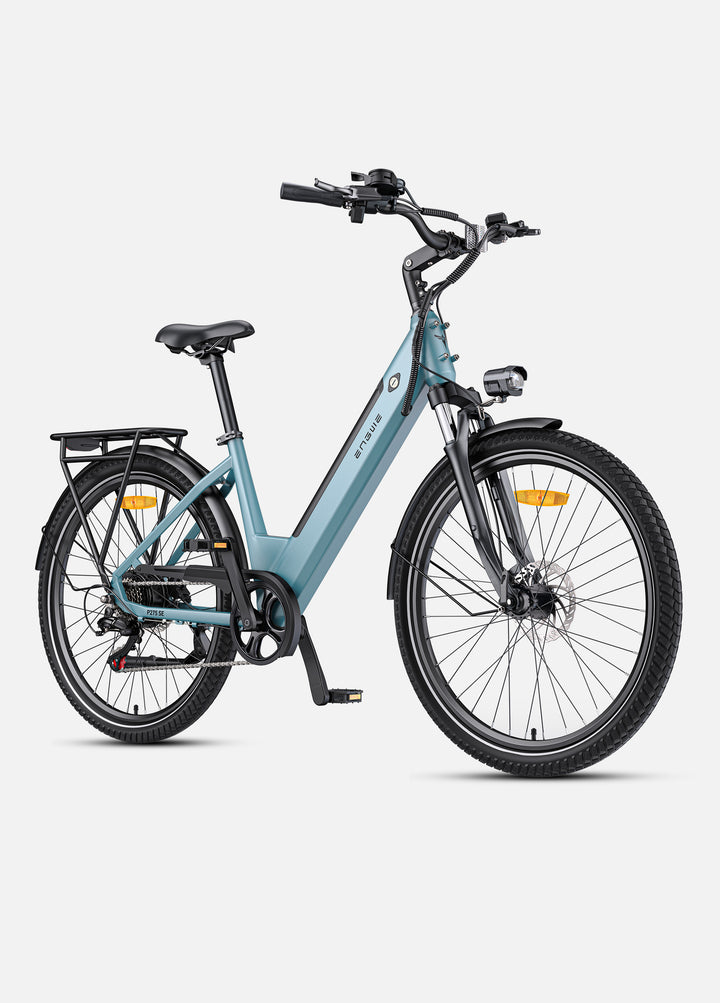
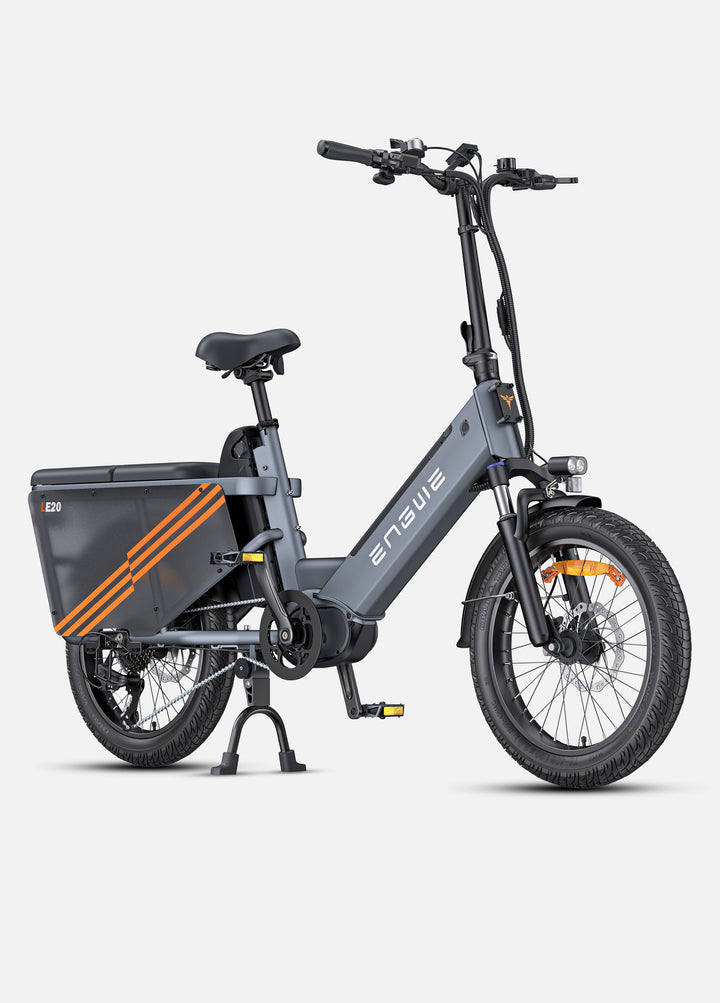
If you’re looking for a reliable street legal option, an ENGWE ebike is a strong choice. Below are a few ENGWE electric bike models, along with one other brand ebike, that meet legal speed and power rules while offering good range and comfort.
ENGWE L20 Boost
The ENGWE L20 Boost is built for daily city rides and short trips outside town. It has a 250W motor that follows EU rules and a boost button that gives extra push when climbing or starting heavy.
The bike uses a 624Wh battery that can last up to 126 km on one charge. It has fat 20×4.0 tires, front suspension, and a Shimano 7-speed gear set to handle both smooth roads and rough tracks. A rear rack and front basket make it useful for shopping or carrying bags.

ENGWE EP-2 Boost
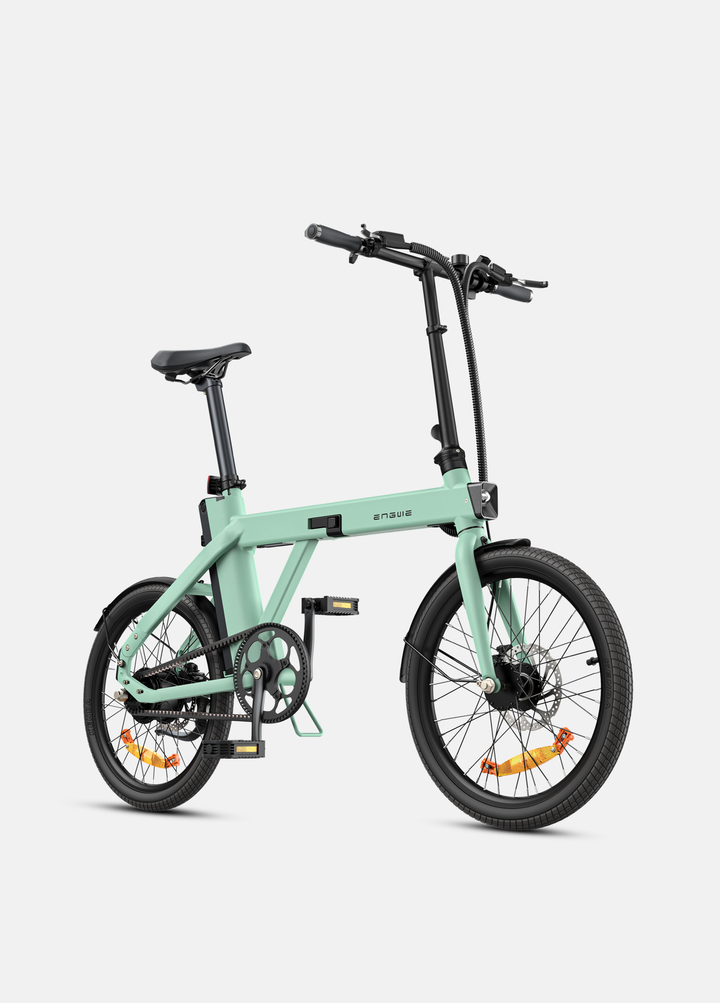
The ENGWE EP-2 Boost is a folding bike that mixes power with easy storage. It runs on a 250W motor with a torque sensor that makes pedaling smoother and more natural. The battery can go up to 120 km before charging, and the top speed stays 25 km/h for EU rules.
It comes with 20×4.0 tires for all kinds of ground, front suspension, and 180mm disc brakes for strong stopping. The foldable frame lets you carry it in a car or store it in small spaces.

Gazelle Medeo T9 City
The Gazelle Medeo T9 City is a Dutch-made e-bike designed for city riders. It has a 250W Bosch motor with a 400Wh battery, giving about 120 km range at the EU max of 25 km/h.
The bike has a step-through frame that’s easy to get on and off, plus a Shimano 9-speed system for smooth gear changes. It’s lighter than most fat-tire bikes, which makes it a better choice if you only ride on paved city roads.
Conclusion
So, do you need a license for an electric bike? In most cases, the answer is no. If your bike follows the legal speed and motor rules, it is treated the same as a bicycle.
But if you buy a powerful dirt model or the fastest street legal ebike that goes beyond the limits, then the law may ask for a license, registration, and even insurance. Always check the rules in your state or country before riding, so you stay safe and fully legal.
Frequently Asked Questions
Do you need a driver’s license for an electric bike?
No, you don’t need a driver’s license for a standard electric bike as long as it meets local speed and motor limits.
Do you need a motorcycle license for an electric bike?
Only if the bike is too powerful or fast. High-watt or off-road e-bikes may be classed as mopeds or motorcycles, which require a motorcycle license.
Are ebikes street legal?
Yes, most ebikes are street legal if they follow class rules, speed caps, and safety laws in your state or country.
What speed makes an ebike require a license?
In the U.S., e-bikes over 20 mph may need licensing; in the EU, it’s anything above 25 km/h. Faster models are usually treated as mopeds.