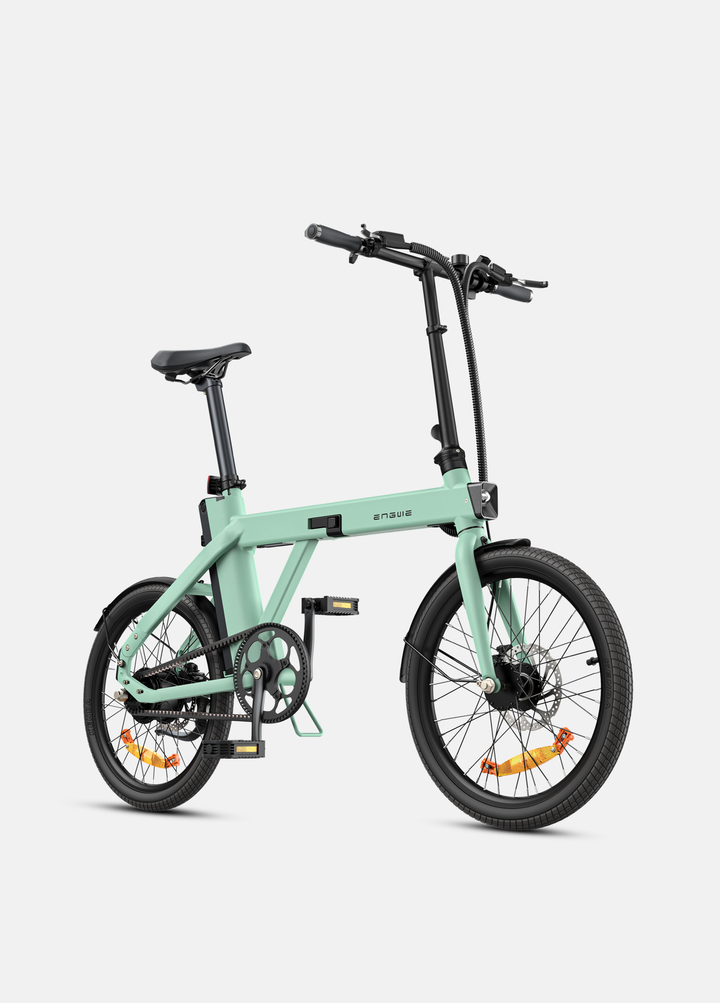
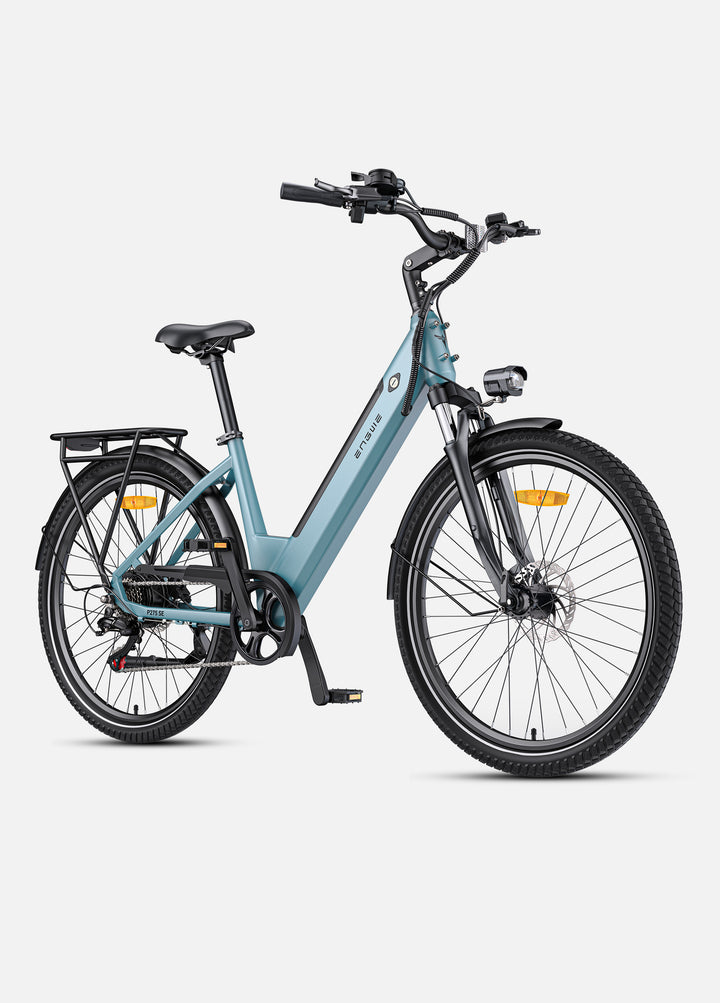
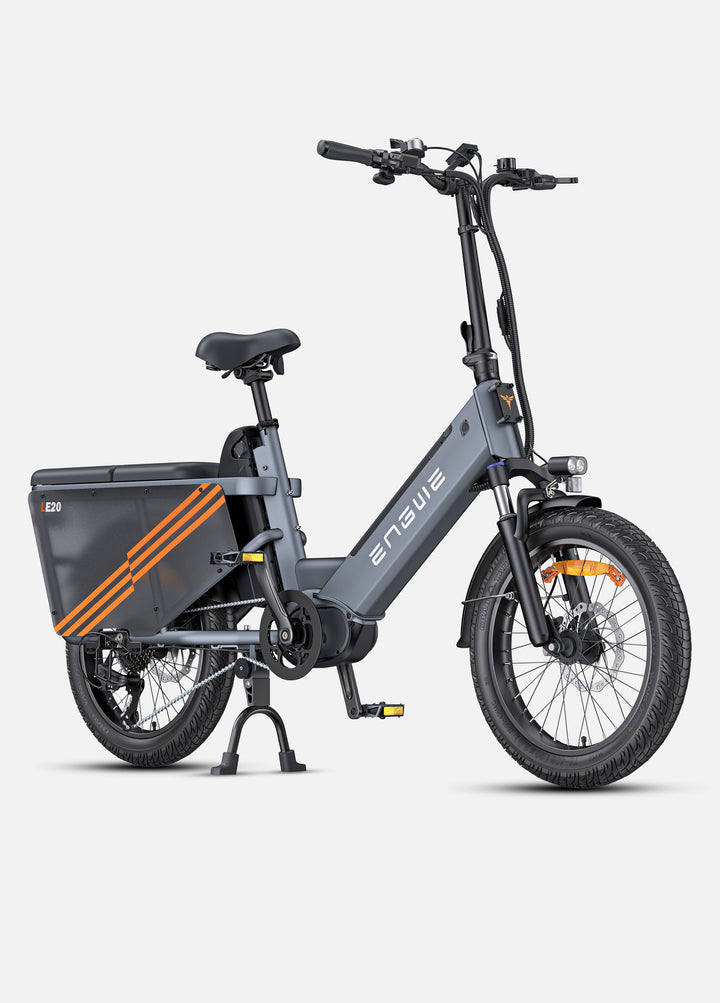
Rules for riding an electric bike can vary a lot from one European country to another. It’s no surprise that many cyclists ask, does electric bike need license? In some places, staying within EU limits on speed, motor power, and battery means you can ride without extra steps. In others, you might face rules for registration, insurance, or even a driving license.
This guide breaks down those differences, explains what a license bicycle is, and gives tips for staying safe and legal on the road.
What Is a License Bicycle Under EU Law?
Under EU rules, an electric bike is classed as a normal bicycle if it stays within three limits. The motor must be no more than 250 W. Assisted speed cannot go over 25 km/h. The battery should not exceed 48 V. If your bike fits these limits, you can ride it on public roads without a driving license, number plate, or insurance.
Go beyond any of these limits and it may become a license bicycle. In legal terms, that puts it closer to a moped. You may then need registration and, in many countries, a valid driving license. These guidelines apply to most electric bikes and electric road bike models sold in the EU. They form the basis for deciding if your bike needs licensing before you ride.

Adult Electric Bike vs. High-Powered E-Bike
An adult electric bike that meets EU limits—250 W motor, 25 km/h assisted speed, and 48 V battery—can be ridden without a license. A high-powered e-bike goes beyond these limits and often needs registration, insurance, and a driving license.
|
Feature |
Adult Electric Bike (EU-Compliant) |
High-Powered E-Bike |
|
Motor Power |
≤ 250 W |
Over 250 W |
|
Assisted Speed |
≤ 25 km/h |
Over 25 km/h |
|
Battery Voltage |
≤ 48 V |
Often above 48 V |
|
License Required? |
No |
Yes |
|
Registration & Insurance |
Not required |
Required in most EU countries |
|
Example (ENGWE EU Model) |
ENGWE EU‑compliant adult electric bike |
Non‑EU performance e-bike |
Electric Bike Licensing Rules by Country
In Europe, the question does electric bike need license doesn’t have a single answer. In one country, you might be free to ride without filling out a single form. Travel a short distance across a border, and the same bike could fall under stricter rules.
While the EU sets general limits for speed, motor size, and battery capacity, each nation has its own way of applying them. That might mean age limits, helmet laws, or even mandatory registration.
Germany
For most riders in Germany, an electric bike that stays within the EU’s limits can be used freely, no paperwork required. The motor must be rated at 250 W or less, and pedal assist should cut off at 25 km/h. Once you ride a faster speed pedelec or a model with more power, the rules change. You’ll need insurance, a license, and a helmet, much like you would for a moped.
France
France follows the EU’s EAPC rules, allowing compliant e‑bikes to be ridden without a license. Children under 12 must wear a helmet, and while it’s not compulsory for adults, it’s still encouraged. Any bike with more speed or power than EU limits demands registration and insurance, plus a valid license. In busy urban areas, non‑compliant models are often stopped and fined.
Spain
Spain allows compliant electric bikes on public roads without licensing. Helmets are mandatory for riders under 16 in cities and for everyone outside built‑up areas. Bikes that exceed the EU’s set limits are treated as mopeds, requiring full documentation. Tourist regions often see tighter enforcement, so riders should pay close attention to local rules.
Poland
Poland’s laws allow riders aged 18 and over to use EU‑compliant electric bikes without a license. Those aged 10 to 17 must have a cycling card to ride on public roads. High‑powered models require moped‑level compliance, including registration and insurance. While helmets aren’t required for adults, they are highly recommended.
Ireland
Ireland treats compliant electric bikes like traditional bicycles, so no license or insurance is necessary. If a bike goes beyond EU limits, it’s classed as a mechanically propelled vehicle. That brings in requirements for registration, insurance, and a valid license. Authorities often advise checking a bike’s details before purchase to avoid legal trouble.
Italy
Cyclists in Italy can use EU‑compliant electric bikes on the road and most cycle paths without worrying about extra paperwork. For anyone under 18, wearing a helmet is the law. In some cases, riders modify their bikes or buy faster models — but once you cross the EU’s legal motor or speed limits, the rules change fast. Suddenly it’s a moped in the eyes of the law, which means sorting out insurance, registration, and a license. Summer in tourist areas often brings extra roadside checks.
Netherlands
The Netherlands has a long history of cycling, and standard electric bikes that follow EU rules can be used freely without a license. Things change when it comes to speed pedelecs. These faster models are treated the same as mopeds, which means registration, insurance, and a valid license are all required. A helmet is also required. Riders are expected to use moped lanes, and it’s not unusual to see roadside checks making sure the rules are being followed.
Class 2 Electric Bike in the EU
You’ll often hear American cyclists mention a “class 2” e‑bike. It has a throttle, which means you can just twist and go, no pedaling needed. On flat stretches, it can reach close to 20 mph (about 32 km/h), and that’s quick enough for running to the store or just cruising for fun.
In Europe, that same setup can create legal headaches. Many of these bikes have motors stronger than 250 W or go faster than 25 km/h, which puts them outside the EU’s standard electric bike category. Once that happens, the law treats them like mopeds, meaning you’ll need registration, insurance, and a license.
For anyone who likes the idea of a throttle but wants to ride legally in Europe, the safest choice is a model built for EU limits — 250 W motor, 25 km/h assist cap, and a battery no higher than 48 V. Brands such as ENGWE even offer EU‑ready throttle bikes that keep things street‑legal.

Street Legal Bikes Without License
For riders asking does electric bike need license in the EU, the good news is there are plenty of street legal bikes without license available. These models meet the standard limits — 250 W motor, 25 km/h assisted speed, and a battery of 48 V or less — making them legal in all EU countries. ENGWE offers options like the ENGWE L20 for city commuting and the ENGWE EP-2 Boost, a foldable electric bike ideal for small spaces, both built to meet EU standards.

When a License Is Required
There are situations where the answer to does electric bike need license is yes. Examples include speed pedelecs, modified bikes, and imported models that don’t meet EU specifications. In these cases, your ride may be considered a license bicycle. That means registration, a number plate, and insurance are mandatory.
Wearing a helmet is mandatory in these cases, and some countries add requirements such as rider age limits or short safety courses. Before you upgrade, import, or modify your bike, take a little time to read through your local requirements — it can save you both fines and frustration later.
Final Thoughts
So, does electric bike need license in Europe? For most adult electric bike and electric road bike models that meet EU rules, the answer is no — but laws vary, and staying informed keeps you safe. Choosing an EU‑approved model from ENGWE ensures you ride legally and confidently. Before you head out, confirm your bike meets local standards, and start your next journey with a reliable, compliant partner on the road.
Frequently Asked Questions
Can visitors from outside the EU ride electric bikes without paperwork?
Yes. If your bike meets the EU’s legal limits, you can hop on and ride, even as a tourist. Just follow the same road rules locals do, and you’re fine.
Does adding a seat for a child change the licensing rules?
No, as long as the bike stays within legal speed and power. Some countries might require extra safety gear, like a proper child seat and foot protection.
Are there rules for using an electric bike after dark?
Yes. You’ll need working lights and something reflective, either on the bike or your clothing. It’s mainly for safety, and police will check in busy areas.