E bike battery replacement isn't just for high-mileage couriers anymore. With sales of folding commuters skyrocketing across Europe, more and more everyday riders are finding themselves at a point where their battery's range isn't what it used to be.
This article covers every step of e bike battery replacement and compares charger options, all while keeping things compliant.
When is an E-Bike Battery Due for Replacement?
Lithium-ion batteries power most modern e-bikes. Industry benchmarks agree that they're good for around 500 to 1,000 full charge cycles. For riders, that means roughly three to five years of use. You'll likely notice a decrease in range before the battery gives out completely.
A sudden voltage drop on hills or a charger that stays red for hours is a signal that the battery is wearing out. You see, the way people charge can really affect how long their battery lasts. The reason is that partial charges don't add up as quickly.
Storing them above 30°C speeds up the breakdown process. And if you leave a pack sitting around all winter, it can lose some of its storage capacity. Leaving a pack fully discharged for weeks can also cause damage. If you notice any of these issues, it's often smarter to replace the ebike battery.

Key Specifications: Voltage, Capacity and Form Factor
Before searching for e bike replacement batteries, make sure to read the label correctly. The voltage tells you how many cells are connected in a row. For most European folding commuters, 48 volts strikes a good balance between power and efficiency. The capacity, in amp-hours (Ah), shows how many watt-hours the battery pack can hold.
A popular aftermarket query is 48v folding e-bike battery 10.4ah 12.8ah 14ah replacement ebike battery. If you opt for a bigger battery, you'll get more power, but be prepared for slower charging.
Chemistry is just as important. Most modern commuter bikes rely on lithium-ion 18650 or 21700 cells, since they pack a lot of energy in a smaller space.
This smart system regulates how the cells are charged and ensures the bike works smoothly. It's also why you should stick with the original ebike charger.
Step-by-Step E Bike Battery Replacement
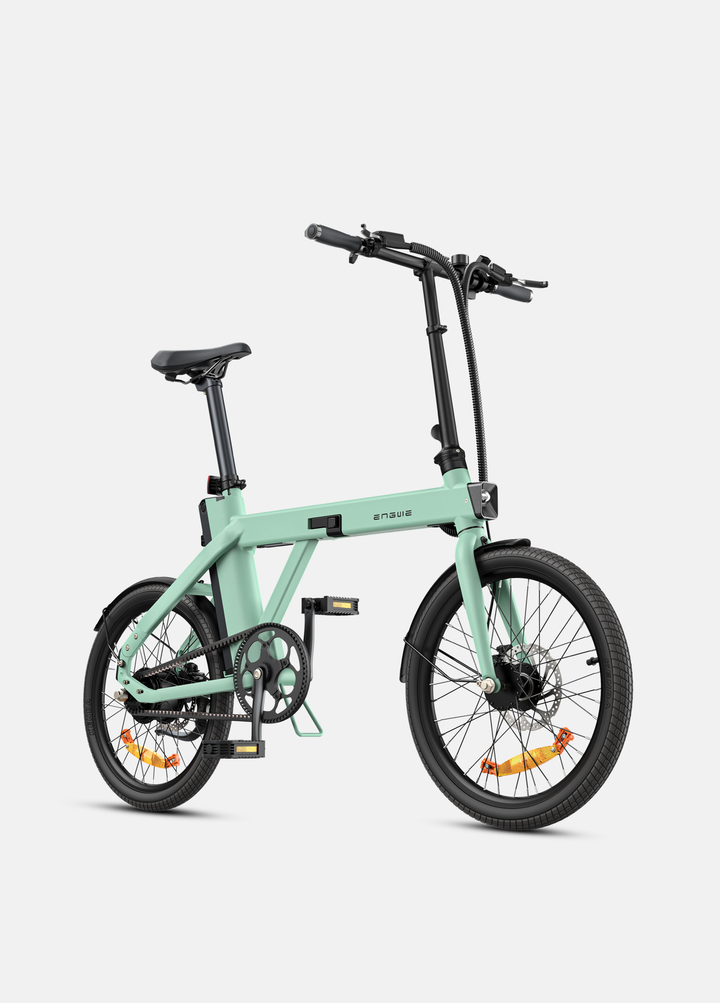
You start with the frame when doing an e bike battery replacement. Bikes, like the ENGWE Engine Pro 2.0, put the battery in a more visible spot, mounting it externally on the seat tube.
Before buying, take some measurements of the casing length and connector type. This helps you avoid a mismatch, like a two-pin aviation plug, which can be a problem. If that's the case, you'll need an adapter. Just be careful when using it.
When you unbox the new pack, check that its resting voltage is within 3 percent of the old one. Big differences can trigger issues. Next, slide the battery into place, lock it in, and turn on the display. If the charge level looks normal, take it for a gentle spin on eco-assist. Finally, do a full charge cycle to sync up the display's meter.

Genuine vs. Aftermarket: Why OEM Often Wins
You can easily find tempting prices for an e bike replacement battery online, but those bargains may not include certified cell brands. ENGWE avoids those potential issues by offering official battery packs right on its website's battery collection.
To keep your warranty valid and ensure your motor controller works, it's a good idea to buy from authorized channels. If you need more riding time, ENGWE has a solution: a 48 V 13 Ah battery module that fits on the back rack of the ENGWE Engine X model.

Charger Choices: Standard, Fast, and Smart
Picking the right charger is just as important. Most chargers give you two to four amps, which means a 10 Ah pack takes four to six hours to fill up. Fast chargers bump up the amperage to cut wait times in half.
Smart chargers come with microcontrollers that adjust the current on the fly. That feature is really key when you're reconditioning a new e-bike replacement battery.
When using a ebike charger, riders need to match the connector correctly and make sure not to use chargers meant for different battery types like lithium iron phosphate.
How Many Amps Do You Actually Need?
Take a 10 Ah pack that's charged over four hours, and you'll need about 2.5 amps. At the top of a charge, efficiency losses kick in, so using a three-amp unit leaves a comfortable buffer. Charging too fast can save minutes, but high amperage wears down the cathode, pretty much defeating the point of an e bike battery replacement.

Extending Lifespan Through Daily Habits
Buying replacement packs is a big investment, so it makes sense to protect it. Lab tests have shown that keeping the battery level at 50 percent or higher can increase its lifespan. Riders who make a habit of recharging before dropping below 20 percent keep their internal temperatures cooler.
To keep your e-bike's battery from losing its charge, store it at room temperature. If you're putting the bike away for the winter, switch it to sleep mode.
ENGWE Models Designed for Easy Battery Swaps
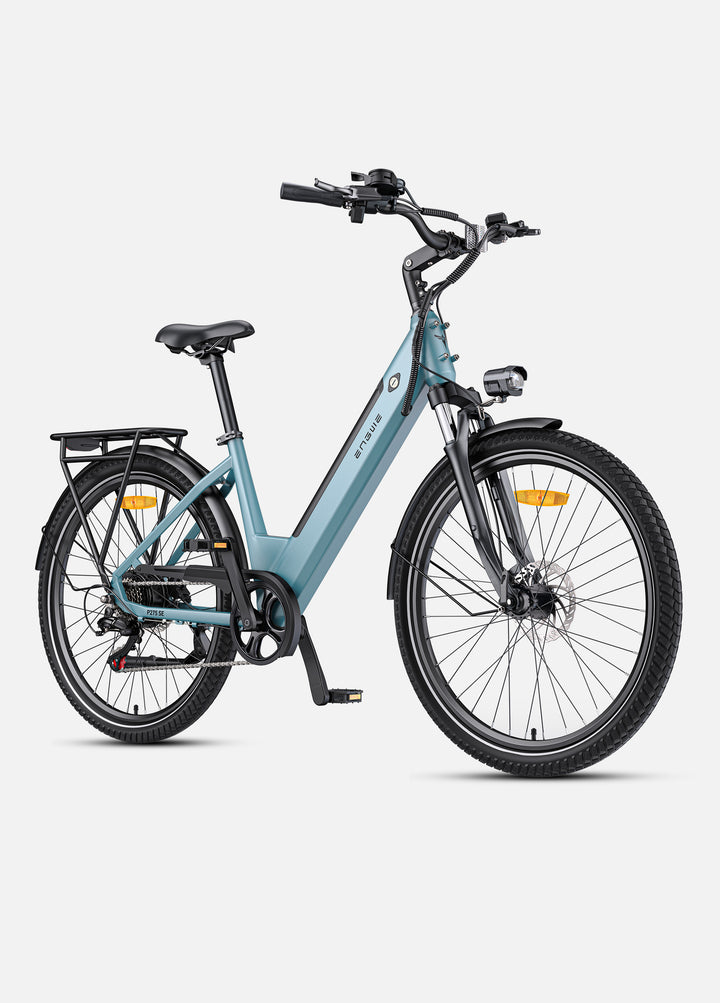
The ease of replacement starts at the design level. The ENGWE EP-2 Boost commuter hides its 48 V pack inside the aluminum down tube, but you can swap it out easily by unlocking it. The ENGWE P275 Pro has a neat top-tube design that still lets you take the battery out without using tools.
The ENGWE Engine Pro 2.0 has a design that makes battery swaps a breeze, especially on multi-day tours. Plus, the controller can handle higher-capacity ENGWE accessory packs with no fuss.
Moreover, because all three models share the brand’s charging standard, riders can carry a single ENGWE battery charger on family trips.

Key Takeaway
E bike battery replacement is a chance to boost autonomy and eco-friendliness. To make it work, carefully match the voltage and capacity, and try not to drain the battery for electric bicycle too quickly. By doing it right, you can enjoy another few years of emission-free commuting.
ENGWE makes it easier for you to boost your vehicle's performance by offering OEM batteries and support for EU recycling. This is the clear path to take when your range starts to decline.
Frequently Asked Questions
How long does a typical e-bike battery last before replacement?
Lithium-ion packs usually get around 500 to 700 charge cycles before their range starts to drop off. That's roughly three to five years of daily commuting.
Can I mix a 48 V 14 Ah replacement with my old 10.4 Ah pack?
They'll work together as long as they're the same voltage and have the same connectors. Don't wire them in parallel unless the maker gives you a special combiner.
Will a fast charger shorten battery life?
Using more amperage heats up the cell faster. Regularly using an eight-amp charger on a small battery pack might cut its lifespan in half.
Is it legal to dispose of an old battery in household waste?
EU rules say riders need to get rid of expired packs at special collection points set up by dealers or at local recycling centers.
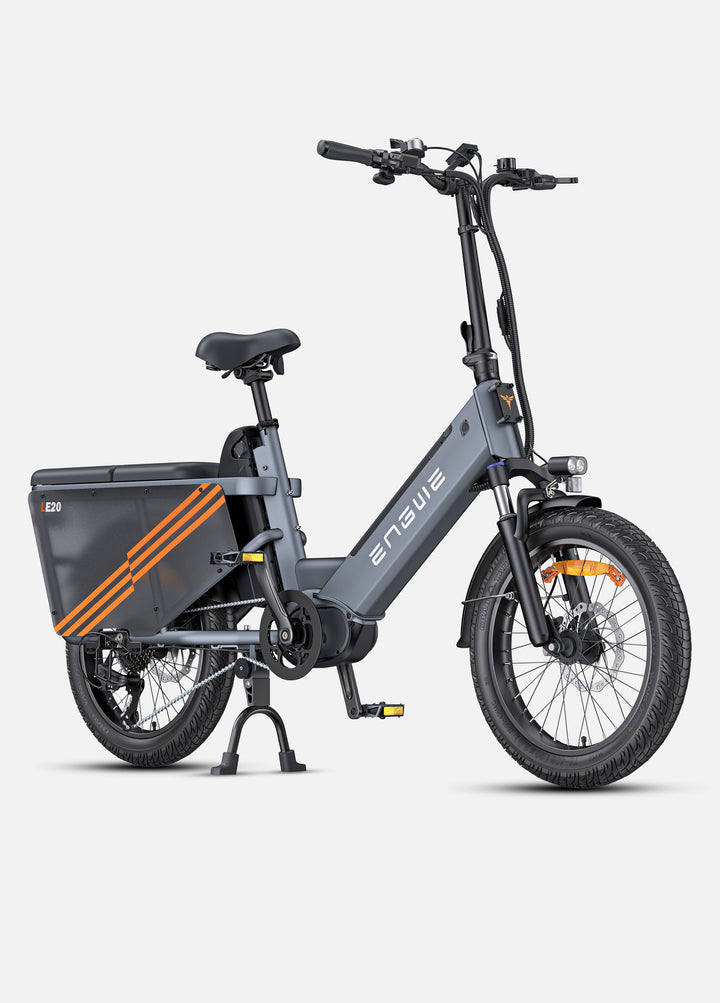
Does ENGWE’s LE20 fast charger work with non-ENGWE batteries?
The ENGWE LE20 charger only works if the third-party battery matches the charger's 54.6 V output and amperage tolerance. Always check the specs before hooking it up.