If your ebike battery suddenly stops working, it can really ruin your day. Luckily, learning how to diagnose and fix ebike charger problems can save you time and a lot of hassle. This guide will take you through some steps to figure out if the issue is with your e bike charger or the way you're charging your battery.
Common Signs Your Ebike Charger Isn't Working
An easy way to tell if you've got ebike charger issues is if your battery isn't charging when it's plugged in. There are some other clues to look out for. When you plug in your charger for ebike, the lights on the charger should turn on. But if these lights stay dark, there's probably something wrong with your e bike charger.
Other things to watch for are when charging takes way longer than it should, or the ebike battery charger gets really hot. If you notice weird noises coming from the charger or damage to the charging cables, that's a major warning sign.

Step-by-Step Charger Troubleshooting Process
Verify Power Source and Connections
Don't jump to conclusions about your ebike charger being busted just yet. See if the outlet is working by plugging in something else. More often than not, the problem isn't the charger. Try a few different outlets around your home. And if you can, skip the extension cords.
Check all connections closely to make sure the charger for the ebike is securely plugged in. If it's loose, the current won't flow properly, and that can cause charging issues.
Examine the Charger Hardware
Check out your e-bike charger to spot some common issues. Look for frayed cables or loose connectors. The charging cable gets worn out fast from plugging and unplugging all the time.
Be careful with the charging connector that goes into your battery. If the pins are bent or corroded, it can cause connectivity issues. Try cleaning the connector and take a good look for any damage.
Battery Connection Assessment
Take a closer look at the charging terminals. If you see corrosion or damage, clean them with a dry cloth. If some bits are stuck, use a small amount of electrical contact cleaner. Then, put a thin layer of dielectric grease on the terminals.
Make sure the battery sits snugly in its spot. If it's not lined up right, the battery won't charge, even if the ebike battery charger is working just fine.
Testing Your 48V Ebike Charger
If you have a bike with a 48V ebike charger, test the voltage to check if the charger is working correctly. A working 48V charger should put out around 54.6 volts when it's not connected to a battery.
When testing your 48V ebike charger, keep in mind that different battery types need specific voltage ranges. Lithium-ion batteries usually charge to 54.6V in a 48V system. Lead-acid batteries, on the other hand, might have different requirements. If you use the wrong ebike 48V battery charger, it can hurt your battery.

Understanding 36V Ebike Battery Charger Issues
The ebike battery charger 36V systems run at lower voltages. A typical 36V charger actually puts out around 42 volts for lithium-ion batteries. Many of these chargers have an automatic shutoff feature that kicks in when the battery's full.
Problems with 36V ebike battery chargers often include cutting off too early. Occasionally, they fail to recognize when the ebike battery fully charged but not working. Typically, these issues stem from faulty internal components or inadequate communication.
Jetson Ebike Charger Specific Troubleshooting
Jetson ebike charger units need special connectors and voltage levels. The Jetson Bolt and Bolt Pro usually take 42V chargers with a coaxial connector. If you use a charger that's not meant for it, you might damage the battery.
When you're having trouble with your Jetson ebike charger, double-check that you're using the right model-specific charger. Jetson warns against using chargers meant for other models.

Bosch Ebike Battery Charger Diagnostics
Bosch ebike battery charger systems come with some diagnostic tools that can help track down specific issues. When something's not right, Bosch batteries usually show an error code that tells you what the problem is. Some common codes to watch out for include 620 for charger issues and 540/605 for temperature-related trouble.
If your Bosch battery isn't doing anything, try resetting it. Take out the battery, hold down the power button for 15 seconds, then let the battery sit for at least an hour. This can fix small electronic issues.

Alternative Charging Methods
How to Charge Ebike Battery Without Charger
When your primary e bike charger fails, there are a few emergency charging methods. How to charge ebike battery without charger requires some careful attention to voltage and current specs.
Portable power banks can be a good solution. To make it work, you need a power bank that can deliver the voltage your battery needs and the right adapters to plug into your battery's charging port.
Solar and Alternative Power Sources
Solar chargers are a great way to charge on the go without harming the environment. But for solar panels to really work, they need to produce enough power. You'll usually want panels with a minimum rating of 100-200 watts to get your battery charged.
Charging your ebike from a car battery is another option, but it needs a DC-to-DC converter to match the bike's voltage. The converter changes the car battery's 12V output to what your ebike needs. Only use this method in emergencies, though.
ENGWE Battery and Charger Solutions
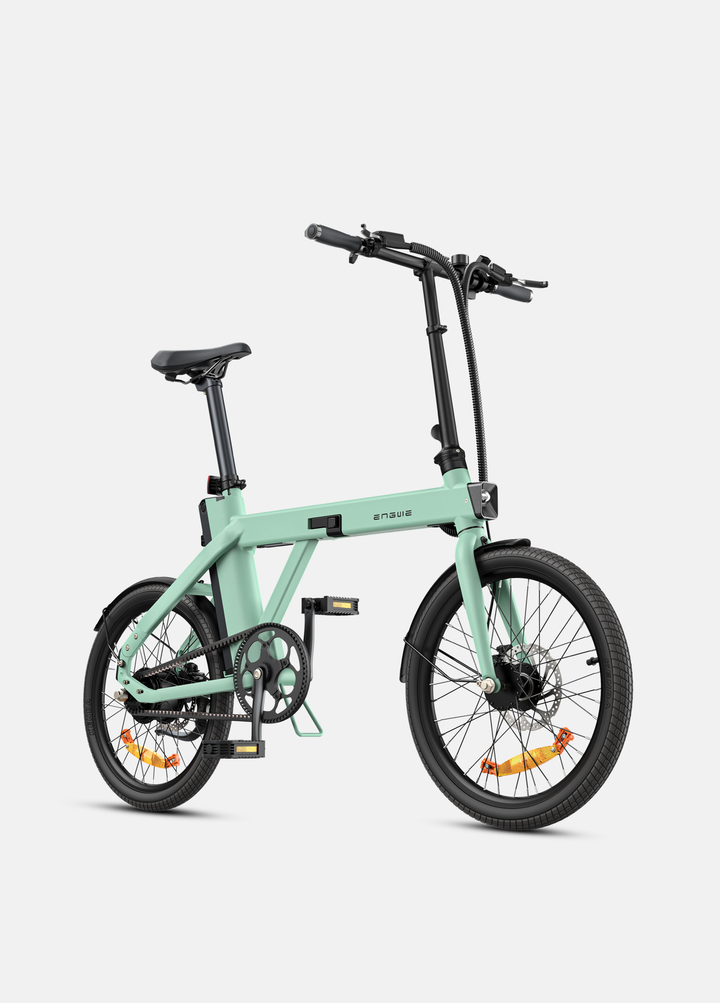
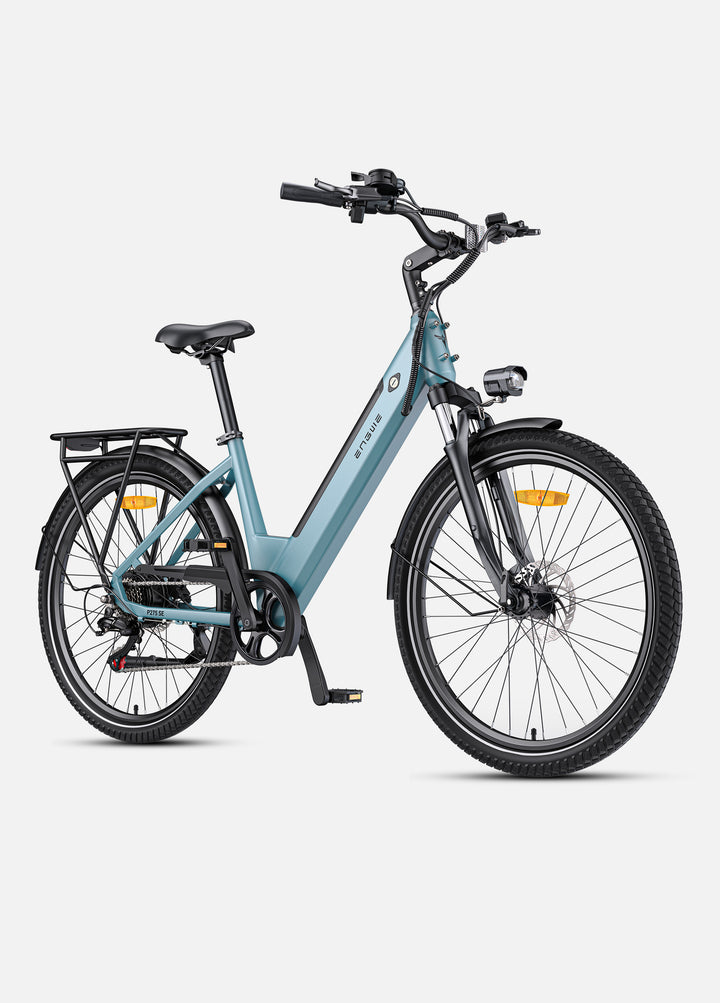
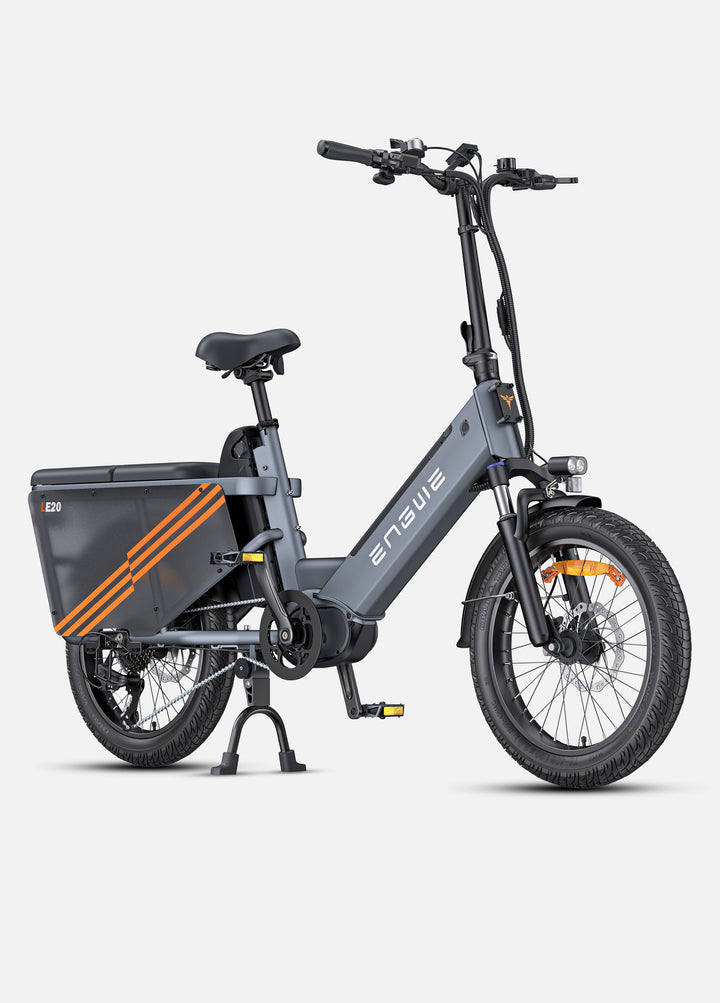
ENGWE ebike owners have access to replacement batteries and chargers specifically designed for their electric bike models. They offer a range of batteries for their models, such as the ENGWE Engine Pro 2.0 battery, ENGWE Engine Pro battery, and ENGWE M20 battery.
The ENGWE battery charger gives you reliable charging for your ENGWE ebikes. That makes it perfect for overnight charging. Using this charger also shows how important it is to use manufacturer-approved gear to keep your battery performing well.
When choosing new batteries, make sure they're compatible with your bike's model. ENGWE offers batteries with different capacity ratings and voltage requirements.
Battery Health and Charging Optimization
Should You Fully Charge Your Ebike Battery
The answer to "should you fully charge your ebike battery" isn't a simple yes or no. Charging it fully every now and then helps the battery management system. However, trying to keep it between 20% and 80% charged can actually help the battery last way longer. This is because lithium-ion batteries tend to handle stress better.
Charging all the way up makes batteries wear out faster. But for your daily commute, stopping at 80-90% usually gives you enough range. Try to save full charges for those long trips when you really need the extra range.
Electric Bicycle Chargers and Battery Maintenance
Proper use of electric bicycle chargers can make a big difference. One key thing to keep in mind is to let your battery cool down a bit after a ride. Charging a hot battery can actually cause it to wear out faster. The same goes for really cold temperatures; it's best to avoid charging in those conditions, too.
Store batteries in a moderately warm place when they're not in use. It's also a good idea to keep the charge level around 50%. This reduces the stress from being fully charged.

How to Charge an Ebike Safely
Understanding how to charge an ebike safely helps avoid accidents. Always use the charger from the manufacturer. Don't leave batteries charging by themselves for too long, and make sure to charge in well-ventilated spaces.
Choose a dedicated spot to charge with good airflow and easy access to unplug the charger. Don't charge on carpets or near curtains.
E Bike Battery Replacement Considerations
E bike battery replacement becomes necessary when troubleshooting shows it's the battery that's the problem. If you notice any of these issues, it's likely time for a new battery: it can't hold a charge, the capacity has dropped below 60% of what it used to be, or it overheats during regular use.
Before replacing the whole battery, think about whether the battery management system can be fixed. There are professional shops that can swap out damaged cells or reset BMS systems.
Frequently Asked Questions
How do I know if my ebike charger is working properly?
A working ebike charger will show some indicator lights when it's plugged in. You'll probably also hear a low humming noise and feel some gentle warmth when the charger is on.
Can I use any charger for my ebike battery?
Your ebike charger needs to match your battery's voltage and connector type. If you use the wrong charger, you risk damaging the battery. It might not even charge right. Stick with chargers that are approved by the manufacturer or certified replacements.
Why does my ebike battery stop charging before reaching full capacity?
When a charge cuts off early, it might mean there's an overheating issue or the charger is faulty. Check the connections and make sure the charger is putting out the right voltage. If the problem keeps happening, you may need a pro to take a closer look.
How long should an ebike charger last?
Quality ebike chargers usually last 3-5 years if you use them regularly, but this can vary depending on how often you use them and how well they're made. Over time, you might notice they're taking longer to charge or showing signs of wear on the cables.
What should I do if my ebike charger gets very hot during use?
Heat buildup is a sign of a safety issue, so unplug the charger right away. Let it cool down completely before you check it out and think about replacing it if it keeps overheating. Don't keep using an overheating charger.