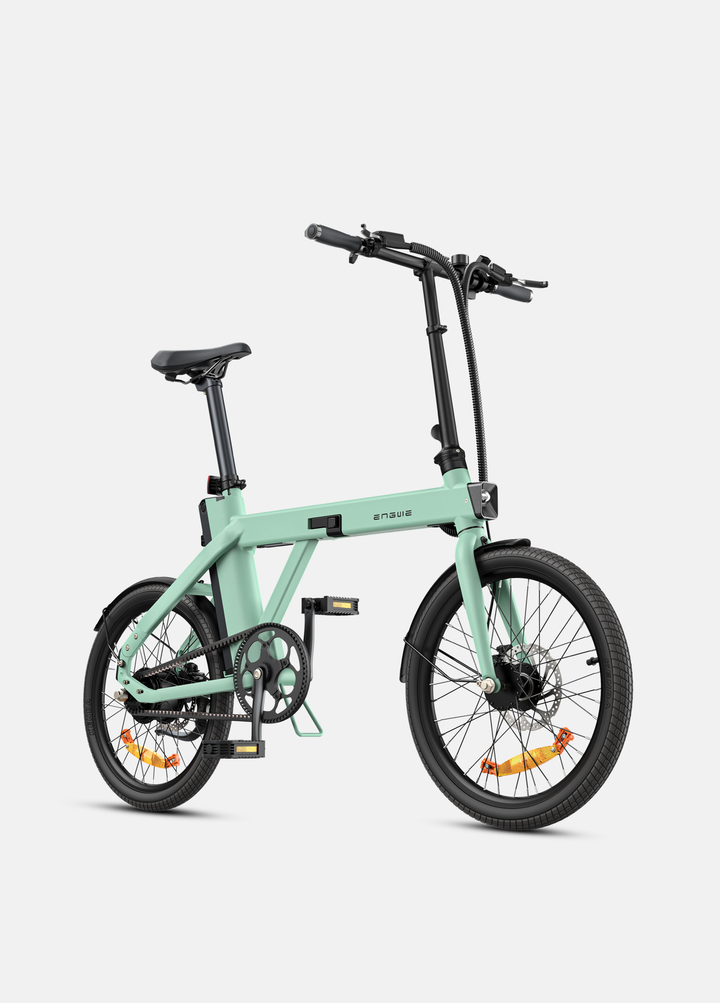
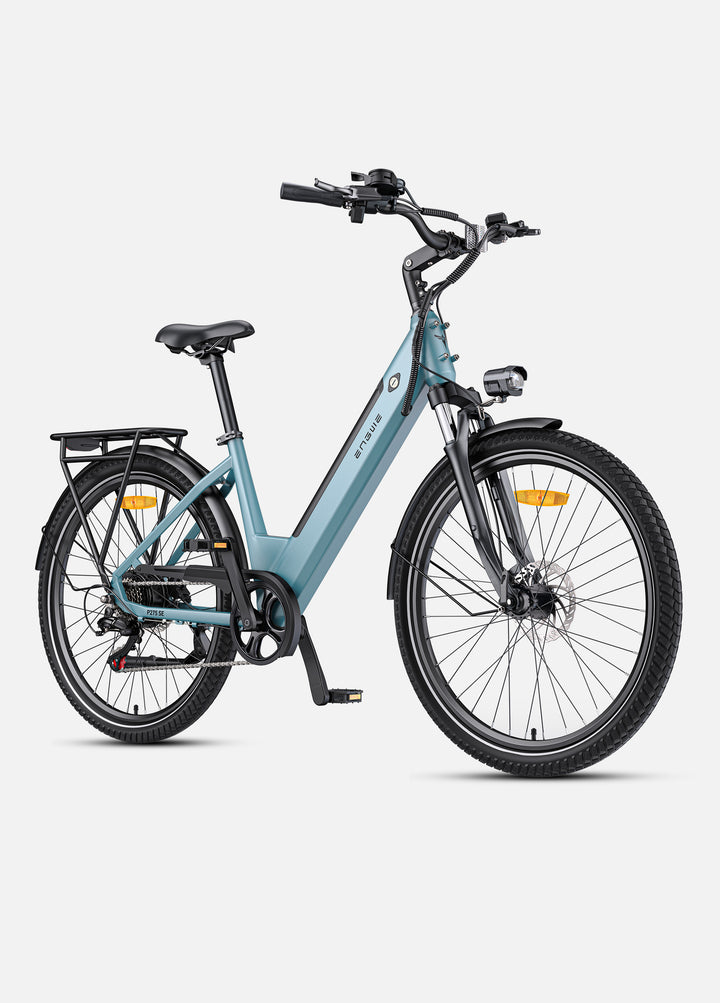
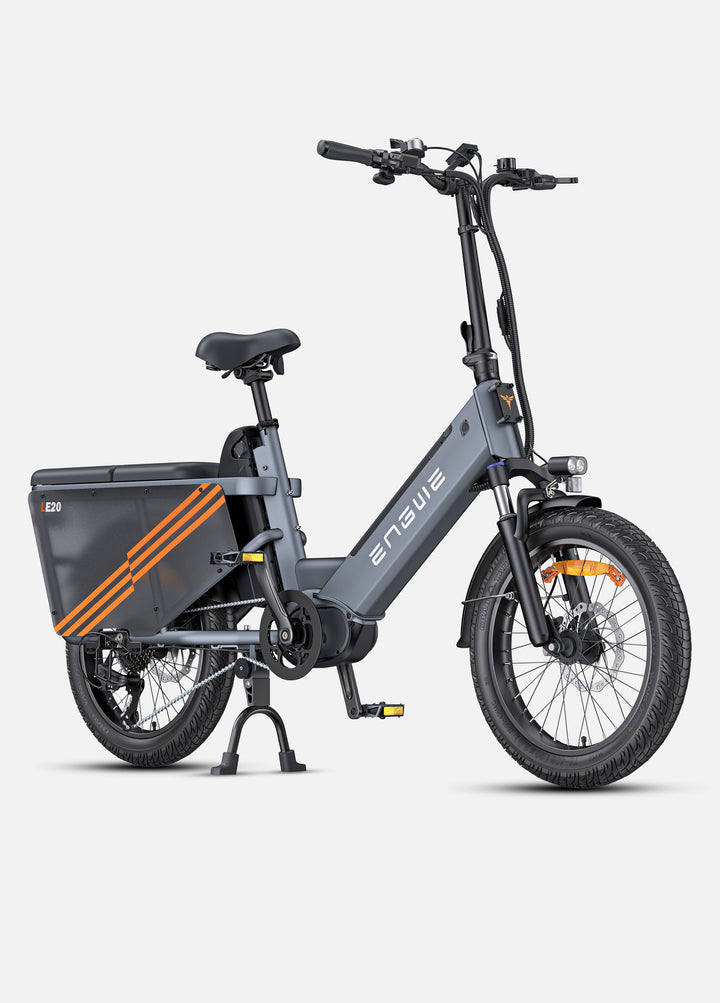
With e-bike sales set to reach 2.113 million by 2028, it's more important than ever for owners to know about electric bike insurance options. As e-bike sales skyrocket, owners need to think about the financial risks that accompany them. That's where electric bike insurance comes in and covers you in case your bike is stolen, damaged, or involved in an accident.
Understanding Electric Bike Insurance Fundamentals
Electric bike insurance is what looks out for e-bike owners if something goes wrong. This can include theft or accidents. Unlike regular bike insurance, it covers pricey electronic parts too.
So, do electric bikes need insurance? A European Court of Justice ruling says that just because it's not the law, getting voluntary coverage isn't a bad idea. In the US, you don't need insurance for low-power e-bikes, but requirements can change.

Types of Electric Bike Insurance Coverage
Third-Party Liability Insurance
If you're in an accident and are at fault, liability insurance comes in clutch. It typically covers the full cost if someone is badly hurt or killed. On the other hand, with property damage, there's usually a limit.
Comprehensive Coverage
Full-coverage Ebike insurance policies provide the most protection, paired with third-party liability insurance. These policies typically cover:
-
Protection against theft.
-
Accidental damage from accidents.
-
Coverage for natural disasters.
-
Protection from fire damage
-
Special coverage for battery issues
Own Damage Insurance
If you already have 3rd-party insurance, also going for an own-damage policy might be the way to go. It protects your e-bike against physical damage.
Cost Analysis: How Much Does Electric Bike Insurance Cost?
The cost of an insurance for electric bike can vary. In Europe, you can expect to pay between €250 and €314 per year for a high-end cargo e-bike. In the UK, e-bike owners with bikes worth up to £1,500 typically pay less than £27 per year.
Regional Insurance Requirements and Regulations
European Union Regulations
The EU updated its rules for e-bikes in 2025. Now, batteries need to meet new safety standards, including passing the EN 50604-1 test and getting a CE mark. There's also the EU Battery Regulation 2023/1542. These changes affect how insurance works, as they create new tracing rules for handling claims.
United States Framework
Do you need insurance for an electric bike in the US depends on the e-bike classification. The federal 3-class system covers:
-
Class 1 gives you a boost while pedalling, up to 20 mph.
-
Class 2 helps you pedal. It also gives you a burst of speed up to 20 mph.
-
Class 3 lets you go up to 28 mph.
Most states don't require insurance for these classes.
Factors Affecting Insurance Premiums
Several key factors influence how much does electric bike insurance cost:
Vehicle Specifications
The type of e-bike and its features really matter. If you have a high-end e-bike with a lot of advanced features, expect to pay more for premiums.
Insured Declared Value (IDV)
IDV is the maximum amount you'll get from your insurer. If you opt for a higher IDV, your premiums will also go up, but you'll have better protection.
Geographic Location
Cities with lots of traffic and theft typically cost more for premiums than rural areas.
Age and Experience
New riders tend to pay more because they're seen as a bigger risk, but seasoned riders can score a discount.
No Claim Bonus (NCB)
Insurers offer NCB discounts that start at 20% and go up to 50% if you don't make any claims.
Essential Coverage Features to Consider
When selecting the best ebike insurance, consider these critical features:
Battery Protection
E-bike batteries often cost between €500 and €1,500, so it's a good idea to get specialized insurance for them. Some of the best providers offer coverage that doesn't decrease in value over time.
Theft Protection
E-bike theft is getting out of hand. To keep your bike safe, look for protection that's got you covered at home and on the go.
Roadside Assistance
Many e-bike insurance policies nowadays offer 24/7 EV helplines, plus extras like on-site charging.
Recommended E-Bike Models for Insurance Consideration
E-bike enthusiasts who want insurance have several great options that offer a lot of value, such as:
ENGWE L20 3.0 Pro
The ENGWE L20 3.0 Pro packs a 250W mid-drive motor with 100 Nm of torque. This model's also compliant with EU rules and comes with a GPS anti-theft system and hydraulic disc brakes.

ENGWE L20 3.0 Boost
The ENGWE L20 3.0 Boost with a 250W engine and torque sensor lets you ride up to 120 km. And when you're done for the day, the bike's foldable design makes it easy to stash away.

These models meet European rules and are eligible for standard e-bike insurance.
Claims Process and Best Practices
Immediate Steps After an Incident
1. First things first, get medical attention ASAP.
2. Grab your camera and take photos of the scene.
3. If required by local law, give the cops a call.
4. Get in touch with your insurance company.
5. If there are any witnesses, jot down their contact info.
Documentation Requirements
Keep track of your receipts and take regular photos. Some European insurance providers only work with locks that have safety ratings.
Claim Settlement
These days, major insurers are making it easier to file claims online. For bigger claims, the processing time is usually around 4-7 days.
Key Takeaway
Ultimately, the e-bike revolution is changing the way people get around. But with it comes a need for protection. Therefore, having the right insurance coverage is key to safety. Whether you're commuting daily or hitting the trails, electric bike insurance has you covered.
Frequently Asked Questions
Is electric bike insurance mandatory worldwide?
In most EU nations, you don't need insurance for a standard e-bike. However, some countries, like Finland, do require it. So, it's a good idea to check the laws periodically.
What's the average cost of comprehensive e-bike insurance?
Insurance costs in Europe basically come down to a few factors, like your vehicle's engine size and the type of coverage. Areas with higher theft rates can drive up your premium.
Does homeowners' insurance cover electric bikes?
Typical homeowners' policies don't cover e-bikes since they're considered motorized vehicles. That leaves a pretty big gap in coverage.
How do insurance companies handle e-bike battery replacement?
E-bike insurers usually cover things like electrical faults and charging issues. Replacement costs can get quite high, so this is a must.
Can I get insurance for high-powered e-bikes exceeding 250W?
High-power e-bikes can be considered mopeds or even motorcycles. Insurance rules vary by location and the bike's motor specs, so it's a good idea to check the local laws.