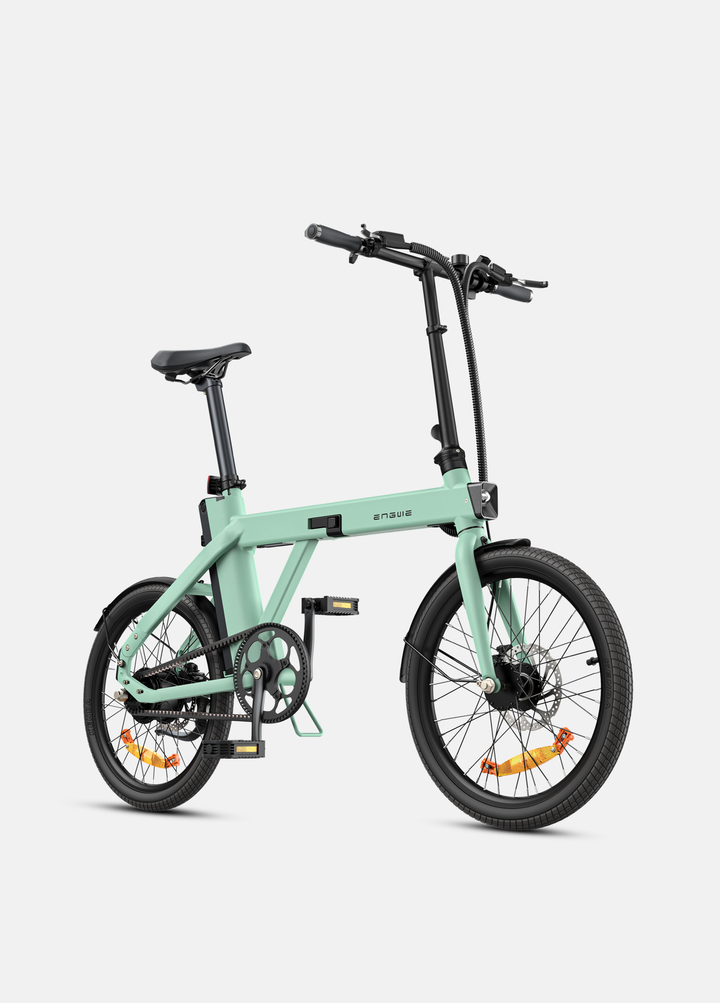
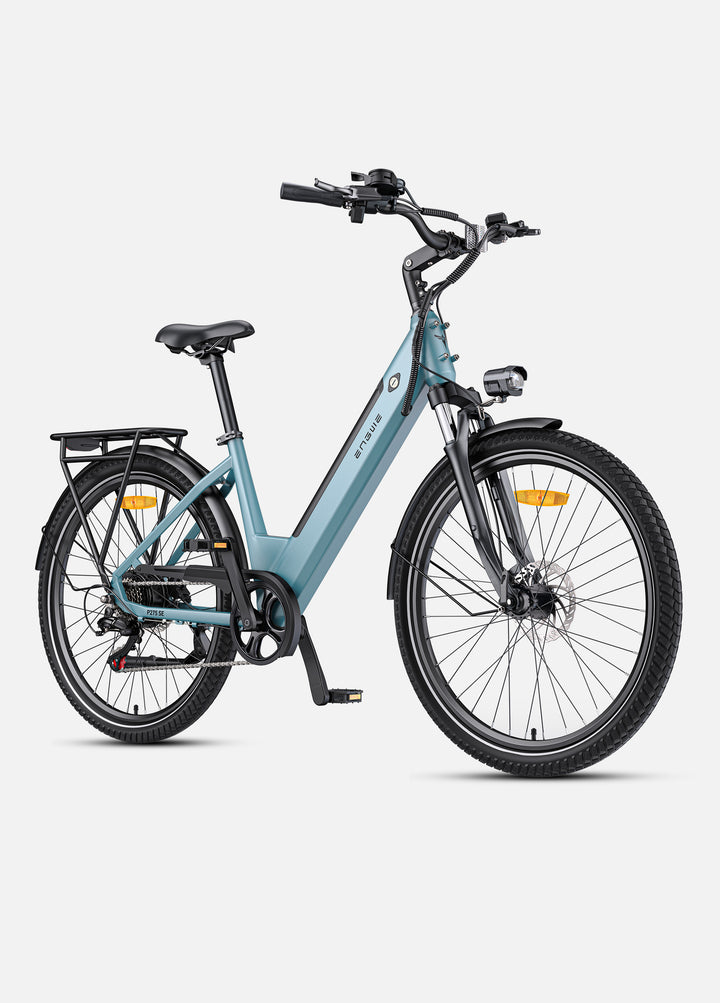
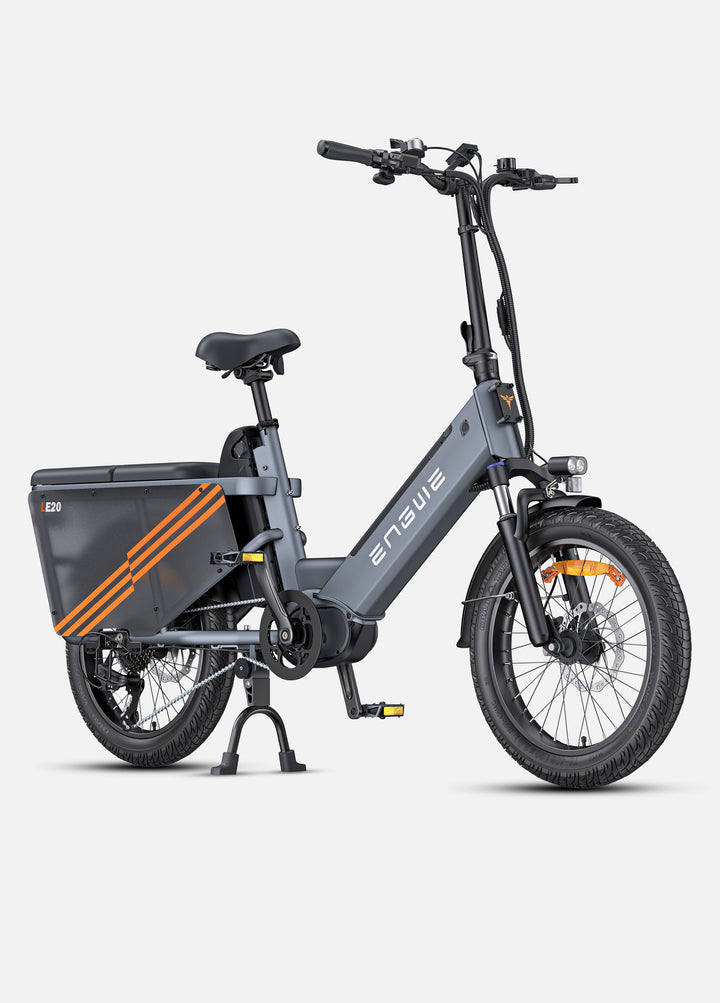
Electric bikes are the new way to commute. They combine manual cycling with motor assistance. This makes getting around cities and trails efficient and fun. As electric bikes grow in popularity, newcomers often ask: how fast can an electric bike go? The response is not just a single figure; it varies with motor power, laws, battery capacity, and the particular class of the bike.
In his article, we will break down the speed topics for electric bikes layer by layer. First, what are their maximum speeds? Second, what laws apply to them in different regions? And third, what factors ultimately determine your speed?
If you want a fast ebike for your daily commute or if you are just interested in electric bike speed capabilities, this article is perfect for you.
The Basics of Electric Bike Speed
When asking how fast an electric bike can go, first note the difference between its top speed without help and with help. Generally, a standard e-bike can be made to run at a high speed if you pedal vigorously or go down a slope, in the same way as a regular bike. Nevertheless, the electric motor is fitted with a feature that stops the help at a certain point to enable the safety of the user and abide by the law.
Normally,when people are talking about the top speed, they mean the highest speed at which the motor will keep giving power. After that, the motor stops helping, and you are still pushing the bike with your own legs. That is the reason for the existence of terms like "pedal-assist limit" or "governed speed," which can be found in ebike reviews.
The electric bicycle top speed differs greatly from that of a car or a motorcycle. Being closer to the ground and without barriers, 25 km/h (15.5 mph) can feel quite a ebike fast speed compared to a regular bike.

Understanding E-Bike Classes and Legal Limits
Different regions have used a classification system to control how fast can an electric bike legally go. The rules differ across the US, Europe, and other regions. So, it’s crucial to understand these classes before buying.
The Three-Class System (Common in North America)
In many places, e-bikes are divided into three categories:
- Class 1: They are pedal-assist only, which means the electric motor is only turned on when you pedal. The support from the motor is stopped once the speed reaches 20 mph (32 km/h). Generally, these are allowed on bike paths.
- Class 2: These kinds of bikes have a throttle that enables you to go without pedaling. In a similar way to Class 1, the motor assistance (or throttle power) is limited to 20 mph (32 km/h).
- Class 3: Often called "speed pedelecs," these pedal-assist bikes can reach speeds of 28 mph (45 km/h). Besides that, they usually need a speedometer and can be forbidden on some bike paths.
European Regulations
Safety is a top concern on mixed traffic paths. So, the rules in Europe and the UK are usually stricter than in other areas. The usual law limit for an EAPC is 25 km/h (15.5 mph) with a maximum continuous rated power of 250W. In most cases, a fast electric bike is seen as a moped. So, it needs to be registered, insured, and have a license plate attached.
Before riding, check your local laws. This way, you’ll know how fast an electric bike can go. It helps you avoid fines or having your bike taken away.

Top 5 Electric Bikes: Speed, Comfort, and Compliance
When looking for the top 5 electric bikes or the fastest electric bike, remember to balance speed with reliability and legality. These are some good options that give you an exciting ride and, at the same time, follow safe standards of Europe (motors of 250W, speed limited to 25km/h).
1. ENGWE P275 ST
If you live in the city and want to get to your destination in a convenient and stylish way, the ENGWE P275 ST is a great choice. As the main highlight, it has a very advanced mid-drive motor that basically makes the electric bike feel like a normal bike. The torque sensor ensures your acceleration is quick and responsive, while also keeping you within the 25 km/h speed limit set by law.
It’s a fast ebike under 2000 currency units (Euros/Dollars) that still keeps its quality. The step-through frame suits all riders. Plus, the large battery lets you go faster and longer without stressing about the range.


2. Tenways CGO600 Pro
The Tenways CGO600 Pro often gets praise for its stealthy, minimalist design. While performance features are important, many discussions focus on its sleek look. A small, lightweight hub motor is employed by it and, most importantly, a carbon belt drive system.
This gives a riding experience that is smooth and without any need for maintenance. Its motor tops out at 25 km/h, but its light weight makes it fun to pedal past that limit. This bike attracts people seeking a fast, easy-to-handle commuter that feels like a regular road bicycle.

3. ENGWE Engine Pro 2.0
In case you want a versatile option, the ENGWE Engine Pro 2.0 is a foldable fat tire monster. The company built it for any surface, whether you have a cracked road in the city or a gravel trail.
By using a quiet 250W motor, the bike is said to be a powerful ride. The complete suspension system helps you maintain high speed while ensuring a comfortable ride on rough terrain. This is key for real-world speed. This model is often called one of the best rugged, "do-it-all" machines. Ebike reviews highly recommend it for anyone seeking this type of device.


4. Gocycle G4i
The Gocycle G4i Matte Black is a great folding e-bike. It’s super portable and costs a bit more than others. This makes it a strong competitor in its category. Its significant features include a G4drive™ front hub motor with 250 watts continuous power (EU spec) that supports up to the legal limit of 25 kph (15 mph). The motor is silent and smooth and delivers instant torque.
Among the features is a very clever fast-folding mechanism that enables the bike to be folded quickly to a very small size. The folding dimensions are unbelievably small (approx. L880mm x W370mm x H615mm), thus being ideal for multi-modal commuting.
If somebody wants a premium, space-saving ebike fast enough for urban navigation, then it is always ranked among the top.

5. ENGWE L20
The ENGWE L20 is a great example of a relatively cheap fast ebikes. Its utility features, such as a step-through frame and cargo capacity, make it a perfect freight carrier. Even with a heavy load of groceries, the 250W motor is able to keep you going at that 25 km/h cruising speed without breaking a sweat. For the people who want a fast ebike under 1000, this model is often the one that comes up as a very valuable option, depending on sales and region.
Figuring out the right e-bike to buy involves more than just looking at the price tag and thinking about your riding habits and locations. Most riders don’t just want the fastest ebike. They look for a good mix of speed, comfort, and smoothness for their daily rides.


Can You Make an E-Bike Faster?
A common query among enthusiasts is how to make ebike faster or how to upgrade any ebike to go super fast. It is possible to derestrict some motors or adjust controller settings to bypass speed limiters. However, this is not recommended for several reasons.
One of the frequent questions of the fans is how to make an ebike faster or how to upgrade any ebike to go super fast. It's possible to remove some motor restrictions or change controller settings to bypass speed limiters. However, the answer to this question is a clear no for several reasons.
Why not simply take good care of your bike so that it performs at its best instead of looking for some illegal mod to alter it? One of the easiest ways to make your bike run faster is to keep the tires inflated at the right pressure because that will reduce rolling resistance. Also, if you lubricate the chain and make sure that the brakes are not rubbing, you will be releasing more of the energy produced by your effort.
If you want a fast ebike with pedals, getting fit enough to pedal past the motor cutoff is the safest and most legal way.
To Sum Up
So, how fast can an electric bike go? E-bikes usually have a speed limit of 25 km/h (15.5 mph) in Europe and slightly more in the US. What truly brings joy is how easily they maintain that speed. Whether you choose a handy commuter like the ENGWE P275 ST or a sturdy folder like the Engine Pro 2.0, following the rules ensures a safe and eco-friendly trip.
If you understand the classes and take care of your bike, you can enjoy the ride. You won’t need to worry about the law.
Frequently Asked Questions
How fast can an electric bike go without pedaling?
That is a question of classification. In the United States, Class 2 e-bikes are capable of a maximum speed of 20 mph (32 km/h) when only the throttle is used. In Europe and the UK, regular e-bikes usually can’t use a throttle. This means the motor won’t help unless you’re pedaling.
What is the fastest electric bike I can buy legally?
In the US, a Class 3 e-bike is the quickest legal category, going up to 28 mph (45 km/h). In Europe, the quickest legal category without a license is a standard pedelec limited to 25 km/h. There are speed "speed pedelecs" (45 km/h), but they need insurance, helmets, and a driving license.
Are electric bikes faster than cars in the city?
In heavy traffic over short distances, an ebike's maximum speed of 25 km/h is frequently practically quicker than a car. E-bikes can use bike lanes and weave through traffic. This leads to much shorter door-to-door commute times in busy urban areas.
Can I ride my e-bike faster than the motor limit?
Yes!The motor limit (for instance, 25 km/h) is simply the point where the help is cut off. You are allowed to pedal at a speed higher than this, in the case of a downhill run, for example. The bike will, however, weigh more than a normal bicycle, so if you want to keep the speed of over 30 km/h on flat ground, you will have to put in a lot of hard work.
Does rider weight affect the top speed of an e-bike?
The rider's weight usually doesn't affect the maximum speed set by the controller. However, it does impact acceleration. In the case of a heavy load, it is possible that the bike will not be able to reach its maximum speed on a steep slope, even if the motor is running at full power.