Electric bikes come in a staggering range of prices. It feels confusing, even deceptive sometimes, when you are finding out how much is an e-bike. One model is €750, and another one that looks vaguely similar is €4,500. Looking at this variation, one often wonders what he is actually paying for?
An e-bike is one of those products where the price tag tells a deep story about its components, its intended use, and its longevity. It is very different from buying a simple toaster. You are investing in a complex machine that is part bicycle, part electronics, and entirely a new form of freedom.
Today’s guide is about how much an e-bike generally costs and what factors impact its cost.
What Is the Average Price of an E-Bike?
Pinpointing a single “average” price for electric bikes for adults is complicated, as so many variables are involved. But based on 2025 market data, the sweet spot for a new, quality e-bike from a reputable brand starts at around €1,100 to €2,300.
You can definitely find models below this, but this is where corners are often cut on critical components like the battery management system, gears, build quality, etc. On the other hand, specialty e-bikes easily push into the €3,700 to €9,000+ range.
Price Range of Different Types of Electric Bikes
When deciding your budget, the type of riding you plan to do plays the single most important role. A bike built for paved paths is engineered very differently from one built for mountain trails.

Commuter E-Bikes
Commuter E-Bikes are often termed as the “workhorses” of the e-bike world. They are perfect for day-to-day comfort and usability:
Budget (€900 - €1,700): In this range, the e-bikes often feature hub motors, smaller batteries (around 400 Wh), and simpler component sets. They are good for short commutes but may struggle to run smoothly on hills.
Mid Range (€1,700 - €3,200): Serious commuters should look at this range. You can expect larger batteries (500-625Wh), more powerful motors (often mid-drives from Bosch, Shimano, or Brose), integrated lights, and other features. You will also see a significant jump in ride quality.
High End (€3,200+): At this point, a rider usually pays for premium materials like carbon fiber frames. These bikes also have ultra-refined motor systems and top-tier gearing from brands like Shimano Deore.
Folding E-Bikes
Folding E-Bikes are built with engineering ingenuity. Their compact design and folding mechanism are factors that increase their cost.
Budget (€750 - €1,400): In this range, the folding e-bikes are a bit heavy. They also have smaller wheels that can make the rider a bit uneasy. You get basic components that are ideal for occasional use.
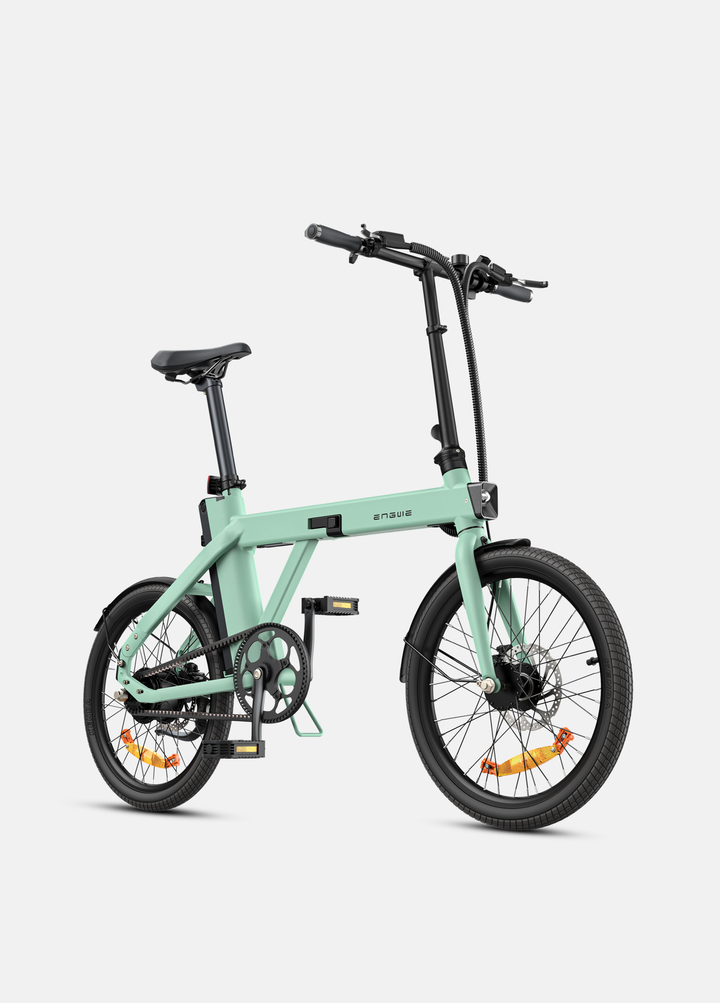
Mid Range (€1,400 - €2,600): This range delivers the best value in the folding category. Brands like ENGWE make a strong name here as they offer robust folding systems with quality motors.
High End (€2,600+): The e-bikes in this range come with ultra-compact folds, materials like titanium, and exceptional motor integration that does not compromise on power despite the small size.
Fat Tire E-Bikes
Originally built for snow and sand, fat tire e-bikes are now popular for their rugged appearance. Their powerful motors and large batteries that turn those heavy tires are the guiding pricing factors.
Budget (€900 - €1,600): Direct-to-consumer brands often dominate in this range. Their e-bikes are no doubt visually appealing, but they can be exceedingly heavy (80+ lbs) with older motor technology and basic battery cells.
Mid Range (€1,600 - €2,800): Riders can find good-quality battery packs, efficient motors, and improved suspension in this range. The frames are also engineered to handle the stress of off-road use.
High End (€2,800+): This tier is for performance-oriented fat tire e-bikes. They use lightweight frame materials and sophisticated mid-drive motors that provide incredible torque for technical trail riding.
Mountain E-Bikes (eMTBs)
This is where technology and cost jump dramatically. These are highly specialized machines built to withstand massive punishment.
Entry-Level (€2,300 - €4,200): This is a starting point for a real eMTB. These bikes feature a reputable mid-drive motor, a capable battery, and a suspension fork with 120mm of travel or more. They are fine for trail riding, and they may feel heavy compared to pricier models.
Mid Range (€4,200 - €7,400): This range is the heart of the eMTB market. Here you get full-suspension designs, advanced motor systems, high-quality air suspension front and rear, and serious brakes (e.g., 4-piston hydraulic discs).
High-End (€7,400+): You get an uncompromising performance in this range. Every gram is shaved with carbon fiber frames and wheels. The suspension is top-shelf from reputable brands and features complex damping adjustments. They also use motors of the latest generation that offer an amazing level of natural pedal assist.
Electric Bike Price Comparison
|
Type of E-Bike |
Budget Price |
Mid Range Price |
High-End Price |
|
Commuter E-Bikes |
€900 – €1,700 |
€1,700 – €3,200 |
€3,200+ |
|
Folding E-Bikes |
€750 – €1,400 |
€1,400 – €2,600 |
€2,600+ |
|
Fat Tire E-Bikes |
€900 – €1,600 |
€1,600 – €2,800 |
€2,800+ |
|
Mountain E-Bikes (eMTBs) |
€2,300 – €4,200 |
€4,200 – €7,400 |
€7,400+ |
What Factors Affect the Price of an E-Bike?
When you are searching for how much is an e-bike costs, certain components affect the price more than others. We are outlining them here so you can read between the lines of a spec sheet and understand where your money is going.
Motor Power and Battery Capacity
This is the engine and gas tank of your e-bike. A higher-wattage motor provides more power, especially on hills, but it is the quality of the motor that matters more. Similarly, a torque sensor that offers natural pedal-assist is more expensive than a cadence sensor, which is not that smooth.
Frame Material and Bike Type
Due to its strength and value, aluminum is the standard in e-bikes. Steel is also found on some retro-style models, but it is heavier. Carbon fiber is light and absorbs vibration effortlessly, but it also adds significant cost.
Brand Reputation and Warranty
A brand with a long history in e-bikes invests heavily in research and quality control. Similarly, reputable brands offer a strong warranty, often 2 years on the bike and the motor. These factors greatly impact the overall cost of the machine.
Advanced Features
The cost can creep up here. A full-color smart display with Bluetooth connectivity and navigation is more expensive than a simple LCD. A full-suspension system adds hundreds, if not thousands, to the price over a rigid frame. Internal gear hubs, belt drives (instead of chains), and integrated lighting are all features that enhance the comfort, but for a price.
Top Value E-Bike Picks in 2025
There are countless models of e-bikes you can choose from in 2025. But some consistently offer amazing value by combining thoughtful features with a compelling price. We have picked up these three ENGWE models that exemplify this principle across different riding styles.
1. ENGWE M20 (€1,299)
Positioned as an entry-point fat tire bike, the ENGWE M20’s cost is its main attraction. For a modest price, the e-bike delivers the rugged 4-inch tire aesthetic and a Shimano 7-speed gear set. But it is heavier (35kg/77lbs) and has a basic brushless hub motor. This makes it best for casual rides rather than serious off-roading. It is a cost-effective way to see if the fat tire lifestyle suits you.

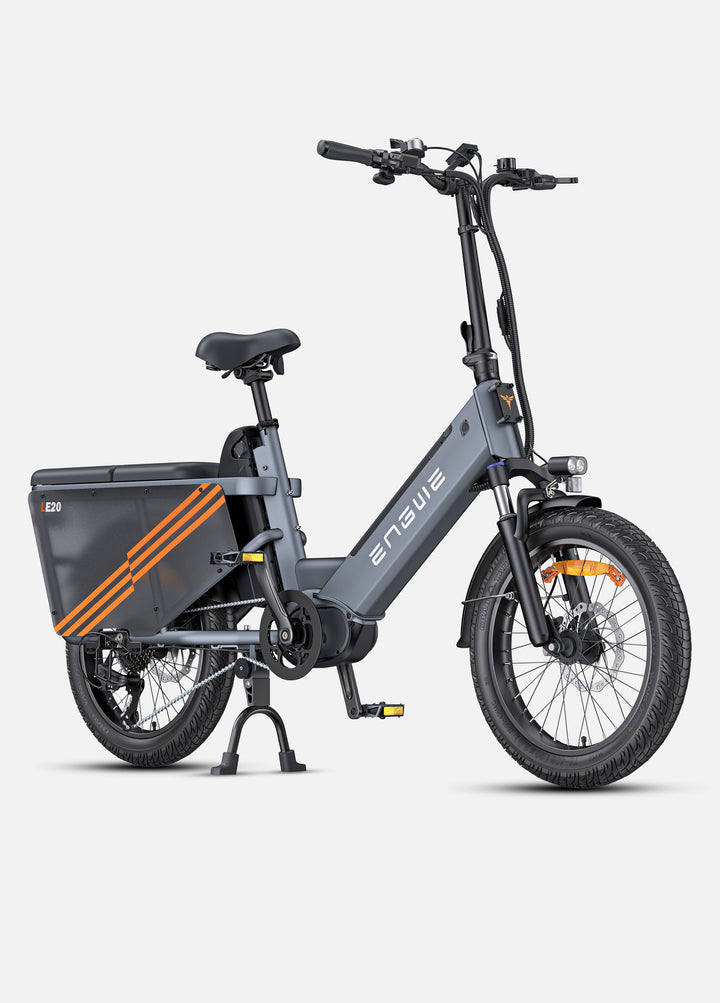
2. ENGWE L20 3.0 Pro (€1,799)
ENGWE L20 3.0 Pro folding model represents a significant step up in value. The cost is justified by a premium Mivice mid-drive motor producing 100Nm of torque (a feature often found on bikes costing thousands more). Coupled with a torque sensor for natural pedal assist, a high-capacity Samsung battery, and an IPX7 waterproof rating, it transforms from a simple folder into a capable, all-terrain commuter. The price-to-performance ratio here is extreme.

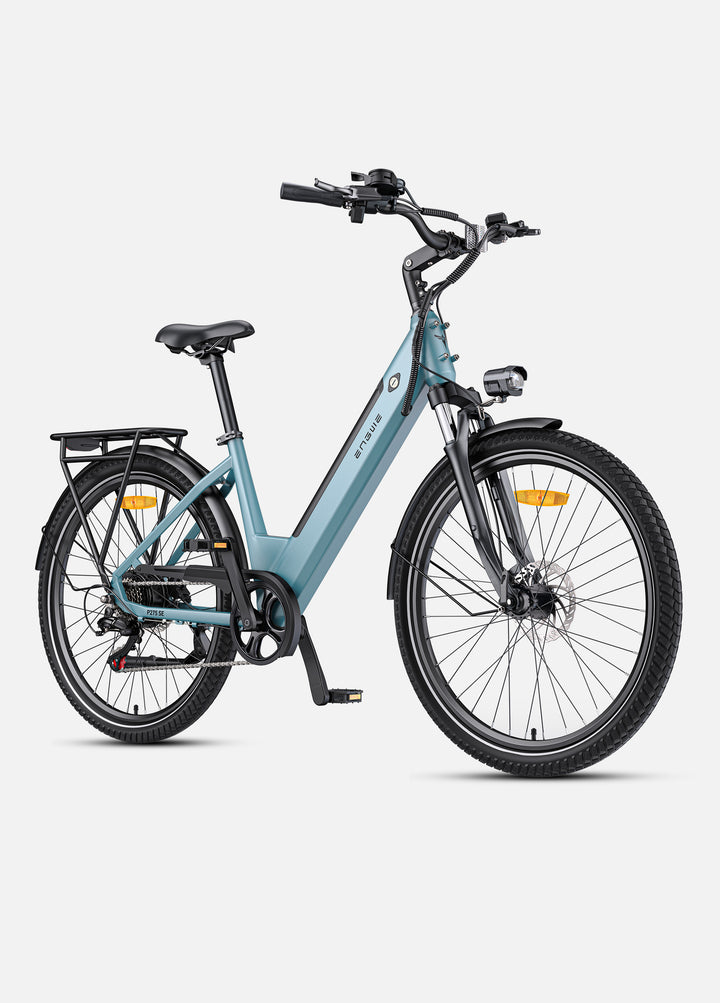
3. ENGWE P275 ST (€1,399)
This commuter bike strikes an elegant balance. Its cost is anchored by the efficient Ananda mid-drive motor and a very large 36V 19.2Ah Samsung battery, promising exceptional range. The e-bike also has Tektro hydraulic disc brakes and a 9-speed Shimano drivetrain, which are premium touches at this price point. The ENGWE P275 ST is a thoughtful machine for riders who want distance and reliability on a budget.

Summary
In 2025, having a clear sense of priority will help you make an informed decision on how much is an e-bike and what you should spend. For a reliable daily commuter, plan to invest at least €1,700. For a quality folding bike, you can start around €1,400. And if trailing on mountains is your goal, a proper entry-level eMTB starts at approximately €2,300.
Investing in quality core components, specifically the battery and motor system, means you will achieve long-term satisfaction.
FAQs
Is it worth buying a used e-bike to save money?
It could be, but you have to be careful. A used battery usually has a reduced range, and a replacement can cost you around €400 to €700. Always check the battery’s health and buy from a brand where parts are still available.
Are the cheap e-bikes on online marketplaces any good?
Some e-bikes there offer incredible value for very light use. But they frequently use unbranded batteries and motors, which can pose safety risks. It is generally wiser to invest in a brand with a known service network.
How much should one budget for accessories?
This is often overlooked. A good lock is non-negotiable and can cost €100-€200. A helmet, specifically one designed for e-bike speeds, is another €100-€250. Fenders, a rack, and a good pump are also wise additions. You can factor in an additional €300-€500 for proper outfitting and safety.