Many people today are moving from normal bicycles to electric ones. But buying a brand new electric bike can be very costly. This is why many riders are learning how to make a DIY ebike at home. Building your own bike not only saves money, but also lets you make it the way you like. You can pick your motor, battery, tires, and frame.
Some riders choose a DIY ebike kit, while others prefer a pre-built ebike from trusted brands. Both options have good and bad sides. A kit lets you learn and save, while a ready bike saves time and trouble.
What is a DIY Ebike?
A do it yourself electric bicycle means a normal cycle changed into an electric cycle by adding motor, a battery, and wires. It is not the same as buying a ready-made ebike from a shop.
A diy electric bike gives freedom. You can change parts, add your own design, and even save old bikes. Pre-made bikes, on the other hand, come ready with fixed parts.
The benefits of a DIY build are:
- Lower cost compared to buying new.
- Learning how the bike works.
- Easy to fix later because you know every part.

Planning Your DIY Ebike Build
Before you start, you must plan. First, choose between a DIY ebike kit and buying each part alone. A kit has a motor, a battery, and a controller together, which is easy for new builders.
Think about money. A cheap build may cost around $400–600, but if you want the best diy ebike, it can go above $1,000.
Also, know the law. In Europe, the rules say your motor should not be more than 250W, speed not above 25 km/h, and battery not higher than 48V. These rules keep your bike safe and legal.
Step-by-Step Guide to Building a DIY Ebike
Building a DIY ebike is simple if you follow each step carefully. From frame to battery, every part must fit safely together.
Frames for DIY Ebikes
Your frame is the base. A diy ebike frame must be strong to hold the motor and battery. Steel frames are heavy but safe, while aluminum frames are light and easy to handle. Some riders like to weld their own ebike frame diy, but for most people, using a strong, ready frame is better.

Motors and Power
The motor gives your bike its push. A hub motor is simple, as it fits inside the wheel. A diy mid drive ebike motor sits in the center and gives more climbing power. Installing a diy ebike motor means fixing it in place, adding the controller, and joining wires. If you ride flat roads, hub motors are fine. For hills, mid drive is best.

Battery Setup
The battery is your bike’s heart. A diy ebike battery should be chosen by range and power. A 36V battery is okay for short trips, while a 48V battery gives longer rides. Mount the battery tightly so it doesn’t shake. Keep it safe from water. Charge only with the right charger and never leave it plugged in for too long.

Wheels, Tires, and Brakes
Normal bike tires may not handle extra weight. A good ebike tire is made for speed and load. Fat tires are better for sand, snow, or trails. Slim tires are good for smooth roads. Brakes must be strong. Disc brakes are best for safety, especially when your ebike is heavy.

Essential Accessories
Adding ebike accessories makes riding safe and fun. You need lights to see at night, racks to carry bags, a display to show speed and battery, and pedal-assist sensors to ride smoothly. A soft seat and good grips also give more comfort on long trips.

How Can You Build a DIY Ebike
First, prepare your ebike frame and check that it is strong. Then, fix the motor to the wheel or the middle. After that, connect the controller and make sure the wires are neat. Place the diy ebike battery in a safe spot, usually on the frame.
Attach the display, lights, and controls to the handlebars, then check brakes, test tires, and go for a short ride to make sure all works fine. But if you want pre-built options, then it's the best choice for you.
ENGWE Pre-Built Options for Ready-Made Riders
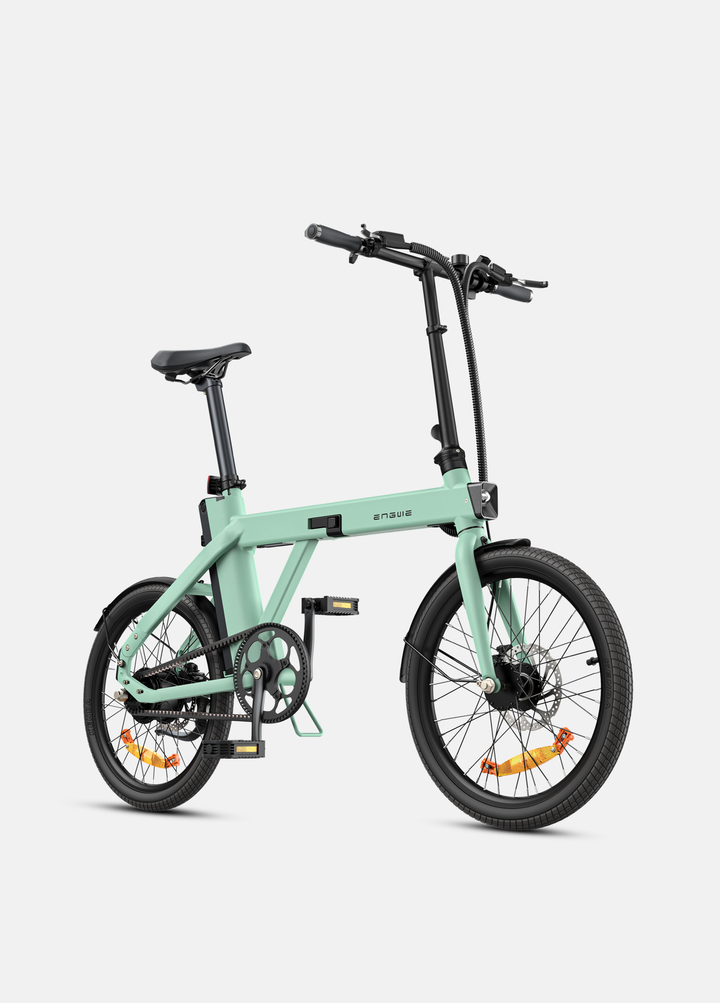
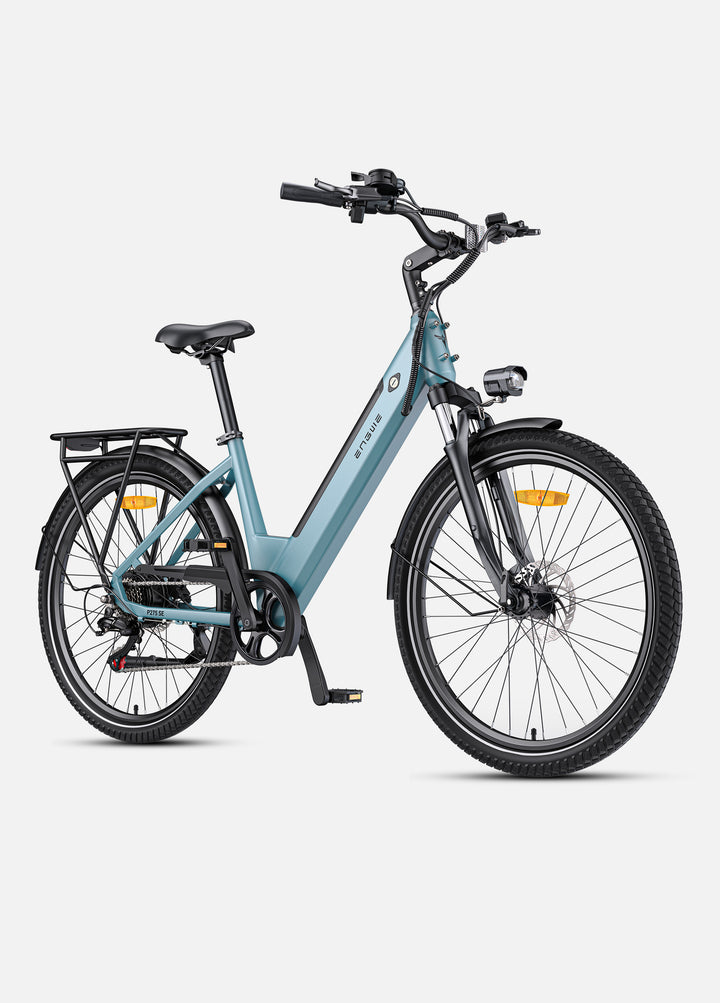
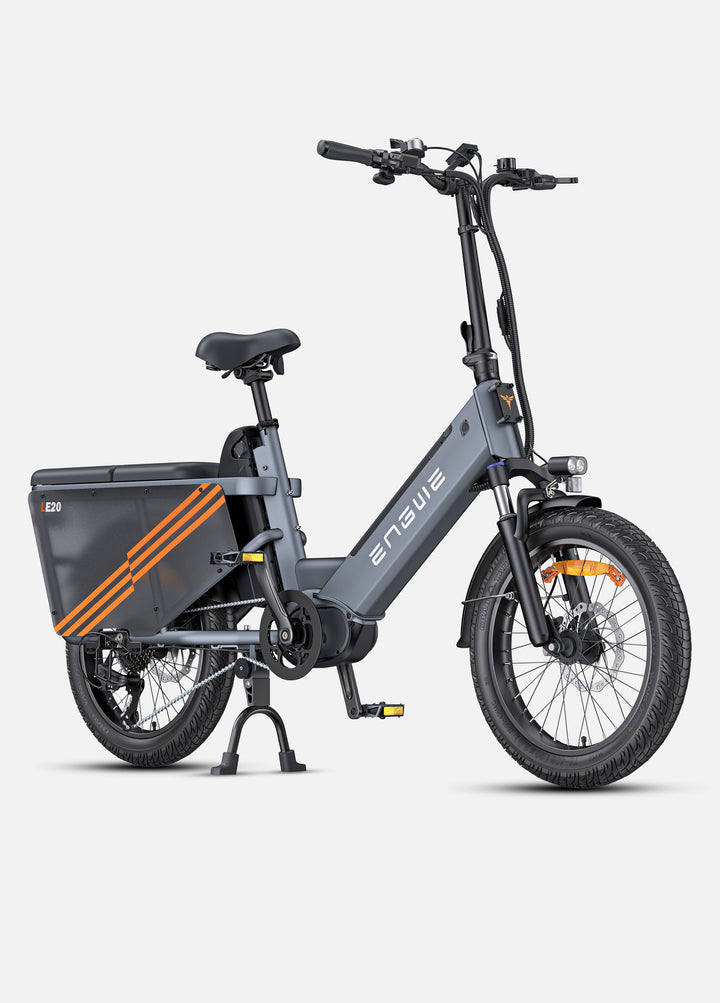
Not everyone wants to build a DIY ebike. Some people want a ready-made bike that is strong, safe, and legal in EU countries. For them, the ENGWE ebike collection is the best choice.
These bikes are made with care, come with strong parts, and give you peace of mind. You don’t have to worry about mistakes in building; you just charge, ride, and enjoy.
ENGWE M20 Electric Bike – Dual Battery Power
The ENGWE M20 looks like a small motorcycle but rides like a smooth, fat tire e-bike. It has a dual battery option, so you can cover long distances without fear of running out of power. Due to its full suspension, fat tires, and bright lights, it works well on city streets and rough roads. It is safe, powerful, and stylish, the best choice for adventure riders.
Key Features:
- Dual or single battery options (48V 13Ah each)
- 20x4.0 fat tires for all terrains
- Front and rear suspension for comfort
- Up to 75 km range per charge
- Shimano 7 gears and LCD display

ENGWE EP-2 Pro Folding Ebike – Compact and Strong
The ENGWE EP-2 Pro is a foldable electric bike that is easy to carry and store. It is small in size but very powerful, with fat tires that give grip on both roads and off-road paths. The foldable frame makes it best for people living in flats or those who travel a lot. It is simple, legal in the EU, and designed for daily use.
Key Features:
- 250W motor, EU-legal speed (25 km/h)
- 48V 13Ah battery, up to 120 km range
- Foldable alloy frame, easy to transport
- Bright LED lights for safe night rides
- Strong fat tires for stability

ENGWE Engine Pro 2.0 – All Terrain Folding Ebike
The ENGWE Engine Pro 2.0 is made for riders who want strength and adventure. This ebike has a 250W motor that makes going up hills easy. The brakes are powerful and stop fast when you need.
The front and back shocks make the ride smooth on rocks or rough roads. You can also fold the bike in a few seconds, which makes it easy to take for trips or camping.
Key Features:
- 75Nm high-torque motor for steep climbs
- 48V 16Ah battery, up to 110 km range
- 25km/h speed
- Hydraulic brakes for safety
- Full suspension for comfort
- Foldable alloy frame for easy storage

Testing and Tuning of DIY Ebikes
After you finish building, ride slowly in a safe place. Check if the motor runs smoothly, if the brakes work, and if the display shows the correct speed. If something feels loose, fix it before long rides. If the motor is weak, check the diy ebike battery charge. If the bike stops, look at the wires and connections.
Pros and Cons of DIY Ebikes
Making a DIY ebike is cheaper and gives you full control over design. But it also takes time, tools, and careful work.
Pros:
- Costs less than new bikes.
- Fun to build and learn.
- You can design as you like.
Cons:
- Takes time and patience.
- Some tools and skill are needed.
- Mistakes can make it unsafe.
Conclusion
Building a DIY ebike is a good way to save money and learn. You can enjoy the pride of riding a bike you built yourself. Beginners can start with easy diy ebike kits, while advanced riders can pick each part.
But if you don’t want the hassle, ENGWE electric bikes are ready to ride, safe, and legal in the EU. Choose DIY if you love building, or choose the ENGWE collection of ebikes if you love riding right away.
FAQs About DIY Ebikes
Is a DIY ebike really cheaper?
Yes, it costs less if you already have a frame, but batteries and motors can still be pricey.
Can I use any frame for a diy electric bike?
No, you need a strong ebike frame that can hold the motor and battery weight.
How safe is a diy ebike battery?
It is safe if mounted tightly, kept dry, and charged properly.
Is a diy mid drive ebike better than hub motors?
Yes, for climbing hills, but hub motors are easier for flat roads.