In recent years, e-bikes have become more popular in Europe. While in Italy at the rural places and in Germany and the Netherlands by bicycle on city streets, one has to be mindful of its law in respect to e-bikes.
Every country has its own set of laws governing motor power limits, speed limits, and license requirements. This guide will help you in answering the questions like, "does electric bike need license," "do I need license for electric bike" and will help you in picking out a lasting and legal e bike.

What is a Legal E Bike in Europe?
-
Motor capped at 250W
-
Assist by pedaling only (no throttle-only cycling)
-
Assist cuts out at 25 km/h
-
No registration, licence, or insurance
These conditions apply to all EU nations, but there can be some variation between nations in enforcement and classification.

Italy: An E-Bike Guide to Compliance
In Italy, every legal e bike is EU standard: 25 km/h limit, pedal assist, and 250W engine. If your e-bike fits these criteria, it's an ordinary bicycle,no registration or driving license required.
Do I have a license for e-bikes in Italy? Not unless your bike is less than 250W/25 km/h. But cyclists still need to be aware of local traffic regulations for variations.
Germany: Safety is Paramount
Germany is serious about road safety. In Germany, a legal e bike is likewise capped at 250W and 25 km/h. They do not need a license for the basic models.
But if your bike is more powerful or harder to accelerate, then it might be classified as an electric moped or speed pedelec. Helmets and insurance may apply in these cases.
If you’re wondering, does electric bike need license in Germany, the answer depends entirely on the specs of your e-bike and whether it follows pedal-assist norms.
France: Speed Limits and Registration
France allows e-bikes subject to EU standards without a license.A French legal electric bicycle will be 25 km/h top speed, 250W power, and pedal assist only.
For higher-speed bikes, the riders must register the bike and use other safety measures. But do I need license for electric bike in France? Not for typical legal e-bikes, but verify if your local authority has further regulations on high-performance bikes.
Netherlands: A Strong E-Bike Classifier
E-bikes in the Netherlands can categorized as:
Regular e-bikes (legal): 250W, 25 km/h, no license
Speed pedelecs: Up to 45 km/h - license, registration, and helmet compulsory
Throttle-only bikes: Not legal for use on public roads
Ireland: New E-Bike Laws Recently Updated
Under the 2023 amendment of the Electric Bicycle law, Ireland further set out to harmonise further with the EU. The e-bike to be considered in the electric category is the one:
-
Having no more than 250W maximum power
-
Pedal assist only
-
The assistance cuts off by 25 km/h.
Where the e-bike is above, it may well be considered to be mechanically propelled under Irish law. One would then have to explore local law for licensing and insurance requirements.
Do e-bikes have to be licenced in Ireland? No, as long as they fall beneath EU criteria. However, for e-bikes with more power, it would be worth checking with the Road Safety Authority.
Legal E Bike Speed: Guide in Europe
The legal ebike speed in most EU countries is 25 km/h. At any speed above, very likely, it is no longer considered, by law, a bicycle.
|
Country |
Legal EBike Speed |
License Needed for Standard E-Bikes |
|
Italy |
25 km/h |
No |
|
Germany |
25 km/h |
No |
|
France |
25 km/h |
No |
|
Netherlands |
25 km/h |
No |
|
Spain |
25 km/h |
No |
|
Ireland |
25 km/h |
No |
The legal ebike speed across most European countries is capped at 25 km/h to comply with EU regulations or 250W, there may be licensing, insurance, or registration regulations in place, but note that this is subject to enforcement and local transport policy.
ENGWE: Performance Bikes for Every Rider
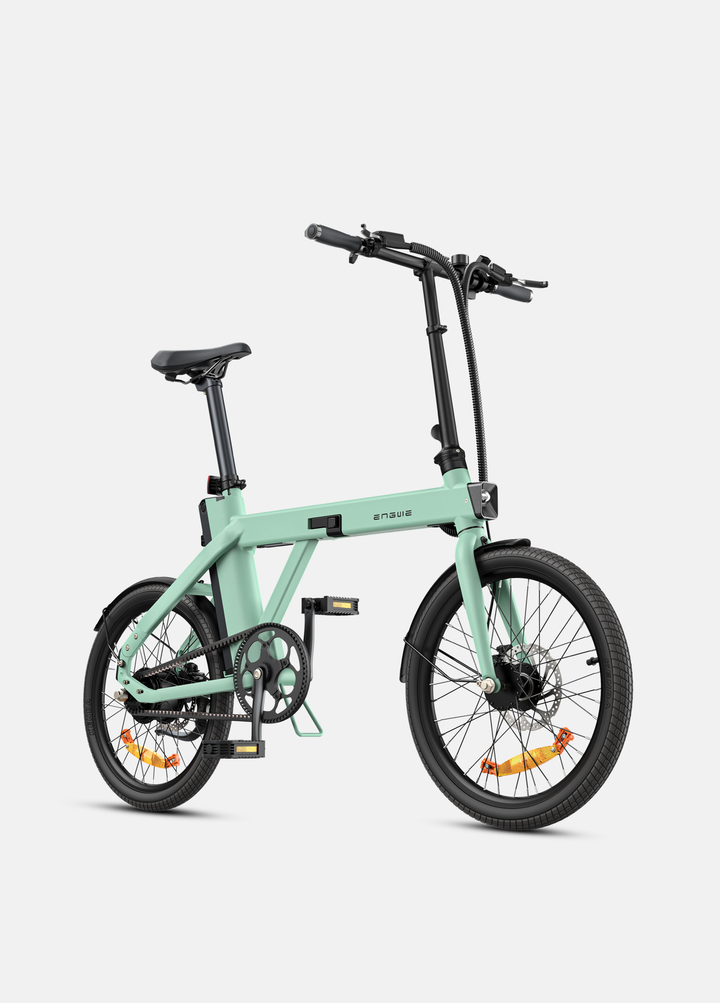
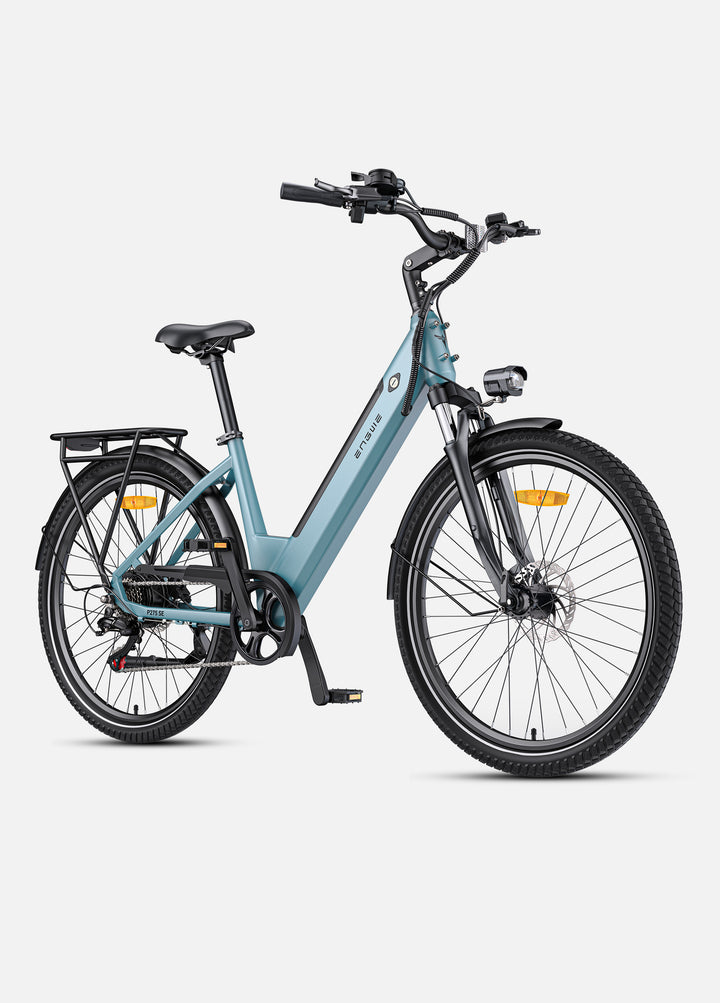
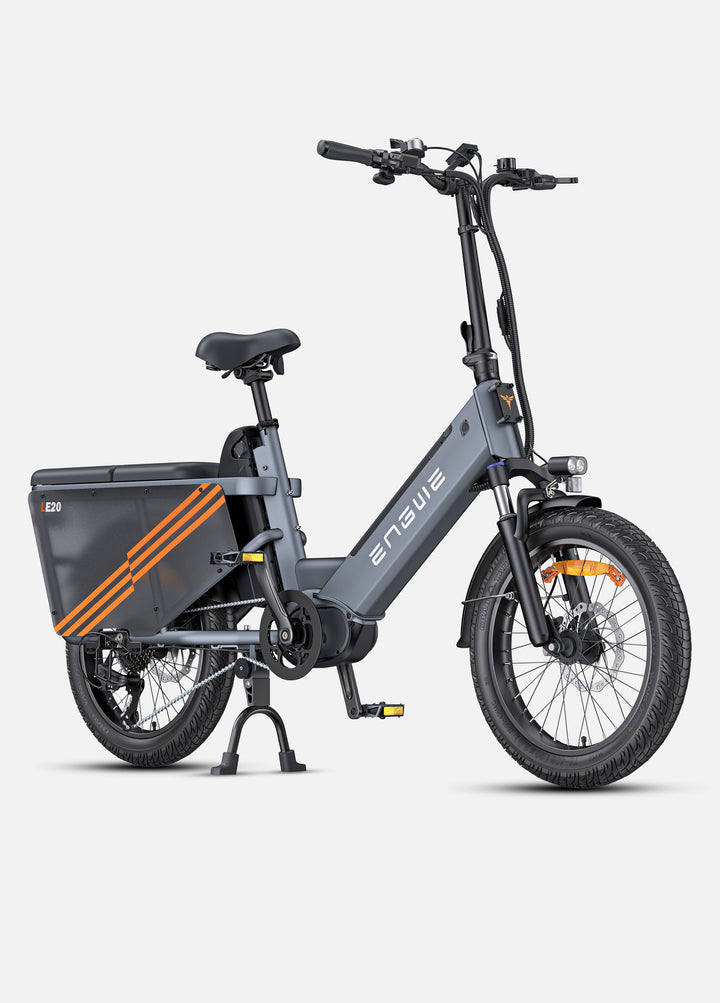
ENGWE offers powerful and legal electric bikes for heavy-duty users and regular commuters. The law on the use of e-bikes also varies with the country, and therefore, ENGWE spare parts are always advisable to confirm consistency based on where they will be riding the e-bike.
Some of the most suggested ENGWE products include:
- ENGWE Engine Pro 2.0: With the objective of offering off-road capability and power.
- ENGWE EP-2 Pro: High-torque foldable fat-tire electric bike.
- ENGWE T14: Fashion, compact, and city-specified.
- ENGWE X26: Long-range battery system and double suspension.
- ENGWE L20: Convenient domestic chores and city cruising specific design.
All designs are built with safety, comfort, and performance. Prior to public road use, users are always required to refer to local law to ensure that their ENGWE e-bike setup is within the law in their country.
Conclusion
Cycling the streets of Paris in France or across the Tuscan countryside, to be aware of the rules regarding permitted e-bike usage is important.
While most European standard 250W and 25 km/h e-bikes are legal without licensure in the majority of Europe, higher power models may fall into another category.
So, is an electric bike licensable? Does electric bike need license? The answer is based on your bike spec and the law of your country. ENGWE gives the freedom to cyclists but always uses legal e bike and gets properly trained. For information, contact your local transport department prior to purchasing or utilizing.