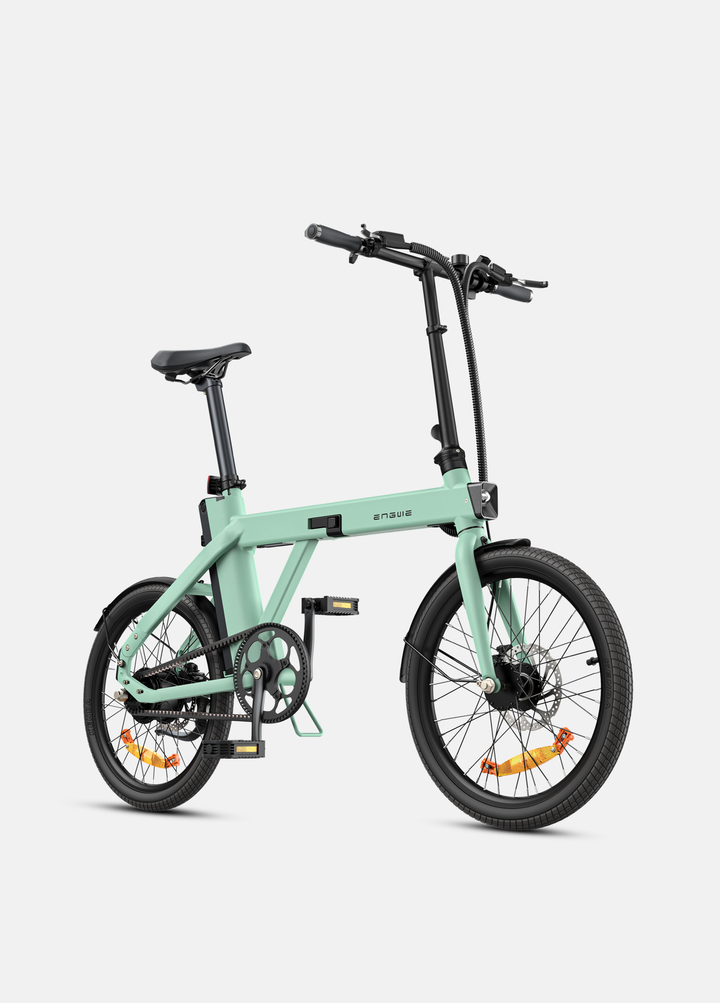
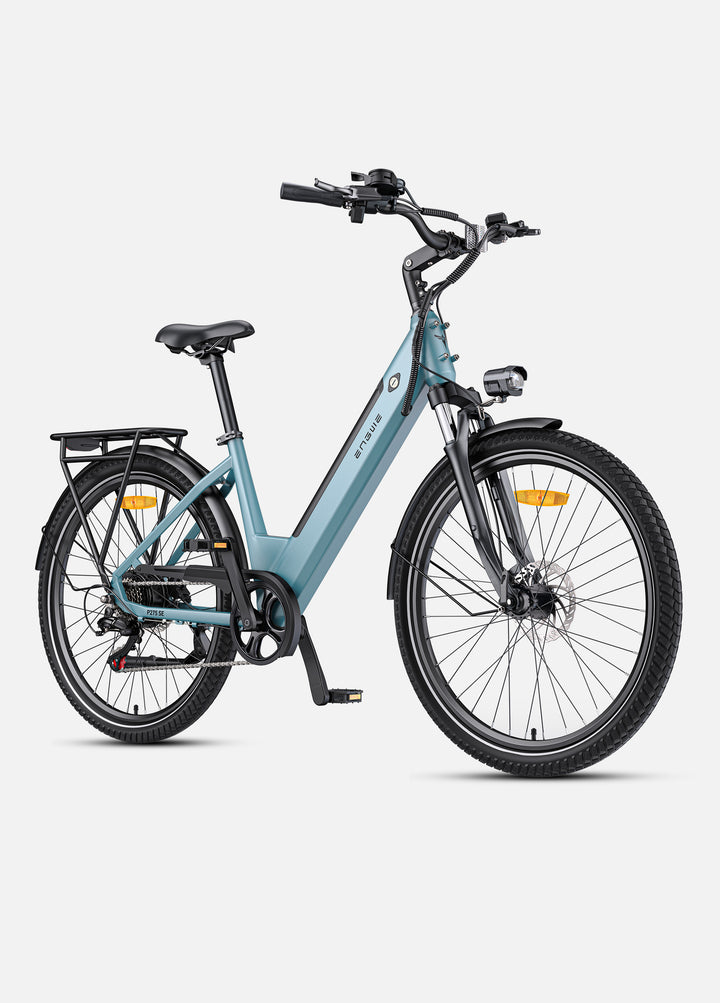
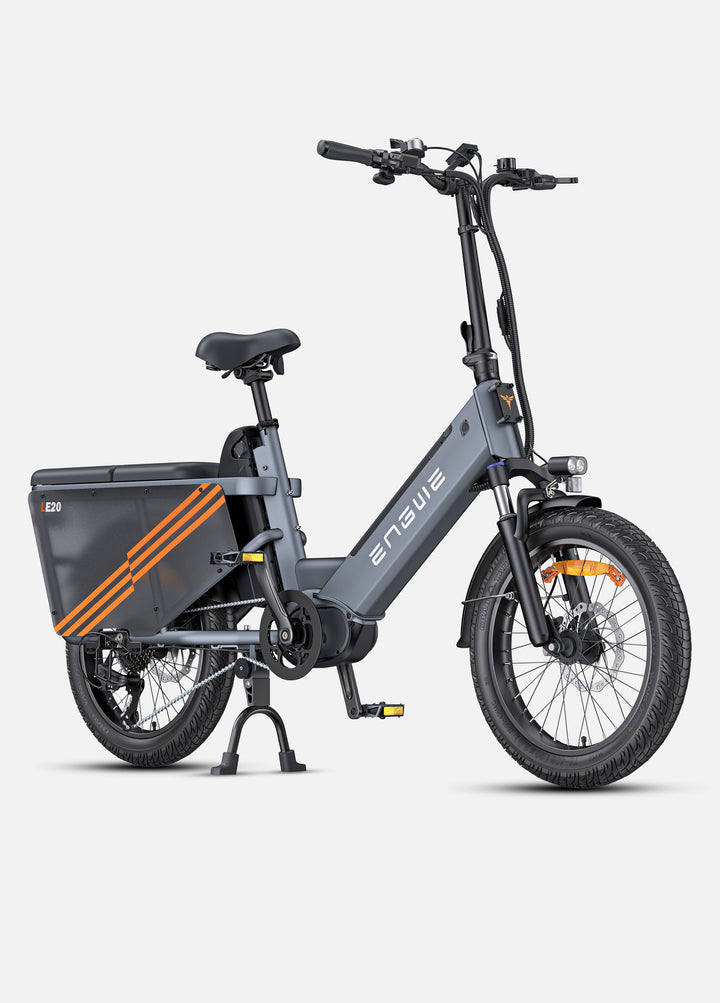
Electric bikes are changing the perspective of how people travel within cities in Europe. An e-bike is quick, enjoyable, and eco-friendly. Some may travel to work, others may be travelling to the store, and others may just be enjoying a fun ride on their ebikes. Sounds fun, right? As we see more people choose an ebike each year, everyone asks a common question related to ebike license:
Do I need an e-bike license to ride?
This is a valid question especially if you're new to ebikes. Different countries have different rules. Some ebikes are not considered a vehicle and require no paperwork, while others rules follow mopeds with required licenses, insurance, and helmets.
If you are considering purchasing an ebike or already own an ebike, it's important to know exactly what you can legally do - particularly if you ever plan to ride your ebike in any European country.

Understanding the Basics: What Qualifies as a Legal E-Bike in Europe?
Not all electric bikes are treated the same under European law. If you're planning to ride on public roads, you need to make sure your e-bike meets the legal standards.
So, what exactly is a legal e-bike in Europe?
A street legal electric bike must meet three simple rules:
-
The motor power should be no more than 250 watts.
-
The top assisted speed must not go over 25 km/h. Once you reach that speed, the motor should stop helping.
-
It must use pedal assist only. That means the motor helps you only when you are pedaling. If the bike moves on its own with a throttle, it's not legal under standard e-bike rules.
If your e-bike follows these rules, then good news, you likely don’t need an ebike license to ride it in most European countries. These bikes are seen as regular bicycles and can be used on bike paths, shared roads, and urban areas without much restriction.
But if the bike has a throttle or goes faster than 25 km/h, the rules change. We'll explain that in the next section.
In short, if your e-bike is pedal-assisted, stays within 250W power, and respects the legal e-bike speed, you’re probably in the clear.
Three Types of E-Bikes Explained
Not all e-bikes are the same. Understanding which type you own, or want to buy can help you avoid legal trouble and choose a bike that fits your needs. In Europe, e-bikes are generally placed into three main categories. Let’s break them down:
1. Pedelec (Pedal-Assist Only)
This is the most common and legal electric bike type in Europe. A pedelec gives you a boost only when you pedal. It won’t move unless you’re pedaling, and it stops giving help once you reach 25 km/h. These bikes have a 250W motor or less, and they follow the standard rules in countries like Italy, France, Germany, and Spain.
So, if you’re asking, “Do I need an ebike license to ride?” The answer is no for this type. No registration, no insurance, no license. Just hop on and ride. That’s why many people choose pedelecs for daily commuting or casual weekend rides.
2. S-Pedelec (Speed Pedelec)
This type looks similar to a normal e-bike, but there’s a key difference: it’s much faster. An S-pedelec can reach speeds of up to 45 km/h and often comes with a more powerful motor. Because of this, most European countries treat it like a moped.
So, yes, you do need a license for an electric bike like this . To ride a speed pedelec legally, you’ll need:
-
A license (usually AM or moped class)
-
Registration and number plate
-
Insurance
-
And a helmet by law
This category is great for long-distance rides, but you must follow the rules.
3. Throttle-Controlled E-Bikes
These bikes can move without pedaling at all. Just press a button or twist a handle, and off you go. While they’re popular in some parts of the world, throttle-powered bikes are not usually street legal electric bikes in Europe.
In most EU countries, if a bike moves on its own without pedaling, it’s seen as a motor vehicle. That means you’ll need a license, insurance, and sometimes special approval to use it on public roads.
If your e-bike has a throttle but meets the legal ebike speed and motor power limits, it might still not qualify as a regular bicycle. Always check the local rules before riding.

Where Do You Need an E-Bike License in Europe?
While the EU sets common standards, each country may have small changes, especially when it comes to licenses, helmets, and road use. Here’s a quick guide to what’s allowed across some of the most popular e-bike destinations.
Germany
Germany follows EU law closely. If your e-bike uses pedal assist and stops at 25 km/h, it’s considered a bicycle.
-
No ebike license needed for standard pedelecs
-
S-pedelecs require a license, insurance, and helmet
-
Use bike lanes with standard e-bikes, but not speed pedelecs
Italy
In Italy, a legal e-bike is defined by pedal assist only and a 250W motor. Anything above that, like S-pedelecs, is treated like a moped.
-
No license needed for bikes under 25 km/h
-
S-pedelecs require registration and an AM category license
-
Riders aged 14–18 must wear a helmet
So, you need a license for an electric bike in Italy, only if it goes over the speed or power limit.
France
France applies similar rules. A street legal electric bike here must stay under 25 km/h and be pedal-assist only.
-
Standard e-bikes: no license, no insurance
-
S-pedelecs: need a license, registration, and helmet
-
Children under 12 must wear helmets even on standard e-bikes
Spain
Spain follows EU guidelines but adds a few safety measures.
-
No ebike license for bikes under 250W and 25 km/h
-
Lights must be on at night and in poor weather
-
Helmets are required on interurban roads
-
Speed pedelecs treated as mopeds, license and insurance needed
Netherlands
One of Europe’s most bike-friendly countries has clear rules.
-
Pedelecs: no license, treated as bicycles
-
S-pedelecs: must be registered, insured, and require helmets
-
Speed pedelecs can't use all bike paths
Poland
Poland sticks with EU law, but still has age rules in place.
-
No license for bikes with 250W motors and pedal assist
-
Riders must be at least 14 years old
-
Bike lanes are open to standard e-bikes
In all these countries, the rules are mostly the same: if you ride a street legal electric bike that follows the EU definition, you’re likely safe from license or insurance requirements.
Ride Free, Ride Smart with the ENGWE L20
If you're looking for a dependable e-bike that keeps you street legal in Europe, the ENGWE L20 is a perfect choice. With a 250W motor and a top speed of 25 km/h, it meets all the EU regulations—so you can ride in cities, on bike lanes, and through countryside paths without needing a license, insurance, or registration.
The ENGWE L20 is made for both daily commuting and weekend exploring. Its 48V 13Ah battery gives you up to 140 km in pedal assist mode, so you can go farther with less effort. Whether you're climbing a hill or cruising downtown, the L20 gives you smooth, steady power without breaking the rules.
What Makes the ENGWE L20 Stand Out?
-
No ebike license required
-
Long-range battery for daily rides or longer trips
-
Comfortable ride with suspension and fat tires
-
LCD display, LED headlight, and rear light for safety
-
Fits riders from 155 cm to 210 cm tall
The ENGWE L20 gives you the freedom to ride without stress. It’s built for real-life needs with all the smart features that make your journey better.

Before You Hit the Road
Now that you know when an ebike license is required and what makes a bike legal in Europe, it’s time to make sure you're fully prepared for the ride ahead. Whether you're commuting through city streets or heading out on a countryside path, this simple checklist will help you stay safe, legal, and confident on your e-bike.
Confirm Motor Power and Speed
Make sure your motor is 250W or less, with assistance stopping at 25 km/h.
Pedal Assist Only
Your e-bike must assist only while pedaling, throttle systems often require license and insurance.
Follow Country-Specific Rules
Check local laws, helmet use, bike lane access, and lighting requirements can vary across countries.
Inspect Safety Features
Check brakes, lights, and battery before riding. Safe riding begins with a quick daily check.
A legal electric bike lets you enjoy full freedom without the paperwork, but only if you stay within the limits. Models like the ENGWE L20 are built with these rules in mind, so you can ride with ease across Europe.