A long bike ride feels endless when you've got a trusty electric bike charger by your side. Luckily, these days you can easily toss a lightweight GaN charger. Plus, fast chargers can top up 10-20 miles of range in just an hour. And with compact power stations, you can plug in just about anywhere.
This guide takes a close look at the best portable options, shares key safety info, and highlights the units that work well with popular ENGWE batteries.
Why a Dedicated Travel Charger Matters
Batteries that come with some new e-bikes can add an extra kilogram to carry around. That's where a compact ENGWE charger for electric bike comes in, measuring 167 × 76 × 45 mm and weighing around 525 g. This smaller design makes it easier to stash in panniers, reducing the risk of extra baggage fees when you fly.
Since a dedicated electric bike charger can handle a wide AC input range, riders can plug it in just about anywhere. Portable chargers also tend to run cooler, which is a big plus when recharging batteries.

Key Features to Evaluate on the Road
1. Voltage and Current Compatibility
Most e-bikes like ENGWE's foldable ebikes have electric bike charger 48V batteries. When it comes to charging, double-check the type of DC plug you need and make sure the charger's voltage stays within the limits set by the battery management system. That way, you can avoid messing up the cell balance.
2. Charging Speed vs. Battery Longevity
A 4A unit fully charges a 500 Wh pack in about six hours, while an 8A model like Grin's 360 W Satiator brings that time down, but it also produces more heat. This trade-off between convenience and longevity is crucial. To minimise wear, many riders use high-amp charging for quick top-ups and stick to 50-80% charges the rest of the time.
3. GaN Semiconductors
Gallium-nitride transistors switch faster and dissipate less heat than silicon. These GaN units are ideal for riders counting grams yet still wanting 150–170 W output.
4. Off-Grid Flexibility
If multi-day bikepacking is on the agenda, look for chargers that pair with portable power stations. A 1 kWh lithium power bank can fully recharge an average e-bike twice.

Electric Bike Chargers Worth Packing
Compact OEM Chargers
2 A-3 A units prioritise size over speed. Bosch, Shimano, and several other suppliers that are compatible with ENGWE sell versions weighing under 600.
Fast ”Workshop” Chargers
Devices that deliver 6 A-10 A really cut down on downtime at lunch stops. This makes going on epic rides achievable over a weekend. The Satiator lets you set up multiple profiles. This feature allows you to bulk-charge a 48 V ENGWE commuter safely in under three hours.
Next-Gen GaN Minis
Cyberpika's 54.6 V 3 A GaN charger is 6.1 × 2.9 × 1.2 inches, which is about the size of a glasses case. Despite its compact size, the charger stays cool because of its efficient switching tech. Wise-integration's Cocotte concept takes it a step further by integrating GaN hardware right into the battery shell.
Portable Power Stations
Units like Jackery's Explorer 2000 take solar input and put out 2-3 kW of AC, which is enough to recharge an ENGWE bike a few times over. Since these units have a standard household socket, you can get away with carrying just a regular electric bike charger.
Public EV Chargers and Adapters
Level-2 car charging stations supply 240 V AC; pair them with a J1772-to-NEMA adapter, and any e-bike charger will work just fine. It's a good backup plan, but if cars are waiting, it's best to move along quickly.

Official Travel Charger Options from ENGWE
ENGWE makes its own chargers that are perfect for life on the go. The official ENGWE Charger comes in a few different versions to fit different bike models.
Standard vs. Upgraded Versions
The base model gives you reliable 48V charging at 2A, which is fine for overnight charging. But ENGWE's upgraded 3A charger is a big step up for travellers. With it, charging times go from 4-6 hours to 2-3 hours, making it possible to top up your battery during breaks.
Universal Model Compatibility
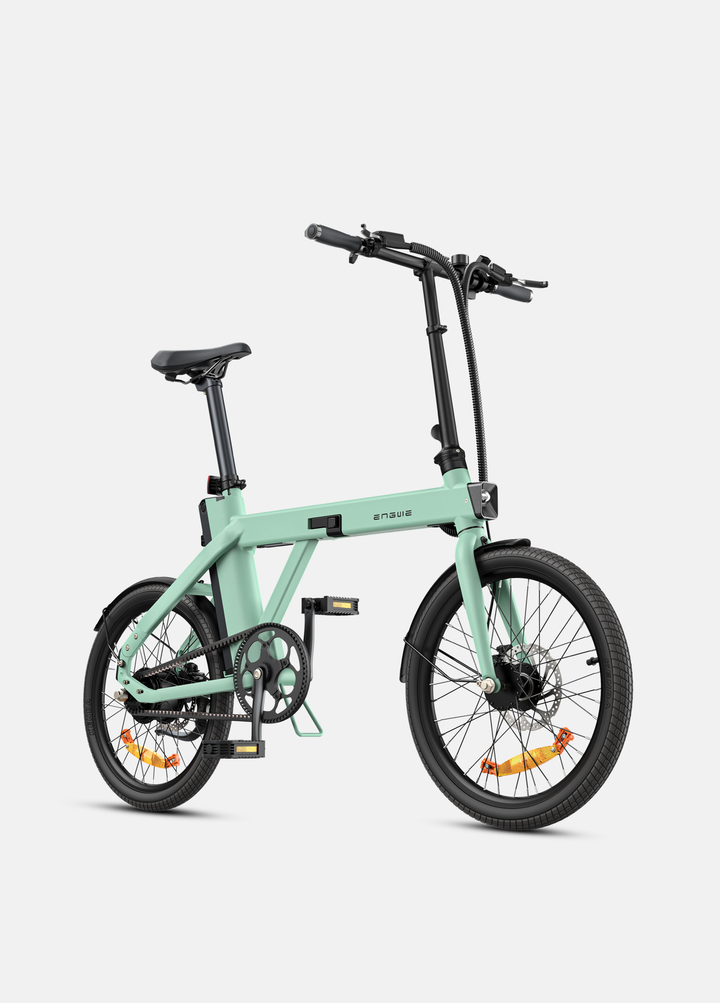
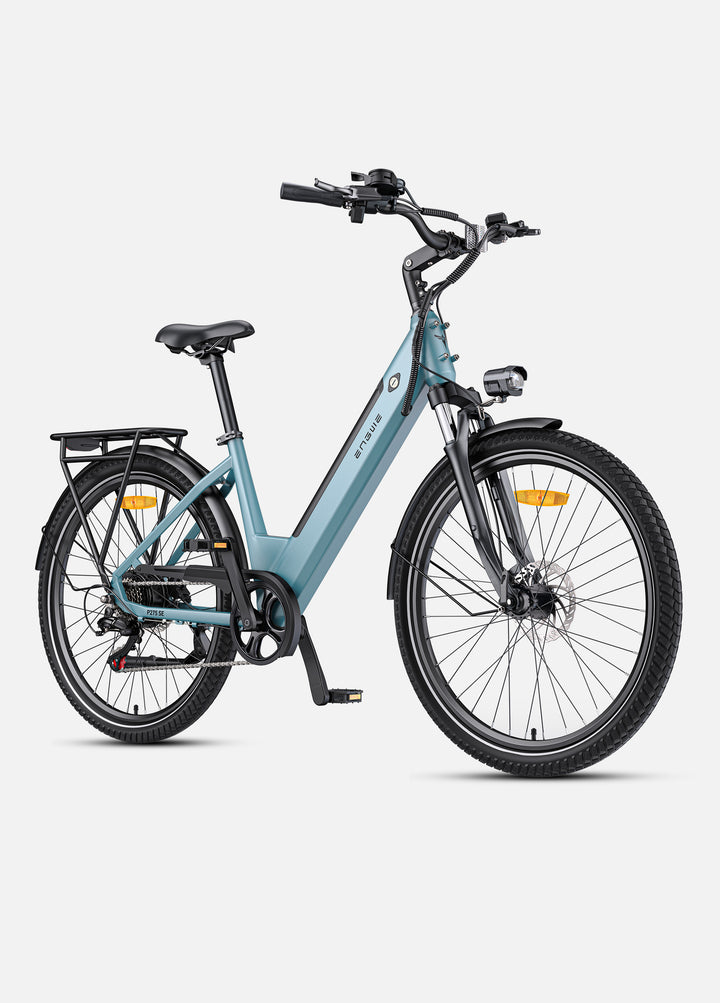
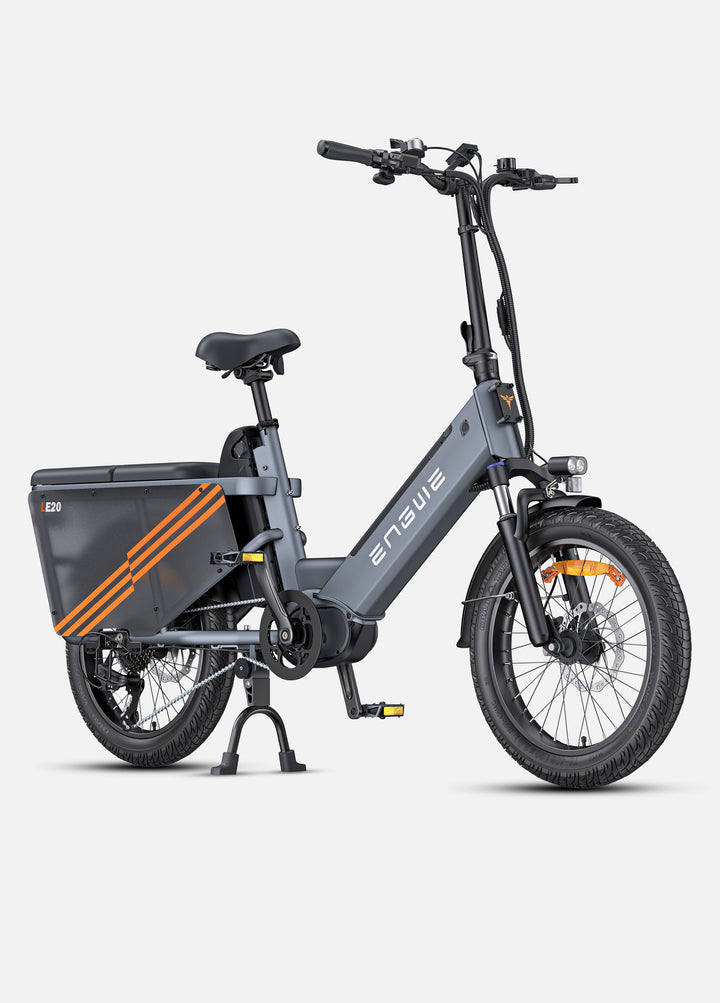
What makes the official ENGWE charger stand out is how it works with a wide range of bikes. One charger fits all - from the ENGWE L20 battery to the ENGWE T14 battery. This flexibility really comes in handy for tour groups with mixed ENGWE fleets.
Design Improvements for Travel
Newer chargers are perfect for quiet spots like hostels or camping. The compact design and standard plug also mean the charger fits neatly into side pockets on panniers without the bulk that often comes with third-party options.

Practical Charging Times on Tour
The time it takes to charge depends on the battery's capacity and how many amps the charger uses. Take a standard 48 V × 10 Ah (480 Wh) battery, for example.
2 A charger: about 5–6 hours from empty.
4 A charger: 2.5–3 hours.
8 A charger: roughly 90 minutes, but batteries may throttle current near the top.
For the most part, you can count on getting around 100 Wh back per hour with a mid-range 4 A charger in normal temperatures. If you're wondering how long does it take to charge an electric bike, you can plan your breaks accordingly.
ENGWE-Compatible Travel Picks
ENGWE's foldable commuters come with 48 V batteries, which means you can use any charger that puts out 54.6 V. Here are three great pairing options:
-
Cyberpika 54.6 V 3 A GaN charger for riders counting every gram.
-
Grin Satiator 48 V 8 A when fast turnaround matters on endurance tours.
-
Jackery Explorer 3000 V2 plus ENGWE’s stock brick for true off-grid independence
These options keep voltage within ENGWE’s battery management limits and comply with EU safety marks.
How to Charge an Electric Bike Safely While Travelling
1. Inspect cable insulation and connector pins before every plug-in.
2. Position the battery on a non-flammable surface and avoid full sun to minimise thermal runaway risk.
3. In Europe’s increasingly regulated market, use only CE- or UL-listed chargers and avoid counterfeit units.
4. When powering via portable stations, set the inverter output to 230 V if available; higher voltage lets the charger run cooler and slightly faster.
5. Store the charger in a dry pouch; even IP40-rated models like Bosch’s must stay indoors during rain stops.
In A Nutshell
Finding the portable electric bike charger for your bike is all about knowing your needs. For city rides, OEM chargers do the trick. If you're commuting, GaN mini is great. And for serious adventures, high-power stations are the way to go.
No matter which way you go, make sure your 48 V ENGWE battery works with what you're planning and keep in mind that good charging habits will keep your bike and you ready for the next trip.
Frequently Asked Questions
Can I top up my ENGWE at a car charging station?
You can do this if you've got a J1772 adapter and your electric bike charger works with 100 to 240 V input. It's considerate to move over when cars show up.
Is a GaN charger safe for daily use?
GaN devices have the same CE and UL certifications as silicon devices, and they don't get as hot when you're using them normally.
What’s the lightest ebike charger rated for 48V?
Current GaN units usually produce 2-3A output, so make sure to check the exact connector before you buy.
How to charge electric bike batteries off-grid?
Pair a standard charger with a solar generator or a pure-sine power station that has at least 20% more watt-hours than your battery. This extra capacity helps make up for energy losses.
Does fast charging shorten battery life?
Regular high-amp charging ramps up heat; sticking to 8 A for emergencies helps your battery last way longer.