Electric bikes have changed the urban commuting scene. The class 1 ebike, in particular, gives riders a gentle push when they pedal. So, if you're in the market for one, knowing the rules for Class 1 ebikes is key. These guidelines spell out where you can take your class 1 bike. Getting a handle on these s can save you a lot of headaches down the line.
What is a Class 1 Ebike?
A class 1 ebike is the most straightforward category in the three-tier ebike classification system. The class 1 ebike definition centers on pedal-assist technology that only activates when the rider actively pedals. Unlike other categories, these bikes do not feature throttle controls. The motor on a class 1 ebike kicks in automatically, but it cuts out once you hit 20 mph. This speed limit is key to what makes it a class 1 ebike.
Most class 1 ebikes in the US come with motors that put out up to 750 watts, but in Europe, they're limited to 250 watts of continuous power. The pedal-assist system usually gives you multiple levels of help, so you can choose how much of a boost you want.

Understanding Ebike Class 1 2 3 Classifications
The three-tier system makes things clear for everyone. Ebike class 1 2 3 categories cater to different riding styles and meet various regulatory needs.
Class 2 ebikes have the same 20 mph speed limit as class 1 models. The big difference is that they come with a throttle. That throttle feature sets them apart from class 1 bikes.
Class 3 ebikes give you a pedal boost up to 28 mph. These faster bikes usually have more rules to follow, like requiring speedometers and age limits.
Class 1 vs Class 2 Ebike Differences
The class 1 vs class 2 ebike comparison shows some big differences in how they work. Although they both have the same top speed, they operate in pretty different ways.
Class 1 ebikes need you to keep pedaling to get motor help. This keeps riders involved in the ride and helps them get some exercise. Riders can't get the motor to kick in without pedaling first.
Class 2 ebikes come with throttle functionality. This feature lets riders take a break from pedaling on tough climbs or start moving from a standstill. But with this convenience comes a catch - some areas don't allow Class 2 ebikes.
Lots of trail systems and bike paths let class 1 ebikes in, but class 2 models aren't allowed. For riders who want to hit the trails, the class 1 vs class 2 ebike decision is a big deal.
|
Feature |
Class 1 Ebike |
Class 2 Ebike |
Class 3 Ebike |
|
Motor Assistance |
Pedal-assist only |
Pedal-assist and throttle |
Pedal-assist only |
|
Throttle |
No |
Yes |
No |
|
Max Assisted Speed (US) |
20 mph (32 km/h) |
20 mph (32 km/h) |
28 mph (45 km/h) |
|
Max Assisted Speed (EU) |
25 km/h |
25 km/h |
45 km/h (S-pedelec category) |
|
Motor Power Limit (US) |
Up to 750W |
Up to 750W |
Up to 750W |
|
Motor Power Limit (EU) |
250W continuous |
250W continuous |
250W continuous (higher regulated separately) |
|
Where You Can Ride |
Bike lanes, shared roads, most trails, many parks |
Bike lanes, shared roads, limited trails (often restricted) |
Bike lanes, streets, some commuting routes; rarely allowed on trails |
|
Legal Requirements |
Usually no license or insurance; helmets vary by state/country |
Same as Class 1, but more riding restrictions |
Often age minimums (16+), helmets usually required, sometimes speedometer required |
|
Best For |
Riders wanting a natural pedaling feel with moderate assist; accepted widely |
Riders wanting throttle convenience for hills or rest |
Commuters and riders needing higher speeds for longer distances |
|
Limitations |
Must pedal for assistance |
Not always allowed on trails/paths |
Higher regulation, limited trail access, may require extra safety gear |
Speed and Power Regulations
Speed rules for class 1 ebikes are pretty consistent. In the United States, they can't go faster than 20 mph when assisted, and in Europe, that limit is 25 km/h.
Motor power rules differ. In the US, you're allowed up to 750 watts, but in Europe, it's capped at 250 watts. These limits help provide a boost without overpowering the traditional cycling feel.
The speed cutoff is a safety feature and a requirement by law. It kicks in once the bike hits a certain speed. But riders can still pedal to get going faster if they want to.
Legal Requirements and Licensing
Class 1 ebikes are usually treated the same as regular bicycles. Riders don't typically need any special licenses or insurance to use them legally.
Age rules differ from place to place. Most states say riders need to be at least 16 years old, but some areas let younger kids ride. Class 1 ebikes are pretty straightforward - you don't often see extra age restrictions.
Helmet rules vary by location. In some places, all riders need to wear helmets. In others, the rules only apply to certain ages.
Where Can You Ride a Class 1 Ebike?
Class 1 ebikes are usually allowed wherever regular bicycles can go, such as bike lanes and many trail systems.
Many national and state parks now let you ride class 1 ebikes on trails where other motorized vehicles aren't allowed. This is because they're basically assisted-pedal bikes with speed limits.
Urban infrastructure typically includes bike lanes and shared roads that allow class 1 ebikes. However, some areas may not allow ebikes at all, so it's a good idea to check local rules before heading out.

Class 1 vs Class 3 Ebike Considerations
The class 1 vs class 3 ebike comparison shows some big differences in how fast they can go. What really sets class 3 ebikes apart is that they can give you a boost up to 28 mph, which is a big plus for longer rides.
This extra speed comes with trade-offs. A lot of bike paths and trails say no to class 3 e-bikes. Class 3 bikes may also have extra rules, like needing speedometers.
For riders who value flexibility, class 1 e-bikes have some benefits. They're widely accepted and don't have a lot of regulations.
Best Class 1 Ebike Features and Considerations
When picking the best class 1 ebike, a few key features set the great ones apart. The placement of the motor makes a difference. Mid-drive motors give you a better weight distribution than hub motors.
Battery capacity is key to how far you can ride. Bigger batteries let you go longer distances, but they also add weight and cost. Designers can hide the batteries and wiring to make it look better and help prevent theft.
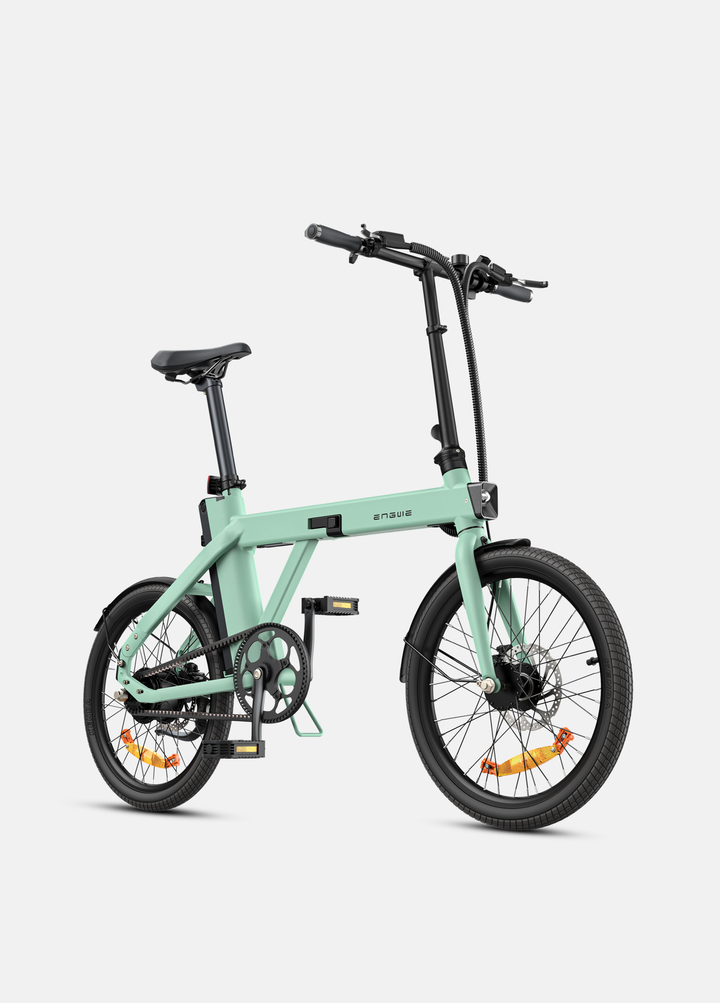
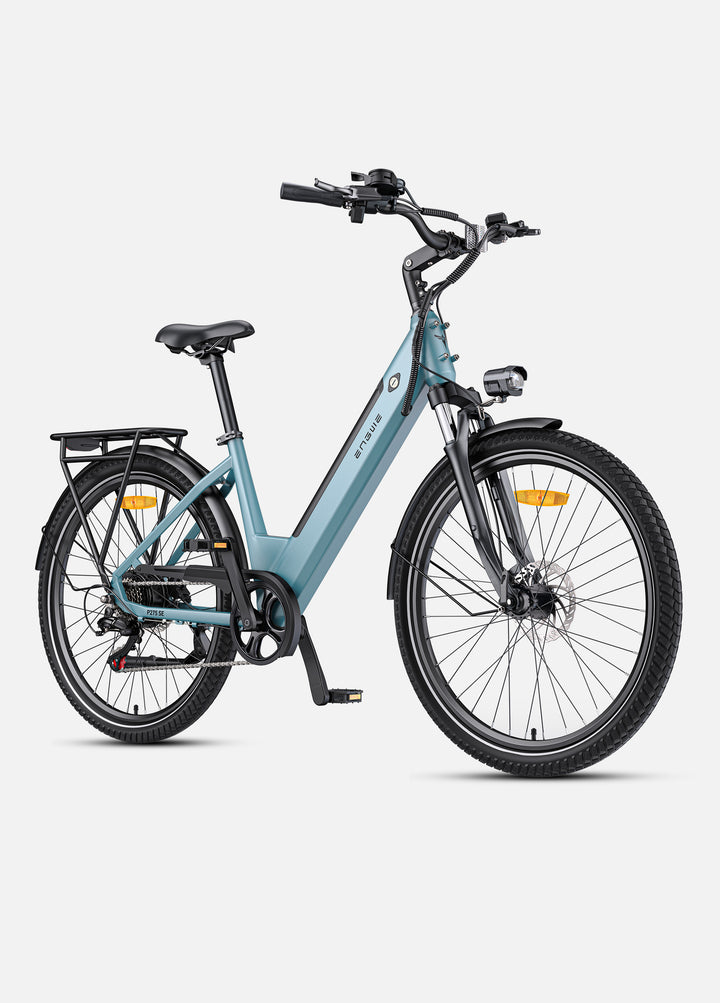
ENGWE offers a bunch of class 1 e-bikes. Take the ENGWE EP-2 Boost, for example - it's got a 250W motor system and is perfect for commuting. Plus, its pedal-assisted mode allows you to enjoy the bike ride without pedaling. It's a fan favorite.

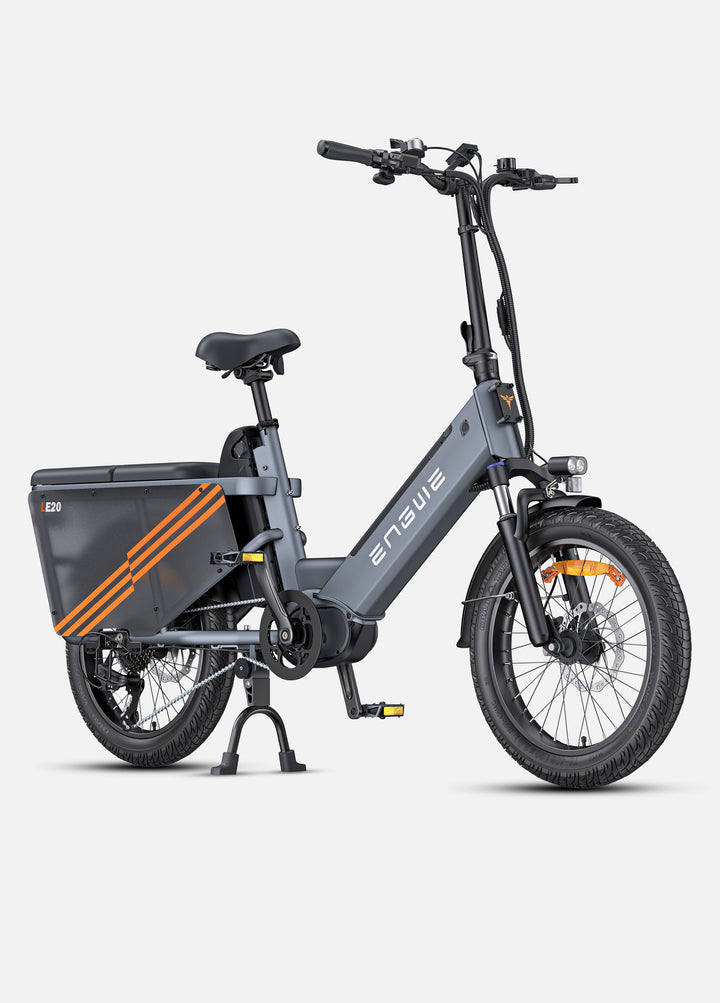
The ENGWE L20 3.0 Pro is another e-bike that stands out from the crowd. If you're looking for a more immersive cycling experience, this bike is designed for you. The motor is placed in the middle, giving it better weight distribution. Plus, the full suspension system smooths out bumps, making it perfect for riders who frequent rough roads.

Safety Regulations and Requirements
Safety regulations for class 1 ebikes are all about being seen and having reliable mechanics. In most places, you're required to have lights that work when it's dawn or nighttime, plus reflective gear.
Bike brake systems have to meet safety standards, but ebikes often need more powerful brakes because they're heavier. That's why disc brakes are popular on class 1 ebikes.
Regular maintenance is key for Class 1 ebikes. Taking care of the battery and drivetrain helps ensure they run safely.
Class 1 2 3 Ebikes and Trail Access
Class 1 2 3 ebikes don't have the same level of access to trail systems. A Class 1 ebike usually gets a break and is allowed on paths where motorized vehicles aren't permitted.
Mountain bike trails are now more open to class 1 ebikes. The fact that you have to pedal to get assistance keeps riders engaged, and the speed limit helps prevent issues.
Some trail systems have rules that change with the seasons or are part of a trial run. Staying up to date on the regulations helps riders avoid problems.
Class 1 Ebike for Sale Market Trends
The class 1 ebike for sale market has really taken off as more people learn about e-bikes. Makers are focusing on class 1 models because they're widely accepted.
Price ranges vary considerably, from entry-level models around €1,000 to premium options exceeding €2,500. Features such as suspension and component quality drive pricing differences within the Class 1 category.
Pricing can change with new ebikes usually debuting in spring and fall. When the seasons end, people often throw sales, which can be a good time to buy a Class 1 ebike at a lower price.
Frequently Asked Questions
Q: What makes a Class 1 ebike different from other ebike types?
Class 1 ebikes don't have a throttle. The motor kicks in to help, but it cuts off once you hit 20 mph. With these bikes, you need to actively pedal to get the motor going.
Q: Do I need a license to ride a class 1 ebike?
In most places, class 1 ebikes are treated like regular bikes. This means you don't need a special license or insurance to ride one. The one rule you'll often find is a minimum age requirement.
Q: Where can I legally ride my class 1 ebike?
Class 1 ebikes can usually go wherever regular bikes are allowed, like bike paths and city cycling infrastructure.
Q: What are the power limitations for class 1 ebike motors?
Class 1 ebikes have motors with up to 750 watts in the US and 250 watts continuous power in Europe. This keeps them classified as bikes.
Q: Can class 1 ebikes be used on mountain bike trails?
A lot of mountain bike trail systems let class 1 ebikes in, since they only help with pedaling. But policies can differ from trail to trail, so it's a good idea to check the local rules.