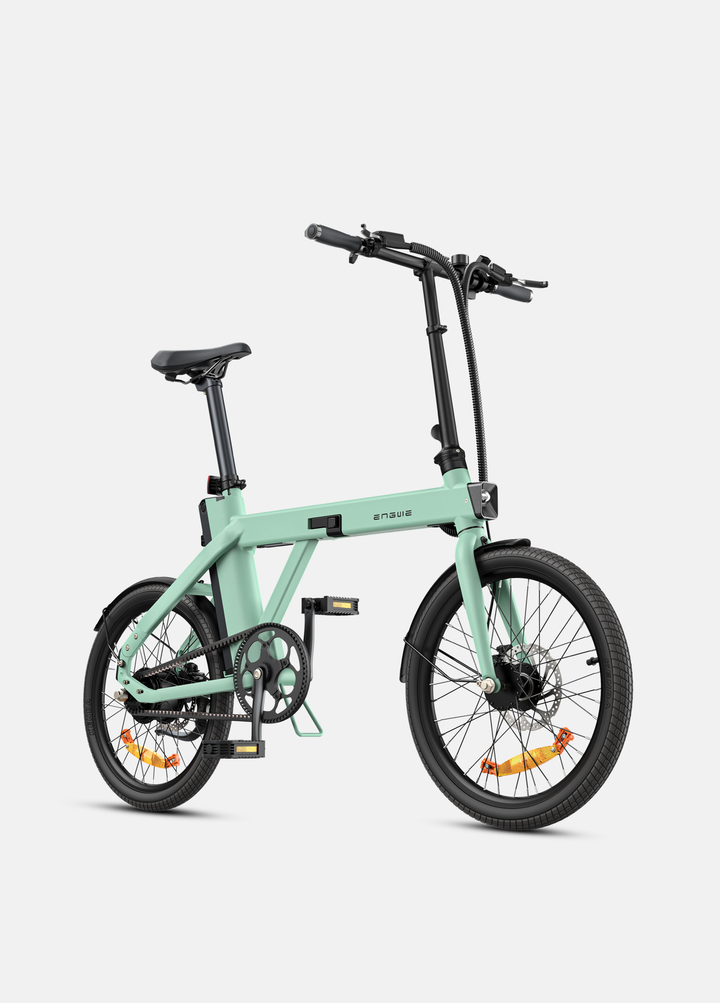
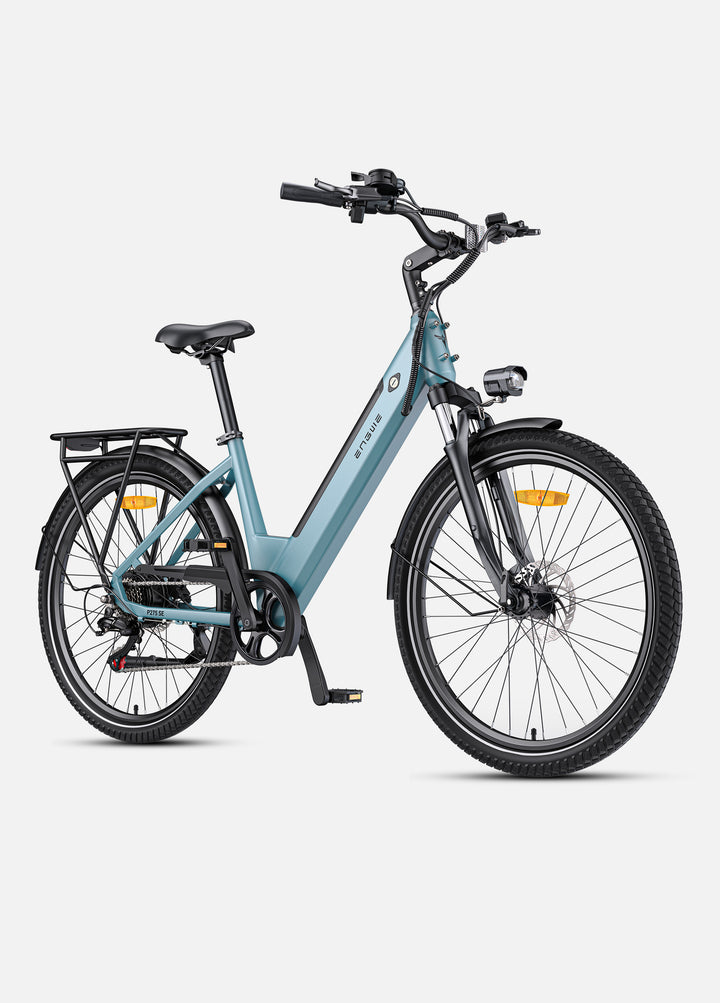
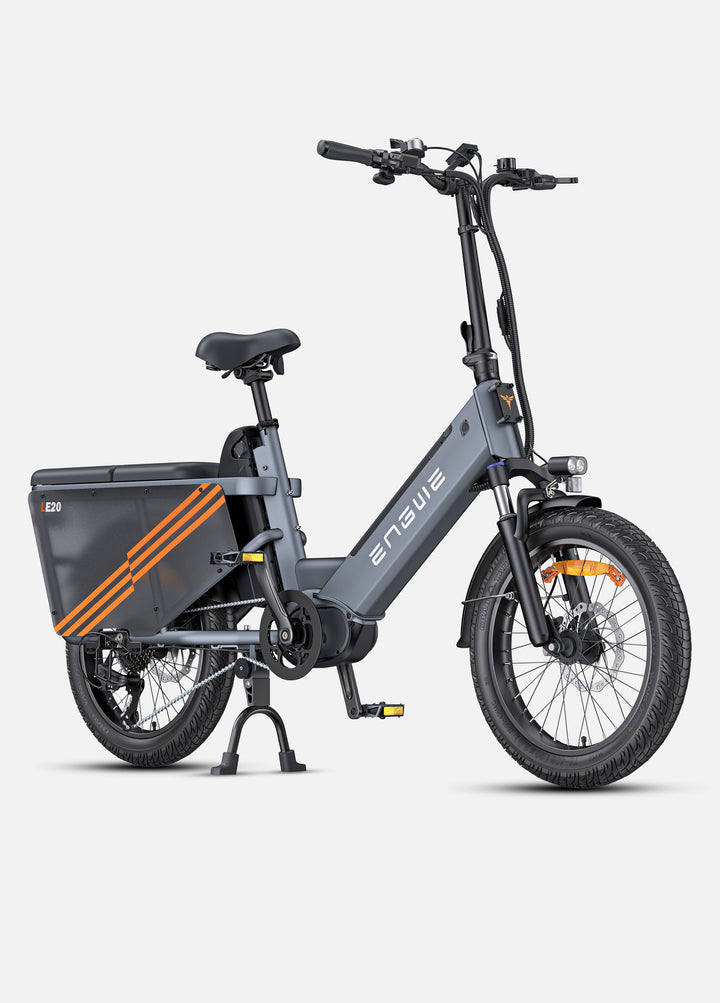
A 72V ebike battery packs a lot of energy, which is why many riders turn to it for longer trips or extra speed. That power is great, but it also means you can’t treat it like a smaller pack. A few wrong habits—like careless charging or poor storage—can shorten its life or even create risks.
This article walks through simple steps that actually matter: how to charge the right way, where to keep your ebike battery, and the everyday practices that keep rides safe.
Why Riders Choose a 72V Ebike Battery
A 72V battery for ebike is often picked by riders who want more than the basics. It gives higher voltage, which means stronger acceleration and better climbing power. For people who ride long distances, an ebike battery 72V can cover more ground on a single charge compared to smaller packs.
That said, extra performance comes with a price: the higher the power, the more careful you need to be. Mistakes in charging, storage, or handling can lead to safety problems. Choosing this battery is not just about enjoying speed or range—it’s also about taking on the responsibility of keeping it safe.

Charging a 72V Ebike Battery the Right Way
Charging a 72V battery ebike sounds simple, but it’s easy to get it wrong. Many riders grab any charger that fits, thinking it will work fine, but that move can shorten the pack’s life or even cause damage. The safest choice is always the one made for your battery.
Where you charge matters too; a cool, open corner is much safer than tossing it on a couch or blanket, which traps heat. And while it’s tempting to leave it plugged in overnight, that habit slowly wears down the cells. In rare cases, it can even spark a fire. A few small changes in routine can keep your battery safer and last longer.
Storing Your 72v Ebike Battery Safely
The way you store a 72V 40ah ebike battery can make a big difference in how long it lasts. Batteries don’t like extreme heat or freezing cold, so aim for a stable, room-temperature spot. Leaving it under the sun or locked in a hot car can quickly damage the cells.
If your bike is sitting unused for a while, don’t store the pack at full or empty charge. Around half capacity is best to keep the chemistry balanced. Choose a dry place indoors, away from moisture and dust. These small habits protect the battery’s health and help you avoid costly replacements later.
Riding Safety with High-Voltage Batteries
A 72V 5000W ebike kit with battery or a 72V 3000W ebike kit with battery isn’t just fast—it’s a serious machine. At that level, a small crash can hit hard. That’s why a helmet and gloves aren’t optional. Pads help too, if you push limits. Skipping gear saves minutes, but it’s not worth the risk.
Speed feels great until the ground changes. Gravel, puddles, or even a hidden bump can throw you off before you realize it. Ride steadily and ease the throttle only where the road feels safe. When you respect the power, you still get the rush—just without the painful surprises that come from pushing too far.

Extending the Life of Your 72V Ebike Battery
Getting the most out of a pack takes a few steady habits. Start with simple care—wipe the case and terminals now and then to keep dust or grime away. A clean battery runs cooler and stays more reliable.
Don’t drain it until it’s nearly dead. Deep discharges put stress on the cells and slowly shorten lifespan. Instead, charge once it dips low, but not empty. Riding in a balanced way helps too. Constant full-throttle runs heat things up faster, while steady use keeps the pack healthy. Riders often say the best 72V ebike battery is the one that’s treated well, because small habits make the biggest difference.
When to Replace or Upgrade Your Battery
You’ll know when a pack is fading. Rides don’t last as long, even on a full charge. That’s not good. Sometimes it heats up more than usual while charging, or it drags forever before showing full bars. Worst case, it won’t hold power the way it once did.
When it reaches that stage, swap it out. And please—don’t toss the old one in the trash. Take it to a shop or recycling point that handles batteries. A new pack gets your range back, while the old one is dealt with safely.
Comparing a 72V Ebike Battery With Lower Voltage Options
A 72V ebike battery offers raw power, but it doesn’t fit EU road rules. In Europe, only setups with 48V batteries, 250W motors, and a max speed of 25km/h are allowed. If you want legal and safe riding, ENGWE’s 48V options make sense. They balance performance, range, and compliance. Here’s a closer look at a few choices.
ENGWE EP-2 Pro Battery
The ENGWE EP-2 Pro uses a 48V 13Ah pack designed for the 13Ah version of the bike. It gives a steady range for daily trips, and charging takes about 5–6 hours. A clean setup, simple to manage, and legal for EU roads. For riders who want more distance, ENGWE also offers a 48V 16Ah rack battery. The bigger pack adds range without stepping outside compliance rules, making it practical for longer rides.

ENGWE Engine Pro 2.0 Battery
The ENGWE Engine Pro 2.0 works with a 16Ah battery, built for more capacity while staying inside EU standards. Charging takes roughly 5.5 hours, but it needs its own 58.8V charger to keep things safe. This pack suits riders tackling hills or longer daily routes, giving dependable support without breaking 48V compliance. It’s a smart option if you want more distance and still plan to ride within EU limits.

ENGWE EP-2 Boost Battery
The ENGWE EP-2 Boost can run on either a 48V 13Ah or 16Ah pack, both designed for steady performance. Charging usually takes 5–6 hours, and the choice between the two sizes lets riders match range to their needs. The 13Ah version is fine for commutes, while the 16Ah option stretches the distance further. Both stay fully within EU rules, offering flexibility for everyday riders who don’t want to worry about legal limits.

Everyday Safety Checklist for Riders
- Give the battery a quick look before riding. Swelling, cracks, or loose parts mean it needs attention.
- Charge only where air can move around. A stuffy corner or closed room isn’t the right place.
- Stick with the original charger. Picking another one because it “fits” is asking for trouble.
- Store it indoors, somewhere dry and steady. Avoid damp walls, heaters, or spots that trap heat.
Conclusion
Strong batteries need smart habits. The best 72V ebike battery will last longer if you avoid deep discharges, charge in safe spaces, and store it at the right temperature. Simple care goes a long way toward safety and reliability.
For riders who want peace of mind on public roads, ENGWE’s 48V e-bikes meet EU rules while still giving plenty of range and comfort. Explore their models if you want safe performance without the stress of compliance issues.
Frequently Asked Questions
Can I use any charger with a 72V battery for ebike?
Some people try, but it’s risky. A 72V battery for ebike is made for one type of charger. Others might fit the plug, yet they throw off voltage and can heat the pack. Worst case? You damage the cells or even cause a fire.
Is a 72V 40ah ebike battery good for long-distance rides?
A 72V 40ah ebike battery can cover long trips. The extra capacity helps, but don’t ride full throttle all the time. Keep speed steady, and you’ll get more distance and less stress on the pack.
What’s the best way to store an ebike battery 72V during winter?
An ebike battery 72V does best inside a room, not in a freezing shed or hot garage. Aim for half charge if it sits unused. That keeps the cells stable until you ride again.