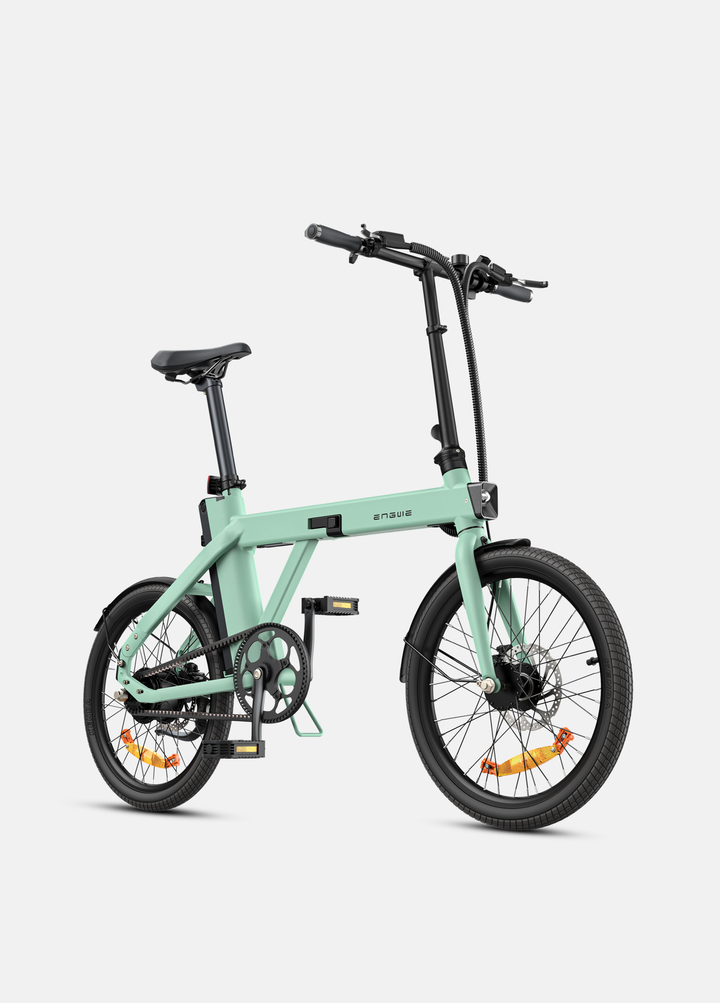
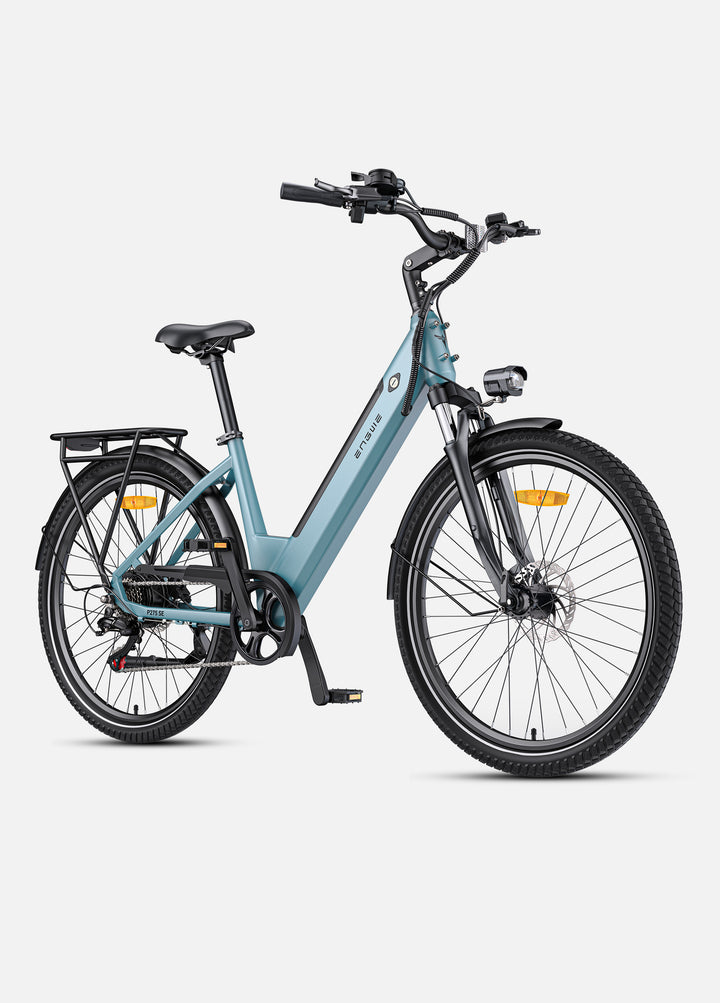
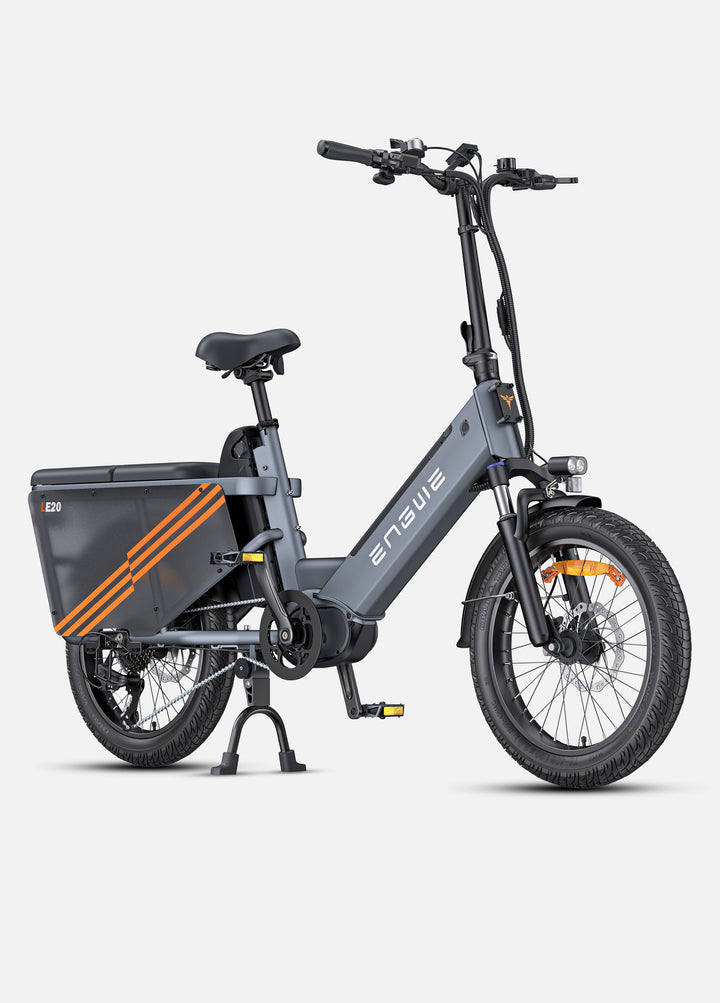
If you’ve ever seen a bicycle glide past with barely a sound, chances are it was an ebike. It’s much like a normal bike, but there’s a little motor tucked in to help when the road tilts uphill or the wind pushes back. You still do the pedaling — it just feels lighter.
Buying one isn’t as simple as picking the color you like. e bike classifications exist for a reason, and they quietly decide how fast you can go, how the motor works, and where you’re allowed to ride. Skip this step, and you might end up with a bike that’s not welcome on your favorite route.
There are three main ebike classes, each with its own mix of limits and benefits. A quick grasp of them now can save you headaches later — and help you get the right ride from the start.What is an E Bike?
An e bike is simply a bicycle fitted with a small electric motor to give you extra help while pedaling. It can make hills, long rides, or windy days easier without removing the need to pedal. Many riders enjoy the balance it offers — still getting exercise, but with less strain and the ability to travel farther or more comfortably.

Types of Ebikes
When you explore the different types of ebikes, you’ll notice that most are grouped into three main classes: Class 1, Class 2, and Class 3. Each class has its own way of working — from how the motor delivers power, to the highest speed it can help you reach, to whether a throttle is available. These differences not only affect how the bike feels to ride but also where you’re allowed to use it.
Why E Bike Classifications Matter
Most riders don’t think much about electric bicycle classes until they hit a rule they didn’t know existed. These categories aren’t just for show — they’re the reason some bikes are welcome on a park trail, while others are kept to the road. Governments use them to control speed and motor limits, and manufacturers build their models to fit within those lines.
The type of ebike you ride can open doors or close them. A Class 1 might roll smoothly through bike lanes and forest paths, but a more powerful model could be stopped at the entrance. Knowing which is which saves you from awkward moments and possible fines.
There’s also the safety angle. Clear limits on speed reduce accidents in crowded spaces. Some areas add helmet or age rules for certain classes, and even insurance companies may check your bike’s category before offering coverage.
Class 1 Ebike
Class 1 is the most straightforward kind of electric bike. It runs only on pedal assist — there’s no throttle to carry you forward. The motor helps when you pedal and switches off as soon as you ease up or stop. In Europe, that assistance is limited to 25 km/h; in the US, it’s 20 mph. With these limits, Class 1 bikes are generally allowed on bike paths, shared lanes, and most public roads.
ENGWE P275 ST
The ENGWE P275 ST is a reliable Class 1 commuter ebike, built for smooth city rides and long-distance comfort. It combines strong performance with practical features, all while staying within Class 1 limits for easy, legal use.
Key Features:
-
250W Ananda mid‑drive motor with 70Nm torque for a steady, natural pedal boost.
-
Samsung battery offering up to 260 km range in Eco mode for fewer charging stops.
-
Hydraulic disc brakes for confident, consistent stopping power.
-
Step‑through frame for easy mounting and dismounting.
-
Fully compliant with Class 1 ebike rules, giving access to most cycling routes.

Class 2 Ebike
A Class 2 ebike comes with two ways to ride — pedal assist and a throttle. You can pedal for extra push, or just twist the throttle and let the motor move you. The assisted speed is the same as Class 1 — 25 km/h in Europe and 20 mph in the US. A throttle makes it easier to get moving from a stop, tackle steep hills, or handle extra weight. Some bike‑only areas, though, don’t allow throttle use.
ENGWE EP‑2 Boost
The ENGWE EP‑2 Boost is built for riders who want more than one way to power their ride. It folds down for storage, handles city streets and rough paths, and still fits within Class 2 rules in most places.
Key Features:
-
250W motor with torque sensor — smooth power whether pedaling or using the throttle.
-
Up to 120 km range so you ride more and charge less.
-
All‑terrain fat tires for better grip on mixed surfaces.
-
Folding frame that packs away quickly and is easy to carry or store.
-
Meets all Class 2 ebike requirements, so you can use it in a variety of riding environments.

Class 3 Ebike
A Class 3 ebike uses pedal assist, and in some regions, it may also include a throttle. It offers a higher assisted speed than Class 1 or Class 2, though in the EU the speed is capped at 25 km/h to meet legal requirements. These bikes are often chosen for longer commutes or faster urban travel. In many areas, you’ll also find extra rules, such as mandatory helmet use or a minimum rider age.
ENGWE E26
The ENGWE E26 is built for riders who want comfort and performance over long distances. With dual suspension, fat tires, and a durable frame, it’s ready for city streets, country roads, and light off‑road routes — all while staying compliant with Class 3 requirements in regulated regions.
Key Features:
-
250W hub motor with 70Nm torque for confident climbing and steady speed.
-
Up to 140 km range in pedal‑assist mode for extended rides.
-
Dual suspension system and 26‑inch fat tires for stability on rough terrain.
-
Hydraulic disc brakes for reliable stopping in all weather conditions.
-
Integrated cargo rack for carrying up to 25 kg, ideal for commuting or errands.
-
Fully compliant with Class 3 ebike rules where applicable.

Choosing the Right Ebike Class for You
Finding the right fit in the different e bike classifications depends on where and how you plan to ride. Look at your routine — maybe it’s short rides through the city, weekend trips for fun, or a daily commute that covers more ground. The way you ride, the terrain you face, and the distance you cover most often will help you decide.
For those who stick to flat, easy paths, a slower option in the electric bicycle classes is usually all that’s needed. For hilly routes or carrying extra weight, a bike with throttle support could make the ride easier. Riders aiming for speed and efficiency over longer distances might prefer the top tier in electric bicycle classes, provided it’s legal in their area.
Your fitness goals also play a role. If you want more of a workout, choose a class that relies heavily on pedal assist. Finally, check local regulations before buying — the right choice should not only suit your needs but also keep you within the law.
Conclusion
When you understand e bike classifications, picking the right bike feels much simpler. Each class serves a different kind of rider. A class 1 ebike sticks with pedal assist, perfect for steady and relaxed trips. A class 2 ebike adds throttle control, making hills and heavy loads easier to handle. A class 3 ebike is meant for longer rides and a bit more speed, while still staying inside legal limits.
Before you buy, check the rules in your area — a small step that can save you a lot of hassle later.
Ready to see what’s out there? Take a look at ENGWE’s electric bikes and find the one that’s right for your rides.
Frequently Asked Questions
What is a Class 1 ebike?
This is basically your entry‑level electric bike. No throttle, no fancy tricks — just a little motor help when you pedal. Once you hit about 25 km/h, the boost stops. You’ll often see these cruising on shared paths or bike lanes without any issue.
What is a Class 2 ebike?
Here, you get options. You can pedal and get an extra boost, or skip pedaling and let the throttle move you. It’s a lifesaver on steep hills or when you’re carrying something heavy. Just keep in mind that throttle rules can vary depending on where you ride.
What is a Class 3 Ebike?
A Class 3 ebike uses pedal assist and can reach higher assisted speeds than Class 1 or Class 2 models. It’s often chosen for longer commutes or faster city travel.
Do different ebike classes have different legal rules?
Definitely. The details shift from place to place — speed caps, helmet rules, age limits, even throttle bans. Knowing the different e bike classifications before you buy means you’ll know exactly where you can ride without a problem.