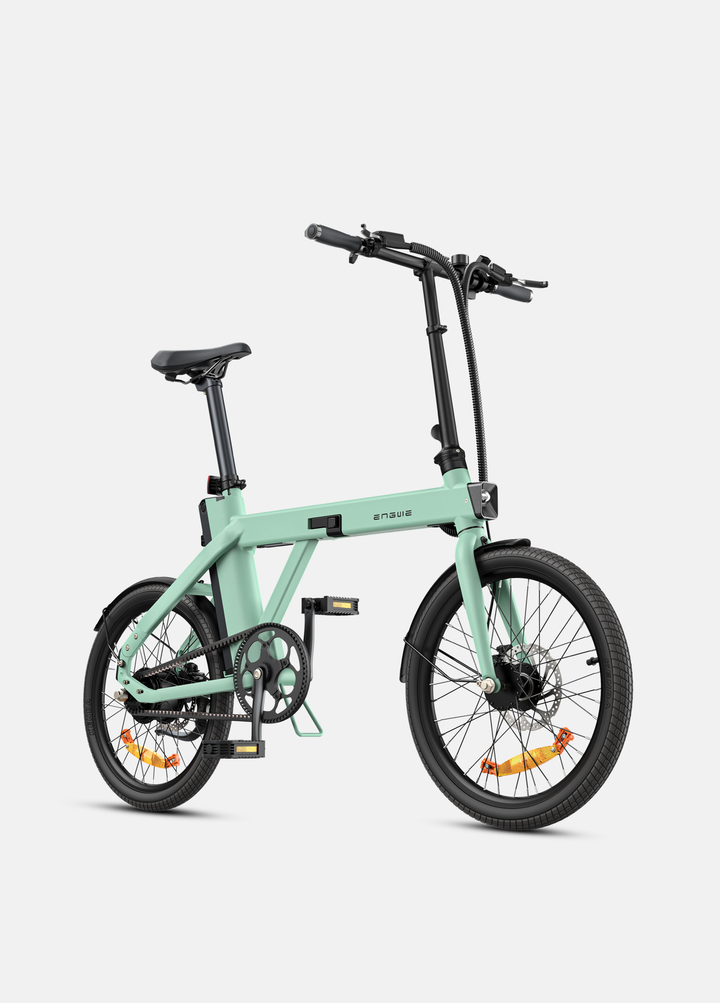
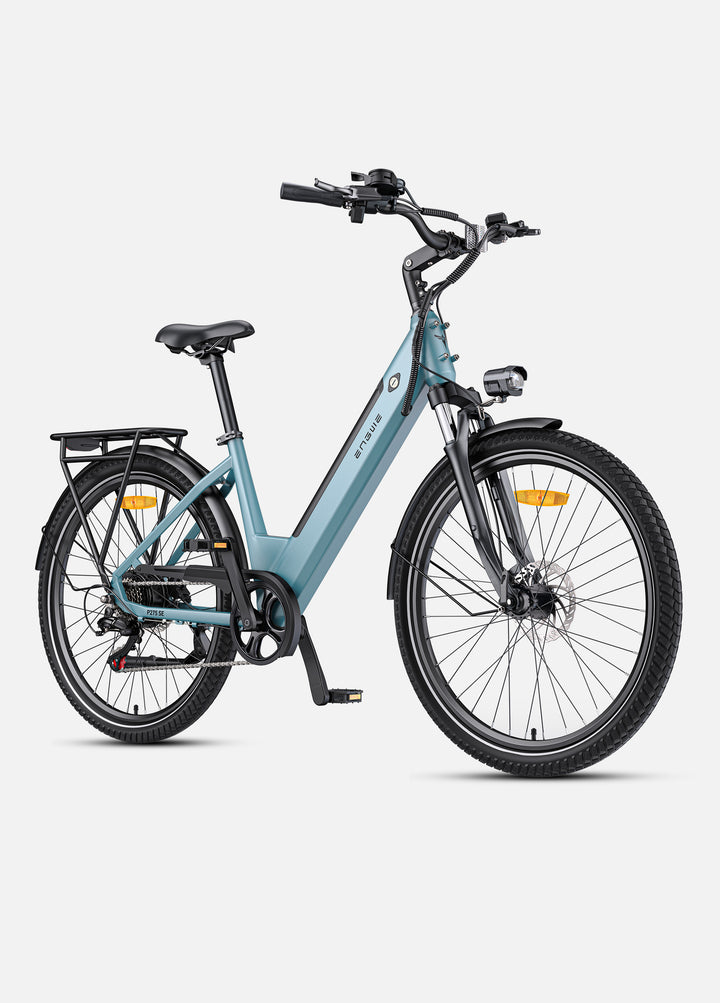
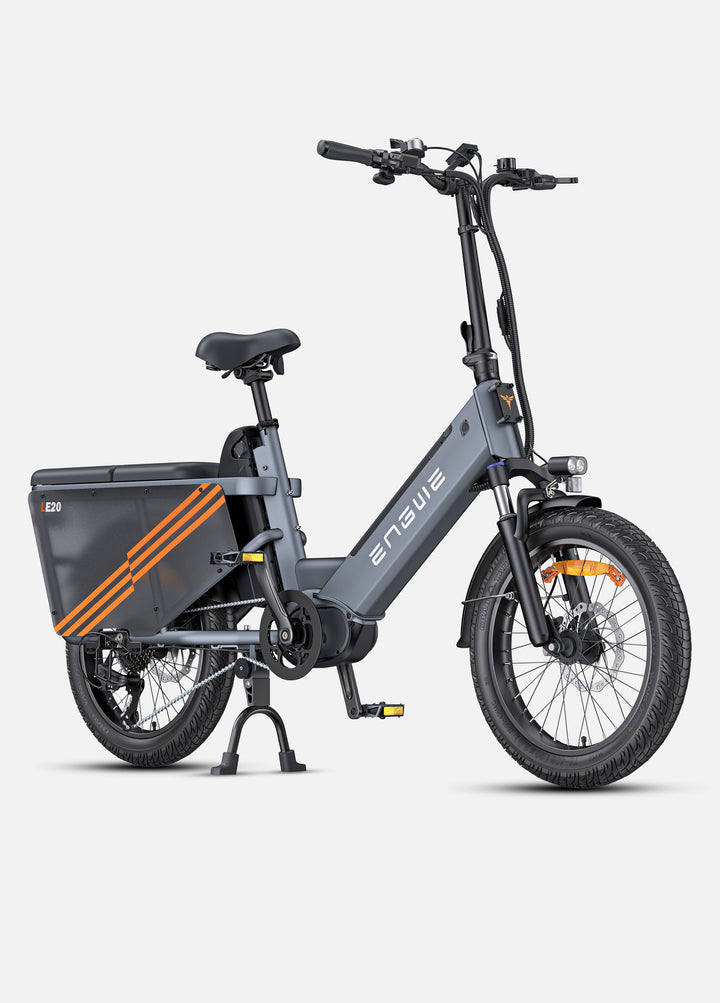
A class 1 electric bike is the simplest and most widely accepted type of e-bike. It only works with pedal assist, meaning the motor activates when you pedal.
The class 1 electric bike definition sets the speed limit at 20 mph. Once you stop pedaling, the motor stops too. This makes it safer and easier to control compared to throttle-powered models. If you’re asking what is a class 1 ebike, it’s simply a bicycle with a motor that helps only when you pedal. The class 1 ebike definition is simple: pedal assist only, no throttle.

Class 1 Ebike Features Explained
To understand why a class 1 electric bike is so popular, let’s look at its key features that shape the riding experience.
Pedal-Assist System
A class 1 ebike uses pedal assist only. This means you stay active, while the motor gives you an extra push. It feels natural, like riding a regular bike, but with less strain. Riders often find it smoother and safer than throttle bikes.
Speed and Range
The motor cuts off once you reach 20 mph. While you can go faster by pedaling hard, the assist won’t push you past the limit. Many of the best class 1 electric bikes also have solid battery life, making them perfect for commuting and casual rides.
Accessibility and Laws
Since class 1 bikes lack throttles and stay under 20 mph, they are allowed on most bike lanes, city roads, and even natural trails. That’s why they are often recommended as the best class 1 electric bikes for beginners and commuters.

Class 1 vs Class 2 vs Class 3 Electric Bikes
Ebike class 1 2 3 are split into three main groups . The difference is in how the motor works, the top speed, and where you’re allowed to ride.
Class 1 vs Class 2 Electric Bike
A class 1 electric bike only helps when you pedal. The motor stops once you hit 20 mph. A class 2 ebike also stops at 20 mph, but it comes with a throttle. That means you can ride without pedaling if you want, almost like a small scooter.
Class 1 vs Class 3 Electric Bike
A class 3 electric bike gives pedal assist up to 28 mph. It’s faster than a Class 1, but some trails and bike paths don’t allow it. If you only ride in the city or on shared paths, Class 1 is safer and easier. If you want more speed for roads, Class 3 may fit better.
Full Comparison: Electric Bike Class 1 2 3
Here’s a quick breakdown of class 1 2 3 electric bikes:
|
Class |
Assist Type |
Speed Limit |
Where You Can Ride |
|
Class 1 |
Pedal assist only |
20 mph |
Roads, bike lanes, most trails |
|
Class 2 |
Pedal + throttle |
20 mph |
Roads, bike lanes, some trails |
|
Class 3 |
Pedal assist only |
28 mph |
Roads, bike lanes (trails often restricted) |
This table clearly shows the difference between class 1 2 and 3 electric bikes clearly. If you’re asking what are class 1 2 and 3 electric bikes, they are simply categories that separate e-bikes by speed and motor assist. A class 1 vs class 2 vs class 3 electric bike choice depends on your riding style and local rules.
Best Class 1 Electric Bikes in 2025
If you want a bike that is legal, safe, and easy to ride, a class 1 electric bike is the best choice. These best class 1 ebikes only help when you pedal, so they feel natural and are allowed on most roads and trails.
Aventon Pace 350
The Aventon Pace 350 is a simple bike made for daily city rides. It is smooth, steady, and one of the best picks if you are new to e-bikes. Many riders like it because it’s affordable and easy to control.
Features:
- Pedal assist up to 20 mph
- Upright seat for comfort
- Battery that lasts for short commutes
- Budget-friendly price

Trek Verve+
The Trek Verve+ is built for people who want comfort above all. It has wide tires and an easy step-through frame, which makes it safe and stable even for older riders. It works well on both city streets and light trails.
Features:
- Pedal assist limited to 20 mph
- Step-through frame for easy use
- Upright handlebars for relaxed riding
- Wide tires for extra grip

Specialized Turbo Vado SL
The Specialized Turbo Vado SL is a sporty bike made for riders who want speed and fitness. It is light, quick to handle, and great for longer trips on city roads. This is a premium option for those who want more than just a commuter.
Features:
- Pedal assist up to 20 mph
- Slim and lightweight frame
- Shimano gears for smooth shifting
- Works well for long-distance rides

ENGWE P275 ST
The ENGWE P275 ST is one of the most popular ENGWE electric bike models for everyday use. It has a step-through frame, a strong battery, and smooth pedal assist, making it perfect for going to work or running errands. It’s a solid choice if you want comfort and long range in one bike.
Features:
- Class 1 pedal assist up to 20 mph
- Step-through frame for quick mounting
- High-capacity battery for longer rides
- Quiet motor for smooth trave

Conclusion
The class 1 electric bike is the most accessible type of e-bike. With pedal-assist up to 20 mph and broad legal acceptance, it’s ideal for commuting, fitness, and casual rides. Whether you choose an ENGWE ebike or another brand, Class 1 models deliver a safe, smooth, and legal riding experience.
Frequently Asked Questions
What is a class 1 electric bike?
A class 1 electric bike only works with pedal assist. The motor kicks in when you pedal and stops at 20 mph. It has no throttle and is the most accepted e-bike type.
Do you need a license for a class 1 ebike?
No license is required for a class 1 ebike. It is legally treated as a bicycle in most regions, meaning no registration, plates, or insurance is needed to ride it.
Where can you ride a class 1 ebike?
You can use a class 1 ebike on public roads, bike lanes, and most shared trails. These bikes are widely allowed because they are slower and safer compared to higher-class e-bikes.
What’s the difference between class 1, 2, and 3 electric bikes?
Class 1 has pedal assist only, limited to 20 mph. Class 2 adds a throttle, also capped at 20 mph. Class 3 uses pedal assist but reaches 28 mph, which often limits trail access.