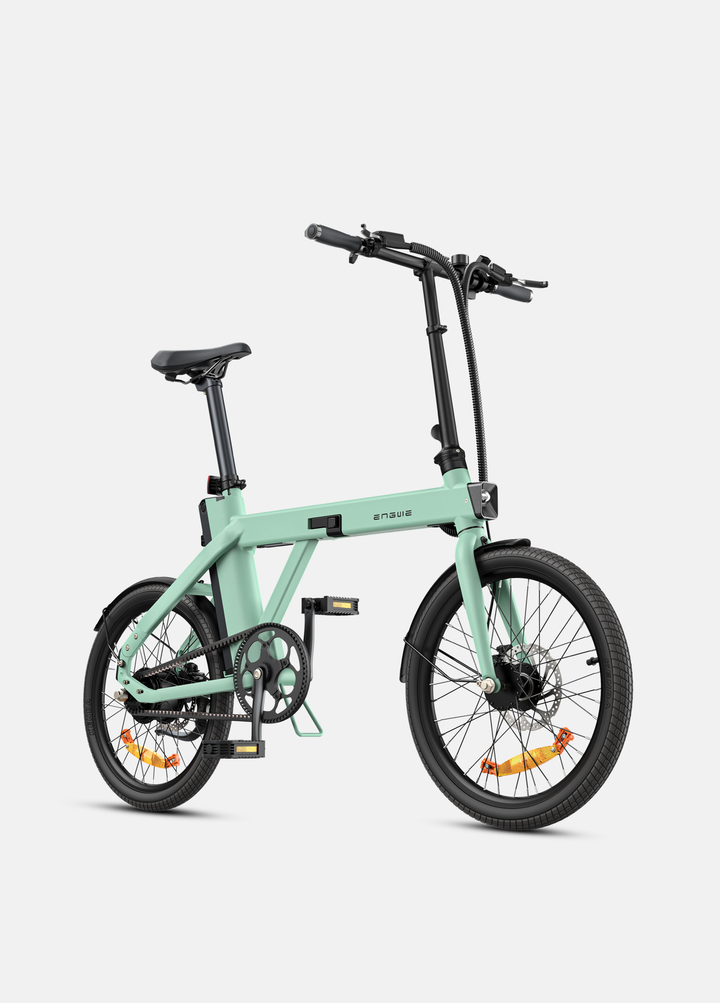
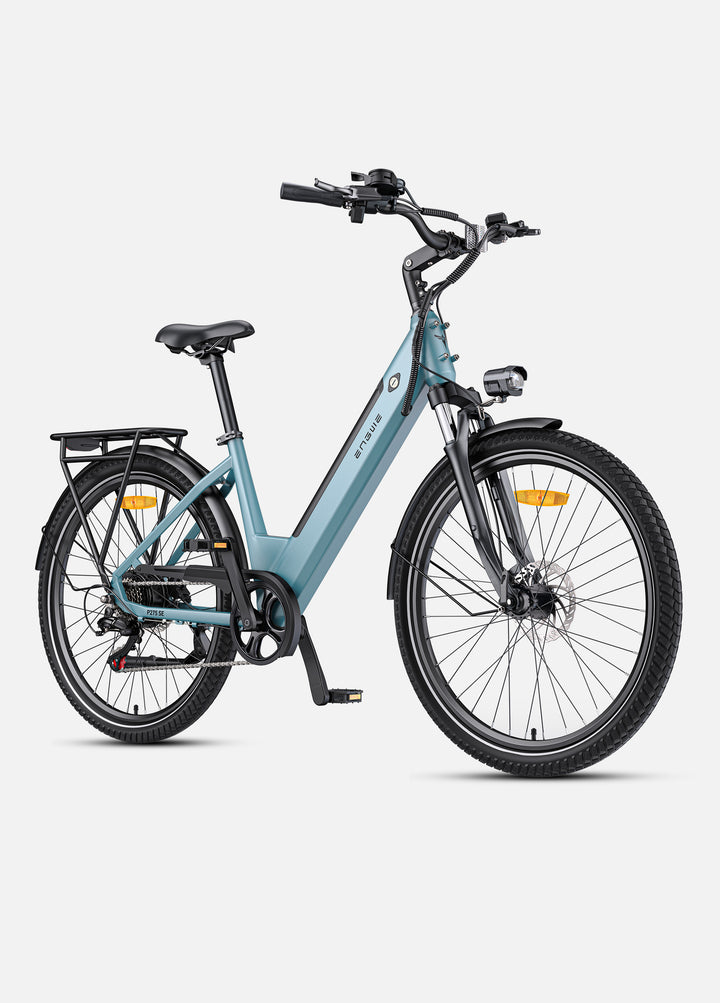
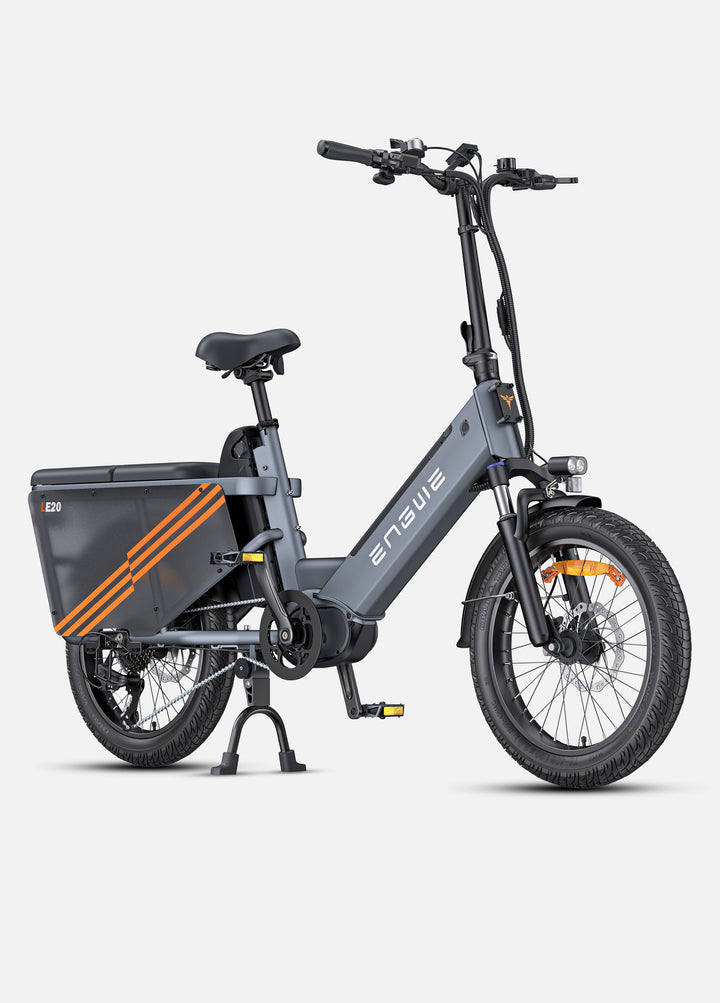
There is no doubt that the electric bike revolution has drastically altered the daily lifestyle of a vast number of people. They have changed the way we commute, exercise, and even explore the world around us. A significant part of this transformation is the extremely simple yet highly advanced technology called ebike pedal assist.
Learning about this technology can help you make better choices when buying your next bike. It will also let you enjoy every ride, whether on the road or off the trail.
Understanding the Basics of Ebike Pedal Assist
A pedal assist ebike, or Pedal Assist System (PAS) is a game-changer that electric bikes use to help riders with power. A throttle or grip system can move the bike forward without pedaling. In contrast, an ebike with pedal assist only works when the rider pedals. Then, the electric motor provides support. This difference may seem small, but it creates a completely different ride. The rider gets physically engaged and enjoys electric help at the same time.
Simply put, a pedal-assist ebike is mainly aimed at helping you improve your pedaling power rather than doing it for you. When you start pedaling, the sensors in the pedals detect your movement. They quickly send a signal to the bike's motor controller. The controller decides how much help to provide. Based on the motor output, it delivers the right amount of power. The rider's input and the motor's output work together. This creates a smooth, intuitive ride that feels natural and responsive.

The idea of using pedal assist only ebike is quite different from other methods of electric bike assistance. The main point isn't to let riders simply coast by and rely on the motor alone; by pedal assist, the users are encouraged to use their muscles more actively. These effects extend to battery efficiency, legal definitions, and the cycling experience as a whole. Many people see pedal assist as a way to connect more with the environment. It also helps them notice changes in bike movement, making cycling trips more interactive.
The Technology Behind Ebike Pedal Assist Sensor Systems
Pedal assist is basically magic conferred on you by the highly advanced sensing technology that keeps track of your pedaling anytime you are pedaling. An ebike pedal assist sensor contains different parts that must be flawless and fully functional at the same time. If you know these parts, you will understand engineering, the beauty of which is that it allows modern e-bikes to become a reality.
Normally, the sensor is attached close to the pedal area or the bottom bracket of the bicycle. Its main role is to identify the pedaling activity and send this information to the motor controller. The controller is like the brain of the bike; it receives the data from the sensor, calculates, and in a few seconds decides the motor power output. At the same time, the electric motor, which is generally either in the wheel hub or the pedal area, will be delivering the power for the boost.

The source of energy that powers everything is a rechargeable battery. Most modern electric bikes use lithium-ion batteries. These batteries are powerful and lightweight. How far you can travel before you have to recharge the battery depends on the battery's capacity. The controller checks the battery voltage during your trip. It also manages the power output. This keeps the battery life and performance balanced.
The display screen that is attached to your handlebars represents the interface between you and the system. The location is key to your ride. You track your speed, check your battery charge, and set your assistance level. Electric bikes offer various levels of assistance. You can choose a low, eco-friendly mode for longer rides. For steep hills, there are high-power boost modes that make climbing easy.
Two Types of Sensors: Cadence and Torque
Not turning on the ebike pedal assist sensor is harmful to the motor of an Ebike.
Cadence Sensors
Cadence sensors are also called pedal cycle sensors. They use magnets, which are positioned on the crankset, to determine whether you are pedaling and how quickly. One signal is sent when the magnet passes the sensor. Signals happen more often when you pedal faster. The controller sees this as a higher pedaling cadence or speed.
Cadence sensors operate in a very simple way, similar to an on/off switch. When they sense that you are pedaling, they turn on the motor at the same level of power that you have set on your display. The motor keeps running at that power output for as long as you are pedaling, no matter how much force you are actually exerting.

So, if you have backup selected at the highest level, you could pedal softly and still get full assistance. E-bikes fitted with a cadence sensor are usually less expensive because this technology is simpler and has been in use for a longer time.
Torque Sensors
Torque sensors mark a more sophisticated level of tech for pedal assist. Unlike traditional ones that only indicate if you're pedaling, these measure the exact force or pressure you apply to the pedals. They basically do this through very accurate strain gauges that are installed in the bike's crankshaft or bottom bracket area. You increase your torque level by pedaling more forcefully, and in return, you get more motor assistance.
With your effort and motor assistance in a nice proportion, you get a very natural and intuitive riding experience. It resembles a tailwind that gets stronger when you put in more effort and weaker when you relax. Riders say that bikes with a torque sensor feel closer to regular bicycles, but much more powerful.

Best Pedal Assist Ebike Features to Look For
Finding the best pedal-assist ebike for you means spotting key features. Some of these can clearly set a great bike apart from an average one.
If funds allow, think about getting bikes that are fitted with torque sensors. The riding experience is noticeably better, and battery usage is more efficient, so if you ride regularly, the extra money makes sense. The ENGWE EP-2 Boost shows this well. It offers responsive torque-sensor assistance at an affordable price.


Pay close attention to motor power and battery size. For a typical rider, a 250-watt motor coupled with a battery that can last for 80+ miles is a good minimum standard. This combination is capable of dealing with hills and still offers a great range for daily use.
Having various levels of assistance available enables you to use the bike in different situations. With a five-level configuration, you are able to balance range and power in whichever way is most suitable during the course of your ride. Thus, being in eco mode on the flats and then switching to sport mode for the hills will give you the best energy efficiency.
It is very important to have quality control systems and use good building materials, too. Companies that focus on high-precision engineering offer strong, durable components. These machines are more reliable and can last longer.
How Ebike Pedal Assist Works: The Complete Process
Understanding the process shows just how advanced today’s e-bikes are in responsiveness. The process is quick and invisible to the naked eye. But if you break it down, you’ll see it involves a lot of complex technology.
The sensor detects motion almost right away, within a few milliseconds, after you begin pedaling. Technically, for a cadence sensor, it's just a magnet passing a detector that's being recognized. On the other hand, a torque sensor at the same time will measure the amount of force that is being used. The information from the sensor is sent via a cable to the motor controller.
The controller has been given specific parameters depending on your chosen level of assistance. For instance, if you are in eco mode with the least assistance, the controller will use less motor power than if you were in sport or turbo mode. The controller takes the sensor input together with your mode selection to figure out the exact motor output required.
The motor starts in a very gentle way, and the assistance is gradually increased. In the case of torque sensors, this gradual increase is in proportion to your muscle power. For cadence sensors, it's adjusted to your preset level. You keep on moving forward, and the boost is almost instantaneous. The system always watches for changes. If you pedal harder, the assistance might increase. If you stop pedaling or coast, the motor will disengage.

The nonstop feedback loop runs hundreds of times each second. This makes the assistance feel normal and smooth, instead of sudden or artificial. The newest controller models are smartly made. They ensure a smooth ride by checking the ground, your pedaling speed, and battery level all at once.
Class 1 Pedal Assist Ebike: Legal Standards
Electric bikes in various jurisdictions, especially in North America and now more and more in Europe, are often regulated into different categories depending on the kind of assistance and the top speeds allowed. The class 1 pedal assist ebike is the most typical and most accepted negative standard e-bike category.

A Class 1 e-bike means that the motor only helps when the rider pedals. The support from the motor stops at 20 miles per hour (32 kilometers per hour), and after that, your leg power becomes the determining one. Class 1 bikes are not allowed to have a throttle function—the only way to get help is via the pedal input.
The Advantages of Pedal Assist Over Throttle Systems
It is true that such ebike with throttle and pedal assist combination systems that allow flexibility exist, but by understanding the advantages of pure pedal assist systems, you can make a better purchasing decision.
Pedal assist systems are, by their nature, more efficient in using battery power. Since the motor functions only when you pedal and, especially with torque sensors, only provides assistance proportional to your pedaling effort, it follows that less energy is wasted. This efficiency translates into longer rides on a single battery charge as compared to throttle-based systems that deliver power continually, irrespective of your pedaling.
What Happens When the Ebike Pedal Assist Not Working
Knowing common problems of pedal assist systems enables you to repair the problems fast, or when you know it is time to bring the bike in for professional servicing. There is more than one reason behind an ebike pedal assist not working, and each has different ways of solving it.
Without battery power, the system cannot operate. So make sure your battery is charged and properly connected before assuming that there is a different issue. If connection points are corroded, cleaning them with a soft cloth will solve the problem.

Some of the most frequent sensor issues are effectively stomping on the pedals, the lack of, and the drift as well. In case your sensor is not getting the right signals, getting dirty, or being damaged, it will fail to detect pedaling. The magnet should be about 3 millimeters away from the sensor. To get rid of dirt, mud, or water, clean the sensor gently.
Another thing that can cause the pedal assist system to freeze is wiring and connection issues. Examine all the visible wires you have, especially those leading to the sensor, controller, and motor. Reconnect any loose connections by pressing them together firmly.
The motor controller could be the culprit in a pedal assist system failure, and the best solution will be to reset it. To reset your motor controller, disconnect the battery, wait for a while, and then reconnect it. For more detailed reset instructions, please refer to your bike's manual.
Key Takeaway
In conclusion, e-bike pedal assist technology helps you stay active while cycling. It supports your rides and boosts your overall experience. Getting to know pedal assist systems with cadence and torque sensors will help you choose what fits your needs.
Pedal-assist bikes offer great benefits. They provide better battery performance and a more natural riding feel. That's why many people now prefer them for commuting and recreational cycling. You can use this technology for longer, more interactive rides. It also helps you connect with nature around you.
Frequently Asked Questions
What is pedal assist on an ebike and a throttle ebike?
Pedal assist means the motor kicks in only when you pedal. Throttle control, on the other hand, lets the motor start without pedaling. Pedal assist systems use power efficiently. They provide a more natural control feel. The motor power increases as you pedal harder. Throttle systems provide instant power, but they drain batteries quickly. They also face more legal restrictions in many areas.
Can I adjust my ebike pedal assist level while riding?
Yes, practically all recent pedal-assist ebikes feature a system for you to regulate your assistance level when you are cycling. A tradeoff on the handlebar in the form of a small screen allows you to raise or lower assistance with the help of button presses. This freedom lets you keep the assistance low on flat stretches. Then, you can increase it when going uphill or riding against the wind.
Does pedal assist on an ebike really extend my range compared to riding without assistance?
Certainly, using a pedal assist helps you go much further by splitting the work between your legs and the electric motor. On the efficiency setting, most people can cover two to three times the distance of a traditional bike on just one battery charge. The distance you can cover additionally depends on the terrain, the weather, and the assistance level you choose.
Why do some ebike with pedal assist models cost more than others?
Price variations come from differences in sensor quality, motor power, battery capacity, and overall build quality. Torque sensors are generally more expensive than cadence sensors, but they also give a better riding experience. Bigger batteries increase the range, and more powerful motors allow you to climb hills more easily. High-end frames and components enhance both durability and comfort.
What is pedal assist ebike maintenance compared to traditional bikes?
Pedal-assist ebikes need regular bicycle maintenance. This includes checking tire pressure, lubricating the chain, and adjusting brakes. They also require electrical care. The battery should be kept clean and stored in a place with moderate temperatures.
You should also regularly check the wiring connections for rust and keep the sensors free of dust and dirt. Most repairs are as simple as those on regular bikes. However, for serious electrical issues, you may need professional help.