Dogs are humans’ loyal friends. They help us relieve stress at home, and some people also carry them when travelling for a more enjoyable experience.
Riding with your pet friend is a simple pleasure, but it can turn into an ordeal if you do not prioritise safety. While travelling with a dog in a vehicle is usually safe, carrying a dog on bicycle or a cargo e-bike requires extra precaution.
In this guide, we will provide you with helpful information gained from hands-on experience to carry a dog safely when riding a bicycle. Let’s get started.
Is It Safe to Use a Dog Carrier for a Bike?
A bike carrier is usually safe, but simply using a carrier is not enough to confirm the pet's safety. You need to choose the right carrier depending on your dog's size and weight and install it correctly to minimise any potential risks. The modern e-bikes have improved the safety margin for our canine friends as they are more stable, powerful, and can handle the extra weight with smooth acceleration.
Some vets recommend a pre-ride health check on all dogs, especially those of brachycephalic breeds, old age, or puppies with developing joints. The dog's safety also depends on how well you protect it in harsh weather and control the bike under challenging circumstances.
Studies indicate that most accidents happen not because of equipment failure but due to the wrong carrier installation or the owners' carelessness.

Types of Dog Carrier Cycling Options for Bikes
There are several types of dog carriers you can consider. Each has its own features and advantages.
Dog Bike Trailers
A dog bike trailer attaches to the rear axle of your bike. Modern trailers are the safest choice for medium to large dogs or for longer journeys, with many of them capable of carrying over 100 pounds. Their low centre of gravity improves the stability compared to basket options, and the enclosure protects the pet against harsh weather and road debris.
Many 2025 models also have suspension systems, waterproof covers, and safety tethers that clip onto a harness rather than a collar. Some versatile options also convert to strollers for easy carrying of the dog. Although the bike trailers can be expensive and require more storage space, their safety features make them an ideal choice for people who often ride with their puppies.
Rear Frame Baskets
The rear baskets provide a stable platform for dogs weighing around 40-50 pounds. Their ability to be fitted at the back means there will be no interference with the bike's handling, which is a common issue with front-mounted options. However, correct installation is essential for maximum safety.
Many modern rear baskets come with integrated harness attachment points, non-slip flooring, and several other comfort features to make carrying a dog on bicycle simpler. The only real challenge is keeping track of what your pet is doing while you ride the bike. This is a good option for dog owners whose pets do not need visual reassurance all the time.
Front Handlebar Baskets
Their biggest downside is the interference with the bike's handling. Front baskets put extra weight on the front wheel, which can impact the steering precision. In addition, they offer minimal protection against the sun or rain. They are also not compatible with bikes that have drop handlebars.
Consider all these factors before installing a front basket on your handlebars.
Bike Seats
These seats are installed over the bike's top tube to keep the dog locked in between the rider's arms. Bike seats can carry dogs weighing 25 pounds or less. They also come with harnesses and padded surfaces for comfort.
The central position allows for easy monitoring and interaction while keeping the dog securely restrained. In contrast to front baskets, these seats do not interfere with steering, and unlike trailers, they do not add much width or length to a bike's profile. They do require compatibility with the bike's frame and may not fit a step-through design.
How to Choose the Right Dog Carrier For My Bicycle?
It depends on the size and temperament of your dog. Enclosed trailers are suitable for dogs that feel anxious during rides, while a confident dog that enjoys bike rides will like a front basket more.
Your bike type matters as well when choosing a dog carrier.
E-bikes offer assisted power to easily carry the weight of the carrier and the dog. On the other hand, manual pedalling can exhaust you, especially if your dog is big and heavy. This makes e-bikes a safer and more comfortable platform for carrying dogs. Just make sure the dog carrier you choose is compatible with your bike's design.
Best E-Bikes for Carrying Dogs
Taking comfort and safety into consideration, we have selected the following two electric bicycles that can carry dogs.
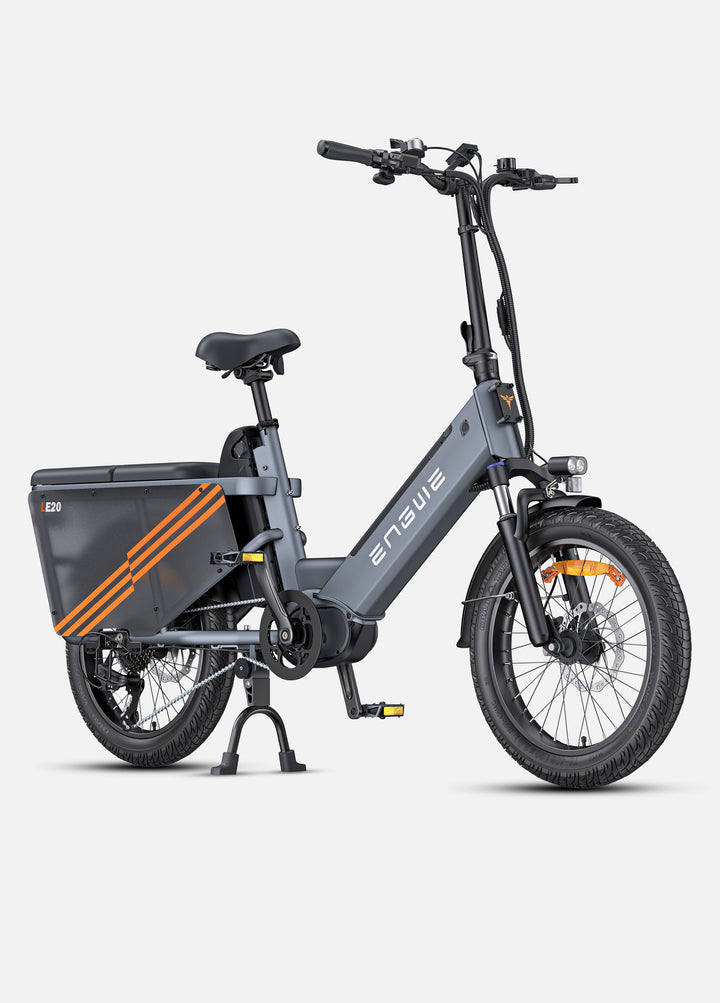
ENGWE LE20
The ENGWE LE20 is an excellent dog transportation machine with a 6061 aluminium alloy frame to dampen vibrations for the comfort of the dog. Its 75Nm of torque delivers smooth and stable riding, powerful enough to offer smooth acceleration despite the additional weight of the dog and the carrier.
The ENGWE LE20 has a step-through frame and puncture-proof tyres, while its hydraulic disc brakes perform well even under extra load. The frame has mounting points for rear racks that are essential for mounting a basket. It also supports most trailer hitch systems without the need for modifications.

ENGWE L20 3.0 Boost
The ENGWE L20 3.0 Boost comes with an adjustable hydraulic fork suspension and 30mm of rear travel to absorb road vibrations and impact shocks for your dog's comfort.
The 48V hub motor delivers 75Nm torque with smooth power, while its IPX7 waterproof wiring and IPX6 display and lights allow you to ride comfortably under different weather and light conditions. The additional waterproofing on the engine and battery box creates a fully safe setup against wet roads as well.

Specifications at a Glance
|
Spec |
ENGWE LE20 |
ENGWE L20 3.0 Boost |
|
Capacity |
200 kg |
150 kg |
|
Torque |
100 Nm |
75 Nm |
|
Suspension System |
Front suspension only |
Full suspension |
|
Battery |
48V 19.2 Ah |
48V 13.5 Ah |
|
Range |
175 km (single battery) |
135 km |
|
Bike Weight |
36.8 kg (single battery) |
33.3 kg |
|
Price |
€2,095 |
€1,499 |
Common Mistakes to Avoid in Dog Carrier Cycling
Lack of acclimation is a common mistake. Make your dog familiar with the carrier before riding with it. Start the process with brief sessions at the parked bike, then do a couple of short rides that gradually increase in length. Watch for any signs of stress and move at the dog's pace.
Always attach the safety tether to a snug-fitting harness - never to the collar, as this may pose a choking hazard in case of sudden bumps. The tether should allow your pet to sit up comfortably or lie down, but it should not allow the dog to jump or fall out.
Dogs are vulnerable to heat. Temperatures that are comfortable for us are not always comfortable for dogs. Avoid riding when it is above 80°F (27°C), and take regular water breaks in between rides to keep the dog hydrated.
Conclusion
The combination of advanced, specialised carriers with the power and stability of modern tech makes carrying a dog on bicycle more enjoyable. Be sure to choose the right equipment for your dog and cycling style.
Also, never ignore the safety and comfort of your furry friend. If it shows signs of stress beyond a certain speed or distance, stay within those limits. The roads will become more enjoyable to both of you with the right knowledge and preparation.
FAQs
What is the safest way to carry a dog on a bike?
A properly hitched dog bike trailer is the safest choice for medium or large breeds due to its enclosed design, while small, anxious dogs like front baskets more.
What is the best way to take a dog on a bike ride?
Make your dog familiar with the carrier pre-ride and take regular drinking breaks during the ride to keep the dog safe from dehydration.
Is it legal to ride a bike with a dog?
It depends on your local law. Some states allow riding with dogs provided they are properly secured and not interfering with the bike's handling. Check your local law to know the exact requirements.