Choosing the right bike tire sizes makes riding safer, faster, and more comfortable. Tires decide balance, grip, and control. To check your size, look at the numbers printed on the side of the tire. If they are hard to read, measure the wheel diameter and tire width yourself.
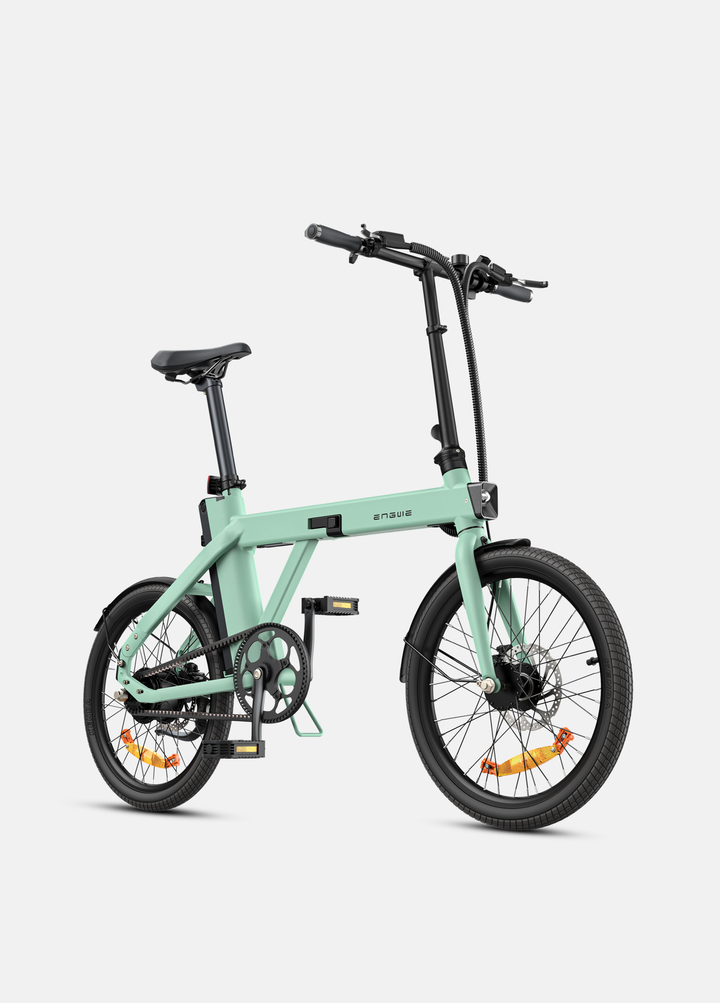
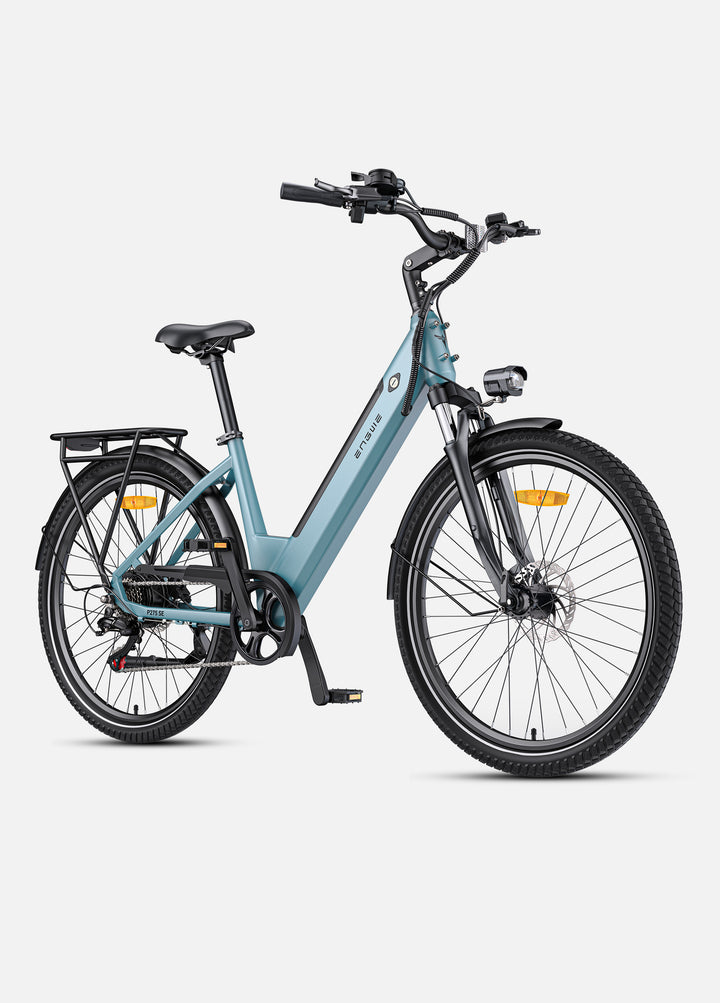
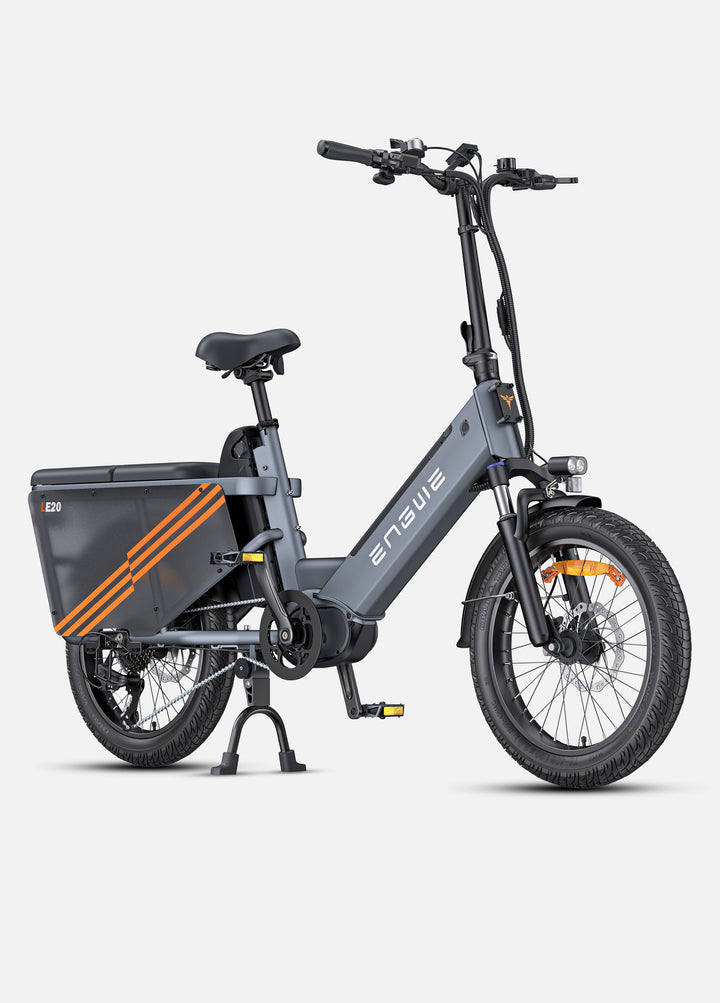
Always confirm with a bike tire size chart or a bike wheel diameter chart before buying. This simple process shows you how to measure bike tire size accurately and avoid mistakes. Even e-bikes, such as an ENGWE ebike, need proper bike tire measurements for smooth and stable rides.

Why Bike Tire Sizes Are Important
Your bike touches the ground only through its tires, so the size of those tires changes how the bike feels in every ride.
- Comfort: Wider tires soften bumps and rough roads, while narrow ones give a firm feel but suit smooth city streets.
- Speed: Slim tires move quickly on flat surfaces, while wider tires grip better on trails and loose ground.
- Control: The right size helps you stay steady when turning, riding downhill, or carrying weight.
- Safety: A wrong tire size can wear out fast, slip on corners, or even harm the rim. On e-bikes, correct sizing is even more important because they are heavier and faster.
Understanding Bike Tire Numbers
On the side of every tire, you will see numbers printed. These numbers explain the diameter of the wheel and the width of the tire. For example, a road bike tire may show 700x28c, while a mountain bike tire may show 26x2.1.
-
In 700x28c, the number 700 is the wheel diameter, and 28c is the tire width.
-
In 26x2.1, the number 26 is the wheel diameter in inches, and 2.1 is the tire width.
The part that confuses many riders is that not all tires follow the same system. Some brands list sizes in inches, others in millimeters, while many modern bikes follow the ISO standard. This makes it easy to mix up sizes if you are not careful.
To avoid mistakes, always check a bicycle tire size chart. A chart lets you compare inches, millimeters, and ISO numbers side by side, so you can match your old tires with the correct new ones

How to Measure Bike Tire Size
Sometimes the numbers on your tire are faded or hard to read. In that case, you can still find the correct size by measuring at home. Many riders wonder, How do you measure bike tires size? or How do you measure the size of a bike tire? The process is easy and takes just a few minutes.
Step 1 – Measure the Diameter
Stand the bike upright and use a tape measure to check across the wheel from edge to edge. This gives you the wheel diameter. Road bikes are usually 700 millimeters, while mountain bikes are often 26, 27.5, or 29 inches.
Step 2 – Measure the Width
Now measure across the surface of the tread from one side to the other. This shows the tire width. Road bike tires are usually 23–32mm, while mountain bike tires are much wider, often 2.1–2.6 inches.
Step 3 – Check With a Chart
Once you have both numbers, compare them with a bike size chart tires or a bike wheel diameter chart. This confirms that your measurements match the standard sizes available in shops. Always use a chart when replacing old tires, because guessing often leads to the wrong size.
Bike Tire Size Systems
Tires are sized in different ways, and that often creates confusion for riders. The three most common systems are:
- ISO (ETRTO): This is the most precise system used today. It shows the inside rim diameter in millimeters along with the tire width. Example: 622x28.
- Traditional Road System: This format uses numbers like 700x28c. Here, the first number is the wheel diameter in millimeters, and the second is the width of the tire.
- Traditional MTB System: Mountain bike tires are often listed in inches, such as 26x2.1. The first number shows the diameter in inches, while the second shows the width.
Because all three systems exist, it is easy to get confused. A bicycle tire size chart makes it simple by comparing ISO, road, and MTB sizes in one place so you can match your tire correctly.
Choosing Bike Tire Sizes for Different Riding Styles
The right bike tire size is not only about the wheel; it also depends on where and how you ride your bike. Each type of bike works best with a specific range of tire sizes.
Road Bikes
Road cyclists usually ride on smooth, paved roads. Slim tires between 23–28mm are common because they roll quickly and make pedaling easier over long distances. If speed is your priority, narrower tires are better.
If comfort is more important, slightly wider options like 30–32mm will absorb bumps and reduce strain. Knowing how to measure road bike frame size and pairing it with the right tire helps you get the best fit.
Mountain Bikes
Mountain bikes are designed for rough and uneven ground. Tires are usually much wider, often 2.1–2.6 inches. This width gives a stronger grip on dirt, rocks, and mud. Wider tires also let you use lower air pressure, which increases traction and control when climbing hills or riding off-road.
Hybrid Bikes
Hybrid bikes are made for mixed use. Their tires are usually mid-sized, between 30–40mm. This size gives a balance: they are fast enough for city streets but still stable enough for light trails. That’s why hybrids are popular with riders who use the same bike for commuting and weekend rides.
E-Bikes
Most e-bikes, including many ENGWE ebike models, use wider tires compared to regular bicycles. These are often called fat tires, and common sizes are 20x4.0 or 26x4.0. Fat tires are not only stylish, they are built to support extra weight, handle motor power, and give better control at higher speeds.
Here are some popular e-bikes that come with fat tires:
ENGWE Engine Pro 2.0
Equipped with 20x4.0-inch fat tires, great for both city rides and rough trails. It also has a folding frame, making it easy to carry and store.


ENGWE EP-2 Pro
One of the most popular folding fat-tire e-bikes with 20x4.0 tires for stability and easy storage. This model is well-suited for commuters who need power and portability.


ENGWE M20
Compact but powerful, using 20x4.0-inch tires that give grip and balance while keeping the bike easy to handle. Its dual battery option allows for longer riding distances.


Bike Tire Size Chart (Diameter x Width)
Tire sizes can vary depending on the type of bike you ride. To make things simple, here is an expanded bike tire size chart that shows common sizes and what they are best used for.
|
Bike Type |
Common Tire Sizes |
Best Use |
|
Road Bike |
700x23c, 700x25c, 700x28c |
Narrow tires for speed, wider ones for comfort on long rides |
|
Gravel / Touring |
700x32c, 700x38c |
Wider tires give more stability and grip on mixed terrain |
|
Mountain Bike |
26x2.1, 27.5x2.3, 29x2.4 |
Wide and strong tires for better control on rough off-road trails |
|
Hybrid / City Bike |
700x30c, 700x35c, 700x40c |
Mid-size tires for a balance between city roads and light trails |
|
Fat Tire / E-Bike |
20x4.0, 26x4.0 |
Extra-wide tires that support heavy weight, add grip, and improve stability |
This bike size chart tires makes it easier to compare different options and avoid mistakes. If you are unsure, you can also confirm your measurements with a bike wheel diameter chart or a bicycle tire size chart before buying.
Tips for Picking the Best Tire Size
When buying new tires, always think about how and where you ride most. If your rides are mostly in the city, a slimmer tire will roll faster and make pedaling easier. On the other hand, if you often ride off-road or carry extra weight, a wider tire will give you more grip and safety.
E-bike riders should always consider slightly wider tires. Since an e-bike is heavier and moves quickly, it needs more contact with the ground. This is why fat tires are often seen on electric bikes.
To avoid mistakes, always double-check with a bike tire size chart before you order. Even small errors, such as mixing up millimeters and inches, can leave you with a tire that doesn’t fit your rim.
Common Mistakes to Avoid
Many riders run into problems when choosing tire sizes because of simple errors:
- Measuring only diameter: A 700c wheel can fit several widths. Always check both diameter and width.
- Not using a chart: Tools like a bike wheel diameter chart or a bicycle tire size chart exist to make things clear. Skipping this step often confuses.
- Forgetting e-bike needs: An e-bike model usually needs stronger and wider tires to safely handle weight and motor power.
- Mixing systems: Inches and millimeters are not equal. A 26-inch tire does not match a 700c tire.
Conclusion
Finding the right bike tire sizes is simple when you know what to check. Start with the sidewall numbers, or measure the wheel diameter and width if they are missing. Always confirm with a bike tire size chart or bicycle tire size chart before buying.
Road bikes need slim tires for speed, mountain bikes use wide ones for grip, hybrids sit in between, and an ENGWE ebike or other e-bikes often rely on fat tires for balance and safety. The correct size keeps every ride smoother, safer, and more comfortable.